Wednesday, February 21, 2018

Congenital heart disease patients at higher risk of dementia

Adults who were born with heart disease are at a higher risk dementia, according to a study.
The study of more than 10,000 adults with congenital heart disease (CHD) in Denmark discovered a particularly increased risk for early dementia in middle-age adults.
 
"We've learned that CHD is a lifelong condition," says  senior author of the study. "Research shows that children born with heart problems are at a greater risk for one or more neurodevelopmental issues when compared to children without heart disease. We can now say that the risk for these types of problems continues well into adulthood."

The research team studied 10,632 adults born between 1890 and 1982. The researchers used medical registries and a medical records review covering all Danish hospitals to identify adults with CHD diagnosed between 1963 and 2012.

The researchers found a 60 percent increased risk of dementia compared to the general population. The risk was 160 percent higher (2.6 times higher) when comparing those less than 65 years old.

The author says it is important to recognize that many of these adults were born during a time when medical and surgical interventions were more limited than they are today. Still, he says "we need to understand the healthcare needs and risk factors affecting the larger number of middle-age and older adults currently living with CHD."

CHD occurs in six to 10 of every 1,000 live births. Because these individuals are now living longer, the population of those with CHD is experiencing different neurodevelopmental issues than those previously described only in infants, children and young adults.

THIS IS ONLY FOR INFORMATION, ALWAYS CONSULT YOU PHYSICIAN BEFORE HAVING ANY PARTICULAR FOOD/ MEDICATION/EXERCISE/OTHER REMEDIES.    
PS- THOSE INTERESTED IN RECIPES ARE FREE TO VIEW MY BLOG-                      
HTTP:GSEASYRECIPES.BLOGSPOT.COM/
FOR INFO ABOUT KNEE REPLACEMENT, YOU CAN VIEW MY BLOG-                                                     
HTTP://KNEE REPLACEMENT-STICK CLUB.BLOGSPOT.COM/
FOR CROCHET DESIGNS

HTTP://MY CROCHET CREATIONS.BLOGSPOT.COM

Labels: , , , ,

Saturday, January 20, 2018

Tech can be key in treating congenital heart defects’

A state which lowered child mortality significantly in the past decade, could further the trend by investing in technology to treat congenital heart defects (CHDs), said experts.
 

The head of the Department of Cardiology said India had a huge burden with around 2-2.5 lakh babies born annually suffering from congenital heart defects. Around 80,000 have serious complications but though most of them only require a single corrective surgery to live a normal life, they often have no access to them, he told media-persons here on Friday.
Hospitals also lack technical and human resources to deal with the scale of the burden. “It is only after the mortality rates fell that states began looking at CHDs. We are now operating on pre-term babies but the challenges are huge,” he said.

At the hospital, doctors operated on a 1.8 kg baby born three months before term. The baby was referred to the hospital by doctors. The baby’s father said the baby was diagnosed with a hole in the heart three days after birth, and it enlarged within a week.

Cardiovascular surgeon, who performed the surgery, said since pre-term babies’ tissues are fragile, more care is needed before and during the surgery. He used a 3D printed image of the baby’s heart from the MRI scan to help identify the exact type of lesion and cut the cardiopulmonary bypass time. This reduced the recovery time, the Dr. explained.

The institute’s expertise in paediatric cardiac surgeries led it to develop an app. A professor of Paediatric Cardiology in-charge of MRI and 3D Printing, said the study of 1,100 babies brought to the institute found that safer transport would improve their survival chances. It helped develop an app to provide real time data even as the baby is transported by ambulance. The app will be launched in soon the Dr. said.

The institute has installed a 3D printer which has helped in planning complicated surgeries in other specialities also. 


THIS IS ONLY FOR INFORMATION, ALWAYS CONSULT YOU PHYSICIAN BEFORE HAVING ANY PARTICULAR FOOD/ MEDICATION/EXERCISE/OTHER REMEDIES.    
PS- THOSE INTERESTED IN RECIPES ARE FREE TO VIEW MY BLOG-                      
HTTP:GSEASYRECIPES.BLOGSPOT.COM/
FOR INFO ABOUT KNEE REPLACEMENT, YOU CAN VIEW MY BLOG-                                                                      
HTTP://KNEE REPLACEMENT-STICK CLUB.BLOGSPOT.COM/
FOR CROCHET DESIGNS

HTTP://MY CROCHET CREATIONS.BLOGSPOT.COM

Labels: , , , , , , , , ,

Thursday, February 23, 2017

A Common Heart Defect May Hold Off Your Child Academically

Congenital heart defects (CHD) are one of the most common birth defects. Unfortunately, one of every 100 babies is born with a CHD. Each year approximately 40,000 babies are born in the United States with a congenital heart defect. Approximately two to three million individuals are thought to be living in the United States with CHDs. Children with such birth defects are likely to face problems at school or other academics for which the reason was yet unknown. A new study has revealed that CHDs are the reason for improper brain development in children.

Researchers analyzed 2,807 children born with heart defects, and 6,355 without, who just completed third grade, for the study. For the research, the team used North Carolina education records, birth defect registries and birth certificates, to examine whether congenital heart defects were associated with low scores on standard reading and math tests when given at the end of third grade. This research is the largest of its kind to examine the impact of potential brain deficits in U.S. children with heart defects. Matthew E. Oster, M.D., M.P.H., lead author of the study and pediatric cardiologist at Children's Healthcare of Atlanta, said that this study is unique because it accounts for children with less severe congenital heart defects. It's unclear why children with heart defects struggle in school, he added.
 

Children with milder congenital heart defects do not typically share those risk factors—however; both groups of children with congenital heart defects may share a genetic vulnerability to problems with brain development. The study noted that children with less severe defects are less likely to receive special education services at school. The research suggest that doctors should be aware that all children with heart defects are at risk for such problems, and families should be aware of their child's performance at school.

Dr. Oster said that further research must follow children as they grow to detect similar academic problems beyond third grade to explore if special education can help improve their outcomes and pinpoint the factors that affect how these children fare.

Evidently children with a congenital heart defect, regardless of how severe their condition, had 24 percent higher odds of not meeting standards in either reading or math, compared to children without congenital heart defects. Those with critical defects were 46% more likely to get special education support compared to those with less severe defects as per the findings of this study. Therefore, doctors as well as parents must contribute their bit, in order to help children with heart defects academically.
 

 this is only for your information, kindly take the advice of your doctor for medicines, exercises and so on.
https://gscrochetdesigns.blogspot.com. one can see my crochet creations
https://gseasyrecipes.blogspot.com. feel free to view for easy, simple and healthy recipes 
https://kneereplacement-stickclub.blogspot.com. for info on knee replacement

Labels: , , ,

Thursday, September 25, 2014

Jodhpur: Doctors perform rare surgery on man with five heart chambers

In what is claimed to be the first -of-its-kind surgery in the country and only the third in the world, doctors at a hospital treated a man suffering from a rare congenital heart condition of having five atrial chambers instead of four.

42-year-old Pali Devaram, who had been suffering from breathlessness and continuous coughing and heart pain, was diagnosed with the rare heart defect termed 'Cortriatrium with Mitral Regurgitation' after he underwent a medical check up at Medipulse Hospital here.

"On diagnosis, we found him to be suffering from a rare congenital disease... We carried out some more tests in consultation with a cardiothoracic surgeon and found him to have five chambers in his heart instead of four," the private hospital's Cardiologist Alok Madan said.

Madan said Cortriatrium is a defect where an additional membrane or a septum creates fifth chamber in the heart.

After the final diagnosis, a team of doctors carried out a nearly four-hour-long surgery on Devaram on Wednesday.

"We cut the membrane, which had created the wall above fourth valve thereby forming a fifth chamber and made it a four chambered heart, which is a normal heart," Cardiothoracic surgeon Sanjeev Suresh Waidand said.

Now, the patient would be able to lead a normal life as any other healthy person, he added.

Claiming it to be the first-of-its-kind surgery in India and only the third in the world, the hospital's director Navneet Agarwal said, "First two surgeries of such type have been administered in China and Germany."

He said that the age of the patient and the severe Mitral Regurgitation made this surgery unique and rare, which costed about Rs 1.25 lakh to the patient. Patient's relative Dinesh said they had visited many doctors and hospitals across the country but no one was able to diagnose the disease.

"In last two months, Pali's problems of breathlessness, constant coughing and heart pain had aggravated," he said.


THIS IS ONLY FOR INFORMATION, ALWAYS CONSULT YOU PHYSICIAN BEFORE HAVING ANY PARTICULAR FOOD/ MEDICATION/EXERCISE/OTHER REMEDIES.


PS- THOSE INTERESTED IN RECIPES ARE FREE TO VIEW MY BLOG-

HTTP:GSEASYRECIPES.BLOGSPOT.COM/
FOR INFO ABOUT KNEE REPLACEMENT, YOU CAN VIEW MY BLOG-
HTTP://KNEE REPLACEMENT-STICK CLUB.BLOGSPOT.COM/

FOR CROCHET DESIGNS


HTTP://MY CROCHET CREATIONS.BLOGSPOT.COM

Labels: , , , , , ,

Thursday, June 13, 2013

What Is Heart Disease And Heart Attack Symptoms

What Is Heart Disease?
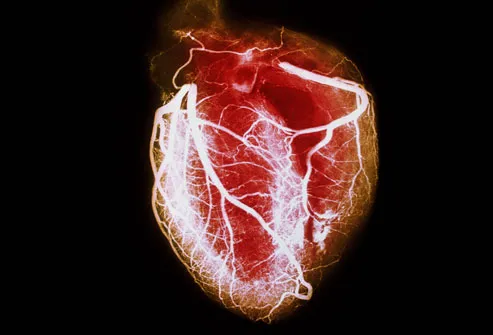
arteriogram showing coronary arteries of healthy h
Bring up heart disease, and most people think of a heart attack. But there are many conditions that can undermine the heart's ability to do its job. These include coronary artery disease, cardiomyopathy, arrhythmia, and heart failure. Keep reading to find out what these disorders do to the body and how to recognize the warning signs.


What Is a Heart Attack?Illustration of heart attack
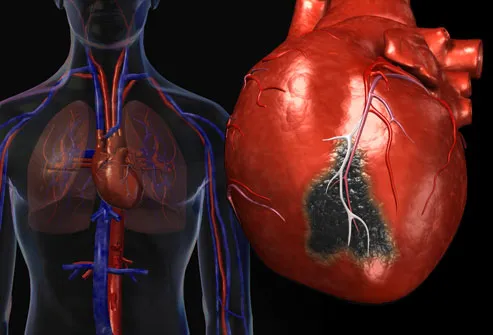
Every year, more than 1 million Americans have a heart attack -- a sudden interruption in the heart's blood supply. This happens when there is a blockage in the coronary arteries, the vessels that carry blood to the heart muscle. When blood flow is blocked, heart muscle can be damaged very quickly and die. Prompt emergency treatments have reduced the number of deaths from heart attacks in recent years.


Heart Attack Symptoms
A heart attack is an emergency even when symptoms are mild. Warning signs include:
Pain or pressure in the chest
Discomfort spreading to the back, jaw, throat, or arm
Nausea, indigestion, or heartburn
Weakness, anxiety, or shortness of breath
Rapid or irregular heartbeats

Heart Attack Symptoms in Women
Women don't always feel chest pain with a heart attack. Women are more likely than men to have heartburn, loss of appetite, tiredness or weakness, coughing, and heart flutters. These symptoms should not be ignored. The longer you postpone treatment, the more damage the heart may sustain.

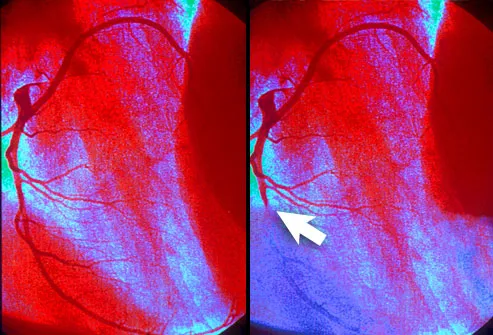
Angiogram showing myocardial infarction
Signs of Coronary Artery Disease
A precursor to a heart attack, coronary artery disease or CAD occurs when  sticky plaque builds up inside the coronary arteries. This narrows the arteries, making it more difficult for blood to flow through. Many people don't know they have CAD until a heart attack strikes. But there are warning signs, such as recurring chest pain caused by the restricted blood flow. This pain is known as angina.

Inside a Heart Attack
The plaque deposited in your arteries is hard on the outside and soft and mushy on the inside. Sometimes the hard outer shell cracks. When this happens, a blood clot forms around the plaque. If the clot completely blocks the artery, it cuts off the blood supply to a portion of the heart. Without immediate treatment, that part of the heart muscle could be damaged or destroyed.

Don't Wait to Be Sure
The best time to treat a heart attack is as soon as symptoms begin. Waiting to be sure can result in permanent heart damage or even death. If you think you may be having a heart attack, call 911. And don't try driving yourself to the hospital. When you call 911, the EMS staff can start emergency care as soon as they reach you.

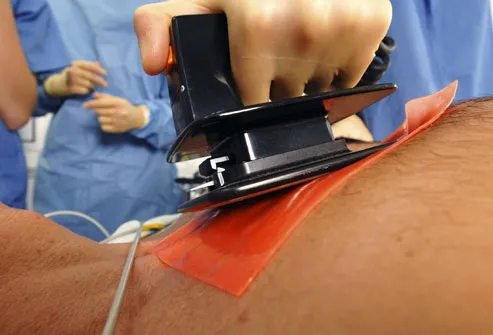
Doctors using a defibrillator
Sudden Cardiac Death
Sudden cardiac death (SCD) accounts for half of all heart disease deaths in the U.S., but it's not the same as a heart attack. SCD occurs when the heart's electrical system goes haywire, causing it to beat irregularly and dangerously fast. The heart's pumping chambers may quiver instead of pumping blood out to the body. Without CPR and restoration of a regular heart rhythm, death can occur in minutes.

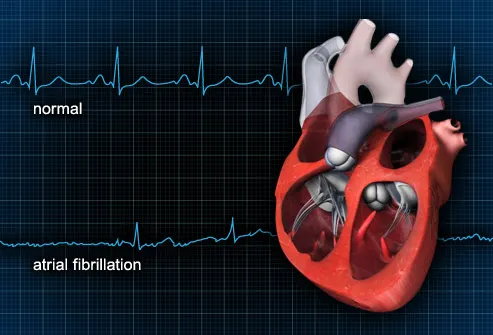
Normal EKG contrasted with atrial fibrillation
Arrhythmia: Erratic Heart Beat
Regular electrical impulses cause your heart to beat. But sometimes those impulses become erratic. The heart may race, slow down, or quiver. Arrhythmias are often harmless variations in rhythm that pass quickly. But some types make your heart less effective at pumping blood, and that can take a serious toll on the body. Let your doctor know if you've noticed your heart beating abnormally.


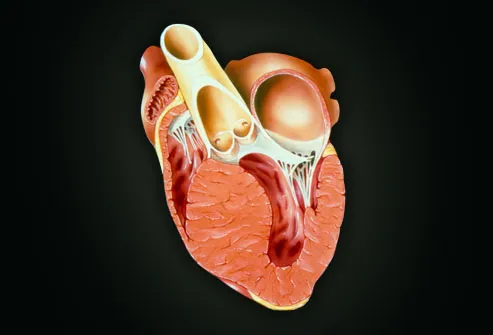
 Illustration of hypertrophic cardiomyopathy
Cardiomyopathy
Cardiomyopathy is a disease involving changes in the heart muscle. These changes may interfere with the heart's ability to pump effectively, which can lead to a chronic condition called heart failure. Cardiomyopathy is sometimes associated with other chronic conditions, such as high blood pressure or heart valve disease.

Heart Failure
Heart failure doesn't mean your heart stops working. It means the heart can't pump enough blood to meet the body's needs. Over time, the heart gets bigger to hold more blood, it pumps faster to increase the amount of blood moving out of it, and the blood vessels narrow. The  heart muscle may also weaken, reducing the blood supply even more. Most cases of heart failure are the result of coronary artery disease and heart attacks.

Congenital Heart Defect
A congenital heart defect is one that's present at birth. The problem could be a leaky heart valve, malformations in the walls that separate the heart chambers, or other heart problems. Some defects are not found until a person becomes an adult. Some need no treatment. Others require medicine or surgery. People with congenital heart defects may have a higher risk of developing complications such as arrhythmias, heart failure, and heart valve infection, but there are ways to reduce this risk.

Tests  1) Electrocardiogram (EKG)
An EKG (also ECG) is a painless test that uses electrodes placed on the skin to record the heart's electrical activity. The test provides information about your heart rhythm and damage to the heart muscle. An EKG can help your doctor diagnose a heart attack and evaluate abnormalities such as an enlarged heart. The results can be compared to future EKGs to track changes in the condition of your heart.

2) Stress Test
The stress test measures how your heart responds to exertion. If you have an exercise stress test, you'll either walk on a treadmill or ride a stationary bike while the level of difficulty increases. At the same time, your EKG, heart rate, and blood pressure will be monitored as your heart works harder. Doctors use a stress test to evaluate whether there is an adequate supply of blood to the heart muscle.

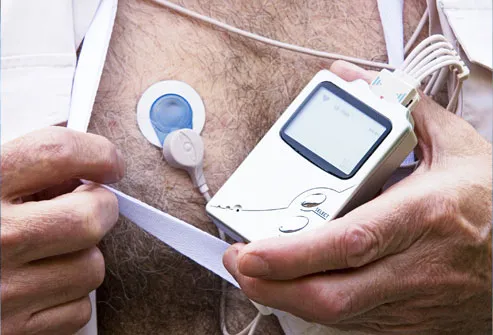
Portable heart monitor
3) Holter Monitor
A Holter monitor is a portable heart rhythm recorder. If your doctor suspects a heart rhythm problem, she may ask you to wear one for one or two days. It  records the heart's continuous electrical activity day and night, compared with an EKG, which is a snapshot in time. The doctor will probably also ask you to keep a log of your activities and to note any symptoms and when they occur.

4) Chest X-ray
A chest X-ray is a picture of your heart, lungs, and chest bones that's made by using a very small amount radiation. Chest X-rays can be used to look for heart and lung abnormalities.
In this image, the bulge seen on the right side is an enlarged left ventricle, the heart's main pumping chamber.


5) Echocardiogram
An echocardiogram uses sound waves (ultrasound) to generate moving images of the heart. The test can assess the chambers and valves of your heart and how well your heart muscle and heart valves are working. It's useful in diagnosing and evaluating several types of heart disease, as well as evaluating the effectiveness of treatments.


6)  Cardiac CT
Cardiac computerized tomography (known as cardiac CT) takes detailed images of the heart and its blood vessels. A computer stacks the images to create a 3-D picture of heart. A cardiac CT can be used to look for plaque or calcium build up in the coronary arteries, heart valve problems, and other types of heart disease.


7) Cardiac Catheterization
Cardiac catheterization helps diagnose and treat some heart conditions.  The doctor guides a narrow tube, called a catheter, through a blood vessel in your arm or leg until it reaches the coronary arteries. Dye is injected into each coronary artery, making them easy to see with an X-ray. This reveals the extent and severity of any blockages. Treatments such as angioplasty or stenting can be done during this procedure.


Living With Heart Disease
Most forms of heart disease are chronic. In the beginning, symptoms may be too mild to affect everyday life. And in many cases, long-term treatment can keep symptoms under control. But if the heart begins to fail, patients may develop shortness of breath, fatigue, or swelling in ankles, feet, legs, and abdomen. Heart failure can be managed with medication, lifestyle changes, surgery, and in certain cases, a heart transplant.


Treatment:  1) Medicines
Medications play a huge role in treating heart disease. Some drugs help lower blood pressure, heart rate, and cholesterol levels. Others can keep abnormal heart rhythms under control or prevent clotting. For patients who already have some heart damage, there are medications to improve the pumping ability of an injured heart.

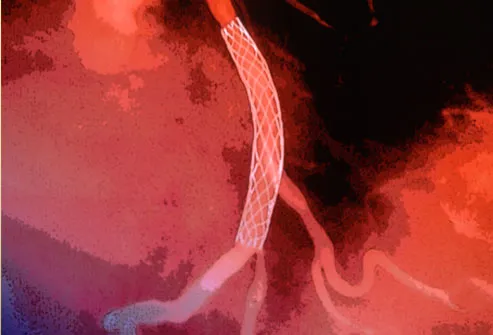
coronary angioplasty
2)  Angioplasty
Angioplasty is used to open a blocked heart artery and improve blood flow to the heart. The doctor inserts a thin catheter with a balloon on the end into the artery. When the balloon reaches the blockage, it is expanded, opening up the artery and improving blood flow. The doctor may also insert a small mesh tube, called a stent, to help keep the artery open after angioplasty.

3) Bypass Surgery
Bypass surgery is another way to improve the heart's blood flow. It gives blood a new pathway when the coronary arteries have become too narrow or blocked. During the surgery, a blood vessel is first moved from one area of the body -- such as the chest, legs, or arms -- and attached to the blocked artery, allowing it to bypass the blocked part.


Who's at Risk for Heart Disease?
Men have a higher risk of having a heart attack than women, and at an earlier age. But it's important to note that heart disease is the No. 1 killer of women, too. People with a family history of heart ailments also have a higher risk of heart trouble.

Risk Factors You Can Control
High cholesterol and high blood pressure are major risk factors for heart disease. Being overweight, obese, or physically inactive all increase your risk. So does diabetes, especially if your glucose levels are not well controlled. Discuss your risks with your doctor and develop a strategy for managing them. There are many steps you can take to protect your heart.

Smoking and Your Heart
If you smoke, your risk of heart disease is 2 to 4 times greater than a non-smoker's. And if you smoke around loved ones, you're increasing their risk with second-hand smoke. Each year in the U.S., more than 135,000 people die from smoking-related heart disease. But it's never too late to quit. Within 24 hours of quitting, your heart attack risk begins to fall.

Life After a Heart Attack
It is possible to regain your health after a heart attack. By avoiding cigarettes, becoming more active, and watching what you eat, you can give your heart and overall health a big boost. One of the best ways to learn how to make these changes is to take part in a cardiac rehab program. Ask your doctor for recommendations.

Heart Disease Prevention
The key to preventing heart disease is a healthy lifestyle. This includes a nutritious diet, at least 30 minutes of exercise most days of the week, not smoking, and controlling high blood pressure, cholesterol, and diabetes. If you drink alcohol, do so in moderation -- no more than one drink a day for women, two drinks a day for men. Ask your friends and family for help in making these changes. They'll benefit, too.

Diet and Your Heart
What you eat makes a difference. Be sure you get plenty of whole grains, vegetables, legumes, and fruits to help keep your heart healthy.  Plant oils, walnuts, other nuts, and seeds can also help improve cholesterol levels. And don't forget to eat fish at least a couple of times each week for a good source of heart-healthy protein.


ps- this is only for information, always consult you physician before having any particular food/ medication/exercise/other remedies.


ps- those interested in recipes are free to view my blog-

http://gseasyrecipes.blogspot.com/


for info about knee replacement, you can view my blog-


http://Knee replacement-stick club.blogspot.com/


for crochet designs


http://My Crochet Creations.blogspot.com/


I've not given details about designs, but those interested are free to mail me for the same.


Labels: , , , , , , , , , , , , ,

Wednesday, May 29, 2013

Baby heart disease gene found

A new gene associated with a form of congenital heart 

disease in new born babies, known as `a hole in the heart`, 

has been discovered by scientists.

Congenital heart disease (CHD) is the most common form of 

congenital malformation, occurring in seven in 1000 babies 

born and is one of the major causes of childhood death and 

illness.

Most patients born with CHD now survive to adulthood, so 

identifying the responsible genes is important as experts 

attempt to provide individual-specific genetic counselling for 

these people.

The study looked at over 2,000 CHD patients and measured 

over 500,000 genetic markers which vary in the general 

population.

The genetic markers in the patients were compared to the 

markers of over 5,600 people in good health who acted as a 

control group.

The researchers found a relationship between a particular 

region of the human genome and risk of atrial septal defect 

(ASD) - a "hole" between the heart`s blood-collecting 

chambers, which they went on to confirm in additional cases 

of atrial septal defect and healthy controls.
We found that a common genetic variation near a gene 
called Msx1 was strongly associated with the risk of a 
particular type of CHD called atrial septal defect or hole in 
the heart," a Dr. said.
 
"ASD is one of the most common forms of congenital heart disease, and it  carries a risk of heart failure and stroke. We estimated that around 10 per cent of ASDs may be due to the gene we found. We can now work to find out how Msx1 and/or its neighbour genes affect the risk of ASD," said a Dr.

Researchers looked at all the major types of congenial heart disease (CHD), but they did not find a genetic marker common in all types of CHD.

"Our work also suggests that if we conduct larger studies we will be able to find genes that cause other types of CHD. Although we are not there yet, further studies may enable us to give better genetic counselling to high risk families," said a Dr.

"Also, when we identify genes important in the development of the heart because they have gone wrong, it helps us understand normal development better.

"Such an understanding is fundamental to any attempt to treat people with heart disease at any age - for example those suffering from heart failure - using regenerative medicine,"  said a Dr.

Labels: , , , , , , , , ,