Monday, April 01, 2019

This smart 'Phyjama' that monitors heartbeat, breathing to help you sleep better

Researchers have developed pyjamas embedded with self-powered sensors that provide unobtrusive and continuous monitoring of heartbeat, breathing and sleep posture- all factors that play a role in how well a person sleeps.

The garment called " Phyjama" could give ordinary people as well as clinicians useful information to help improve sleep patterns.


" Our smart pyjamas overcame numerous technical challenges. We had to inconspicuously integrate sensing elements and portable power sources into everyday garments while maintaining the weight, feel, comfort, function and ruggedness of familiar clothes and fabrics, " said the lead author.


The key to the smart pyjamas is a process called reactive vapour deposition, according to the findings presented at  a meeting recently.


" This methos allows us to synthesize a polymer and simultaneously deposit it directly on the fabric in the vapour phase to form various electronic components and ultimately integrated sensors," said the lead author.


"Unlike most electronic wearables, the vapour-deposited electronic polymer films are wash-and-wear stable and they withstand mechanically demanding textile manufacturing routine, " he added.


The " Phyjama" has five discrete textile patches with sensors in them. The patches are interconnected using silver-plated nylon threads shielded in cotton.


The wires from each patch end up at a button-sized printed circuit board placed at the same location as a pyjama button. Data are wirelessly sent to a receiver using a small Bluetooth transmitter that is part of the circuitry in the button.


The garment includes two types of self-powered sensors that detect " ballistic movements" or pressure changes. Four of the patches are piezoelectric. They detect constant pressures like that of a bed against a person's body.


The triboelectric patch detects quick changes in pressure, such as the physical pumping of the heart which provides information on heart rate, the researcher said.


For the study, the team tested the garment on volunteers and validated the readings from the sensors independently.


THIS IS ONLY FOR INFORMATION, ALWAYS CONSULT YOU PHYSICIAN BEFORE HAVING ANY PARTICULAR FOOD/ MEDICATION/EXERCISE/OTHER REMEDIES.                                    PS- THOSE INTERESTED IN RECIPES ARE FREE TO  VIEW MY BLOG-                                                                                           https://gseasyrecipes.blogspot.com/                                                                                                                                                         FOR INFO ABOUT KNEE REPLACEMENT, YOU CAN VIEW MY BLOG-                                                  https:// kneereplacement-stickclub.blogspot.com/           

                   FOR CROCHET DESIGNS                                                                                                                                                                                                  https://gscrochetdesigns.blogspot.com


Researchers have developed pyjamas embedded with self-powered sensors that provide unobtrusive and continuous monitoring of heartbeat, breathing and sleep posture - all factors that play a role in how well a person slumbers.

The garment called "Phyjama" could give ordinary people as well as clinicians useful information to help improve sleep patterns.

"Our smart pyjamas overcame numerous technical challenges. We had to inconspicuously integrate sensing elements and portable pow ..

Labels: , , , , , , , , , , , , , , ,

Tuesday, January 26, 2016

Cardiovascular Problems- home remedy

THIS IS ONLY FOR INFORMATION, ALWAYS CONSULT YOUR PHYSICIAN BEFORE HAVING ANY PARTICULAR FOOD/ MEDICATION/EXERCISE/OTHER REMEDIES.

FOR INFO ABOUT KNEE REPLACEMENT, YOU CAN VIEW MY BLOG
HTTP://KNEE REPLACEMENT-STICK CLUB.BLOGSPOT.COM/

FOR CROCHET DESIGNS- http://My Crochet Creations.blogspot.com/


 honey and cinnamon medicine

Labels: , , , , , , ,

Saturday, June 29, 2013

Ever Felt your Heart Skipping a beat?

Ever felt your heart skipping a beat? A missing beat by itself 

might not be significant but if you notice other symptoms 

like fatigue, weakness, fainting spells, and an inability to 

cope with the normal routine then you need to see your 

cardiologist for a complete assessment of your heart’s 

functions.

A lady  in her sixties, an active woman who could multi-task 

with ease. But episodes of irregular heartbeats was taking 

an toll of her life. Her cardiologist put her on a holter, which 

records one’s ECG for 24 hours during normal activity and 

the pulse as well. To her horror, the doctor told her that she 

needed a pacemaker. Apart from irregular heartbeats, she 

also bradycardia (slow heartbeat), which could be 

dangerous, with her pulse dipping to 35 at night when she 

was asleep. She was traumatised and terrified but felt better 

after her doctor explained what was happening.

When the heart’s two upper chambers, the atria, contract, 

blood is pumped into the two lower chambers, the ventricles. 

The ventricles then contract and pump blood to the rest of 

the body. The combined contraction of the atria and 

ventricles is a heartbeat. The heart has its own internal 

electrical system to control the rate and rhythm of 

heartbeats. With each heartbeat, an electrical signal spreads 

from the top of the heart to the bottom.

Each electrical signal normally begins in a group of cells 

called the sinus node or sinoatrial (SA) node. As the signal 

spreads from the top of the heart to the bottom, it 

coordinates the timing of heart cell activity. Faulty electrical 

signal in the heart causes arrhythmias.

Pacemakers use low-energy electrical pulses to overcome 

this faulty electrical signalling.

A pacemaker is a small device that is placed in the chest or 

abdomen to help control abnormal heart rhythms. This 

device uses electrical pulses to prompt the heart to beat at a 

normal rate. Pacemakers are used to treat arrhythmias. A 

fast heartbeat is called tachycardia A slow heartbeat is 

called bradycardia. During an arrhythmia, the heart may 

not be able to pump enough blood to the body. This can 

cause symptoms such as fatigue (tiredness), shortness of 

breath, or fainting. Severe arrhythmias can damage the 

body's vital organs and may even cause loss of 

consciousness or death.

Pacemakers can be temporary or permanent. Temporary 

pacemakers are used to treat short-term heart problems, 

such as a slow heartbeat that is caused by heart attacks, 

surgery or an overdose of medicine. They are also used 

during emergencies. They might be used until your doctor 

can implant a permanent pacemaker or until the temporary 

condition goes away.

When is a pacemaker recommended? “Due to an atrio-

ventricular block the heart rate may be low or absent 

resulting in momentary block or loss of consciousness, 

occasionally even seizures. Then pacemaker implantation is 

mandatory. A pacemaker is also useful when the pumping 

efficacy of heart is low,” says a Dr. 

Ageing or heart disease damages your sinus node’s ability to 

set the correct pace for your heartbeat. This can cause 

slower than normal heartbeats or long pauses between 

heartbeats. This condition is called sick sinus syndrome and 

also warrants implantation of a pacemaker. 

What precautions are advised post-surgery?

“Since we keep our patients for a week following the 

procedure, we make sure the wound is healing well, and 

dressed regularly,” says  the Dr. “The patient is advised not 

to shower for the first two or three days, and not lift the arm 

above the head or carry even small weights, or stretch the 

arm for about six weeks. After a month, if there is any 

discomfort it should be reported.”


Regular check ups once in 4-6 months are advised. The 

patient is advised to get into mainstream activity gradually 

like travelling, driving the car, swimming, resuming the job, 

golfing, and walking which will make you return to normal. 

Even sex is not barred. But there are some things to be 

avoided like entering an electromagnetic field. One should 

keep away from transformers, electric arc welding 

equipment and airport screening devices. The pacemaker 

identification card helps. MRIs are definitely to be avoided.


“Generally, we tell patients to avoid induction cooking, but 

the risks I believe are fairly small,” says Dr. , “but you can 

check with the manufacturer of the device.”

“You should use the mobile phone on the opposite ear, and at 

least six inches away from the implant,” says the Dr. 

 “Other household appliances like microwave oven, electrical 

appliances, computers can be safely used.”

Pacemakers do improve the quality of life and the implant is 

a small procedure, but check with the doctor before taking 

any decision.

What does a pacemaker do?

Relieves arrhythmia symptoms, such as fatigue and 

fainting


Helps a person with abnormal heart rhythms 

resume a more active lifestyle
.
Monitors and records heart's electrical activity and 

rhythm
.


Newer pacemakers also monitor blood temperature, breathing rate, and other factors and also adjust heart rate to changes in activity.


ps- this is only for information, always consult you physician before having any particular food/ medication/exercise/other remedies.


ps- those interested in recipes are free to view my blog-

http://gseasyrecipes.blogspot.com/


for info about knee replacement, you can view my blog-


http://Knee replacement-stick club.blogspot.com/


for crochet designs


http://My Crochet Creations.blogspot.com/


I've not given details about designs, but those interested are free to mail me for the same.


Labels: , , , , , , , , , , , , , ,

Thursday, June 13, 2013

What Is Heart Disease And Heart Attack Symptoms

What Is Heart Disease?
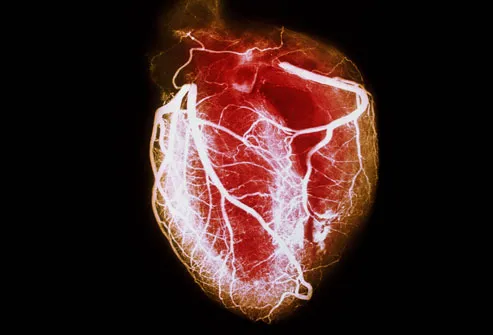
arteriogram showing coronary arteries of healthy h
Bring up heart disease, and most people think of a heart attack. But there are many conditions that can undermine the heart's ability to do its job. These include coronary artery disease, cardiomyopathy, arrhythmia, and heart failure. Keep reading to find out what these disorders do to the body and how to recognize the warning signs.


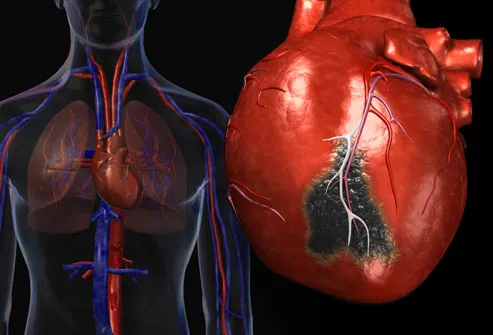
What Is a Heart Attack?Illustration of heart attack

Every year, more than 1 million Americans have a heart attack -- a sudden interruption in the heart's blood supply. This happens when there is a blockage in the coronary arteries, the vessels that carry blood to the heart muscle. When blood flow is blocked, heart muscle can be damaged very quickly and die. Prompt emergency treatments have reduced the number of deaths from heart attacks in recent years.


Heart Attack Symptoms
A heart attack is an emergency even when symptoms are mild. Warning signs include:
Pain or pressure in the chest
Discomfort spreading to the back, jaw, throat, or arm
Nausea, indigestion, or heartburn
Weakness, anxiety, or shortness of breath
Rapid or irregular heartbeats

Heart Attack Symptoms in Women
Women don't always feel chest pain with a heart attack. Women are more likely than men to have heartburn, loss of appetite, tiredness or weakness, coughing, and heart flutters. These symptoms should not be ignored. The longer you postpone treatment, the more damage the heart may sustain.

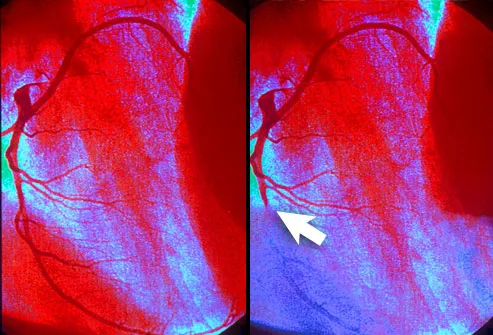
Angiogram showing myocardial infarction
Signs of Coronary Artery Disease
A precursor to a heart attack, coronary artery disease or CAD occurs when  sticky plaque builds up inside the coronary arteries. This narrows the arteries, making it more difficult for blood to flow through. Many people don't know they have CAD until a heart attack strikes. But there are warning signs, such as recurring chest pain caused by the restricted blood flow. This pain is known as angina.

Inside a Heart Attack
The plaque deposited in your arteries is hard on the outside and soft and mushy on the inside. Sometimes the hard outer shell cracks. When this happens, a blood clot forms around the plaque. If the clot completely blocks the artery, it cuts off the blood supply to a portion of the heart. Without immediate treatment, that part of the heart muscle could be damaged or destroyed.

Don't Wait to Be Sure
The best time to treat a heart attack is as soon as symptoms begin. Waiting to be sure can result in permanent heart damage or even death. If you think you may be having a heart attack, call 911. And don't try driving yourself to the hospital. When you call 911, the EMS staff can start emergency care as soon as they reach you.

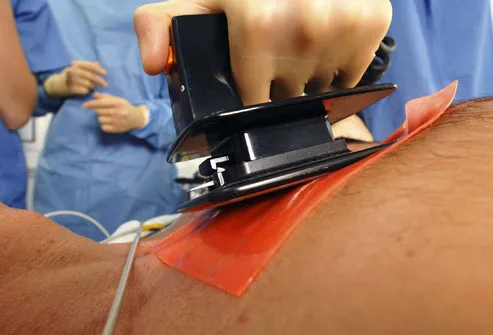
Doctors using a defibrillator
Sudden Cardiac Death
Sudden cardiac death (SCD) accounts for half of all heart disease deaths in the U.S., but it's not the same as a heart attack. SCD occurs when the heart's electrical system goes haywire, causing it to beat irregularly and dangerously fast. The heart's pumping chambers may quiver instead of pumping blood out to the body. Without CPR and restoration of a regular heart rhythm, death can occur in minutes.

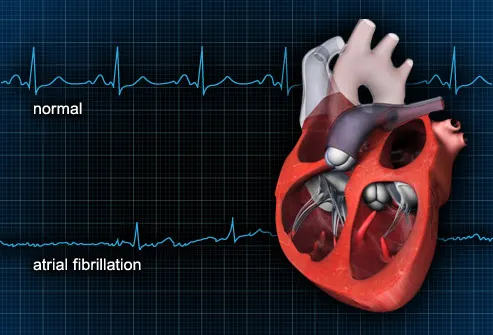
Normal EKG contrasted with atrial fibrillation
Arrhythmia: Erratic Heart Beat
Regular electrical impulses cause your heart to beat. But sometimes those impulses become erratic. The heart may race, slow down, or quiver. Arrhythmias are often harmless variations in rhythm that pass quickly. But some types make your heart less effective at pumping blood, and that can take a serious toll on the body. Let your doctor know if you've noticed your heart beating abnormally.


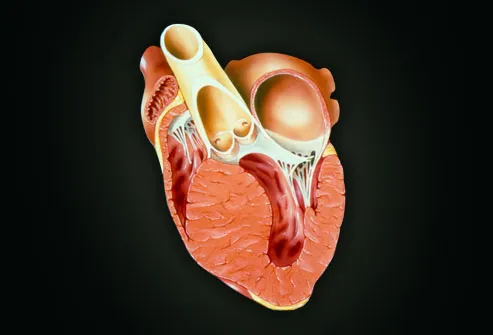
 Illustration of hypertrophic cardiomyopathy
Cardiomyopathy
Cardiomyopathy is a disease involving changes in the heart muscle. These changes may interfere with the heart's ability to pump effectively, which can lead to a chronic condition called heart failure. Cardiomyopathy is sometimes associated with other chronic conditions, such as high blood pressure or heart valve disease.

Heart Failure
Heart failure doesn't mean your heart stops working. It means the heart can't pump enough blood to meet the body's needs. Over time, the heart gets bigger to hold more blood, it pumps faster to increase the amount of blood moving out of it, and the blood vessels narrow. The  heart muscle may also weaken, reducing the blood supply even more. Most cases of heart failure are the result of coronary artery disease and heart attacks.

Congenital Heart Defect
A congenital heart defect is one that's present at birth. The problem could be a leaky heart valve, malformations in the walls that separate the heart chambers, or other heart problems. Some defects are not found until a person becomes an adult. Some need no treatment. Others require medicine or surgery. People with congenital heart defects may have a higher risk of developing complications such as arrhythmias, heart failure, and heart valve infection, but there are ways to reduce this risk.

Tests  1) Electrocardiogram (EKG)
An EKG (also ECG) is a painless test that uses electrodes placed on the skin to record the heart's electrical activity. The test provides information about your heart rhythm and damage to the heart muscle. An EKG can help your doctor diagnose a heart attack and evaluate abnormalities such as an enlarged heart. The results can be compared to future EKGs to track changes in the condition of your heart.

2) Stress Test
The stress test measures how your heart responds to exertion. If you have an exercise stress test, you'll either walk on a treadmill or ride a stationary bike while the level of difficulty increases. At the same time, your EKG, heart rate, and blood pressure will be monitored as your heart works harder. Doctors use a stress test to evaluate whether there is an adequate supply of blood to the heart muscle.

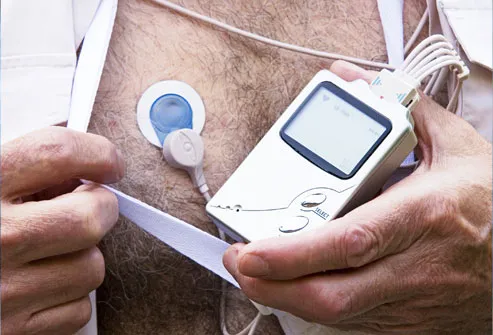
Portable heart monitor
3) Holter Monitor
A Holter monitor is a portable heart rhythm recorder. If your doctor suspects a heart rhythm problem, she may ask you to wear one for one or two days. It  records the heart's continuous electrical activity day and night, compared with an EKG, which is a snapshot in time. The doctor will probably also ask you to keep a log of your activities and to note any symptoms and when they occur.

4) Chest X-ray
A chest X-ray is a picture of your heart, lungs, and chest bones that's made by using a very small amount radiation. Chest X-rays can be used to look for heart and lung abnormalities.
In this image, the bulge seen on the right side is an enlarged left ventricle, the heart's main pumping chamber.


5) Echocardiogram
An echocardiogram uses sound waves (ultrasound) to generate moving images of the heart. The test can assess the chambers and valves of your heart and how well your heart muscle and heart valves are working. It's useful in diagnosing and evaluating several types of heart disease, as well as evaluating the effectiveness of treatments.


6)  Cardiac CT
Cardiac computerized tomography (known as cardiac CT) takes detailed images of the heart and its blood vessels. A computer stacks the images to create a 3-D picture of heart. A cardiac CT can be used to look for plaque or calcium build up in the coronary arteries, heart valve problems, and other types of heart disease.


7) Cardiac Catheterization
Cardiac catheterization helps diagnose and treat some heart conditions.  The doctor guides a narrow tube, called a catheter, through a blood vessel in your arm or leg until it reaches the coronary arteries. Dye is injected into each coronary artery, making them easy to see with an X-ray. This reveals the extent and severity of any blockages. Treatments such as angioplasty or stenting can be done during this procedure.


Living With Heart Disease
Most forms of heart disease are chronic. In the beginning, symptoms may be too mild to affect everyday life. And in many cases, long-term treatment can keep symptoms under control. But if the heart begins to fail, patients may develop shortness of breath, fatigue, or swelling in ankles, feet, legs, and abdomen. Heart failure can be managed with medication, lifestyle changes, surgery, and in certain cases, a heart transplant.


Treatment:  1) Medicines
Medications play a huge role in treating heart disease. Some drugs help lower blood pressure, heart rate, and cholesterol levels. Others can keep abnormal heart rhythms under control or prevent clotting. For patients who already have some heart damage, there are medications to improve the pumping ability of an injured heart.

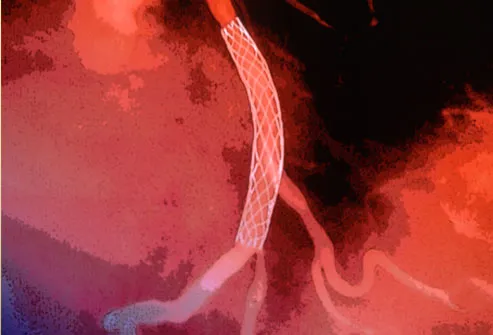
coronary angioplasty
2)  Angioplasty
Angioplasty is used to open a blocked heart artery and improve blood flow to the heart. The doctor inserts a thin catheter with a balloon on the end into the artery. When the balloon reaches the blockage, it is expanded, opening up the artery and improving blood flow. The doctor may also insert a small mesh tube, called a stent, to help keep the artery open after angioplasty.

3) Bypass Surgery
Bypass surgery is another way to improve the heart's blood flow. It gives blood a new pathway when the coronary arteries have become too narrow or blocked. During the surgery, a blood vessel is first moved from one area of the body -- such as the chest, legs, or arms -- and attached to the blocked artery, allowing it to bypass the blocked part.


Who's at Risk for Heart Disease?
Men have a higher risk of having a heart attack than women, and at an earlier age. But it's important to note that heart disease is the No. 1 killer of women, too. People with a family history of heart ailments also have a higher risk of heart trouble.

Risk Factors You Can Control
High cholesterol and high blood pressure are major risk factors for heart disease. Being overweight, obese, or physically inactive all increase your risk. So does diabetes, especially if your glucose levels are not well controlled. Discuss your risks with your doctor and develop a strategy for managing them. There are many steps you can take to protect your heart.

Smoking and Your Heart
If you smoke, your risk of heart disease is 2 to 4 times greater than a non-smoker's. And if you smoke around loved ones, you're increasing their risk with second-hand smoke. Each year in the U.S., more than 135,000 people die from smoking-related heart disease. But it's never too late to quit. Within 24 hours of quitting, your heart attack risk begins to fall.

Life After a Heart Attack
It is possible to regain your health after a heart attack. By avoiding cigarettes, becoming more active, and watching what you eat, you can give your heart and overall health a big boost. One of the best ways to learn how to make these changes is to take part in a cardiac rehab program. Ask your doctor for recommendations.

Heart Disease Prevention
The key to preventing heart disease is a healthy lifestyle. This includes a nutritious diet, at least 30 minutes of exercise most days of the week, not smoking, and controlling high blood pressure, cholesterol, and diabetes. If you drink alcohol, do so in moderation -- no more than one drink a day for women, two drinks a day for men. Ask your friends and family for help in making these changes. They'll benefit, too.

Diet and Your Heart
What you eat makes a difference. Be sure you get plenty of whole grains, vegetables, legumes, and fruits to help keep your heart healthy.  Plant oils, walnuts, other nuts, and seeds can also help improve cholesterol levels. And don't forget to eat fish at least a couple of times each week for a good source of heart-healthy protein.


ps- this is only for information, always consult you physician before having any particular food/ medication/exercise/other remedies.


ps- those interested in recipes are free to view my blog-

http://gseasyrecipes.blogspot.com/


for info about knee replacement, you can view my blog-


http://Knee replacement-stick club.blogspot.com/


for crochet designs


http://My Crochet Creations.blogspot.com/


I've not given details about designs, but those interested are free to mail me for the same.


Labels: , , , , , , , , , , , , ,