Tuesday, April 22, 2025

Four Areas in the Body Women Need to Strengthen

When we go to the gym, we usually prefer to focus on limb and abdominal muscles, as they give us a more toned appearance. However, few of us strengthen the "skeletal muscles," special fibers designed to connect our bones to muscles and tendons, and thus are essential for our function. If we don't strengthen these skeletal muscles, they will begin to wear out as early as age 25, potentially increasing the risk of injuries and various problems like weak bones, falls, and reduced lifespan. Whether you are 30 or 50 years old, it's worth starting to invest now in building and strengthening these areas of the body to prevent muscle deterioration in the short term or even in the distant future. In the following article, you will learn a little more about what women suffer from when it comes to muscle health, and get to know 4 very important areas that you must strengthen - and of course, how to do so.
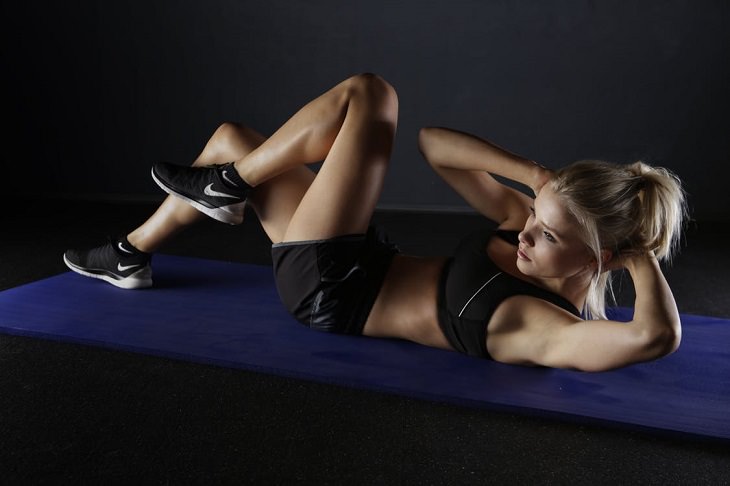
Areas women must strengthen: Woman doing sit-ups
Disadvantages for Women in Muscle Health 
With age, women's muscles wear out faster than men's, for several reasons. Firstly, compared to men, women have fewer muscles, and their bodies find it harder to rebuild them, so they can't afford to lose what already exists. Additionally, it's important to consider that as we age, women find it more difficult to break down food into proteins, an important component that helps in building bones and tissues in the body. So how can we strengthen our muscles, prevent their wear and tear at a young age, and mainly avoid pain when performing simple actions? Basically, you can wait a few years and start strengthening the body only when you start feeling pain, but to get a good muscle network that will reduce the risk of such a situation occurring, it is advisable to start training the following 4 areas right now.
Areas women must strengthen: Woman running at sunset
1. Upper Body 
 
 Why is it important? 
 
As we age, we push or lift objects less, a situation that leads to the wear and tear of muscles such as the trapezius, deltoid, biceps, and triceps. As a result, we may suffer from neck tension, as well as difficulties in carrying grocery bags or lifting grandchildren for a hug - a task many grandmothers are likely familiar with. To avoid such a situation, it is recommended to do push-ups on the wall or the floor. 
 
Exercises to strengthen the area - Wall Push-Ups
Stand in front of a wall, 3-4 steps away from it. 
 
Spread your feet shoulder-width apart. 
 
Place your palms on the wall, at chest height and slightly wider than shoulder-width apart. 
 
Stand on the balls of your feet. 
 
Bring your upper body closer to the wall, and after a second move away again. 
 
Do 10 push-ups a day - they can also be done on the floor.


2. Core Muscles   
 
Why is it important? 
 
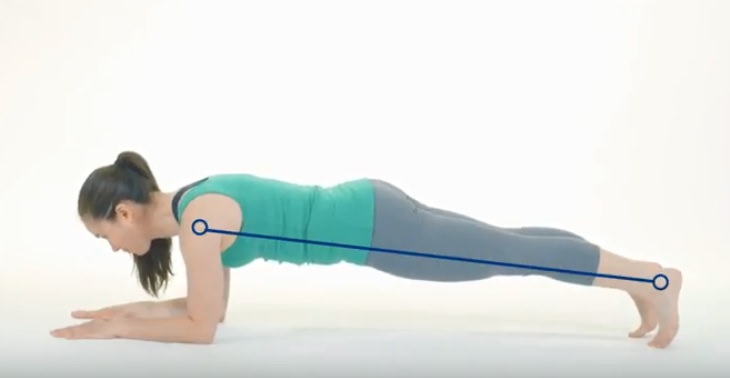
Usually, when we talk about core muscles, we first think of the abdominal muscles, which many of us refer to as "abs." However, there are many more layers of muscles worth building and strengthening, such as the external and internal obliques, and many others that can help us in daily functioning. Their development can prevent tension in the area, along with pain caused by lifting or carrying heavy loads that strain the lower back. Therefore, developing the upper body will not only help you develop important abdominal muscles and their surroundings but also avoid nagging back pain, which can bother you when performing simple tasks like sitting or walking. A great way to develop core muscles is with a plank, like the one we'll present now. 
 
Exercise to strengthen the area - Forearm Plank

Areas women must strengthen: Woman doing plank
Lie on the floor with your face down, with your arms folded forward, palms resting on the floor, elbows at your sides, and you are leaning on your forearms. 
 
Lift your upper body, continuing to lean on your forearms. 
 
Lean on your toes, lifting your knees and buttocks so that your body is straight from shoulders to heels. 
 
Stay in this position for 10-30 seconds, depending on your ability. Repeat this exercise every day.


3. Pelvic Floor Muscles 
 
Why is it important?  
 
Many of us train the thighs and pelvic area to achieve a toned look and to fit into certain size pants, but it turns out that we should do so for another reason. According to experts, it is important to strengthen the pelvic floor muscles, which connect the pubic bone to the tailbone, to maintain bladder and bowel function, as well as satisfying sex life, and to support the areas around the pelvis, such as those that weaken after childbirth. 
 
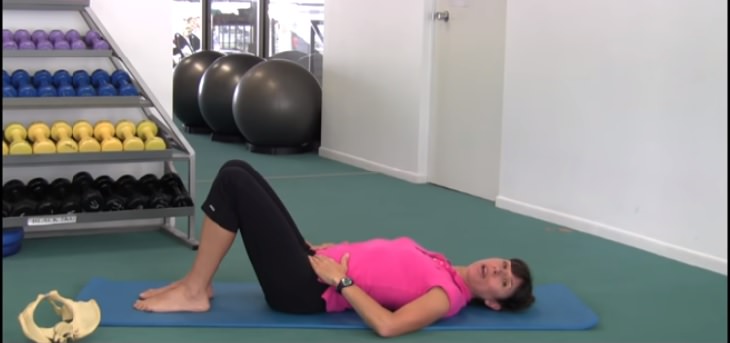
Exercise to strengthen the area - Pelvic Floor Muscle Strengthening Exercises
 
Areas women must strengthen: Woman doing pelvic floor muscle strengthening exercise
Lie on your back, bend your knees, and rest your feet on the floor. 
Place your hands on your lower abdominal muscles as shown in the picture, and apply slight pressure to the area. 
Stay in this position for 5 seconds, then release. 
Repeat this for 10 times. 
Do this exercise twice a day.

4. Knees 
 
Why is it important?  
 
Many of us don't think about knee exercises at a young age, perhaps because there are no muscles in them that can be built and strengthened, but mainly tendons. However, this area does have muscles that are important to train, such as the gluteus maximus and hamstring, which help improve our stability and prevent injuries in these important joints. Additionally, it's worth knowing that our knees are more sensitive than men's, because our hips are wider, so they transfer more weight to these joints. Also, the heels that many of us wear don't contribute much to knee health, as they apply additional pressure directly to this area. Therefore, it's worth starting to train your knees now, to avoid unnecessary pain later on, and a great way to do this is with a leg curl as we will now present. 
 
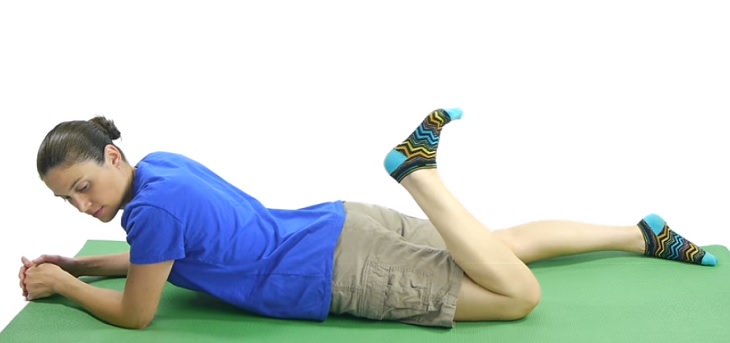
Exercise to strengthen the area - Leg Curl
 
Areas women must strengthen: Woman doing leg curl exercise
Lie on your stomach, straighten your legs back and lean on your forearms. 
 
Bend your right leg, bringing the heel towards the buttocks - as much as you can. 
 
Note that the foot should be perpendicular to the shin. 
 
Stay in this position for a second, then slowly return the leg to its place. 
 
Repeat the exercise with your left leg. 
 
Do the exercise 10 times for each leg, every day. 
 
A Few Final Words... 
As mentioned, many of us go to the gym to tone our bodies, and some do so as part of a healthy lifestyle they have adopted for themselves. Today, we gave you another reason to start exercising, and mainly to strengthen the body in areas that need it and that many of us neglect. If you want to keep your body and avoid injuries and pain, don't neglect yourself and start taking action. Remember that even if you don't see damage today, it may appear in a few years, and then you'll regret not acting sooner. Prevent the problem in advance, and who knows, you might even enjoy it...


This is only for your information, kindly take the advice of your doctor for medicines, exercises and so on.   


Labels: , , , ,

Friday, March 17, 2023

Easy Exercises to Improve Blood Flow in the Body

When varicose veins appear in the feet, nails become weak, and hair loss occurs, these are indications that blood circulation is problematic. Proper blood flow is essential for carrying oxygen and nutrients to various body organs and removing toxins. Restricted blood flow can lead to various medical problems that can harm the body's systems and general well-being. If you strain certain muscles during the day or sit in front of the computer for long hours, it can impair blood flow to certain organs. To alleviate this problem, exercises, and stretches designed for different body parts can help improve blood flow, alleviate pain, and promote overall well-being. A feeling of coldness in the palms can also suggest blood circulation issues that can be addressed through exercise and stretches.

Blood Flow Exercises

1. Improving blood flow in the hands 
 Blood Flow Exercises
When blood circulation to the hand area is poor, it can cause discomfort or pain during daily activities. To regulate blood flow and strengthen hand muscles, the following exercises should be performed daily:

Instructions: 
1. Reach with your hands forward and shake them to increase blood flow. 
 
2. Tightly clench your hands into fists for 10 seconds and repeat 5-6 times. 
 
3. Stretch your fingers apart for a few seconds and repeat 4-5 times. 
 
4. Press the palms against each other or against a hard surface. Repeat this 3-4 times. 
 
5. Finish by massaging the muscles of each palm with the fingers of the other hand. 
 
 
2. Improving blood flow to the feet 
 
Similarly, to improve blood circulation in the feet, exercises can be performed to help regulate blood flow and strengthen foot muscles. These exercises are especially beneficial for individuals who sit for prolonged periods. They can be done barefoot or with soft-soled shoes. 
 
Instructions: 
 
1. The first exercise involves sitting comfortably lifting each leg forward when straight and returning it to its original position. The exercise should be repeated five times for each leg.

Blood Flow Exercises

2. The second exercise involves placing both feet on the ground, lifting and lowering the heel of each foot to increase blood flow to the toes. This exercise should also be repeated five times for each foot.
Blood Flow Exercises
3. Step three of the exercise involves lifting your left leg to a comfortable height with your toes pointing toward the ceiling. Hold this position briefly and then point your toes forward, resembling the starting pose of a ballerina's point. This sequence should be repeated five times for each foot.
Blood Flow Exercises
4. Rotate your foot in clockwise and counterclockwise circles while holding it up in the air. Complete 10 rotations in each direction for both feet. 
 
 
3. Improving blood flow to the head and feet 
 
The following exercise is very effective for improving blood circulation and relieving strain in many organs in the body: it improves blood flow to the head and hair, as well as to the area of ​​the legs that hardly move if you sit for most of the day, and above all allows the heart to rest, since it does not have to circulate the blood against gravity to the head. There are two options for performing the exercise, so if you haven't done a candle stand lately, you should try and perform the exercise with your legs resting against a wall, and only later hold them in the air by yourself. 
 Blood Flow Exercises
Instructions: 
1. Lie on your back, fold your legs, and press them to your buttocks. 
 
2. For the next step, lift your legs and buttocks off the floor, so that your feet point towards the ceiling, and bring your chin closer to your chest. Avoid turning your head in order not to injure yourself. 
 
3. Use your hands to support your lower back, and take deep breaths. 
 
4. Stay in the position as long as you feel comfortable, up to 5 minutes.


4. The downward-facing dog position improves blood flow to the spine, brain, and limbs 
 
This exercise is an "inverted exercise" which places the body in a position it is not used to. The manner of standing increases the blood flow to the spine area and is therefore very beneficial for those suffering from back pain, and also allows better blood flow to the brain and limbs. 
 Blood Flow Exercises
 Instructions: 
 
1. Start in a six-legged position on the floor, then slowly straighten your legs and arms, while lifting your buttocks up. 
 
2. Be sure to keep your hands shoulder-width apart and your feet hip-width apart. 
 
3. Try to push the floor as much as possible with your hands and feet without moving, and feel how your spine lengthens. 
 
4. Stay in this position for about 30 seconds.


5. Triangle stretch to improve blood flow to the upper body and legs  
 
The following stretch will help you improve blood flow to your leg muscles, as well as your upper body. It doesn't strain the back muscles or over-activate them. 
Blood Flow Exercises
 Instructions: 
 
1. Begin by standing straight with your legs spread apart, with one leg turned to the side and the other leg extended. 
 
2. Stretch your right arm upwards and simultaneously reach down with your left hand to touch the floor. 
 
3. Hold this position for a few seconds, and repeat it four more times.
 
4. Switch your legs and perform five more stretches with your left hand up and your right hand down.


6. Cat-cow stretch to improve blood flow to the back, chest, neck, and head 
 
To improve blood flow to the back, chest, neck, and head, end the exercise sequence with the cat-cow position. This pose is particularly helpful for individuals who experience back or neck pain or spend prolonged periods sitting.
Blood Flow Exercises
Instructions: 
 
1. Start on all fours with your arms straight, legs bent, and hips spaced hip-width apart. 
 
2. The second step of the exercise involves inhaling and transitioning into the cat pose. This involves lifting your head without removing your hands from the floor, while simultaneously pulling up your chest and arching your lower back. 
 
3. The third step requires exhaling and moving into the cow position, where you lower your head as far as possible without bending your arms while arching your lower back and lowering your buttocks.
 
4. Repeat both parts of this exercise 10 times.

This is only for your information, kindly take the advice of your doctor for medicines, exercises and so on.  

https://gscrochetdesigns.blogspot.com. one can see my crochet creations  
https://gseasyrecipes.blogspot.com. feel free to view for easy, simple and healthy recipes    
https://kneereplacement-stickclub.blogspot.com. for info on knee replacement
https://GSiyers home remedies.blogspot.com     is my latest addition to my blogs. I'm going to add posts there, do give me your valuable feed back on my blogs. Thanks a lot, take care, be healthy and be happy. 

Labels: , , , , , , , , , , , ,

Tuesday, May 05, 2020

Myths About Boosting Your Immune System To Take Note Of

The world is currently grappling with the ongoing coronavirus pandemic. All of us are trying to stay safe and are finding ways to protect ourselves from this deadly virus. Focusing on improving our immune system is being touted as one of the best ways to safeguard our body against the attack of the novel coronavirus at present. This has expectedly led to a sudden surge in people trying out different ways to boost their immunity.

While being healthy and developing good immunity will certainly be helpful in these circumstances, there is a lot of misinformation surrounding the immune system that needs to be countered. Here, we separate fact from fiction and bring out some of the most prominent myths about the immune system you shouldn’t fall prey to.


Myth 1. Eating garlic will help protect you from a viral infection

Garlic is good for your health, undoubtedly. It is highly nutritious and is known to improve cholesterol levels. However, there is a long-standing myth associated with this food as well - that eating garlic will prevent viral infection in our bodies. That is untrue, though.

"There are a few lab studies that show that garlic extract can partially inhibit the replication of the virus in cells," says Gary Linkov, MD. That being said, there is hardly any comprehensive proof to suggest that garlic will prevent viral infections, and certainly not something as potent as the novel coronavirus. Until we get more evidence from studies, we must not depend on garlic to save us from any viral infection. In fact, the World Health Organization has clearly stated on its website that "there is no evidence from the current outbreak that eating garlic has protected people from the new coronavirus."


Myth 2. The immune system is centralized in your upper body
Getting a cough, runny nose, or headache are some of the first symptoms we associate with coming down with the flu. It is because of this notion that we have generally assumed that our immune system is primarily centralized in our upper body. The truth, however, is that a lot of our bodily organs and mechanisms are involved in making the immune system - from the bone marrow to our bowels. In fact, there are multiple systems that are integral to the immune system. That is the reason the gut and microbiome are important, along with the lymphatic system to properly develop a robust immune system.
 

Myth 3. Eating sugar won’t affect your immune system
Eating or drinking too much sugar inhibits the immune system cells that attack bacteria. The effect of a sugary drink, in fact, lasts for a couple of hours. For instance, a 12-ounce (354.8 ml) soda will suppress your immunity by 30 percent for at least 3 hours. The suppression of the immune system starts about 30 minutes after you have consumed sugar and can last up to 5 hours.

“What we do know is that diabetes appears to be common in people confirmed to have COVID-19,” notes Nate Favini, medical lead at Forward. “This suggests that having higher levels of sugars in your blood could make it easier to contract COVID-19.” Thus, if sugar is a big part of your diet, it can be weakening your immune system right now. In these times, especially, when most of us are quarantined at home, it is easy to eat that extra candy or cake as a night-time snack. The wise thing to do would be to limit your sugar intake as much as possible right now.


Myth 4. Supplements will help keep your immune system safe

Supplements have become quite popular these days. Many people depend on a variety of supplements to help them ward off colds and the flu. There are certain supplements like elderberry, astragalus, and Echinacea that are believed to boost your immune system. But a lot of experts do not agree.

"Unfortunately, the reality is that those kinds of products aren't really offering you any benefit," says Michael Starnbach, a professor of microbiology at Harvard Medical School. "There's no evidence that they help in fighting disease." Likewise, no evidence suggests that Vitamin C supplements can help prevent COVID-19, say some noted health experts.

Supplemented vitamins are usually quite an overkill according to experts. This is because our bodies are unable to absorb more than a few hundred micrograms per day. Thus, it is vital to understand that there is no one pill that can boost your immune system. The best thing to do is to talk to your physician and see what they recommend according to your needs.


Myth 5. Lack of sleep won’t affect your immune system
There are many of us who don’t sleep well. Lack of sleep, though, has been linked to several mental and physical health problems. This includes issues arising from an impaired immune system. Our immune system is made up of several types of cells and proteins that help in keeping colds or the flu at bay. Not many would know this, but sleep affects almost every type of tissue and system in the body. Thus, when we don’t get proper sleep, our immunity is adversely affected.

“A lot of studies show our T-cells go down if we are sleep deprived,” says Diwakar Balachandran, MD, director of the Sleep Center at the University of Texas. “And inflammatory cytokines go up. This could potentially lead to a greater risk of developing a cold or flu.”

In simpler words, lack of sleep suppresses the functioning of the immune system. It also decreases your body's production of cytokines (a large group of proteins that mediate and regulate immunity) which can make you more susceptible to illness.
 

Myth 6. Over-exercising can boost your immune system

Exercise is good for our body, of course. But will over-exercising help in building our immunity? Experts say that working out vigorously, especially if you are not feeling well, can actually increase your risk of infection by 3-6 times. On the other hand, moderate activity like walking for 20-40 minutes will help you reduce the risk of upper respiratory infections by as much as 50 percent. Thus, if you are not feeling in the best of health, don’t overexert yourself. Rather, try a lighter workout to be on the safer side.


Myth 7. Antibacterial foods can help your immune system

When we fall sick, there are plenty of natural antibacterial food items that are recommended to us. Honey, turmeric, coconut oil, and chicken soup, along with a few others, are some of the common food items that we tend to try when we are down with fever. We have been made to believe that these foods can help your immune system combat infections. While it is true that some food items that are rich in Vitamin C can help your overall health, it would be unwise to depend on any food blindly for enhancing your body's immunity.

"Research is still ongoing on the topic, but there is no evidence of the actual immune-boosting effect from these (antibacterial) foods," says Dimitar Marinov, MD.

So while there is no harm in having your antibacterial foods regularly, don’t expect them to work wonders on your immunity.


Myth 8. Stress doesn’t have any effect on your immunity system

Stress has become a normal part of our day-to-day life. So much so, that we often don’t stop and think how much harm it can cause our body, including our immune system. Ongoing stress can make you susceptible to illness and disease. This is because the brain sends defense signals to the endocrine system, which goes on to releases a series of hormones that gravely suppress our immunity.

Many experts have observed that stress is responsible for almost 90 percent of all illnesses and diseases. Excessive stress triggers chemical reactions in our body and floods it with cortisol that is known to be the chief reason behind anxiety, high blood pressure, stroke and the fight-or-flight response (also called hyperarousal, or the acute stress response). Stress also decreases the body's white blood cells and thus puts us at more risks for viruses.
 

This is only for your information, kindly take the advice of your doctor for medicines, exercises and so on.     

https://gscrochetdesigns.blogspot.com. one can see my crochet creations  
https://gseasyrecipes.blogspot.com. feel free to view for easy, simple and healthy recipes    
https://kneereplacement-stickclub.blogspot.com. for info on knee replacement

Labels: , , , , , , , , , , , , , ,

Sunday, September 29, 2019

Control hypertension to stop your heart suffering silently

A heart attack is a medical emergency. However, there are conditions where your heart suffers an attack and yet can remain unrecognised. Known as ‘silent heart attack’, such developments can become more fatal than an actual attack as it does not make you aware of the increased risk of heart attack in future. Also known as silent myocardial infarction (SMI), it accounts for 45 per cent of total heart attacks and affect more men than women.Researchers have found that the risk of having a silent attack is associated with hypertension – it is one of the most prominent risk factors that may facilitate heart attack. An ideal blood pressure would remain between 90/60mmHG and 120/80mmHG; anything above 140/90mmHg is high blood pressure. In Rajasthan, nearly 7 per cent women and 12 per cent men aged between 15 and 49 have high to very high blood pressure. It will not be wrong to suggest that even if they do not have the other risk factors such as consumption of tobacco, diabetes, obesity, or cholesterol, these men and women are at an increased risk of getting a silent heart attack as they age.

High blood pressure and silent heart attack

 
What we eat and how we use the calories we take make a lot of difference in maintaining our heart health. Our modern, urban lifestyle makes way for food that is high in calorie but low in nutrient due to increased amount of refined flour, sugar, salt, and trans-fat. Besides, most of people live a sedentary life with low physical movement and exercises. As a result, there is a sustain build-up of fat, cholesterol, and other substances (together known as plaque) in the arteries that gradually narrows the arteries. This causes excess strain on the arteries resulting in its damage, a development known as atherosclerosis. As plaques harden the arteries, blood clots become more likely. If blood clots or plaque block the artery, the flow of blood through the heart muscle is interrupted, depriving the muscle of oxygen and nutrients. The resultant damage or death of part of the heart muscle causes a heart attack (also known as myocardial infarction or MI). In case of a silent attack, the unidentified scarring and damage to the heart puts the person at greater risk of other heart problems. In absence of treatment, the condition may continue disrupting blood flow to the heart, so the impact could potentially be greater.


Warning signs and preventive measures
It is not true that silent heart attacks are asymptomatic – some people have symptoms, but they just do not recognize the sensations coming from their heart. The symptoms can be mild and brief, and hence, many often confuse them for regular discomfort or another less serious problem, and ignore them. The two most common problems reported are indigestion and muscle pain, where the actual cause is reduced blood flow to the heart. People may also experience nausea or excessive sweating during a heart attack which are categorised as atypical symptoms. 


In case you have any of the risk factors for heart attack, seek immediate medical attention if you experience one or more of the following:
 
1) Discomfort in the centre of the chest for several minutes, or intermittent (goes away and comes back). It can feel like an uncomfortable pressure, squeezing, or pain.

 
2) Discomfort in other upper-body, such as arms, the neck, the back, the jaw, or the stomach.


3)  Shortness of breath before or during discomfort.

 
4) Breaking out in a cold sweat, feeling nauseated or lightheaded.


Prevention mechanisms involve health screening to identify any existing artery blockages, and getting rid of any risk factors such as diabetes, high blood pressure, high cholesterol, obesity, and smoking through dietary and lifestyle changes. Dietary Approaches to Stop Hypertension (DASH), an eating plan to lower or control high blood pressure, can be a good starting point. Besides, just 20 minutes of exercise a day can significantly reduce your risk since sedentary increases the risk of death almost 3 times compared to being overweight but active.


this is only for your information, kindly take the advice of your doctor for medicines, exercises and so on.   
https://gscrochetdesigns.blogspot.com. one can see my crochet creations 
 

https://gseasyrecipes.blogspot.com. feel free to view for easy, simple and healthy recipes    
https://kneereplacement-stickclub.blogspot.com. for info on knee replacement


Labels: , , , , , , , , , , , , , , ,

Saturday, August 17, 2019

Research shows how nordic walking may benefit breast cancer patients


Nordic walking, an aerobic activity performed with walking poles similar to ski poles, may benefit patients with breast cancer, according to a review of existing research.

The low-impact exercise improved swelling, physical fitness, disability and quality of life, the study authors conclude.

“The main strategy in rehabilitation for women with breast cancer is a change of habits, where physical exercise is a fundamental tool,” said study co-author.

“It’s not easy to turn a sedentary person into an amateur athlete, so sports such as Nordic walking are accepted more easily,” the author told, particularly since the activity doesn’t require expensive equipment, can be done in a group with others, and is easy to learn.

Introduced in the 1980s as a summer training exercise that was similar to cross-country, or Nordic, skiing, Nordic walking became more widespread in the 2000s. It’s now part of some exercise-based rehabilitation programs, especially in Northern Europe where it is more common, he noted.

He also owns a personal training company,  that creates physical activity programs for people with specific needs, including injuries, obesity, pregnancy, postpartum and women with breast cancer, and he specializes in Nordic walking training.

To see if this form of exercise helps women treated for breast cancer to reduce side effects like arm swelling, and offers other benefits of exercise, the researchers analyzed nine studies. Four studies were randomized controlled trials comparing Nordic walking to other activities; the other studies focused on specific effects of Nordic walking.

Periods of exercise in the studies ranged from 30 to 80 minutes and were performed on one to five days a week for up to 12 weeks.

In eight of the nine studies, Nordic walking had a positive effect on a number of breast cancer symptoms, including lymphedema, fitness, upper-body strength, disability and perceptions of pain and swelling.

A handful of studies also showed improvements in depression, self-efficacy for managing pain and improvements in physical activity levels. They didn’t find any adverse effects, and the study participants seemed to stick with the programs.

The biomechanical gesture of Nordic walking, compared to just walking, seemed to counteract some of the side effects that can come from cancer treatment, such as shoulder-arm mobility and postural problems, the study team writes.

“(Many) health professionals and therapists do not realize that there are contraindicated exercises during breast cancer rehabilitation and that alternatives such as Nordic walking can be very effective,” he said.

“Nordic walking is a structured form of physical activity which nowadays has been shown to be ‘more complete’ than basic walking,” said a researcher, who wasn’t involved in the research review.

“Another important point that is less stressed by these authors: quality of life,” he said in an email. “Nordic walking gives huge benefits because breast cancer patients are survivors, and from a socio-psychological point of view, that really impacts their life.”

Future studies should also investigate the intensity, frequency, duration, and length of exercise needed to help breast cancer patients, said another researcher, who also wasn’t involved in the review.

“What is most evident is the growing interest of the scientific community in tracking the needs, interests and preferences of patients,” he said by email.

“Offering them novel forms of physical activity that are both effective and engaging has become one of the new and stimulating research fields in cancer therapy and management.”


THIS IS ONLY FOR INFORMATION, ALWAYS CONSULT YOU PHYSICIAN BEFORE HAVING ANY PARTICULAR FOOD/ MEDICATION/EXERCISE/OTHER REMEDIES.                                    PS- THOSE INTERESTED IN RECIPES ARE FREE TO  VIEW MY BLOG-                                                                                           https://gseasyrecipes.blogspot.com/                                                                                                                                                FOR INFO ABOUT KNEE REPLACEMENT, YOU CAN VIEW MY BLOG-                                                                       https:// kneereplacement-stickclub.blogspot.com/                                                                                                                     FOR CROCHET DESIGNS                                                                                                   
                                https://gscrochetdesigns.blogspot.com


Labels: , , , , , , , ,