Sunday, April 03, 2022

4 health conditions that can make you more prone to heart attack

Know the risk factors of a heart attack
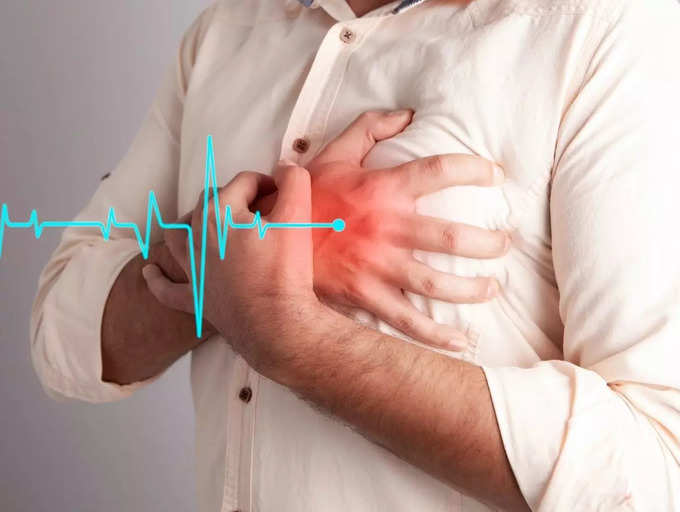
Cardiovascular diseases (CVDs) have become a major source of concern in India and across the globe. According to the World Health Organization (WHO), heart-related diseases are the leading cause of death globally. An estimated 17.9 million people died from CVDs in 2019, of which 85 percent were due to heart attack and stroke, says the global health agency.

Heart attacks and cardiac arrest are some of the most common types of CVDs that are not only severe but can be life threatening. It refers to a blockage formed within the arteries that stops the flow of the blood to the heart. Without the blood, the heart can't get enough oxygen, causing damage to the heart muscles.

In recent times, many people, including young individuals are becoming more prone to heart attacks, which is highly concerning. While many just reduce the risk by certain lifestyle changes, there are certain health conditions you must take note of, which may be adding to your risk of a heart attack.

High blood pressure
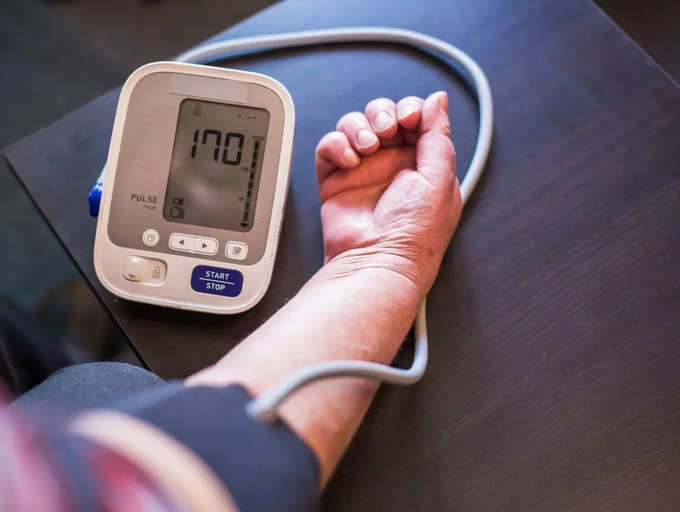
High blood pressure or hypertension is a condition that occurs when the force of the blood against the artery walls and other blood vessels is too high, causing the flow of the blood and oxygen to the heart to decrease. This in turn compels the heart to work harder to pump blood to the rest of the body, leading to the thickening of the left ventricle, which can increase your chances of heart diseases like heart attack, heart failure and cardiac arrest.

Normally, a high BP is defined as blood pressure above 140/90, and is considered severe if the pressure goes beyond 180/120. It is often known as a 'silent killer', since it comes with no symptoms.

Unhealthy levels of "bad" LDL cholesterol

There are two types of blood cholesterol: LDL (low-density lipoprotein) cholesterol and HDL (high-density lipoprotein) cholesterol. LDL cholesterol, also known as "bad" cholesterol, causes plaque buildup in your arteries, which is dangerous for the heart. Increases in bad cholesterol in the arteries can narrow down the blood vessels, decreasing the blood flow to the heart, brain, kidneys, and other parts of the body. On the other hand HDL or the "good" cholesterol helps prevent various heart diseases.

Obesity

Being overweight is another condition that can increase your risk of heart attack and other cardiovascular diseases. According to the Centers for Disease Control and Prevention (CDC), "Obesity is linked to higher “bad” cholesterol and triglyceride levels and to lower “good” cholesterol levels. Obesity can lead to high blood pressure and diabetes as well as heart disease." This suggests that obesity can be a root of many chronic health ailments, which is why one must maintain a healthy weight.

High blood sugar levels or diabetes

High blood sugar levels can damage, contract and narrow down the arteries in the long run. This happens because diabetes causes sugar build-up in the blood, since your body cannot use all the sugar present. Hence blocking and damaging the blood vessels that carry blood to and from the heart.

Signs of heart attack to watch out for

According to American Heart Association (AHA), warning signs and symptoms of heart attack include:

- Chest pain and discomfort

- Shortness of breath

- Pain and discomfort in the upper body including one or both arms, the back, neck, jaw or stomach.

- Cold sweat or light-headedness

On the onset of such symptoms, contact your nearest hospital immediately. 

This is only for your information, kindly take the advice of your doctor for medicines, exercises and so on.   

https://gscrochetdesigns.blogspot.com. one can see my crochet creations  
https://gseasyrecipes.blogspot.com. feel free to view for easy, simple and healthy recipes    
https://kneereplacement-stickclub.blogspot.com. for info on knee replacement


Labels: , , , , , , , , , , , , , ,

Sunday, September 29, 2019

Control hypertension to stop your heart suffering silently

A heart attack is a medical emergency. However, there are conditions where your heart suffers an attack and yet can remain unrecognised. Known as ‘silent heart attack’, such developments can become more fatal than an actual attack as it does not make you aware of the increased risk of heart attack in future. Also known as silent myocardial infarction (SMI), it accounts for 45 per cent of total heart attacks and affect more men than women.Researchers have found that the risk of having a silent attack is associated with hypertension – it is one of the most prominent risk factors that may facilitate heart attack. An ideal blood pressure would remain between 90/60mmHG and 120/80mmHG; anything above 140/90mmHg is high blood pressure. In Rajasthan, nearly 7 per cent women and 12 per cent men aged between 15 and 49 have high to very high blood pressure. It will not be wrong to suggest that even if they do not have the other risk factors such as consumption of tobacco, diabetes, obesity, or cholesterol, these men and women are at an increased risk of getting a silent heart attack as they age.

High blood pressure and silent heart attack

 
What we eat and how we use the calories we take make a lot of difference in maintaining our heart health. Our modern, urban lifestyle makes way for food that is high in calorie but low in nutrient due to increased amount of refined flour, sugar, salt, and trans-fat. Besides, most of people live a sedentary life with low physical movement and exercises. As a result, there is a sustain build-up of fat, cholesterol, and other substances (together known as plaque) in the arteries that gradually narrows the arteries. This causes excess strain on the arteries resulting in its damage, a development known as atherosclerosis. As plaques harden the arteries, blood clots become more likely. If blood clots or plaque block the artery, the flow of blood through the heart muscle is interrupted, depriving the muscle of oxygen and nutrients. The resultant damage or death of part of the heart muscle causes a heart attack (also known as myocardial infarction or MI). In case of a silent attack, the unidentified scarring and damage to the heart puts the person at greater risk of other heart problems. In absence of treatment, the condition may continue disrupting blood flow to the heart, so the impact could potentially be greater.


Warning signs and preventive measures
It is not true that silent heart attacks are asymptomatic – some people have symptoms, but they just do not recognize the sensations coming from their heart. The symptoms can be mild and brief, and hence, many often confuse them for regular discomfort or another less serious problem, and ignore them. The two most common problems reported are indigestion and muscle pain, where the actual cause is reduced blood flow to the heart. People may also experience nausea or excessive sweating during a heart attack which are categorised as atypical symptoms. 


In case you have any of the risk factors for heart attack, seek immediate medical attention if you experience one or more of the following:
 
1) Discomfort in the centre of the chest for several minutes, or intermittent (goes away and comes back). It can feel like an uncomfortable pressure, squeezing, or pain.

 
2) Discomfort in other upper-body, such as arms, the neck, the back, the jaw, or the stomach.


3)  Shortness of breath before or during discomfort.

 
4) Breaking out in a cold sweat, feeling nauseated or lightheaded.


Prevention mechanisms involve health screening to identify any existing artery blockages, and getting rid of any risk factors such as diabetes, high blood pressure, high cholesterol, obesity, and smoking through dietary and lifestyle changes. Dietary Approaches to Stop Hypertension (DASH), an eating plan to lower or control high blood pressure, can be a good starting point. Besides, just 20 minutes of exercise a day can significantly reduce your risk since sedentary increases the risk of death almost 3 times compared to being overweight but active.


this is only for your information, kindly take the advice of your doctor for medicines, exercises and so on.   
https://gscrochetdesigns.blogspot.com. one can see my crochet creations 
 

https://gseasyrecipes.blogspot.com. feel free to view for easy, simple and healthy recipes    
https://kneereplacement-stickclub.blogspot.com. for info on knee replacement


Labels: , , , , , , , , , , , , , , ,

Wednesday, December 06, 2017

This innovative test may detect symptoms of heart disease in older adults

An innovative approach – blood-based precision medicine test – can be helpful in detecting early symptoms of heart disease in older outpatients. According to researchers, a blood-based precision medicine test incorporating age, sex and gene expression score (ASGES) was helpful in evaluating older outpatients with symptoms suggestive of obstructive coronary artery disease(CAD). In the study of 176 stable, non-acute outpatients presenting with symptoms suggestive of obstructive CAD who were aged 65 and older, The participants with low scores with low likelihood of obstructive CAD were referred for further evaluation at low rates, whereas those with higher scores had higher rates of referral to cardiology and advanced cardiovascular tests.

After one year follow-up, the incidence of major adverse cardiovascular events or revascularisation was higher in participants with high ASGES than in those with low ASGES (10 percent versus 0 percent). However, here are a few symptoms of heart diseases that you should know.
1. Shortness of breath (dyspnoea): Breathlessness is commonly experienced by patients with heart failure. It is also a warning sign of heart attack.
2. Chest pain: Chest pain (angina) is a classic symptom of heart attack and coronary artery disease (CAD). In some cases, chest pain is associated with inflammation of the tissue covering the heart (pericardium).
3. Swelling of feet: Swelling in the feet and ankles is seen in people with congestive heart failure where the blood pumping capacity of the heart reduces.
4. Cold sweat: A person who is likely to get a heart attack sooner may start sweating profusely without any physical exertion.
5. Tiredness or fatigue: It is one of the common symptoms of heart failure and heart attack in women is unexplained overall weakness and fatigue. Fatigue is also common in the elderly population or people with diabetes who suffer from heart disease.
If you have any of the above signs, you should consult a cardiologist and get your heart check up done before any complication arises.


THIS IS ONLY FOR INFORMATION, ALWAYS CONSULT YOU PHYSICIAN BEFORE HAVING ANY PARTICULAR FOOD/ MEDICATION/EXERCISE/OTHER REMEDIES.   

PS- THOSE INTERESTED IN RECIPES ARE FREE TO VIEW MY BLOG-                      

HTTP:GSEASYRECIPES.BLOGSPOT.COM/
FOR INFO ABOUT KNEE REPLACEMENT, YOU CAN VIEW MY BLOG-                                                                       
HTTP://KNEE REPLACEMENT-STICK CLUB.BLOGSPOT.COM/
FOR CROCHET DESIGNS

HTTP://MY CROCHET CREATIONS.BLOGSPOT.COM

Labels: , , , , ,