Sunday, October 17, 2021

Read This Before You Start Using Aspirin to Prevent Stroke

You will find a bottle of these pills in virtually every household in the country. We’re talking about aspirin - a medication used by millions every day. While taking the occasional aspirin to stop a headache is safe for most people, the practice of taking a small daily dose of aspirin, or so-called baby aspirin, is under fire, again. 
 
A government-backed panel of US health officials called the US Preventive Services Task Force will change guidelines about using baby aspirin to ward off cardiovascular issues, and posted the new guidelines for public comments earlier this week. Everyone who’s older than 40 should know about these new recommendations. 
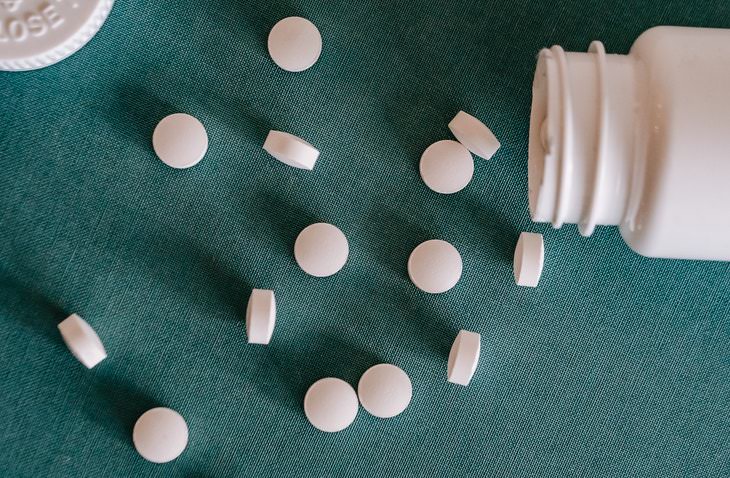
Taking Aspirin to Prevent Stroke bottle and pills
Did you know that nearly half of Americans past age 70 take a daily small dose of aspirin to prevent stroke and heart disease? Some people were recommended to start taking aspirin by their doctor, and others added it to their daily regimen on their own accord. 
 
Whatever the case may be, baby aspirin has become a widespread and almost routine preventative practice. And we get it. The appeal of averting the leading cause of death with one pill available over the counter is difficult to resist. After all, the heart disease crisis accounts for 1 out of 4 deaths in the US every year according to the CDC. 
 
The only problem is that taking aspirin is not as effective as you may think. In fact, in many cases, it’s dangerous.

According to US Preventive Services Task Force’s guidelines, adults over 60 should NOT start taking aspirin to prevent heart disease and stroke. The health risks associated with daily aspirin use are too substantial to keep recommending it to patients. 
 
“The most serious potential harm is bleeding in the stomach, intestines, and brain. The chance of bleeding increases with age and can be life-threatening,” according to the task force. This is consistent with previous findings that clearly show how the risk of internal hemorrhage and even death increase in patients who take baby aspirin. 
 
We review the findings of three large studies on this topic here, and the task force lists information and references that support this claim on their website.

The changing guidelines also review adults in the age group between 40 to 59 who also have a higher risk of cardiovascular disease. They point out that there may be a small benefit of aspirin use for people in this age range, but only for people who are not at increased risk for bleeding. 
 
In addition, it’s important to note that these guidelines do not apply to those who already had a heart attack or stroke, as well as those who are already taking low-dose aspirin. If you’re currently taking aspirin but you’re concerned about the increased risk of internal bleeding, seek your doctor’s help. 
 
In summary, those who are 60 or older and thinking about starting aspirin for cardiovascular disease prevention should hold off on their decision and consult a doctor before they do so. This is due to an increased risk of internal hemorrhages associated with the daily use of aspirin.


This is only for your information, kindly take the advice of your doctor for medicines, exercises and so on.   

https://gscrochetdesigns.blogspot.com. one can see my crochet creations  
https://gseasyrecipes.blogspot.com. feel free to view for easy, simple and healthy recipes    
https://kneereplacement-stickclub.blogspot.com. for info on knee replacement

Labels: , , , , , , ,

Sunday, July 05, 2020

Taking Calcium and Vitamin D Supplements Together Could Increase Your Risk of Having a Stroke


Research published yesterday announced that taking calcium and vitamin D supplements together might increase your risk of having a stroke. This finding was published in a review of what’s currently known about the effects of supplements on our health.


The review prompted some scary headlines considering more than half of Americans take a dietary supplement of some sort, and calcium and vitamin D are among the most common.

Research previously published found that 37% of Americans took vitamin D and 43% took a calcium supplement.


Why do we need calcium?

Ninety-nine percent of the body’s calcium supply can be found in one’s teeth and bones. Calcium allows your blood to clot and your muscles to contract in addition to keeping your bones healthy.


Women 50 years old and younger need to consume 1,000 milligrams of calcium each day, according to the National Osteoporosis Foundation. Women 51 and up need to add another 200 milligrams to that.

Dairy products, including cheese, milk, and yogurt, have high levels of calcium.


Why do we need vitamin D?

Vitamin D, which is important for children and adults, also plays a part in protecting bones and helps support your muscles. Without adequate levels of vitamin D, you have an increased risk of breaking bones as you get older, the National Osteoporosis Foundation says.


Among the most popular ways to get vitamin D is going outside. When sunlight reaches your skin, your body makes vitamin D and stores it. Additionally, you can get it from fatty fish, including wild-caught mackerel, tuna, and salmon. Vitamin D can also be found in orange juice, fortified cereals, soymilk, and dairy products, including milk.

What does the new research say?

This isn’t the first time the combination of calcium and vitamin D has been the subject of health stories. “It’s been looked at a lot. A few years ago, articles came out that said the same thing,” Stephen Kopecky, MD, a cardiologist at Mayo Clinic, tells Health.


Dr. Kopecky explains that you shouldn’t panic if you’ve been taking vitamin D and calcium supplements together. The authors of the new report looked at previously published evidence concerning how supplements affect our health.


But Dr. Kopecky says many of the studies that have looked at the use of vitamin D and calcium supplements rely on follow-up data that lacks precision. If a study participant died before the data was gathered, for example, his or her family member ended up filling out a questionnaire about their deceased relative’s health. Questionnaires are, of course, subject to human error.


Dr. Kopecky says studies that don’t rely on questionnaires later found that use of calcium and vitamin D supplements did not increase one’s risk of stroke or heart attack. “That has no correlation whatsoever,” he says. (However, a number of factors can increase your risk of having a stroke, including being overweight, binge drinking, and not getting enough exercise.)


He adds that if you’ve been told to take calcium and vitamin D supplements by your doctor, you shouldn’t stop. If you’ve been taking the supplements on the advice of someone else, though, you might want to reevaluate. “I would speak to a caregiver or primary care provider. Say, ‘Do I really need this stuff?’”


How should you be getting vitamin D and calcium?

To reiterate, you shouldn’t stop taking supplements your doctor has recommended just because of this new review. But if you’re worried about your calcium and vitamin D intake, and you currently don’t take either of the supplements, try getting the recommended amount of calcium and vitamin D via lifestyle changes rather than pills, Dr. Kopecky suggests.


“A pill doesn’t make up for our deficient lifestyle. That’s what every study has shown,” he explains.

“It’s always better to get it in your diet if you can. People tend to take supplements to make up for their diet. [Therefore, supplement use] can be a marker of a bad diet.”

This is only for your information, kindly take the advice of your doctor for medicines, exercises and so on.     

https://gscrochetdesigns.blogspot.com. one can see my crochet creations  
https://gseasyrecipes.blogspot.com. feel free to view for easy, simple and healthy recipes    
https://kneereplacement-stickclub.blogspot.com. for info on knee replacement


Labels: , , , , , , , , , , , ,