Easy Exercises to Improve Blood Flow in the Body
When varicose veins appear in the feet,
nails become weak, and hair loss occurs, these are indications that
blood circulation is problematic. Proper blood flow is essential for
carrying oxygen and nutrients to various body organs and removing
toxins. Restricted blood flow can lead to various medical problems that
can harm the body's systems and general well-being. If you strain
certain muscles during the day or sit in front of the computer for long
hours, it can impair blood flow to certain organs. To alleviate this
problem, exercises, and stretches designed for different body parts can
help improve blood flow, alleviate pain, and promote overall well-being.
A feeling of coldness in the palms can also suggest blood circulation
issues that can be addressed through exercise and stretches.
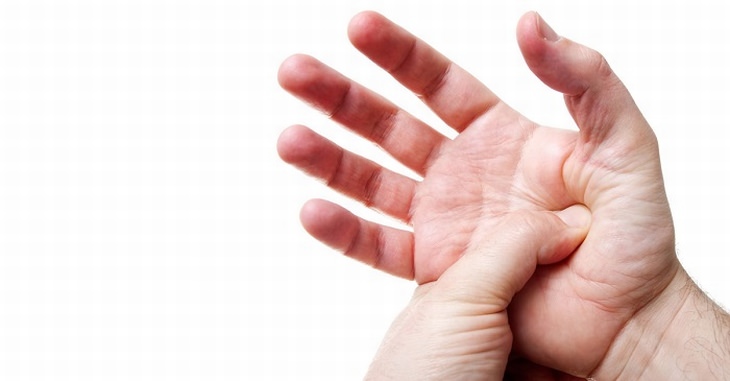
1. Improving blood flow in the hands
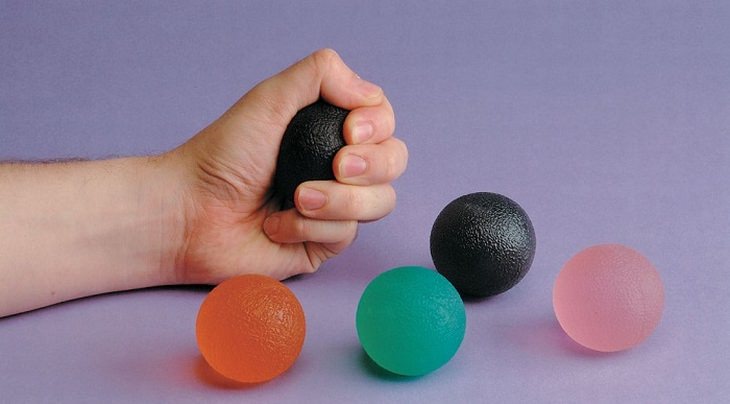
When blood circulation to the hand area is poor, it can cause discomfort
or pain during daily activities. To regulate blood flow and strengthen
hand muscles, the following exercises should be performed daily:
Instructions:
1. Reach with your hands forward and shake them to increase blood flow.
2. Tightly clench your hands into fists for 10 seconds and repeat 5-6
times.
3. Stretch your fingers apart for a few seconds and repeat 4-5 times.
4. Press the palms against each other or against a hard surface. Repeat
this 3-4 times.
5. Finish by massaging the muscles of each palm with the fingers of the
other hand.
2. Improving blood flow to the feet
Similarly, to improve blood circulation in the feet, exercises can be
performed to help regulate blood flow and strengthen foot muscles. These
exercises are especially beneficial for individuals who sit for
prolonged periods. They can be done barefoot or with soft-soled shoes.
Instructions:
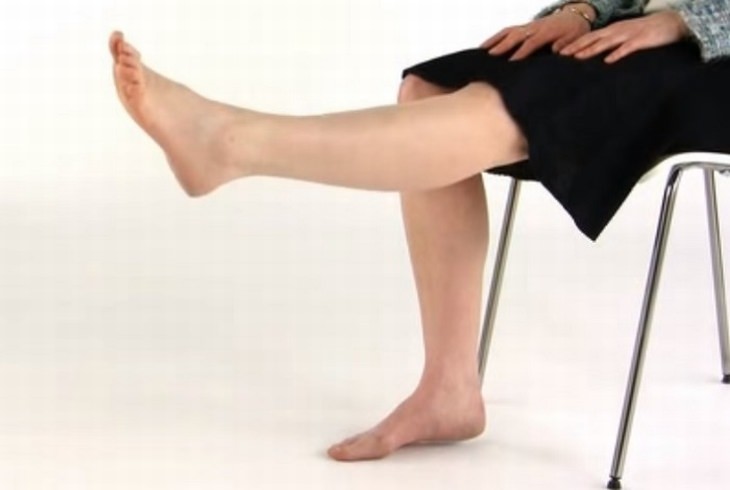
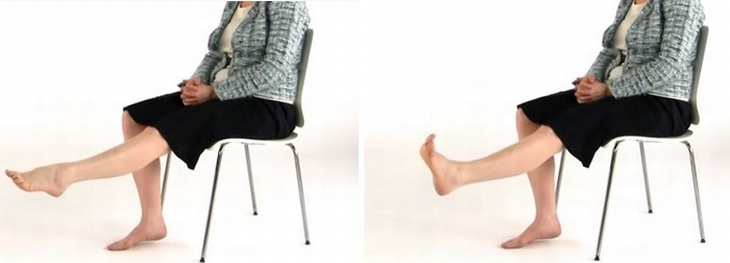
1. The first exercise involves sitting comfortably lifting each leg
forward when straight and returning it to its original position. The
exercise should be repeated five times for each leg.
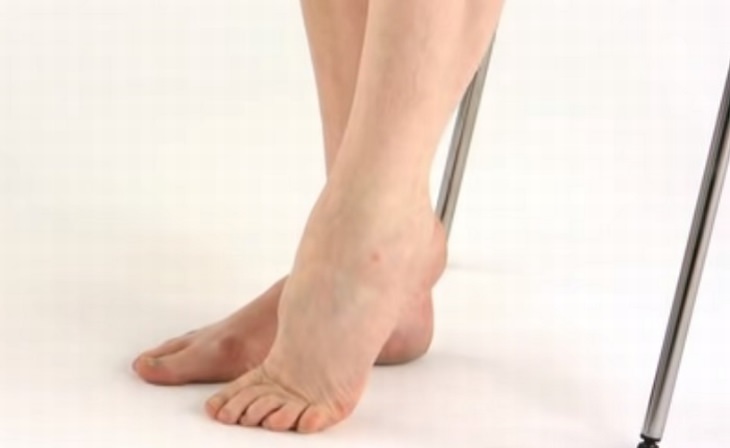
2. The second exercise involves placing
both feet on the ground, lifting and lowering the heel of each foot to
increase blood flow to the toes. This exercise should also be repeated
five times for each foot.
3. Step three of the exercise involves
lifting your left leg to a comfortable height with your toes pointing
toward the ceiling. Hold this position briefly and then point your toes
forward, resembling the starting pose of a ballerina's point. This
sequence should be repeated five times for each foot.
4. Rotate your foot in clockwise and
counterclockwise circles while holding it up in the air. Complete 10
rotations in each direction for both feet.
3. Improving blood flow to the head and feet
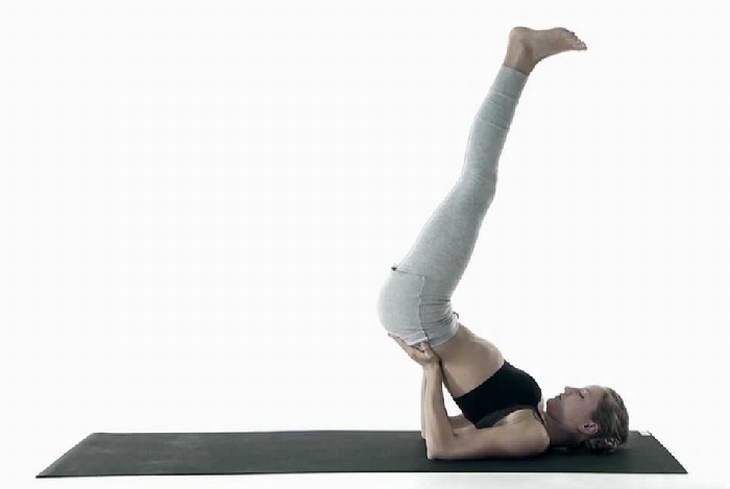
The following exercise is very effective for improving blood circulation
and relieving strain in many organs in the body: it improves blood flow
to the head and hair, as well as to the area of the legs that hardly
move if you sit for most of the day, and above all allows the heart to
rest, since it does not have to circulate the blood against gravity to
the head. There are two options for performing the exercise, so if you
haven't done a candle stand lately, you should try and perform the
exercise with your legs resting against a wall, and only later hold them
in the air by yourself.
Instructions:
1. Lie on your back, fold your legs, and press them to your buttocks.
2. For the next step, lift your legs and buttocks off the floor, so that
your feet point towards the ceiling, and bring your chin closer to your
chest. Avoid turning your head in order not to injure yourself.
3. Use your hands to support your lower back, and take deep breaths.
4. Stay in the position as long as you feel comfortable, up to 5
minutes.
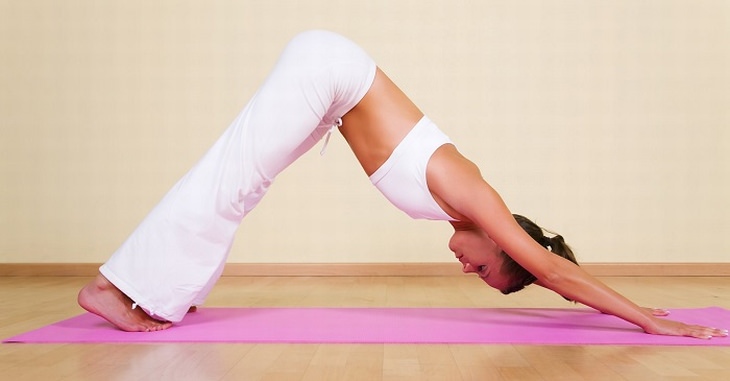
4. The downward-facing dog position
improves blood flow to the spine, brain, and limbs
This exercise is an "inverted exercise" which places the body in a
position it is not used to. The manner of standing increases the blood
flow to the spine area and is therefore very beneficial for those
suffering from back pain, and also allows better blood flow to the brain
and limbs.
Instructions:
1. Start in a six-legged position on the floor, then slowly straighten
your legs and arms, while lifting your buttocks up.
2. Be sure to keep your hands shoulder-width apart and your feet
hip-width apart.
3. Try to push the floor as much as possible with your hands and feet
without moving, and feel how your spine lengthens.
4. Stay in this position for about 30 seconds.
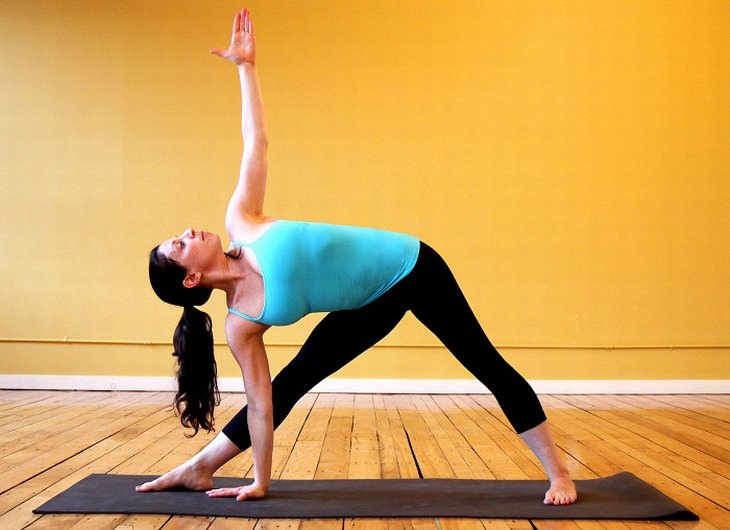
5. Triangle stretch to improve blood flow
to the upper body and legs
The following stretch will help you improve blood flow to your leg
muscles, as well as your upper body. It doesn't strain the back muscles
or over-activate them.
Instructions:
1. Begin by standing straight with your legs spread apart, with one leg
turned to the side and the other leg extended.
2. Stretch your right arm upwards and simultaneously reach down with
your left hand to touch the floor.
3. Hold this position for a few seconds, and repeat it four more times.
4. Switch your legs and perform five more stretches with your left hand
up and your right hand down.
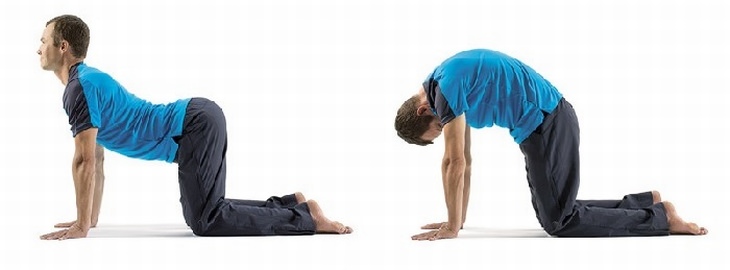
6. Cat-cow stretch to improve blood flow to
the back, chest, neck, and head
To improve blood flow to the back, chest, neck, and head, end the
exercise sequence with the cat-cow position. This pose is particularly
helpful for individuals who experience back or neck pain or spend
prolonged periods sitting.
Instructions:
1. Start on all fours with your arms straight, legs bent, and hips
spaced hip-width apart.
2. The second step of the exercise involves inhaling and transitioning
into the cat pose. This involves lifting your head without removing your
hands from the floor, while simultaneously pulling up your chest and
arching your lower back.
3. The third step requires exhaling and moving into the cow position,
where you lower your head as far as possible without bending your arms
while arching your lower back and lowering your buttocks.
4. Repeat both parts of this exercise 10 times.
This is only for your information, kindly take the advice of your doctor for medicines, exercises and so on.
https://gscrochetdesigns.blogspot.com. one can see my crochet creations
https://gseasyrecipes.blogspot.com. feel free to view for easy, simple and healthy recipes
https://kneereplacement-stickclub.blogspot.com. for info on knee replacement
https://GSiyers home remedies.blogspot.com is my latest addition to my blogs. I'm going to add posts there, do give me your valuable feed back on my blogs. Thanks a lot, take care, be healthy and be happy.
Labels: back, Brain, chest, easy exercises, feet, hands, head, improves blood flow- neck, legs, limbs. varicose veins, restricted blood flow, spine, upper body
posted by G S Iyer at 10:38 AM
0 comments

