Monday, July 19, 2021

6 surprising facts about sexually transmitted diseases (STDs)

6 surprising facts about sexually transmitted diseases (STDs)
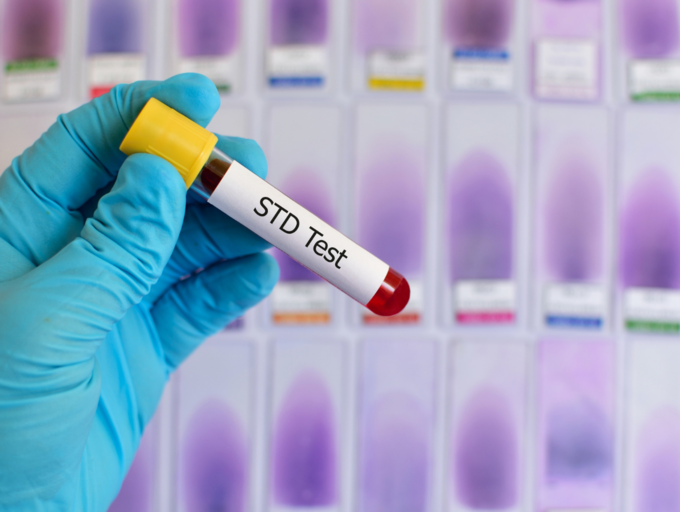
STDs are sexually transmitted diseases, also known as sexually transmitted infections, are infections that pass from one person to another through sexual contact. Around 30 million people of the adult population of India were diagnosed with STDs in 2020.

Although STDs are very common they are not openly talked about in Indian society. There is a lot of stigma around it and people tend to shame those who do have STDs.

It is about time that we learnt a little more about STDs and break the stigma around them. Here are some interesting facts that you should know about before being sexually involved with someone:

Women are at a higher risk of contracting STD
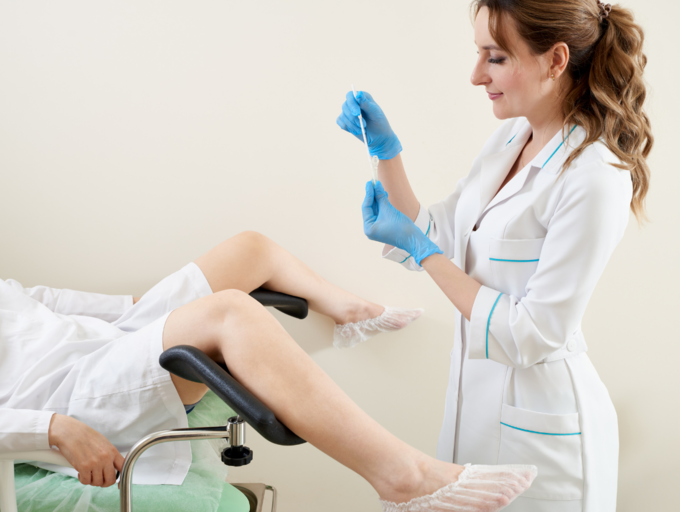
Women are biologically at a higher risk of getting STD because the vaginal surface is larger and more vulnerable to sexual secretions than the male genitalia. It is very important to treat STDs because it can lead to diseases like pelvic inflammatory disease. Women can lower the risk of getting an STD by using female condoms or by asking their partner to use condoms as well. The risk of getting an STD can never be eliminated.

There are over 35 types of STDs
Did you know that there are more than 35 types of STDs? The most common STDs that we are aware of are Human Papillomavirus (HPV) herpes, syphilis, hepatitis, gonorrhoea, chlamydia and Human Immunodeficiency Virus (HIV) but there are many more STDs in the world. Some of these STDs can also be spread through other non-sexual activities like blood transfusions.

STDs can cause infertility

Untreated STDs can make you infertile. This is more common in women than men. Untreated Gonorrhea and chlamydia can spread to the fallopian tube and make a woman infertile, meaning they will not be able to conceive. Men can also be infertile due to untreated STDs. Therefore, it is important to get regular checkups and treat a disease without any shame.

Some STDs Are asymptomatic
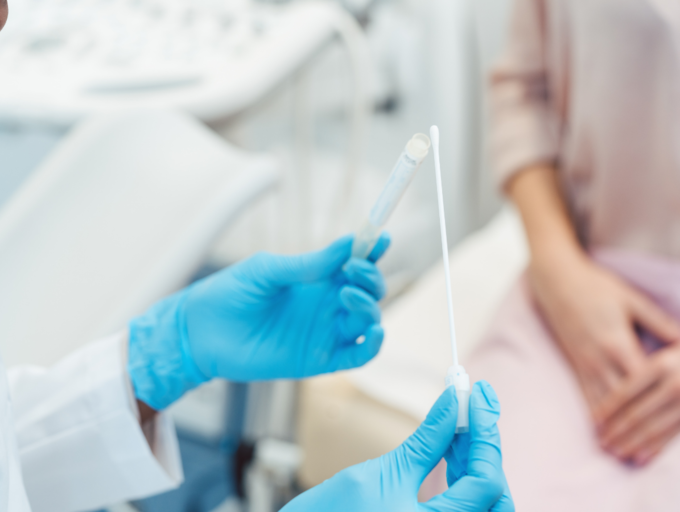
Some STDs can be asymptomatic, this means that one can have an infection and not know about it. There are no visible symptoms that can help the doctor diagnose the disease. Herpes and chlamydia can go undetected as in some cases they do not show any symptoms.

STDs can spread through any type of sexual activity

Although condoms are the second-best way to protect yourself from STDs other than abstinence, they cannot guarantee 100 per cent protection against STDs. You should use a condom while having any type of sexual activity be it oral, anal, or vaginal sex. It is better to be safe than sorry and always use protection.

Unborn children and newborns can be affected by STDs

Pregnant women should be tested for STDs, even if they do not have any symptoms because some STDs, such as HIV and hepatitis B, can be passed down to unborn children. Some STDs can cause complications during birth and can lead to premature birth, stillbirth, and low birth weight. If STDs are found during the pregnancy, the doctors can treat the infection. In case the mother is HIV positive, the doctor can suggest having the baby by cesarean section.

This is only for your information, kindly take the advice of your doctor for medicines, exercises and so on.   

https://gscrochetdesigns.blogspot.com. one can see my crochet creations  
https://gseasyrecipes.blogspot.com. feel free to view for easy, simple and healthy recipes    
https://kneereplacement-stickclub.blogspot.com. for info on knee replacement


Labels: , , , , , , , , , , , , , ,

Sunday, April 08, 2018

How you can prevent cervical cancer

Cervical cancer is known to be spread by a virus called the Human Papilloma Virus (HPV) during sexual contact. We’ve told you about its causes and symptoms, screening including Pap smears. Here are are a few things you can do to prevent cervical cancer:
  •  Limit the number of sexual partners. Studies have related the number of sexual partners to HPV and thus cervical cancer.
  •  Quit smoking and avoid second-hand smoke. Research has shown that tobacco smoke combined with HPV infection accelerates the rate of cervical dysplasia.
  • Always use condoms. Unprotected sex exposes you to HPV and other sexual infections which increase your risk for cervical cancer. Use them even if you are vaccinated for HPV as the vaccine may not be effective against all types of the virus.
  • Schedule your Pap tests.The most important thing you can do to help prevent cervical cancer is to have regular screening tests (Pap test and HPV test). Cervical cancer can be prevented by prevention of HPV infection, as well as detection and treatment of precancerous changes to the cervix.
  • Follow-up on abnormal Pap smears diligently as per your doctor’s instructions.
  • Get the HPV vaccines (Cervarix and Gardasil). They can protect girls and young women against infection with two high-risk types of HPV (HPV 16 and HPV 18) that cause most cervical cancers. These vaccines prevent infection with HPV but do not treat existing infections or cervical cancer. They are safe and effective for females ages 9 through 26 years.  The vaccine is likely to have the greatest effect when administered before the teen years, before the person is sexually active.        THIS IS ONLY FOR INFORMATION, ALWAYS CONSULT YOU PHYSICIAN BEFORE HAVING ANY PARTICULAR FOOD/ MEDICATION/EXERCISE/OTHER REMEDIES.                                                                                                                                                                                                      PS- THOSE INTERESTED IN RECIPES ARE FREE TO VIEW MY BLOG-                                                                                           https://gseasyrecipes.blogspot.com/   
    FOR INFO ABOUT KNEE REPLACEMENT, YOU CAN VIEW MY BLOG-                                                           https:// kneereplacement-stickclub.blogspot.com/                              

    FOR CROCHET DESIGNS                                                                                                                                                                                                                                         https://my crochet creations.blogspot.com/

Labels: , , , , , , , ,

Tuesday, April 03, 2018

"The Pill" For Men Might Soon Be a Thing

It looks like the Pill, which has been taken as a contraceptive by women for several decades, will now have an alternative that’s designed for men.
 
A recent study found that a trial pill was able to block sperm production in men while being safe for their health. 

The pill, which is made out of Dimethandrolone undecanoate (aka DMAU), was found to reduce testosterone levels and other hormones that spark sperm production. Dr. added that the goal was to develop a contraceptive method for men that has minimal side effects.

Serving as an androgen and a progestin, the pill provides an alternative to vasectomies, condoms and coitus interruptus. Some 40% of all pregnancies worldwide are actually unplanned, so there’s clearly an unmet need for new contraceptives, especially when it comes to men.

Some 83 men aged 18 to 50 participated in the study, and they were randomly assigned to one of three groups. The members of each group were given 100mg, 200mg and 400mg doses of the new pill respectively.
Following the 28-day trial period, participants’ testosterone levels were observed to have dropped to “castrate levels”, which is the ideal of testosterone in the blood after surgical or chemical castration. 

Furthermore, members of the 400mg group were observed to have had a drop in two hormones that regulated testosterone and sperm production.

Testosterone levels in a healthy man range from 350 to 1,100 nanograms per deciliter, and the pill managed to reduce their levels down to 13 nanograms per deciliter, which would be the testosterone levels normally associated with a pre-pubescent boy or teenage girl.

Just nine of the participants experienced a decreased libido, which would be a negligible amount if scaled up to a few million people.
Dr. noted that researchers have been working on male hormonal contraception for some 40 to 50 Years without that much success. 

Although long-acting implants and injections have been developed, men have always been interested in having an oral pill available, and this research represents a step forward in that area.

Simply reducing men’s testosterone levels down to the levels observed in the study would result in side effects similar to those experienced by women when they go through menopause. This includes marked changes in sexual desire and function here.

As a result, it’s important to point out that this pill includes a steroid to provide androgen activity in all other parts of the men’s bodies. The problem with the study conducted is that its time-frame didn’t allow for the researchers to be able to say what the long-term effects of taking it would be, however they did establish what could become a potentially safe dosage.

The next step with this pill is to trial it over three months, and that is in the pipeline in the near future. Longer-term studies will still be needed to fine-tune any potential side effects, as well couple studies to demonstrate that it actually works in the real world.

THIS IS ONLY FOR INFORMATION, ALWAYS CONSULT YOU PHYSICIAN BEFORE HAVING ANY PARTICULAR FOOD/ MEDICATION/EXERCISE/OTHER REMEDIES.                                                                                                                                                                                                      PS- THOSE INTERESTED IN RECIPES ARE FREE TO VIEW MY BLOG-                                                                                           https://gseasyrecipes.blogspot.com/   
FOR INFO ABOUT KNEE REPLACEMENT, YOU CAN VIEW MY BLOG-                                                           https:// kneereplacement-stickclub.blogspot.com/                              

FOR CROCHET DESIGNS                                                                                                                                                                                                                                         https://my crochet creations.blogspot.com/
 

Labels: , , , , , , , , , , , , , ,

Tuesday, July 30, 2013

Condoms are actually great for the vagina

Apart from preventing unwanted pregnancies and spread of sexually transmitted diseases, condoms may help good bacteria in the vagina flourish, a new study has found. 

Sexually active women in the study who used condoms had larger colonies of beneficial microbes in their vaginas compared with women who used other forms of birth control, the researchers at found. 

The scientists focused on lactobacillus, a group of bacteria that dominates the natural flora of the vagina for many women. 

The microbes, which produce lactic acid and hydrogen peroxide, help the vagina maintain an average pH of 4.5, comparable to the acidity of beer or tomato juice, it was reported.

This "acidic buffer system," as the researchers called it, is thought to block harmful bacteria from taking up residence and causing infections. 

Though there may not be a "normal" microbiome for a healthy vagina, the presence of lactobacillus is thought to help prevent bacterial vaginosis, which is an imbalance of vaginal bacteria that causes itching, unusual discharge and unpleasant odour. 

Beneficial bacteria have even been linked to a decreased risk of human immunodeficiency virus (HIV) infection. 


ps- this is only for information, always consult you physician before having any particular food/ medication/exercise/other remedies.

ps- those interested in recipes are free to view my blog-

http://gseasyrecipes.blogspot.com/

for info about knee replacement, you can view my blog-

http://Knee replacement-stick club.blogspot.com/

for crochet designs

http://My Crochet Creations.blogspot.com/

I've not given details about designs, but those interested are free to mail me for the same.

Labels: , , , , , , , , , , , , , , , , , , ,