Friday, May 23, 2025

What Does the Spleen Do and How Do We Take Care of It?

The spleen is an important part of your body, but many people don’t even know what it is or where it’s located. In fact, many of us can go through our entire life without even thinking about it. This little organ is located on the left side of your abdomen under the rib cage. It weighs about 6 ounces (170 gm) in healthy adults and looks somewhat like a fist-sized purple sponge with holes in it. Since it’s tucked under the rib cage, the spleen usually isn’t felt on exam. However, if your spleen enlarges, it might need to be treated or surgically removed.


What does Spleen Do?
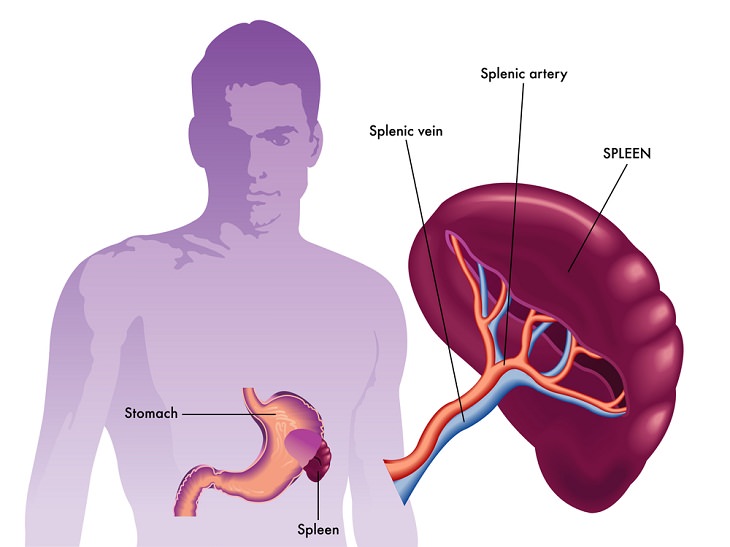
 
 The Spleen, functions
 
 
The spleen has a few vital functions:  
 
Its primary job is to filter or remove "junk" from the bloodstream. It does so by getting rid of cellular waste and removing old, malformed, or damaged blood cells. 
 
The spleen contains infection-fighting white blood cells, called lymphocytes, as well as antibodies that help the body combat invading germs in the blood including bacteria or viruses. This makes the organ crucial for our immune system response. 
 
The spleen affects the level of white blood cells, red blood cells, and platelets. 
 
It maintains the levels of fluid in your body.  
 
Apart from containing white blood cells, the spleen also stores red blood cells and platelets. 
 
The spleen is also responsible for analyzing the quality of our red blood cells. So, for instance, a red blood cell is damaged or unable to move through the blood system properly, the spleen removes it from circulation. Further, if the spleen finds anything in the red blood cells that shouldn't be there, it gets rid of it.


Conditions That Affect the Spleen 
 If your spleen doesn't work properly, you are at a bigger risk of being infected with bacteria. In addition, you may suffer certain medical conditions. For starters, it may start removing healthy blood cells, which may lead to anemia or an increased risk of infection from a reduced number of white blood cells. 
 
Some of the other conditions that cause an enlarged spleen include: 
 
Sickle cell disease: With sickle cell disease, a group of disorders, the red blood cells become misshapen and get trapped in the spleen. This ultimately causes the spleen to expand. If more and more red blood cells continue getting trapped in the organ, it will keep getting larger. This can cause anemia. 
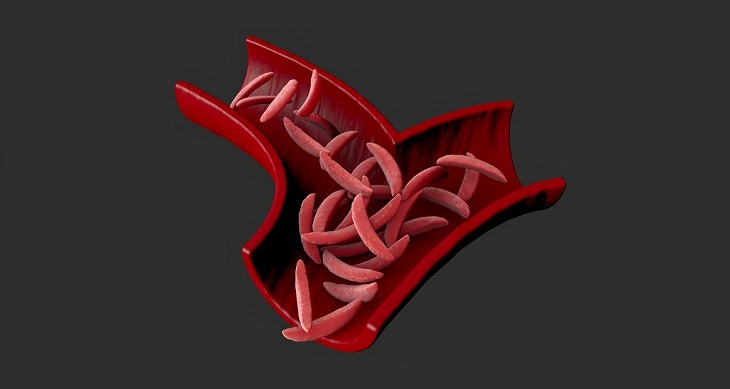
The Spleen, Sickle cell disease
Sickled red blood cells also harm the spleen tissues and disrupt their normal functions. People with this disease are hence at a higher risk of infection.
 
Hereditary spherocytosis: It’s a condition that affects red blood cells. People with hereditary spherocytosis experience a shortage of red blood cells as they are destroyed earlier than normal by the spleen. The gene mutations that cause red blood cells to be misshapen are called spherocytes that are taken out of circulation and sent to the spleen to be removed. When this keeps happening, it causes a shortage of red blood cells and too many in the spleen. 
 
Cancer: The spleen is the largest lymphatic organ in the body and is surrounded by a connective tissue capsule. It can also be connected with lymphomas or cancer of the lymphatic system as well as blood cancers such as Hodgkin’s disease and leukemia. 
 
Thalassemia: The spleen helps produce blood cells before birth. In people with thalassemia, an inherited blood disorder, the bone marrow is unable to make red blood cells normally. This causes the spleen to enlarge to produce more red blood cells. 
 
Bacterial, viral, and parasitic infections: If the spleen does not function properly, you are at a bigger risk from bacterial, viral, and parasitic infections. This is simply because the spleen is responsible for getting rid of harmful bacteria from the blood. In many viral infections, the spleen becomes enlarged which can cause infections such as syphilis, tuberculosis, endocarditis, mononucleosis (mono), and malaria.


An enlarged spleen
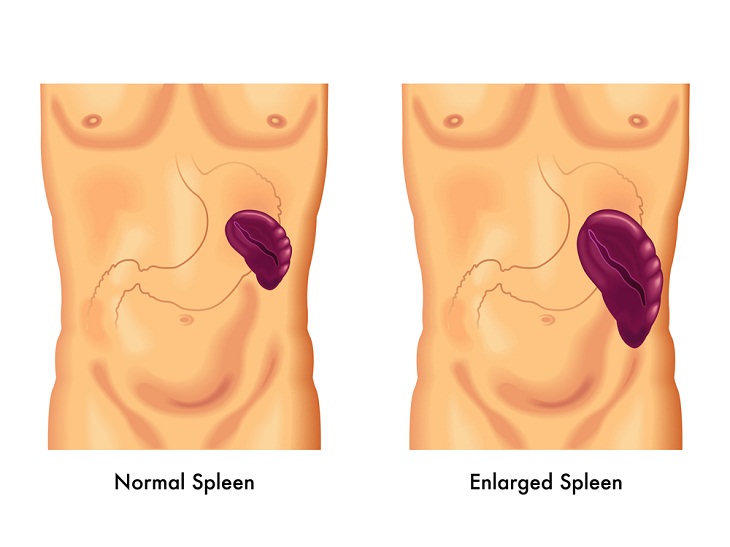
 
 The Spleen, Enlarged Spleen
 
Your spleen may become enlarged (a condition called splenomegaly) if it can’t filter your blood as efficiently as it’s used to. This primarily happens due to several different medical conditions or diseases that cause blood cells to break down too quickly such as cirrhosis, leukemia, or rheumatoid arthritis. 
 
An enlarged spleen traps an excessive amount of blood cells and platelets and may start destroying healthy red blood cells as well. This condition can lead to a significant reduction of healthy blood cells and platelets in your blood as your spleen becomes clogged. 
 
An enlarged doesn’t always show symptoms at first. But you should look out for these signs: 
 
* Feeling discomfort or pain behind your left ribs 
* Feeling too full quickly without eating too much. This happens because an enlarged spleen can press on the stomach. 
* Frequent infections.
* Fatigue or anemia. 
* Easy bleeding 
 
If it enlarges too much without being detected, the spleen can be damaged or ruptured after a forceful blow to the abdomen. This may cause acute pain behind your left ribs and you would require your spleen to be removed. 
 
This How to Treat an Enlarged Spleen

Your doctor can often tell if you have an enlarged spleen by touching the area around your abdomen. A blood test, CT scan, or MRI scan would verify the diagnosis. 
 
If you are diagnosed with an enlarged spleen, you are likely to be first given antibiotics to treat the underlying condition that may have caused the issue. However, a severe infection may not respond to antibiotics and can lead to inflammation and a buildup of pus. In such a scenario, your spleen may need to be removed. 
 
Surgery may also be needed if doctors are unable to find out the cause of your spleen enlargement. The surgery to remove your spleen is called a splenectomy. Sometimes just part of your spleen can be removed if needed, which is called a partial splenectomy. Recovery from this surgery usually takes around four and six weeks.

Can You Live Without Your Spleen?
After your spleen is removed, you are left with a compromised immune system and are at greater risk of bacterial infections. Does that mean you can’t live normally without a spleen? 
 
While the spleen is an important part of the body, you can indeed live without your spleen if it’s damaged by disease or injury. Your liver and lymph nodes take over the job of the spleen after it’s removed from your body. That being said, you may develop certain infections quickly and are likely to take longer than usual to recover after getting sick without your spleen. 
 
Your doctor may ask you to get vaccinated against certain infections to lessen your risk. Some of these include: 
* Influenza 
* Meningitis
* Chickenpox 
* Tetanus, diphtheria, and whooping cough 
* Measles, mumps, and rubella 
* Pneumonia
 
If you are an otherwise healthy adult, you can lead a normal life even without your spleen. Consult with your doctor to devise a long-term plan to stay healthy after your spleen is removed. 
 
 How Do I Keep My Spleen Healthy?
 Currently, there's not much research on how your diet can affect your spleen. There are also no recommendations on specific foods you should avoid to reduce the risk of developing an enlarged spleen. However, a healthy diet affects your overall health and keeps your immune system robust. Therefore, to keep your spleen and immune system in good shape, you should exercise regularly, maintain a healthy weight, and drink plenty of water, health experts say. Eating a balanced diet abundant in fruits and vegetables will be beneficial as well.


This is only for your information, kindly take the advice of your doctor for medicines, exercises and so on.   


Labels: , , , , , , , , , , ,

Monday, March 23, 2020

5 Ayurvedic Herbs to Boost Immunity Power

To fight against the bacteria and various viruses, one should develop strong immunity power. According to Ayurveda one with quality liver functioning, good digestion, strong metabolic fire (Agni) and a balanced endocrine system generally have more immunity power. To maintain a healthy body and immune system, one should be conscious about the intake, a balanced diet as well as mental health is equally important.
While keeping in mind about other aspects, let’s quickly check out Indian ayurvedic herbs that are known to boost immunity power. With natural ingredients that come from all these ancient medicinal herbs listed below, we can get the necessary nutrients to keep the immune system strong.

1. Andrographis

 Andrographis                                                   

Commonly known as Creat or Green chiretta, Andrographis is a bitter-tasting herb that can be found in 26 different Ayurvedic formulations. Andrographis is rich in compounds known as andrographolides. Andrographolide can modulate the innate and adaptive immune responses by regulating macrophage phenotypic polarization and Ag-specific antibody production. (source) 
Andrographis is most widely used to treat cold and flu symptoms. Andrographis is also said to act as a natural immune-booster. According to research published in 2017, scientists found that Andrographis appears to be beneficial for relieving symptoms of acute upper respiratory tract infections. Andrographis was also found to shorten the duration of cough, sore throat, and sick days compared to standard care.

2. Tulsi – Holy Basil

Tulsi or Holy basil is an aromatic perennial plant which is one of the best medicinal herbs in Ayurveda. Tulsi is an antibiotic, germicidal, fungicidal and disinfectant agent and effectively protects our body from all sorts of bacterial, viral and fungal infections. It contains phytochemicals, bioflavonoids and anti-oxidants compounds like rosmarinic acid, which is an anti-microbial agent for treating infections in the respiratory tract.
Gargling with tulsi decoction helps to reduce throat pain and mouth ulcers. During fever, applying the paste of Tulsi leaves on cold feet is beneficial.

3. Ginger


Ginger is antibacterial and it also contains a phenolic anti-inflammatory compounder called gingerol that may be responsible for relaxing blood vessels. The antibacterial effects of gingerol help in curing cold and sore throat. Another component in ginger – zingerone – is an antioxidant. 
Ginger is very much effective in keeping your body warm and helps break down the accumulation of toxins in your organs. It can also help prevent nausea and soothe an upset stomach.

4. Garlic


Garlic contains antiseptic, anti-fungal, and nutritive properties, this may be the reason it is considered a very important herb for thousands of years by Ayurveda.
Including garlic in your diet will offer natural support to the immune system. Garlic destroys natural toxins, encourages the maintenance of normal body temperature and supports the lungs. Not only does garlic offer natural support for the immune system, but it can also clear harmful bacteria.

5. Turmeric

Turmeric
Like Garlic and Giger, turmeric (Curcuma longa) also has a long history of use in Ayurvedic medicine. The primary active component of turmeric is curcumin. Curcumin is a natural antioxidant that has anti-inflammatory and antimicrobial benefits.
Surprisingly, Tumeric can also help depression. Depression is associated with lower levels of BDNF. Tumeric can help boost levels of BDNF, looks like Tumeric is an effective antidepressant. 

This is only for your information, kindly take the advice of your doctor for medicines, exercises and so on.     

https://gscrochetdesigns.blogspot.com. one can see my crochet creations  
https://gseasyrecipes.blogspot.com. feel free to view for easy, simple and healthy recipes    
https://kneereplacement-stickclub.blogspot.com. for info on knee replacement


Source- /vedicfeed.com/

Labels: , , , , , , , , , , , ,

Friday, February 14, 2020

Bacterial DNA promotes tau protein misfolding and aggregation, study shows

Researchers from Human Microbiology Institute (HMI) and Mitchell Center for Alzheimer’s disease at the University of Texas McGovern Medical School in Houston have discovered that bacterial extracellular DNA can trigger Tau protein misfolding into neurotoxic aggregates, a key process in Alzheimer’s disease pathogenesis.  The discovery sets bacterial DNA as a new potential therapeutic target for treatment of neurogenerative illnesses. The breakthrough study is published in Nature’s Scientific Reports.

This is the first report showing that DNA from some bacterial species can promote Tau misfolding and aggregation - a hallmark feature of Alzheimer’s.  In previous studies, George Tetz and colleagues demonstrated that the brain contains bacteria, as well as bacterial cell-free DNA, which get to the cerebrospinal fluid from systemic circulation due to an impaired blood brain barrier. In the current article, they show that bacterial DNA is capable to promote misfolding and aggregation of the Tau protein into aggregates that are similar to those found in the brains of patients with Alzheimer’s. Thus, bacterial DNA may act as a seeding and a promotional factor for Tau protein misfolding.

Recent data suggest that various bacteria are present in cerebrospinal fluid and postmortem brains of people with Alzheimer’s, but the role of brain-localized microorganisms has been elusive, until now.

This is the first report showing bacterial DNA playing a role in protein misfolding and aggregation, which may become a new target for the treatment not only of Alzheimer’s, but other neurogenerative diseases involving tau aggregation. The findings could have huge implications in how we fight a whole host of disorders. For decades, scientists have been frustrated with clinical trials failures in the Alzheimer’s space.  So, this is a whole new hypothesis - we may have found a principally new lead not only for treating Alzheimer’s, but also for its prevention.”George Tetz, Head of Research and Development at HMI

“The misfolding, aggregation and accumulation of Tau protein in the brain is implicated in Alzheimer’s disease and various other disorders collectively known as tauopathies. This study shows that bacterial DNA can promote tau aggregation in vitro. Many more studies need to be done to confirm and extend these observations in order to fully understand the potential role of bacterial DNA in the pathogenesis of Alzheimer’s disease,” said Claudio Soto, Director of George and Cynthia Mitchell Center for Alzheimer’s Disease and Related Brain Disorders at The University of Texas McGovern Medical School.

The number of deaths from Alzheimer's disease has more than doubled in recent years, according to the Alzheimer’s Association. 1 in 10 Americans over the age of 65 has Alzheimer’s, which cannot be cured or slowed down at the present time. 

This is only for your information, kindly take the advice of your doctor for medicines, exercises and so on.     
https://gscrochetdesigns.blogspot.com. one can see my crochet creations  
https://gseasyrecipes.blogspot.com. feel free to view for easy, simple and healthy recipes    
https://kneereplacement-stickclub.blogspot.com. for info on knee replacement


Labels: , , , , , , , , , ,

Friday, January 24, 2020

Bacterial Cross-Contamination: All You Need to Know

Each year, an estimated 600 million people worldwide experience a food-borne illness .

While there are many causes, a major and preventable one is cross-contamination.


This article explains all you need to know about cross-contamination, including how to avoid it.


What is cross-contamination?

Bacterial cross-contamination is defined as the transfer of bacteria or other microorganisms from one substance to another.

Other types of cross-contamination include the transfer of food allergens, chemicals, or toxins — though these are not the focus of this article .

Many people assume that food-borne illness is mostly caused by eating at restaurants, but there are many ways in which cross-contamination can occur, including:

    primary food production — from plants and animals on farms
    during harvest or slaughter
    secondary food production — including food processing and manufacturing
    transportation of food
    storage of food
    distribution of food — grocery stores, farmer’s markets, and more
    food preparation and serving — at home, restaurants, and other food-service operations

Given that there are many points at which cross-contamination can occur, it’s important to learn about the different types and how you can prevent it.

    summary

    Cross-contamination is defined as the transfer of bacteria or other microorganisms from one substance to another. It can happen during any stage of food production.

Types of cross-contamination

There are three main types of cross-contamination: food-to-food, equipment-to-food, and people-to-food.
Food-to-food

Adding contaminated foods to non-contaminated foods results in food-to-food cross-contamination. This allows harmful bacteria to spread and populate .

Raw, undercooked, or improperly washed food can harbor large amounts of bacteria, such as Salmonella, Clostridium perfringens, Campylobacter, Staphylococcus aureus, E. coli, and Listeria monocytogenes — all of which can harm your health if consumed .

Foods that pose the highest risk of bacterial contamination include leafy greens, bean sprouts, leftover rice, unpasteurized milk, soft cheeses, and deli meats, as well as raw eggs, poultry, meat, and seafood.

For example, adding unwashed, contaminated lettuce to a fresh salad can contaminate the other ingredients. This was the case in a 2006 E. Coli outbreak that affected 71 Taco Bell customers .

What’s more, leftovers kept in the fridge too long can result in bacterial overgrowth. Therefore, eat leftovers within 3–4 days and cook them to proper temperatures. If you plan to mix leftovers with other foods, the new meal should not be stored again as leftovers.


Equipment-to-food

Equipment-to-food is one of the most common yet unrecognized types of cross-contamination.

Bacteria can survive for long periods on surfaces like countertops, utensils, cutting boards, storage containers, and food manufacturing equipment .

When equipment is not washed properly or unknowingly contaminated with bacteria, it can transfer large volumes of harmful bacteria to food. This can happen at any point during food production — both at home and in food manufacturing .

For example, a 2008 incident at a Canadian-based sliced meat company resulted in the death of 22 customers due to listeria-contaminated meat slicers .

A common example of this occurring at home is using the same cutting board and knife to cut raw meat and vegetables, which can be harmful if the vegetables are then consumed raw.


One study found that older participants were less likely to use soap and water to clean their cutting boards after working with raw meat, while younger people weren’t aware of the risks of cross-contamination. Thus, more food safety education seems to be needed across all age groups.

Finally, improper food preservation techniques can lead to cross-contamination. In 2015, home-canned potatoes used in a potato salad made 22 potluck attendees sick with botulism due to improper canning practices.


People-to-food

Humans can easily transfer bacteria from their bodies or clothes to food during many steps of food preparation.

For example, a person may cough into their hand or touch raw poultry and continue to prepare a meal without washing their hands in between.

In a 2019 study in 190 adults, only 58% of participants reported washing their hands before cooking or preparing food, while only 48% said they washed their hands after sneezing or coughing.

Other common examples include using a cellphone that’s loaded with bacteria while cooking or wiping your hands with a dirty apron or towel. These practices may contaminate your hands and spread bacteria to food or equipment.

Although this poses a concern, a 2015 meta-analysis found that food safety education both in the home and at work can significantly lower the risk of cross-contamination and unsafe food practices.

By far, the most effective way to reduce the risk of cross-contamination is to properly wash your hands with soap and water for at least 20 seconds.

    summary

    There are three main types of cross-contamination: food-to-food, equipment-to-food, and people-to-food. In each type, bacteria are transferred from a contaminated source to uncontaminated food.

Side effects

The side effects of cross-contamination can be mild to severe.

Minor side effects include upset stomach, loss of appetite, headache, nausea, and diarrhea. Usually, these side effects present within 24 hours, although they can appear weeks after exposure, making it difficult to determine the specific cause.

In cases involving vomiting or diarrhea, it’s important to rehydrate properly — for example with a sports beverage — to restore hydration, blood sugar, and electrolyte levels.

Severe side effects include diarrhea for more than 3 days, bloody stools, fever, dehydration, organ failure, and even death .

Seek immediate medical attention if your side effects worsen or last longer than 1–2 days, as well as if you’re considered to be in an at-risk population.

    summary
    Side effects of cross-contamination range from stomach upset to more severe aftereffects, including dehydration, organ failure, and even death.

Who is at risk?

Everyone is at risk of becoming sick from cross-contamination .

However, certain groups are at a much higher risk, including:

    pregnant women
    children under the age of 5
    adults over the age of 65
    those with weakened immune systems — for example, people with HIV/AIDS, uncontrolled diabetes, or cancer

Considering these groups make up a large segment of the population, it’s crucial to practice safe food handling when at home or working in a food service establishment .

    summary

    Anyone is at risk of becoming sick from cross-contamination. However, certain groups, including pregnant women, children, older adults, and those with weakened immune systems, are at the highest risk.

How to avoid cross-contamination

There are many ways to avoid cross-contamination.
Food purchasing and storage

    Avoid purchasing food close to its expiration date, unless you intend to eat it right away.
    Store raw meat in a sealed container or plastic bag on the bottom shelf of the refrigerator to prevent juices from leaking onto other foods.
    Use separate grocery bags for raw meat and eggs.
    Use refrigerated leftover food within 2–3 days and cook it to proper temperatures.

Food preparation

    Wash your hands with soap and water for at least 20 seconds after touching raw meat, petting an animal, using the washroom, coughing or sneezing, using your phone, or related instances.
    Wash your utensils, countertops, cutting boards, and other surfaces with soap and warm water, especially when handling raw meat.
    Use separate cutting boards for meat and vegetables.
    Use clean sponges and dishcloths.
    Cook foods to their proper temperatures by using a food thermometer.

Finally, be sure to stay up to date with food recalls by visiting the website of your country’s food and disease control board, such as the Centers for Disease Control and Prevention (CDC) in the United States.

    summary

    Proper food safety practices can significantly reduce your risk of cross-contamination. Thoroughly wash your hands and surfaces, properly store foods, and stay up to date with food recalls.

The bottom line

Bacterial cross-contamination can have serious and even fatal consequences, but thankfully, it’s easy to prevent.

Practice good hygiene, wash and sanitize your equipment, and properly store and serve food to prevent cross-contamination. Plus, it’s a good idea to stay up to date with food recalls, which are available online.

By practicing safe food handling, you can protect yourself and others from getting sick.
 

This is only for your information, kindly take the advice of your doctor for medicines, exercises and so on.     
https://gscrochetdesigns.blogspot.com. one can see my crochet creations  
https://gseasyrecipes.blogspot.com. feel free to view for easy, simple and healthy recipes    
https://kneereplacement-stickclub.blogspot.com. for info on knee replacement
 

Labels: , , , , , , , , , , ,

Tuesday, October 15, 2019

Garlic: The Most Effective Cure for Pneumonia, Coughs, Colds, Ear Infections

There was no effective cure for infections like pneumonia before the discovery of penicillin in 1928 when Alexander Fleming noticed that the “mold” growing in his Petri dish destroyed the Staphylococcus bacteria. 

Yet, the excessive use of antibiotics poses serious health risks, and it contributes to the thriving of drug-resistant bacteria. On the other hand, Mother Nature has created extremely useful natural antibiotics, and garlic being among the most powerful ones of them. 

This garlic oil ointment, also known as GOOT, is an excellent way to fight bacterial, fungal, or viral infections. Due to the potent antibacterial and antiviral qualities, garlic has been famous since ancient time. 

Most of its medicinal properties are a result of its compound allicin, which is released when garlic is finely chopped or crushed. You can get the highest levels of allicin if you press and mince garlic cloves into a smooth paste. 

The garlic oil ointment offers all the powerful antibacterial, antimicrobial, antiviral, antifungal and antioxidant effects of allicin, and prevents and treats various health issues. 

It is a natural remedy against colds, coughs, pneumonia, ear infections, and much more.  Here is how to make it at home:
 Ingredients
  • 5 Fresh, Peeled Garlic Cloves
  • 3 Tbsp Coconut oil
  • 2 Tbsp Olive oil
Instructions:
Warm the coconut oil in order to melt it, and add the olive oil. Then, crush or mince the garlic cloves, and add them to the oil mixture. Leave the ointment aside for half an hour, and then strain out the garlic. Pour the garlic oil into a suitable container or a smaller jar.
After an hour, the garlic oil ointment will turn into a thick soft paste. Raw, cold-pressed coconut oil is a rich source of lauric acid which is also a powerful antibacterial and antiviral agent.
If rubbed into the skin, this ointment will transfer raw garlic oil directly into the bloodstream.
It can be used to treat various health issues:
  • You should apply it to the feet of your children or infants to fight infections.
  • To fight acne, add a few drops of garlic oil to a mud pack, and apply the smooth paste on your face. Leave it to act for 10 minutes and rinse it off with cold water.
  • To cure the sores, you can apply it directly in the mouth.
  • Apply a few drops of it in the ear to soothe an ear infection, or rub it on the chest daily to fight pneumonia, coughs, and colds.
  • To almost instantly relieve toothache, sprinkle a few drops of garlic oil on a cotton ball,  press it in the affected tooth area and hold for 15-20 minutes.
  • You can also apply a few drops in the nostrils to treat sinus infections.
  • In the case of an Athlete’s foot or jock itch, apply the oil on the infected area.
  • Additionally, massage the scalp with the potent garlic oil ointment to prevent hair loss.                                                                   
    this is only for your information, kindly take the advice of your doctor for medicines, exercises and so on.   
    https://gscrochetdesigns.blogspot.com. one can see my crochet creations  

    https://gseasyrecipes.blogspot.com. feel free to view for easy, simple and healthy recipes    
    https://kneereplacement-stickclub.blogspot.com. for info on knee replacement


Source: anyavien.com

Labels: , , , , , , , , , , ,