Sunday, August 13, 2023

The Dangers of Aluminum Exposure and 9 Ways To Prevent It

Aluminum is all around us, but it’s when it builds up in excess in the human body, it can become a health threat. Unfortunately, scientific evidence shows that most people are still exposed to too much aluminum, despite the efforts of international regulations to lower global human aluminum exposure. But how does aluminum get into our bodies anyway? Scientists say that the culprit lies in our foods and self-care items, and in this article, we explain how to avoid it.

How can aluminum affect our health

 tips on how to lower aluminum exposure

Complete avoidance of aluminum is impossible, as this metal is one of the most widespread ones on the planet and it can be found in the soil, water, the food we eat, and even in the air we breathe. Usually, our body is good at washing out excess aluminum through urine, but when exposure to the metal rises, some of the excess aluminum ends up accumulating in the body, which is when it can become dangerous to human health.

This is why many international regulatory bodies, such as the World Health Organization and European Food Safety Authority determined a tolerable weekly aluminum intake of 1 milligram per kilogram (2.2 lbs) of body weight per week. So, for example, if you weight 65 kg (143 lbs), your intake of aluminum should not exceed 65 mg a week.

Although there is too little evidence regarding the effects of excessive aluminum intake on human health, studies have linked it to the following conditions:

Neurotoxicity, adverse effects on the nervous system.

Alzheimer's disease, with unusually high levels of aluminum found in Alzheimer's patients' brains.


IBD, but only in animal models and in vitro studies.

Breast cancer
 
 
1.Cosmetic and self-care products
tips on how to lower aluminum exposure woman applying toothpaste to toothbrush in bathroom
 
Look at the ingredients in your cosmetic products, especially toothpaste and antiperspirants, as these two categories of products often contain aluminum. In antiperspirants, aluminum is used as an agent that can prevent you from sweating by blocking your pores, but it may be absorbed into your body as well

The same German study we mentioned earlier even suggested that antiperspirants containing aluminum alone may exceed the recommended weekly exposure to the metal.

On a slightly different note, certain medications, such as antacids, for example, can contain high levels of aluminum, but usually, the benefits of these medications outweigh their risks, so we wouldn't recommend avoiding them, especially if they were prescribed to you by a doctor.


2.Cooking utensils
tips on how to lower aluminum exposure a set of pots and pans stacked one atop of the other

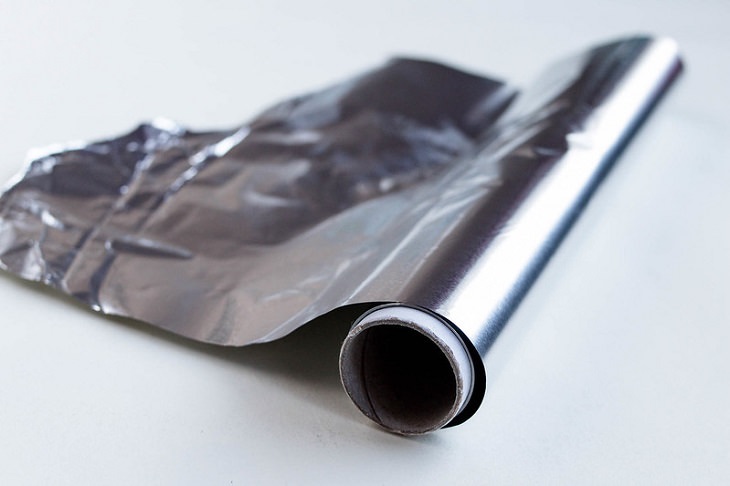
Avoid cooking and storing food in uncoated aluminum pots or aluminum foil, as aluminum particles can seep into your food, and then travel into your body. This is particularly true when it comes to highly acidic foods, such as tomato sauces, soups, etc., as well as salty foods, as both salt and plant-derived acids will eat through the foil and utensils faster and aluminum particles will travel into the food.


3.Drinking water
tips on how to lower aluminum exposure pouring filtered tap water

As previously mentioned, water can be another source of aluminum exposure, with some areas containing higher levels of aluminum in the soil and water than others. If you know that the water in your area contains high quantities of aluminum, you'll be better off investing in some type of water purification system, i.e. water filters, to protect yourself from the dangers of excessive exposure.


4. Takeaway boxes
tips on how to lower aluminum exposure aluminum takeaway boxes stacked

Metal takeaway boxes are so popular, but the thing is that all of them are made of aluminum, so they're not the best way to store food, being pretty much equal to using aluminum foil to wrap up your foods. Try to avoid these boxes and opt for paper takeaway boxes. These are not only biodegradable and kinder to the planet, but they're also better for your health than aluminum or plastic ones.


5. Store bought foods
Buying food in supermarkets is tricky, as you will never know how the food was prepared, what kind of water was used to make the product, and how it was stored. To minimize your aluminum exposure from store-bought products, your best bet is NOT to stick to one brand. Even if some of the foods you buy will contain aluminum, by switching them up with those that potentially don't contain it will help you lower your overall exposure to the metal.


6.Fruits and vegetables
tips on how to lower aluminum exposure washing cherry tomatoes in the sink
Most fruit and vegetables will have some aluminum in them naturally, but farmers also add pesticides containing aluminum when they grow plant produce, so make sure to wash all the fruit and veggies you buy thoroughly before adding them to dishes or eating. Apart from that, certain foods, such as spinach, tea leaves, mushrooms, and radishes tend to absorb more aluminum than others, so it's best to either purchase these organic or consume them in moderation.


7. Aluminum Foil and Single-Use Aluminum Baking Pans
tips on how to lower aluminum exposure food wrapped in foil outdoor cooking

Heat is another factor that will cause aluminum particles to seep into your foods, so using aluminum foil or those single-use aluminum tins that are so often used in baking is not the greatest idea if you're planning on minimizing your aluminum intake. 
 
This doesn't mean that you have to forget about grilling meat or vegetables in aluminum foil forever, but do be mindful of the tools you use when you're cooking and don't abuse aluminum cooking equipment. 
 
8. Processed Foods

Another reason why you should stay away from store-bought snacks and processed, packaged foods is because of the chemicals they use to make food last longer and look better. Aluminum is routinely used in food coloring, thickeners and anti-caking ingredients in commercially produced foods. For this reason, get in the habit of preparing homemade snacks and desserts, such as cookies, as commercial products have been suggested in studies to contain more aluminum than homemade foods due to these additives.
 
9. No Need to Be Afraid of Canned Foods and Drinkstips on how to lower aluminum exposure soda canThere are plenty of reasons to avoid canned soft drinks, but aluminum exposure is not one of them. There was a study conducted on the quantity of aluminum in canned drinks, and it found that even after 12 months of storage, the concentration of aluminum in the drink was negligible compared to the exposure we get from foods. 
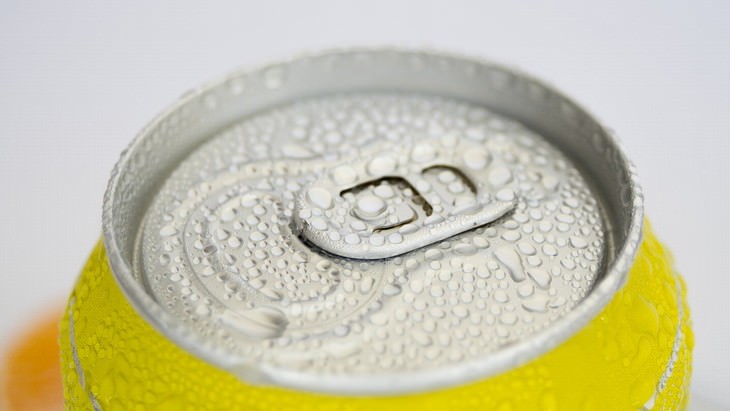
 
Needless to say, we're not urging you to start consuming canned sugary drinks. Instead, we'd just like to say that consuming foods and drinks that come in aluminum cans is safe for your health in terms of their risks of aluminum exposure.


This is only for your information, kindly take the advice of your doctor for medicines, exercises and so on.   

https://gscrochetdesigns.blogspot.com. one can see my crochet creations  
https://gseasyrecipes.blogspot.com. feel free to view for easy, simple and healthy recipes    
https://kneereplacement-stickclub.blogspot.com. for info on knee replacement
https://cancersupportindia.blogspot.com  for infor on cancer and health related topics
https://GSiyers home remedies.blogspot.com   is the latest addition to my blogs. I'm going to add posts there, do give me your valuable feed back on my blogs. Thanks a lot, take care, be healthy and be happy.


Labels: , , , , , , , , , , ,

Monday, April 19, 2021

5 Healthy Reasons to Eat More Coconut

It's no secret that coconut has been incredibly popular for the last several years, and for good reason. This versatile ingredient has endless functionality—you can use coconut oil for everything from cooking and cleaning to taming frizz, taking off makeup, and curtailing chronic inflammation. Coconut water is packed with health benefits, thanks to electrolytes, antioxidants, and vitamin C. But the fruit of a coconut is something extra special: It serves as a so-creamy vegan swap for plant-based desserts and dairy products like ice cream and yogurt, adds crunch to granola, and shines in simmer sauces (if you haven't tried coconut curry shrimp, you're seriously missing out). Wellness-wise, we're just getting started. Here are the top five healthy reasons you should start eating coconut today, according to nutrition experts Susan Hewlings, PhD, RD, and Kelly Springer, MS, RD, CDN.

Coconut can fight inflammation.

“As a part of a healthy diet, coconut shows antioxidant activity due to its polyphenol content,” explains Hewlings. “Virgin Coconut Oil (VCO) is a rich source of phenolic compounds, such as caffeic acid, ferulic acid, and more. Because these polyphenols have antioxidant properties, they can help offset oxidative free radicals which can lead to inflammation.” Hewlings recommends looking for fresh, unprocessed raw coconut and/or coconut oil to reap the most antioxidant,anti-inflammatory benefits.

It’s great for gut health.

According to Springer, eating coconut is great for gut health because it contains a substantial amount of fiber, which helps your microbiome thrive by providing sustenance for your good gut bacteria. “Coconut is also relatively high in fat, which helps your body absorb the fat soluble vitamins D, E, A, and K,” she explains. “This is important because vitamins D and K may be associated with a more diverse, and therefore more resilient, gut microbiome.” A stronger gut microbiome means better digestion, immunity, and overall health. Try adding a few spoonfuls of shredded coconut to your oatmeal or yogurt in the morning to reap these benefits.

Coconut is a superfood for glowing skin.

“Coconut can be very beneficial for the skin, especially in the form of coconut oil. I love using original virgin coconut oil on my skin to help calm inflammation and redness, replenish moisture levels, and even promote faster wound healing,” says Springer. Since coconut oil has a significant amount of fat, Springer adds that it will also help your body to absorb vitamins E and A, which are both antioxidants known to protect and restore the skin. (Note that coconut oil is comedogenic, which means it can clog pores, so you should avoid using it on acne-prone areas.)

It may improve cognitive function.

“One of the primary features of Alzheimer’s disease is a decreased ability for the brain to use glucose as a fuel, which can begin about 10-15 years before the diagnosis,” explains Hewlings. “When the brain can’t use glucose (its primary fuel source), it can use ketone bodies as an alternative fuel source. Coconut oil is rich in precursors for ketone bodies. Therefore, coconut oil as part of an overall healthy diet is thought to benefit cognitive health by providing an alternative energy source to the brain.”

Coconut is a more favorable source of fat in the diet compared to butter and/or beef fat.

It’s important to note that coconut does contain saturated fat, but recent research has shown that coconut contains primarily medium-chain fatty acids. Hewlings explains that these are absorbed differently and have a more favorite lipid profile compared to longer chain fatty acids, such as those found in animal fats like meat and butter. “Oils contain more than just the fatty acids that comprise them, including other nutrients and vitamins, which may also have an impact on cardiovascular risk,” she says. “Additionally, dietary fats provide energy, are key to the absorption of fat soluble vitamins, provide cell structure, are the base for many hormones, serve as carriers throughout the body, provide ‘padding’ and protection for organs, and so much more. Coconuts contain essential nutrients found in these dietary fats and provide a healthful source of saturated fats while also providing antioxidants.”

This is only for your information, kindly take the advice of your doctor for medicines, exercises and so on.     

https://gscrochetdesigns.blogspot.com. one can see my crochet creations  
https://gseasyrecipes.blogspot.com. feel free to view for easy, simple and healthy recipes    
https://kneereplacement-stickclub.blogspot.com. for info on knee replacement


Labels: , , , , , , , , , , , , , , ,

Thursday, April 30, 2020

A Hypertension Medication That May Help Treat Alzheimer's

The miracle that is science may once again be on the verge of a possible breakthrough. Nilvadipine is a pharmaceutical drug that has been used for treating high blood pressure (also known as hypertension). However, studies are now showing that this medication may also be extremely beneficial to people suffering from Alzheimer’s disease, which gradually affects cognitive function. These are two very different ailments, but they possibly have a common treatment.

 What is Alzheimer’s Disease

An increasingly common form of dementia, Alzheimer’s Disease affects approximately 15 million people worldwide. It is caused by a progressive build-up of plaque in the brain, causing inflammation and a continuous decline in brain activity over a number of years.

If you or anyone you know are suffering from this ailment, here are some FAQs about Alzheimer’s that you may want to know.  


The miracle that is science may once again be on the verge of a possible breakthrough. Nilvadipine is a pharmaceutical drug that has been used for treating high blood pressure (also known as hypertension). However, studies are now showing that this medication may also be extremely beneficial to people suffering from Alzheimer’s disease, which gradually affects cognitive function. These are two very different ailments, but they possibly have a common treatment.

While there is no cure for this ailment, there are medications to manage the condition, and some treatments are available that may slow down the progression of the disease. 

What is Hypertension? 

health, hypertension, family and parenting, Alzheimer's disease, trial, high blood pressure, drug, Nilvadipine
High Blood Pressure is also known as hypertension, and it increases the risk of heart disease and stroke. It can be caused due to any number of environmental factors, extreme stress, or an existing condition. There are even a few common habits that could be affecting your blood pressure, without you realising it. 
The World Health Organization (WHO) has also stated that there are clear links between high sodium (salt) consumption and hypertension, especially when coupled with low potassium intake.
A change in lifestyle is the best way to combat this disease, along with medications, like beta blockers, which can help reduce blood pressure and lower the risk of heart disease. 

What is Nilvadipine?
Nilvadipine is a calcium channel blocker that allows the heart muscles to relax and consequently helps reduce blood pressure. This makes it an immensely common medicine used to treat hypertension. As it turns out, this drug might also have the capability of increasing the flow of blood in the brain, which could result in increased brain function.

How does it work? 
Nilvadipine treats hypertension by increasing the blood flow in the hippocampus. The hippocampus is the area of the brain linked to our ability to understand and retain information - basically, our memory and our comprehension. 
This is also an area of the brain heavily affected by Alzheimer’s Disease. In fact, a recent study showed that there are links between high blood pressure and Alzheimer's disease, as well as other forms of dementia. This is just one of many ways in which the heart and the brain are inexorably intertwined. 
This link between blood pressure and dementia gave rise to the possibility that the medication Nilvadipine could play a role in reducing the symptoms of Alzheimer’s Disease. According to a 2007 Japanese study, patients with hypertension and early stages Alzheimer’s experienced increased blood flow in the brain. 
It was also reported that the cognitive deficits in patients experiencing lapses in memory or comprehension were stabilized and stopped declining. This study was conducted for over 20 months with 15 patients.
Enter NILVAD
In 2013, research into the effects of Nilvadipine on Alzheimer’s patients progressed significantly. NILVAD, the first large-scale Phase III investigator-driven clinical trial on the use of Nilvadipine to stabilize cognitive decline in patients suffering from Alzheimer’s disease was launched. 
It was an 18-month long trial, from 15th May 2013 to 13th April 2015, in which 511 participants above the age of 50 were selected out of 577 screened. 258 patients were given a placebo, while 253 were given the drug, Nilvadipine. Conducted across 9 different European countries, in 23 academic centers, this trial was to hopefully determine the effects of Nilvadipine.
Unfortunately, the conclusion of the study was that Nilvadipine was not beneficial for the treatment of moderate Alzheimer’s, though it did appear to confirm that the drug is safe and well-tolerated by people with Alzheimer’s. However, it is important to note that while the number of patients was much higher than previous studies, the time-frame for the trial along with the period utilized for follow-up and analyses was extremely limited.
It was also noted that the participants selected for the trial had some form of established dementia and it was not possible to conclusively say that all patients in the trial suffered solely or specifically from Alzheimer's related dementia. This was due to the lack of a clear physical indicator in the brain of the plaque typically believed to cause Alzheimer's. The symptoms of certain other forms of dementia can sometimes mimic the symptoms of Alzheimer's and vice-versa.   

What’s Next?
While this trial's conclusion was not the positive outcome we hoped for, it has paved the way for future trials into the use of hypertensive medications for diminishing the progress and effects of Alzheimer’s Disease.  
This study also marked the use of a ground-breaking new MRI technique, which may be instrumental in analyzing the effects of such treatments like Nilvadipine on cerebral blood flow in the future. 
Conclusions aside, there are still many that see the potential use of this drug in aiding people suffering from Alzheimer’s, which is why Archer Pharmaceuticals purchased the intellectual property rights to develop Nilvadipine as a medication for Alzheimer’s. Only further research will show how best this medicine can be utilized for a dual purpose. 

 
This is only for your information, kindly take the advice of your doctor for medicines, exercises and so on.     

https://gscrochetdesigns.blogspot.com. one can see my crochet creations  
https://gseasyrecipes.blogspot.com. feel free to view for easy, simple and healthy recipes    
https://kneereplacement-stickclub.blogspot.com. for info on knee replacement


Labels: , , , ,

Friday, February 14, 2020

Bacterial DNA promotes tau protein misfolding and aggregation, study shows

Researchers from Human Microbiology Institute (HMI) and Mitchell Center for Alzheimer’s disease at the University of Texas McGovern Medical School in Houston have discovered that bacterial extracellular DNA can trigger Tau protein misfolding into neurotoxic aggregates, a key process in Alzheimer’s disease pathogenesis.  The discovery sets bacterial DNA as a new potential therapeutic target for treatment of neurogenerative illnesses. The breakthrough study is published in Nature’s Scientific Reports.

This is the first report showing that DNA from some bacterial species can promote Tau misfolding and aggregation - a hallmark feature of Alzheimer’s.  In previous studies, George Tetz and colleagues demonstrated that the brain contains bacteria, as well as bacterial cell-free DNA, which get to the cerebrospinal fluid from systemic circulation due to an impaired blood brain barrier. In the current article, they show that bacterial DNA is capable to promote misfolding and aggregation of the Tau protein into aggregates that are similar to those found in the brains of patients with Alzheimer’s. Thus, bacterial DNA may act as a seeding and a promotional factor for Tau protein misfolding.

Recent data suggest that various bacteria are present in cerebrospinal fluid and postmortem brains of people with Alzheimer’s, but the role of brain-localized microorganisms has been elusive, until now.

This is the first report showing bacterial DNA playing a role in protein misfolding and aggregation, which may become a new target for the treatment not only of Alzheimer’s, but other neurogenerative diseases involving tau aggregation. The findings could have huge implications in how we fight a whole host of disorders. For decades, scientists have been frustrated with clinical trials failures in the Alzheimer’s space.  So, this is a whole new hypothesis - we may have found a principally new lead not only for treating Alzheimer’s, but also for its prevention.”George Tetz, Head of Research and Development at HMI

“The misfolding, aggregation and accumulation of Tau protein in the brain is implicated in Alzheimer’s disease and various other disorders collectively known as tauopathies. This study shows that bacterial DNA can promote tau aggregation in vitro. Many more studies need to be done to confirm and extend these observations in order to fully understand the potential role of bacterial DNA in the pathogenesis of Alzheimer’s disease,” said Claudio Soto, Director of George and Cynthia Mitchell Center for Alzheimer’s Disease and Related Brain Disorders at The University of Texas McGovern Medical School.

The number of deaths from Alzheimer's disease has more than doubled in recent years, according to the Alzheimer’s Association. 1 in 10 Americans over the age of 65 has Alzheimer’s, which cannot be cured or slowed down at the present time. 

This is only for your information, kindly take the advice of your doctor for medicines, exercises and so on.     
https://gscrochetdesigns.blogspot.com. one can see my crochet creations  
https://gseasyrecipes.blogspot.com. feel free to view for easy, simple and healthy recipes    
https://kneereplacement-stickclub.blogspot.com. for info on knee replacement


Labels: , , , , , , , , , ,