A Hypertension Medication That May Help Treat Alzheimer's
The miracle that is science may once again be on the verge of a possible breakthrough. Nilvadipine is a pharmaceutical drug that has been used for treating high blood pressure (also known as hypertension). However, studies are now showing that this medication may also be extremely beneficial to people suffering from Alzheimer’s disease, which gradually affects cognitive function. These are two very different ailments, but they possibly have a common treatment.
What is Alzheimer’s Disease
An increasingly common form of dementia, Alzheimer’s Disease affects approximately 15 million people worldwide. It is caused by a progressive build-up of plaque in the brain, causing inflammation and a continuous decline in brain activity over a number of years.
If you or anyone you know are suffering from this ailment, here are some FAQs about Alzheimer’s that you may want to know.
The miracle that is science may once again be on the verge of a possible breakthrough. Nilvadipine is a pharmaceutical drug that has been used for treating high blood pressure (also known as hypertension). However, studies are now showing that this medication may also be extremely beneficial to people suffering from Alzheimer’s disease, which gradually affects cognitive function. These are two very different ailments, but they possibly have a common treatment.
While there is no cure for this ailment, there are medications to manage the condition, and some treatments are available that may slow down the progression of the disease.
What is Hypertension?
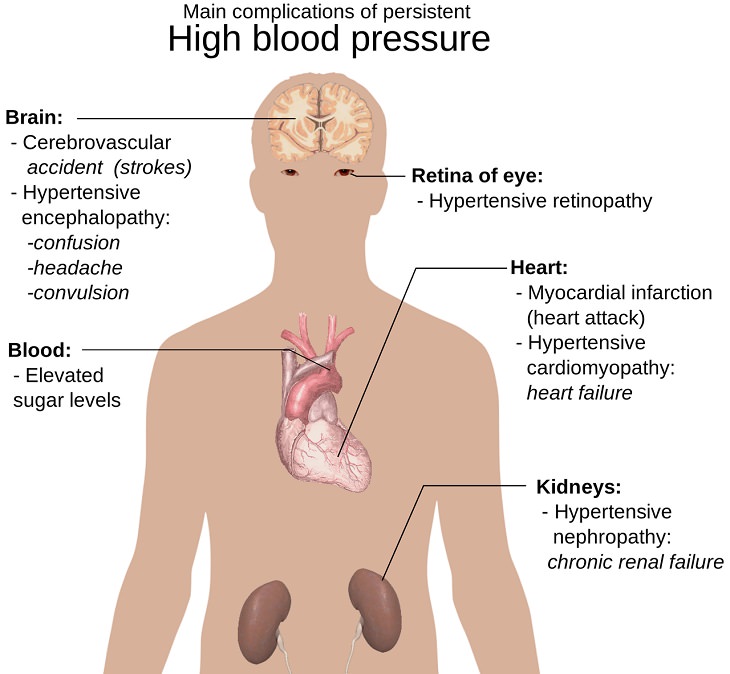
High Blood Pressure is also known as hypertension, and it increases the risk of heart disease and stroke. It can be caused due to any number of environmental factors, extreme stress, or an existing condition. There are even a few common habits that could be affecting your blood pressure, without you realising it.
The World Health Organization (WHO) has also stated that there are clear links between high sodium (salt) consumption and hypertension, especially when coupled with low potassium intake.
A change in lifestyle is the best way to combat this disease, along with medications, like beta blockers, which can help reduce blood pressure and lower the risk of heart disease.
What is Nilvadipine?
Nilvadipine is a calcium channel blocker that allows the heart muscles to relax and consequently helps reduce blood pressure. This makes it an immensely common medicine used to treat hypertension. As it turns out, this drug might also have the capability of increasing the flow of blood in the brain, which could result in increased brain function.
How does it work?
What is Alzheimer’s Disease
An increasingly common form of dementia, Alzheimer’s Disease affects approximately 15 million people worldwide. It is caused by a progressive build-up of plaque in the brain, causing inflammation and a continuous decline in brain activity over a number of years.
If you or anyone you know are suffering from this ailment, here are some FAQs about Alzheimer’s that you may want to know.
The miracle that is science may once again be on the verge of a possible breakthrough. Nilvadipine is a pharmaceutical drug that has been used for treating high blood pressure (also known as hypertension). However, studies are now showing that this medication may also be extremely beneficial to people suffering from Alzheimer’s disease, which gradually affects cognitive function. These are two very different ailments, but they possibly have a common treatment.
While there is no cure for this ailment, there are medications to manage the condition, and some treatments are available that may slow down the progression of the disease.
What is Hypertension?
High Blood Pressure is also known as hypertension, and it increases the risk of heart disease and stroke. It can be caused due to any number of environmental factors, extreme stress, or an existing condition. There are even a few common habits that could be affecting your blood pressure, without you realising it.
The World Health Organization (WHO) has also stated that there are clear links between high sodium (salt) consumption and hypertension, especially when coupled with low potassium intake.
A change in lifestyle is the best way to combat this disease, along with medications, like beta blockers, which can help reduce blood pressure and lower the risk of heart disease.
What is Nilvadipine?
Nilvadipine is a calcium channel blocker that allows the heart muscles to relax and consequently helps reduce blood pressure. This makes it an immensely common medicine used to treat hypertension. As it turns out, this drug might also have the capability of increasing the flow of blood in the brain, which could result in increased brain function.
How does it work?
Nilvadipine treats hypertension
by increasing the blood flow in the hippocampus. The hippocampus is the
area of the brain linked to our ability to understand and retain
information - basically, our memory and our comprehension.
This is also an area of the brain heavily affected by Alzheimer’s Disease. In fact, a recent study showed that there are links between high blood pressure and Alzheimer's disease, as well as other forms of dementia. This is just one of many ways in which the heart and the brain are inexorably intertwined.
This link between blood pressure and dementia gave rise to the possibility that the medication Nilvadipine could play a role in reducing the symptoms of Alzheimer’s Disease. According to a 2007 Japanese study, patients with hypertension and early stages Alzheimer’s experienced increased blood flow in the brain.
It was also reported that the cognitive deficits in patients experiencing lapses in memory or comprehension were stabilized and stopped declining. This study was conducted for over 20 months with 15 patients.
Enter NILVAD
In 2013, research into the
effects of Nilvadipine on Alzheimer’s patients progressed significantly.
NILVAD, the first large-scale Phase III investigator-driven clinical
trial on the use of Nilvadipine to stabilize cognitive decline in
patients suffering from Alzheimer’s disease was launched.
It was an 18-month long trial, from 15th May 2013 to 13th April 2015, in which 511 participants above the age of 50 were selected out of 577 screened. 258 patients were given a placebo, while 253 were given the drug, Nilvadipine. Conducted across 9 different European countries, in 23 academic centers, this trial was to hopefully determine the effects of Nilvadipine.
Unfortunately, the conclusion of the study was that Nilvadipine was not beneficial for the treatment of moderate Alzheimer’s, though it did appear to confirm that the drug is safe and well-tolerated by people with Alzheimer’s. However, it is important to note that while the number of patients was much higher than previous studies, the time-frame for the trial along with the period utilized for follow-up and analyses was extremely limited.
It was also noted that the participants selected for the trial had some form of established dementia and it was not possible to conclusively say that all patients in the trial suffered solely or specifically from Alzheimer's related dementia. This was due to the lack of a clear physical indicator in the brain of the plaque typically believed to cause Alzheimer's. The symptoms of certain other forms of dementia can sometimes mimic the symptoms of Alzheimer's and vice-versa.
What’s Next?
While this trial's conclusion was not the positive outcome we hoped for, it has paved the way for future trials into the use of hypertensive medications for diminishing the progress and effects of Alzheimer’s Disease.
This study also marked the use of a ground-breaking new MRI technique, which may be instrumental in analyzing the effects of such treatments like Nilvadipine on cerebral blood flow in the future.
Conclusions aside, there are still many that see the potential use of this drug in aiding people suffering from Alzheimer’s, which is why Archer Pharmaceuticals purchased the intellectual property rights to develop Nilvadipine as a medication for Alzheimer’s. Only further research will show how best this medicine can be utilized for a dual purpose.
T