Monday, July 19, 2021

6 surprising facts about sexually transmitted diseases (STDs)

6 surprising facts about sexually transmitted diseases (STDs)
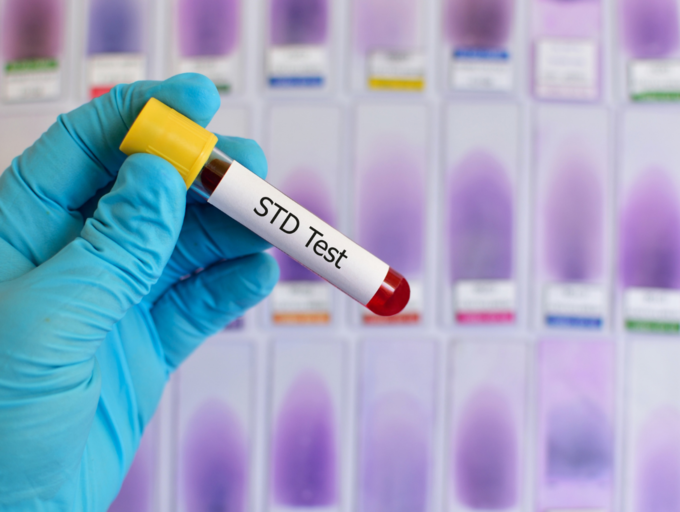
STDs are sexually transmitted diseases, also known as sexually transmitted infections, are infections that pass from one person to another through sexual contact. Around 30 million people of the adult population of India were diagnosed with STDs in 2020.

Although STDs are very common they are not openly talked about in Indian society. There is a lot of stigma around it and people tend to shame those who do have STDs.

It is about time that we learnt a little more about STDs and break the stigma around them. Here are some interesting facts that you should know about before being sexually involved with someone:

Women are at a higher risk of contracting STD
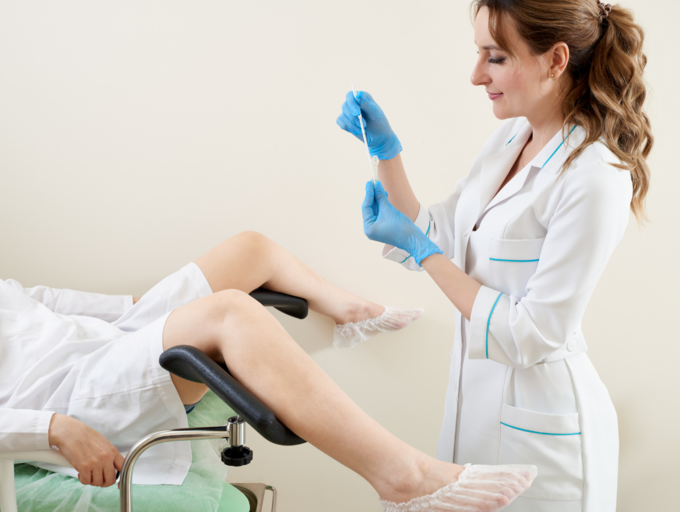
Women are biologically at a higher risk of getting STD because the vaginal surface is larger and more vulnerable to sexual secretions than the male genitalia. It is very important to treat STDs because it can lead to diseases like pelvic inflammatory disease. Women can lower the risk of getting an STD by using female condoms or by asking their partner to use condoms as well. The risk of getting an STD can never be eliminated.

There are over 35 types of STDs
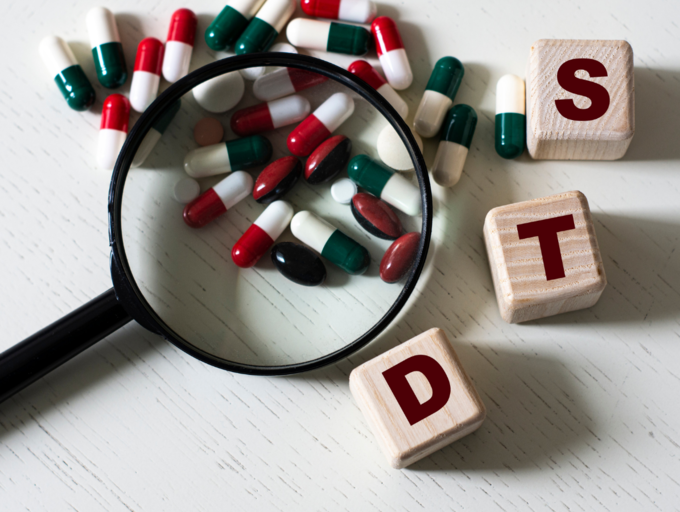
Did you know that there are more than 35 types of STDs? The most common STDs that we are aware of are Human Papillomavirus (HPV) herpes, syphilis, hepatitis, gonorrhoea, chlamydia and Human Immunodeficiency Virus (HIV) but there are many more STDs in the world. Some of these STDs can also be spread through other non-sexual activities like blood transfusions.

STDs can cause infertility

Untreated STDs can make you infertile. This is more common in women than men. Untreated Gonorrhea and chlamydia can spread to the fallopian tube and make a woman infertile, meaning they will not be able to conceive. Men can also be infertile due to untreated STDs. Therefore, it is important to get regular checkups and treat a disease without any shame.

Some STDs Are asymptomatic
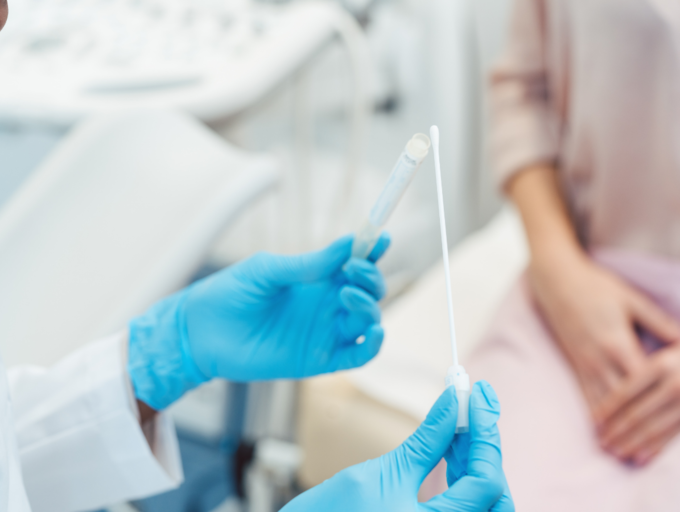
Some STDs can be asymptomatic, this means that one can have an infection and not know about it. There are no visible symptoms that can help the doctor diagnose the disease. Herpes and chlamydia can go undetected as in some cases they do not show any symptoms.

STDs can spread through any type of sexual activity

Although condoms are the second-best way to protect yourself from STDs other than abstinence, they cannot guarantee 100 per cent protection against STDs. You should use a condom while having any type of sexual activity be it oral, anal, or vaginal sex. It is better to be safe than sorry and always use protection.

Unborn children and newborns can be affected by STDs

Pregnant women should be tested for STDs, even if they do not have any symptoms because some STDs, such as HIV and hepatitis B, can be passed down to unborn children. Some STDs can cause complications during birth and can lead to premature birth, stillbirth, and low birth weight. If STDs are found during the pregnancy, the doctors can treat the infection. In case the mother is HIV positive, the doctor can suggest having the baby by cesarean section.

This is only for your information, kindly take the advice of your doctor for medicines, exercises and so on.   

https://gscrochetdesigns.blogspot.com. one can see my crochet creations  
https://gseasyrecipes.blogspot.com. feel free to view for easy, simple and healthy recipes    
https://kneereplacement-stickclub.blogspot.com. for info on knee replacement


Labels: , , , , , , , , , , , , , ,

Wednesday, April 29, 2020

Surprising Reasons for Back Pain

We all suffer from back pain at some point in our lives. Those who love to visit the doctors, rush to the medics, who will at once check you and say, get some spinal x-rays done. I can tell you that being exposed too much radiation due to x-rays, is one of the reason for my thyroid cancer. Please, my friends,  we can say NO to x-ray, if we feel it is not necessary.

Not all back pains are due to spinal problems, many of them are related to some thing else. Even when is worried, your back pain will increase, as tension causes our nerves to stress. In case you feel, your back pain is due to tension, just take a couple of deep breaths, slowly breathe out, say OM, for a few seconds at least, I'm sure you'll start feeling a lot better. 

Tension is also one of the cause of cervical pain. Another reason may be wrong/ bad posture, either due to your work or otherwise.

There are other reasons for your back pain, when you analyse and try to correct those problems, voila ! your back pain will just disappear like magic !

1) Wearing too tight pant/ dress. Though tight pants have become fashion with both men and women, it is one of the leading cause of back pain.Tight clothes make us move awkwardly, leading to stress on spine and pelvis. It can make you slump when you sit, weakening your spine. Please don't ape the fashion, one must wear what is most comfortable, as tight clothes aren't healthy.

2) Insomnia-  sleep problems can also lead to back pain or make it worse. One study found you’re 1½ times more likely to get back pain if you have insomnia. (That means it's hard to get to sleep, or stay asleep.) Researchers aren't sure exactly why. But insomnia can make you more sensitive to pain. Stress might play a part, too. Try to form a routine, better sleeping habits, learn some relaxation techniques like 4-7-8 breathing exercise, breathe in for 4 counts, hold breath for 7 and exhale for 8 count. Surely this will calm you. Learn to meditate before going to bed. Drinking warm milk, eating banana and some melon seeds  also supposed to induce good sleep.
 

3) The Way You Walk- Often we don't realise how we walk, especially if one if flat footed, then the balance tends to shift. . Does your backache kick in when you stand up or start to walk? If so, check with a foot specialist to see if your tootsies might be to blame.
When I was having plantar fascitis in my left foot, was putting more pressure on my right side leading to back pain, as already I've spinal problem.

4) Scarred Nerves -After you have an injury or surgery around the nerves in your back, scar tissue grows. This thick, tough stuff helps the nerve heal. But when you move, the scar can tug on the sensitive area. Scarring also can also block blood supply to the nerve, causing back pain. Your doctor may treat scarred nerves with electric pulse therapy, which diverts pain signals. Or you might need surgery.


5)Video Gaming- Gamers tend to spend lots of time seated, with their heads tilted forward and their shoulders slumped. Poor posture and hours of sitting can lead to muscle strain and stiffness. One easy fix: Set a timer for 20- or 30-minute breaks to remind yourself to stand up and move around. And instead of slouching on the sofa, sit on a therapy ball.

6) Having a C-Section- One study found that women who gave birth by cesarean section with epidural anesthesia were more likely to have lower back pain later. Labor can put your body into strained positions. An epidural cancels pain, so you could lie for a long time in an awkward pose you can’t feel. This can damage your back and lead to pain. Also, you must limit activity for a while after a C-section. That can weaken your abs -- another cause of back pain. Actually, my first baby was born through C-section, after that when I had spinal pain, my orthopaedic said avoid epidural, go for GA in case you're going for other surgeries. But sadly, when I had my right knee replacement and varicose veins ablation, they said only spinal will be given. Already, I've had L4-L5 prolapsed disc surgery way back in 1988, since 1990, I developed problem in the next stage, my ortho said try to avoid, unless I can find a good surgeon who will do key-hole surgery for it. Have been grinning and bearing the pain, when I strain a lot, it does hurt, then I just lie down and meditate, I don't take pain killers.


7) Smoking- Smokers are almost 3 times more likely to get lower back pain. Tobacco slows the flow of blood to your tissues and bones. This can lead to a painful breakdown in the disks of your spine. Since smoking also slows healing, the ache may linger. Researchers also think nicotine makes pain feel worse. Ask your doctor about ways to quit smoking.


8) Your Height- Studies have found a link between height and back problems. One found that women at least 5 feet, 7 inches tall were 20% more likely to have lower back pain than shorter women. The risk also rose for tall men, especially those over 6-foot-1. Hormones, or the way a taller body moves, could be to blame. So could posture problems that happen when you often stoop to get into a car or lean over to talk to shorter folks. Don't bend to talk to shorties, let them look up at you !


9) Urinary Tract Infections- Urinary tract infections (UTIs) happen when bacteria from your rectum or skin get into your urinary tract and infect it. Most are bladder infections. Kidney infections are more rare, but also more serious. They can cause lower back pain along with:     Fever, Chills , Nausea, .
Doctors use antibiotics to clear up UTIs, which are most common in women and girls. I can vouch for this, as my UTI wasn't properly treated, it spread to my kidneys, then my back was also hurting badly.


10) Flimsy Flip-Flops- Flip-flops , may look trendy, but not good for your back, for sure. As you shuffle along, your feet strike the ground flat, with little cushioning to absorb the impact. This not only changes your natural stride but can hurt your feet. The stress and pain can move up into your legs, hips, and lower back. Even casual summer sandals should protect and support your feet.


11) A Bulky Wallet- Now-a-days, our wallets are getting bulkier, as we've to carry credit and debut cards, then ID cards, driving license, then so many visiting cards of yours and others, money, all this makes your wallet bulge. Putting such bulging wallet in your pant pocket puts strain on your buttocks muscles. It affects sciatica, which can trigger low back pain. Try to keep minimum things in your wallet and preferably put it in front pocket, so no strain on your back.


This is only for your information, kindly take the advice of your doctor for medicines, exercises and so on.     

https://gscrochetdesigns.blogspot.com. one can see my crochet creations  
https://gseasyrecipes.blogspot.com. feel free to view for easy, simple and healthy recipes    
https://kneereplacement-stickclub.blogspot.com. for info on knee replacement

Labels: , , , , , , , , , , , ,

Monday, March 16, 2020

Coronavirus doesn't transmit from pregnant motherrs to newborns, according to study

Amid the spurt in cases of novel coronavirus in different parts of the world, a new study which suggests that the contagious virus does not transmit from pregnant mothers to newborns seems to be bringing some sigh of relief.

Chinese professors report in the journal Frontiers in Pediatrics that it doesn’t appear that the viral infection is transmittable from pregnant mothers to newborns at birth.

The study is the second out of China within the last month to confirm that mothers infected with coronavirus disease 2019 (COVID-19) during pregnancy did not infect their babies.

All four mothers in the current study, which focused on the health of the newborns, gave birth at Wuhan’s Union Hospital while infected.

Wuhan in Hubei Province is believed to be the epicenter of the current outbreak that has sickened more than 100,000 people worldwide and killed more than 3,400 — most of them in China.

None of the infants developed any serious symptoms associated with COVID-19 such as fever or cough, though all were initially isolated in neonatal intensive care units and fed formula. Three of the four tested negative for the respiratory infection following a throat swab, while the fourth child’s mother declined permission for the test.

One newborn did experience a minor breathing issue for three days that was treated by non-invasive mechanical ventilation. Two babies, including the one with a respiratory problem, did have body rashes that eventually disappeared on their own.


It’s impossible to conclude whether there’s a connection between these other medical issues and COVID-19.

“We are not sure the rash was due to the mother’s COVID-19 infection,” said lead researcher Dr. Yalan Liu

All four infants remain healthy, and their mothers also fully recovered.

In the previous retrospective study on nine pregnant mothers infected with COVID-19, researchers also found no evidence that the viral infection can pass to the child.

All nine births were done by cesarean section. Three of the four pregnancies in the current study were also brought to term by C-section.

“To avoid infections caused by perinatal and postnatal transmission, our obstetricians think that C-section may be safer,” Liu said.

“Only one pregnant mother adopted vaginal delivery because of the onset of the labor process. The baby was normal. Maybe vaginal delivery is OK. It needs further study,” Lu added.

In previous coronavirus outbreaks, scientists found no evidence of viral transmission from mother to child, but SARS and MERS were both associated with “critical maternal illness, spontaneous abortion, or even maternal death,” according to Liu.

Globally, an estimated 3.4 percent of reported COVID-19 cases have died, according to the latest data from the World Health Organization. In comparison, seasonal flu generally kills far fewer than 1 percent of those infected.

However, COVID-19 does not appear to spread as easily as influenza. Note that transmission and fatality rates are currently subject to change and revision as more research is done on the virus.

The authors said further investigations into other aspects of potential COVID-19 infection in newborns and children are needed. For example, the sensitivity of the current diagnostic test for detecting the virus is about 71 percent, so they suggest evaluating its reliability in children.

Toward that end, the researchers are collecting additional samples from the newborns, including placenta, amniotic fluid, neonatal blood, and gastric fluid, among others, to detect possible receptors for the virus.


This is only for your information, kindly take the advice of your doctor for medicines, exercises and so on.     

https://gscrochetdesigns.blogspot.com. one can see my crochet creations  
https://gseasyrecipes.blogspot.com. feel free to view for easy, simple and healthy recipes    
https://kneereplacement-stickclub.blogspot.com. for info on knee replacement

Labels: , , , , , , , , ,

Monday, September 23, 2019

Baby gut study finds bacteria different after C-section births

A huge study of babies' stool samples has found key differences between infants born vaginally and via Caesarean section, offering clues about the development of the human immune system, researchers said on Wednesday.

Vaginally born babies got most of their gut bacteria from their mother, but C-section babies did not and had more bacteria linked to the hospital around them, the study found.

It is not clear what impact the difference may have on children's future health, and the findings should not deter women from having C-section births, the scientists leading the work said.

But the so-called "baby biome" project - the world's largest such study - had opened a window on a little-understood stage in the development of human immunity, they added.

"The first weeks of life are a critical window of development of the baby's immune system, but we know very little about it," said a professor who co-led the study.

"We need to follow up ... these babies as they grow to see if early differences in the microbiome lead to any health issues."

The gut microbiome is a complex ecosystem of millions of microbes and is thought by scientists to be important for how the immune system develops.

Previous research has suggested that a lack of exposure to some microbes in early life is implicated in autoimmune diseases such as asthma, allergies and diabetes.

But scientists have not yet been able to work out how important the initial gut microbiome - or "baby biome" - is to future immunity and health, or how a baby's microbiome develops, or what happens to it with different modes of birth.

In this research,  scientists  used DNA sequencing to analyse more than 1,600 gut bacteria samples from 175 mothers and almost 600 babies.


In samples from mothers and from the babies at four, seven and 21 days old, the team found there was a significant difference between the two delivery methods - with vaginally delivered babies having many more health-associated bacteria from their mothers than babies born by Caesarean.

In place of some of the mother's bacteria, the C-section babies had more bacteria typically found in hospitals, the researchers said, and these bugs were also more likely to be drug-resistant.

"At the moment we don't understand the long-term consequences of this," the researcher said at a briefing about the results. "It's clearly complex and we're only just beginning to scratch the surface."


this is only for your information, kindly take the advice of your doctor for medicines, exercises and so on.   
https://gscrochetdesigns.blogspot.com. one can see my crochet creations 
https://gseasyrecipes.blogspot.com. feel free to view for easy, simple and healthy recipes    
https://kneereplacement-stickclub.blogspot.com. for info on knee replacement


Labels: , , , , , , , , , , , , , ,