Monday, July 19, 2021

6 surprising facts about sexually transmitted diseases (STDs)

6 surprising facts about sexually transmitted diseases (STDs)
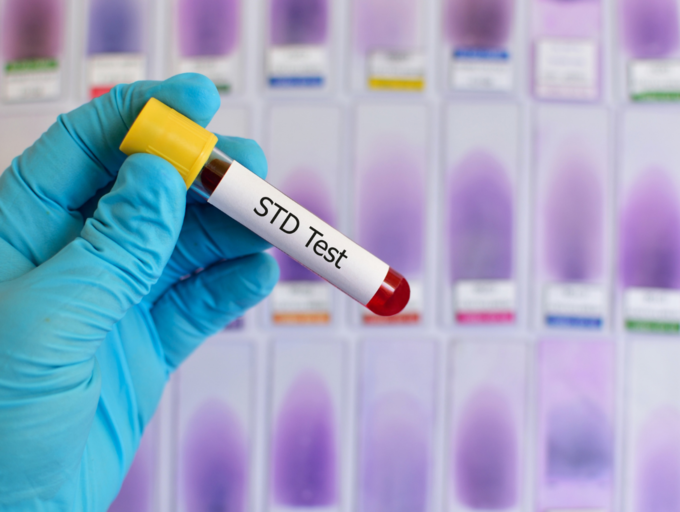
STDs are sexually transmitted diseases, also known as sexually transmitted infections, are infections that pass from one person to another through sexual contact. Around 30 million people of the adult population of India were diagnosed with STDs in 2020.

Although STDs are very common they are not openly talked about in Indian society. There is a lot of stigma around it and people tend to shame those who do have STDs.

It is about time that we learnt a little more about STDs and break the stigma around them. Here are some interesting facts that you should know about before being sexually involved with someone:

Women are at a higher risk of contracting STD

Women are biologically at a higher risk of getting STD because the vaginal surface is larger and more vulnerable to sexual secretions than the male genitalia. It is very important to treat STDs because it can lead to diseases like pelvic inflammatory disease. Women can lower the risk of getting an STD by using female condoms or by asking their partner to use condoms as well. The risk of getting an STD can never be eliminated.

There are over 35 types of STDs

Did you know that there are more than 35 types of STDs? The most common STDs that we are aware of are Human Papillomavirus (HPV) herpes, syphilis, hepatitis, gonorrhoea, chlamydia and Human Immunodeficiency Virus (HIV) but there are many more STDs in the world. Some of these STDs can also be spread through other non-sexual activities like blood transfusions.

STDs can cause infertility

Untreated STDs can make you infertile. This is more common in women than men. Untreated Gonorrhea and chlamydia can spread to the fallopian tube and make a woman infertile, meaning they will not be able to conceive. Men can also be infertile due to untreated STDs. Therefore, it is important to get regular checkups and treat a disease without any shame.

Some STDs Are asymptomatic

Some STDs can be asymptomatic, this means that one can have an infection and not know about it. There are no visible symptoms that can help the doctor diagnose the disease. Herpes and chlamydia can go undetected as in some cases they do not show any symptoms.

STDs can spread through any type of sexual activity

Although condoms are the second-best way to protect yourself from STDs other than abstinence, they cannot guarantee 100 per cent protection against STDs. You should use a condom while having any type of sexual activity be it oral, anal, or vaginal sex. It is better to be safe than sorry and always use protection.

Unborn children and newborns can be affected by STDs

Pregnant women should be tested for STDs, even if they do not have any symptoms because some STDs, such as HIV and hepatitis B, can be passed down to unborn children. Some STDs can cause complications during birth and can lead to premature birth, stillbirth, and low birth weight. If STDs are found during the pregnancy, the doctors can treat the infection. In case the mother is HIV positive, the doctor can suggest having the baby by cesarean section.

This is only for your information, kindly take the advice of your doctor for medicines, exercises and so on.   

https://gscrochetdesigns.blogspot.com. one can see my crochet creations  
https://gseasyrecipes.blogspot.com. feel free to view for easy, simple and healthy recipes    
https://kneereplacement-stickclub.blogspot.com. for info on knee replacement


Labels: , , , , , , , , , , , , , ,

Wednesday, February 21, 2018

After-effects not necessarily reduced with robotic prostate surgery

Men with prostate cancer who get the gland removed may be just as likely to suffer after-effects like erectile dysfunction and urinary incontinence with robotic surgery as with other operations, a UK study suggests. 

Researchers examined data on men with localized prostate cancer who had an operation known as a radical prostatectomy. These included 1,310 men who had minimally invasive robot-assisted procedures, 427 who had other minimally invasive operations and 422 who had surgery involving an incision through the abdominal wall. 

When researchers surveyed men 18 months after their operations, there were no meaningful differences among the groups in how often patients reported problems with sexual function, urinary incontinence or bowel movements. 

The type of surgery also didn’t appear to influence quality of life, researchers report.

The results suggest that men shouldn’t be making surgery decisions based solely on whether the procedures will be done using robots, said lead study author Dr. Julie Nossiter of the London School of Hygiene and Tropical Medicine. 

“The expertise and skill of an individual surgeon, and comparative performance of a surgical center should drive treatment decisions,” a researcher said. 

Many men with early-stage prostate cancer may not need treatment right away, or ever, because these tumors often don’t grow fast enough to cause symptoms or prove fatal. Treatment can have after-effects such as impotence and incontinence. 

In the absence of symptoms or tests that suggest tumors are growing quickly, doctors may advise men to put off immediate treatment and instead get regular screenings to reassess whether the cancer is dangerous enough to warrant intervention. 

When men do opt for treatment, they may receive radiation or surgery. A growing number of men are opting for surgeries with high-tech robots, particularly in the UK where surgical centers catering to robotic procedures are increasingly luring patients away from local hospitals, according to another recent study . 

Some previous research has also linked robotic surgery to lower blood loss and shorter hospital stays than other prostate operations,the researcher said. 

Surgical options include what’s known as keyhole surgery, which involves making a number of small holes in the abdomen that allow the surgeon to insert cameras and instruments. This can be done with a surgeon holding and controlling the instruments or with a robot controlling the surgical tools.
Another surgical option is what’s known as open surgery, which involves a large cut in the abdominal wall. 

Following each of these surgical options, 27 to 30 percent of men in the study reported urinary incontinence, 12 percent reported painful urination and 11 to 12 percent reported bowel problems.
About 21 to 25 percent of men also reported sexual dysfunction. The degree of sexual dysfunction experienced by men who had robotic surgery was very slightly lower compared to the others, but not enough to make a clinical difference, the authors note. 

The study wasn’t a controlled experiment designed to prove whether or how the type of prostate surgery might influence the risk of after effects. It also didn’t look at how well the different options worked at the main goal of surgery - curing cancer. 

Even so, the results suggest that robotic surgery may not always be the best choice, said a researcher.

“This paper illustrates that despite the many appeals of robotic surgery, the outcomes, at least the functional outcomes looked at here, are not significantly superior,” a researcher, who wasn’t involved in the study, said by email. “This raises the question whether it is necessary to use a more complex and expensive technology to perform these surgeries.” 

For many men, especially relatively healthy patients with cancer that hasn’t spread beyond the prostate, surgery might not be necessary at all, noted  a researcher who wasn’t involved in the study. 

“Newer is not always better,” the researcher said by email. “What drives technology diffusion in healthcare is not always improved outcomes.” 

THIS IS ONLY FOR INFORMATION, ALWAYS CONSULT YOU PHYSICIAN BEFORE HAVING ANY PARTICULAR FOOD/ MEDICATION/EXERCISE/OTHER REMEDIES.    
PS- THOSE INTERESTED IN RECIPES ARE FREE TO VIEW MY BLOG-                      
HTTP:GSEASYRECIPES.BLOGSPOT.COM/
FOR INFO ABOUT KNEE REPLACEMENT, YOU CAN VIEW MY BLOG-                                                     
HTTP://KNEE REPLACEMENT-STICK CLUB.BLOGSPOT.COM/
FOR CROCHET DESIGNS

HTTP://MY CROCHET CREATIONS.BLOGSPOT.COM

Labels: , , , , , , , , ,

Sunday, November 01, 2015

10 Prostate Cancer Risk Factors Men Should Know

THIS IS ONLY FOR INFORMATION, ALWAYS CONSULT YOU PHYSICIAN BEFORE HAVING ANY PARTICULAR FOOD/ MEDICATION/EXERCISE/OTHER REMEDIES.

FOR INFO ABOUT KNEE REPLACEMENT, YOU CAN VIEW MY BLOG
HTTP://KNEE REPLACEMENT-STICK CLUB.BLOGSPOT.COM/

FOR CROCHET DESIGNS- http://My Crochet Creations.blogspot.com/


According to the American National Cancer Institute, after skin cancer, prostate cancer is the most common type of cancer in men, and 1-in-7 will be diagnosed with it during their lifetime. This is quite the troubling statistic, especially since many men still don’t even know where in their body the prostate is.
The prostate is a walnut-sized gland that is located under the bladder, at the base of the penis. It is a vital part of the reproductive system and its function is to assure the arrival of the sperm into the vagina. It does that by producing an alkaline fluid that protects the spermatozoa from the acidic conditions in the cervix.
While age is the number-1 risk factor when it comes to prostate cancer, there are several other key factors that can raise and lower the risks. Here are the 10 most important ones every man should know.

1. Family History
If your 1st-degree relative was diagnosed with prostate cancer in the past, your risk factor is nearly double that of a person without a family history of prostate cancer. Just like how heart diseases can be hereditary, so does prostate cancer, according to a study.
2. Excess Weight
Being overweight increases your risk of developing various forms of cancer, including prostate cancer. Overweight and obese men are also at risk for developing a more aggressive form of prostate cancer, according to a study.
3. Frequency of Sexual Activity in Early Ages
A study found that the more a 20-30 year-old male masturbates, the more likely he is to develop prostate cancer. Researchers believe it is caused by elevated levels of testosterone, which rises the more sexually active a young man is.
4. Frequency of Sexual Activity in Men Over 50
On the other hand, the more frequently 50-year-olds engage in sexual activities, the less likely are they to develop prostate cancer, according to a study. Lab tests found that the biochemical composition of sperm changes when a man engages in intercourse versus masturbation, and that change significantly affects the risk of prostate cancer. Researchers suggest that intercourse stimulates the prostate to remove toxins that masturbation does not.

5. Frequency of Exercise
How much time you spend in the gym can directly affect the likeliness of you developing prostate cancer. A Harvard University study found that moderate physical exercise provides a boost to the immune system, encouraging it to produce “hunter cells” and protective chemicals that battle cancerous cells. In addition, it is speculated that burning fat also decreases prostate cancer risks.
6. Previous Dealings with Cancer
Men who suffered from other forms of cancer in the past are more likely to develop prostate cancer. Studies found that men who suffered from cancer in the kidneys, bladder, lungs, thyroid and skin cancers are at a much higher risk group to develop prostate cancer.
7. STDs
Suffering from infections or prostatitis can increase your chances of contracting prostate cancer. According to a University of Michigan study, men who had gonorrhea or syphilis are more likely to develop prostate cancer, especially in chronic cases. It’s important to mention that these findings are still inconclusive, and another assumption is that men who suffer from STDs get checked more often, thus increasing the chances of diagnosing a preexisting condition.
8. Alcoholism
Even though one glass of wine per day is good for your heart, drinking hard liquor more than 5 times a week doubles the risk of developing prostate cancer, according to a study. It is still not clear how alcohol increases the risk factor, but researchers suggest that it interrupts the body’s natural DNA repair mechanisms.

9. A Calcium-Rich Diet
Researchers are still not sure how our eating habits affect prostate cancer risks, but several studies have found that a calcium-rich diet increases the risk of prostate cancer. Men between the ages of 19 and 70 are advised not to consume more than 1,000mg of calcium a day, and men over 71 should limit themselves to 1,200mg per day. It is also highly recommended not to consume more than 2,000mg per day.
10. Vasectomy
A study found that men who went through a vasectomy have a 10% increase in their risk to develop prostate cancer. In addition, the earlier in life the procedure was performed, the higher the risk. It is important to note that the American Urologist Association objects to these findings.
So What Can You Do to Minimize the Risks?
Most of the risk factors are genetic, and it is still impossible to change one’s genetic makeup. However, if you maintain a healthy diet, you can significantly decrease your chances of developing prostate cancer.
It is highly advisable for men over 40 to get a checkup every year, and even more often if you’re in one of the aforementioned risk groups.

Labels: , , , , , , , , ,