6 surprising facts about sexually transmitted diseases (STDs)
6 surprising facts about sexually transmitted diseases (STDs)
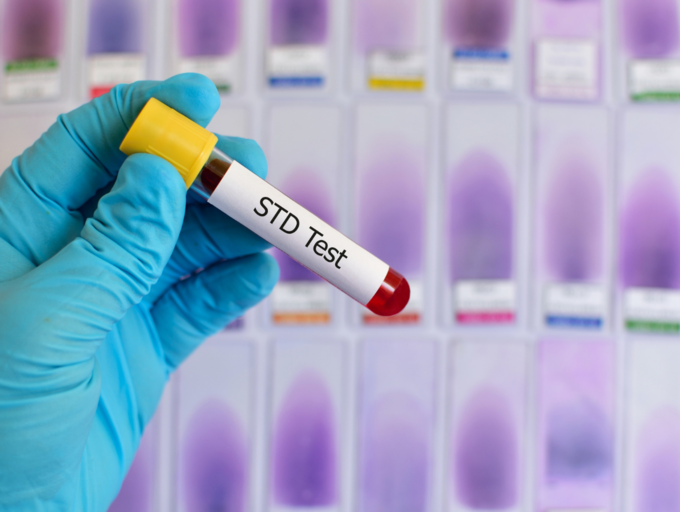
STDs are sexually transmitted diseases, also known as sexually transmitted infections, are infections that pass from one person to another through sexual contact. Around 30 million people of the adult population of India were diagnosed with STDs in 2020.
Although STDs are very common they are not openly talked about in Indian society. There is a lot of stigma around it and people tend to shame those who do have STDs.
It is about time that we learnt a little more about STDs and break the stigma around them. Here are some interesting facts that you should know about before being sexually involved with someone:
Women are at a higher risk of contracting STD

Women are biologically at a higher risk of getting STD because the vaginal surface is larger and more vulnerable to sexual secretions than the male genitalia. It is very important to treat STDs because it can lead to diseases like pelvic inflammatory disease. Women can lower the risk of getting an STD by using female condoms or by asking their partner to use condoms as well. The risk of getting an STD can never be eliminated.
There are over 35 types of STDs
Did you know that there are more than 35 types of STDs? The most common STDs that we are aware of are Human Papillomavirus (HPV) herpes, syphilis, hepatitis, gonorrhoea, chlamydia and Human Immunodeficiency Virus (HIV) but there are many more STDs in the world. Some of these STDs can also be spread through other non-sexual activities like blood transfusions.
STDs can cause infertility

Untreated STDs can make you infertile. This is more common in women than men. Untreated Gonorrhea and chlamydia can spread to the fallopian tube and make a woman infertile, meaning they will not be able to conceive. Men can also be infertile due to untreated STDs. Therefore, it is important to get regular checkups and treat a disease without any shame.
Some STDs Are asymptomatic
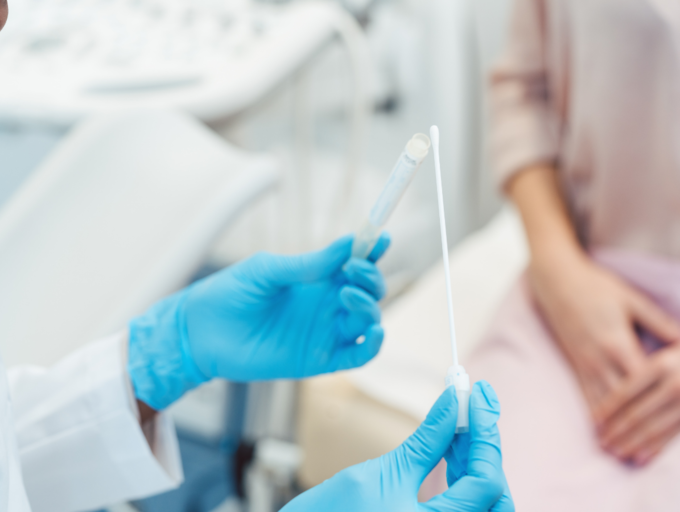
Some STDs can be asymptomatic, this means that one can have an infection and not know about it. There are no visible symptoms that can help the doctor diagnose the disease. Herpes and chlamydia can go undetected as in some cases they do not show any symptoms.
STDs can spread through any type of sexual activity

Although condoms are the second-best way to protect yourself from STDs other than abstinence, they cannot guarantee 100 per cent protection against STDs. You should use a condom while having any type of sexual activity be it oral, anal, or vaginal sex. It is better to be safe than sorry and always use protection.
Unborn children and newborns can be affected by STDs

Pregnant women should be tested for STDs, even if they do not have any symptoms because some STDs, such as HIV and hepatitis B, can be passed down to unborn children. Some STDs can cause complications during birth and can lead to premature birth, stillbirth, and low birth weight. If STDs are found during the pregnancy, the doctors can treat the infection. In case the mother is HIV positive, the doctor can suggest having the baby by cesarean section.