Monday, July 19, 2021

6 surprising facts about sexually transmitted diseases (STDs)

6 surprising facts about sexually transmitted diseases (STDs)
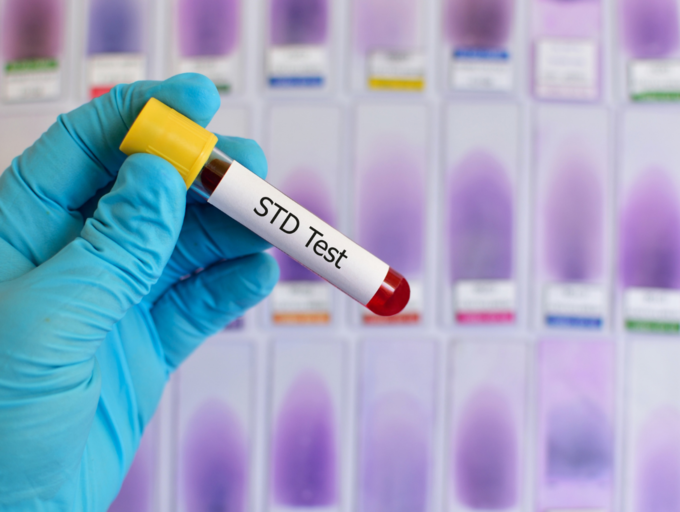
STDs are sexually transmitted diseases, also known as sexually transmitted infections, are infections that pass from one person to another through sexual contact. Around 30 million people of the adult population of India were diagnosed with STDs in 2020.

Although STDs are very common they are not openly talked about in Indian society. There is a lot of stigma around it and people tend to shame those who do have STDs.

It is about time that we learnt a little more about STDs and break the stigma around them. Here are some interesting facts that you should know about before being sexually involved with someone:

Women are at a higher risk of contracting STD
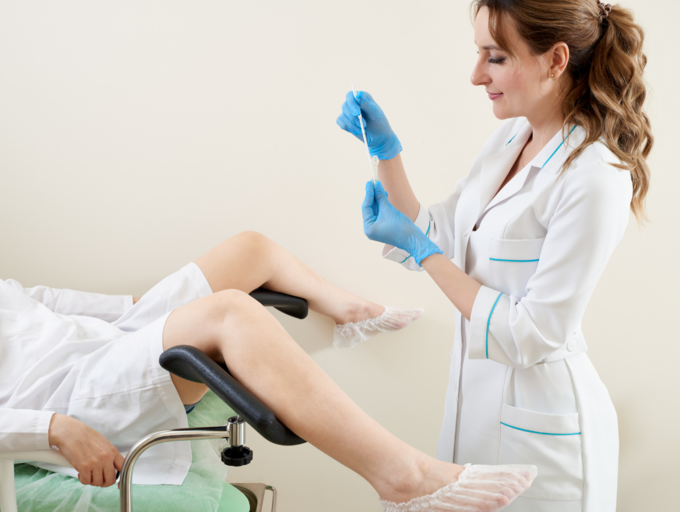
Women are biologically at a higher risk of getting STD because the vaginal surface is larger and more vulnerable to sexual secretions than the male genitalia. It is very important to treat STDs because it can lead to diseases like pelvic inflammatory disease. Women can lower the risk of getting an STD by using female condoms or by asking their partner to use condoms as well. The risk of getting an STD can never be eliminated.

There are over 35 types of STDs

Did you know that there are more than 35 types of STDs? The most common STDs that we are aware of are Human Papillomavirus (HPV) herpes, syphilis, hepatitis, gonorrhoea, chlamydia and Human Immunodeficiency Virus (HIV) but there are many more STDs in the world. Some of these STDs can also be spread through other non-sexual activities like blood transfusions.

STDs can cause infertility

Untreated STDs can make you infertile. This is more common in women than men. Untreated Gonorrhea and chlamydia can spread to the fallopian tube and make a woman infertile, meaning they will not be able to conceive. Men can also be infertile due to untreated STDs. Therefore, it is important to get regular checkups and treat a disease without any shame.

Some STDs Are asymptomatic
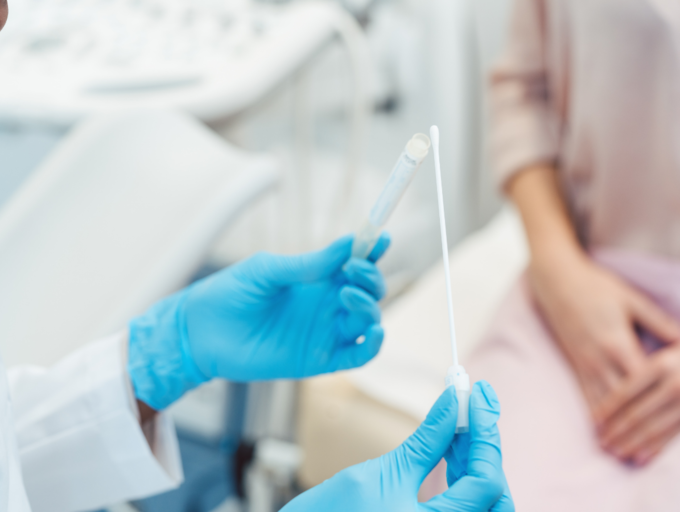
Some STDs can be asymptomatic, this means that one can have an infection and not know about it. There are no visible symptoms that can help the doctor diagnose the disease. Herpes and chlamydia can go undetected as in some cases they do not show any symptoms.

STDs can spread through any type of sexual activity

Although condoms are the second-best way to protect yourself from STDs other than abstinence, they cannot guarantee 100 per cent protection against STDs. You should use a condom while having any type of sexual activity be it oral, anal, or vaginal sex. It is better to be safe than sorry and always use protection.

Unborn children and newborns can be affected by STDs

Pregnant women should be tested for STDs, even if they do not have any symptoms because some STDs, such as HIV and hepatitis B, can be passed down to unborn children. Some STDs can cause complications during birth and can lead to premature birth, stillbirth, and low birth weight. If STDs are found during the pregnancy, the doctors can treat the infection. In case the mother is HIV positive, the doctor can suggest having the baby by cesarean section.

This is only for your information, kindly take the advice of your doctor for medicines, exercises and so on.   

https://gscrochetdesigns.blogspot.com. one can see my crochet creations  
https://gseasyrecipes.blogspot.com. feel free to view for easy, simple and healthy recipes    
https://kneereplacement-stickclub.blogspot.com. for info on knee replacement


Labels: , , , , , , , , , , , , , ,

Saturday, August 24, 2019

Top 5 irreversible health conditions that STIs can give you

Sexually transmitted infections are usually manageable, but care should be taken to get proper and timely treatment. If ignored, they can result in life-threatening medical conditions.
Sexually transmitted infections are very common and are usually the result of unsafe sex. You may get these infections if you have unprotected vaginal, anal or oral sex with an infected person. Another name for these infections is sexually transmitted diseases (STDs) or venereal diseases (VD). Sometimes, these infections may also be transmitted through shared needles and via breastfeeding. A newborn may get them from an infected mother. Sometimes, a person suffering from some of these diseases may exhibit no symptoms. However, the silent symptoms make these sexually transmitted infections more complex and difficult to treat. If left untreated, they can cause irreversible damage to your body  and may even cause death. Here is a low-down on the irrevbersible health diseases you may end up with if sexually transmitted infections are not addressed on time.


Chlamydia

This is quite common. It affects both men and women. Chlamydia is dangerous because you may go for months without exhibiting any symptoms. Symptoms are usually an abnormal vaginal discharge and a burning sensation when urinating in women.

Men may notice a discharge from their penis, experience a burning sensation while urinating and pain and swelling in one or both testicles. Repeat infection is very common. Condoms, if properly used, may offer protection. You doctor may recommend antibiotics for treatment of this disease.

Health effects
: Repeat infection happens a lot in this disease. But your doctor can easily cure it with antibiotic medication. But if left untreated, it can cause permanent infertility in both men and women, put you at increased risk of contracting HIV. It also increases the risk of urethritis in men.

Other risks are pelvic Inflammatory disease and miscarriage and/or pre-term labour in women. If a mother has this disease then her baby may suffer from premature delivery, conjunctivitis, lung infections, pneumonia and ear infections.


Gonorrhea

This disease can be transmitted by sexual contact with an infected person through the penis, vagina, anus, mouth or eye. It affects the reproductive tract as well as the mucous membranes of the mouth, throat, eyes, and rectum. Though antibiotics can treat and cure gonorrhoea, many strains of this disease are now becoming antibiotic-resistant. If you practise unsafe sex, you must go in for regular screening.

Health effects:
If left untreated, this sexually transmitted disease can lead to scarring of the Fallopian tubes. It can cause ectopic pregnancies or miscarriage and infertility in women. Inflammation of the prostate, scarring of the urethra and infertility in men are common side-effects of this diseases. Babies born to mothers with this disease may suffer from blindness, serious joint infections and deadly blood infections.


Herpes

This is very common. This infection can lie dormant for years without exhibiting any symptoms. There is no cure for this disease though doctors may recommend antiviral drugs to shorten outbreaks and decrease infectiousness. They may also prescribe medication to relieve symptoms of redness, itchiness and tingling.

Health effects:
This disease is not life-threatening, but it is not curable either. But if you leave it untreated, outbreaks may become severe and you may suffer from open sores. This can put you at risk of other infections. Some herpes viruses, like HSV-1 and HSV-2, can cause meningitis and encephalitis. Even babies may be susceptible to these conditions if they contract herpes from their mother during childbirth.


Syphilis

This sexually transmitted diseases makes its presence felt via a painless sore on the genitals. In later stages it can manifest as a skin rash. This may disappear after some time with or without treatment. In fact, a person may not exhibit any symptoms for many years after this. In this late stage, say after maybe 20 years of getting infected, it can cause irreversible life-threatening complications. It can damage the brain, nerves, eyes or heart. Doctors use penicillin to treat this condition.

Health effects: If left untreated, this disease can manifest as soft, spongy balls of inflammation all over the body and bones. It can cause large sores on the skin and inside the body. This causes internal bleeding, enlargement of the liver and/or spleen, deformations, dementia, aneurysm, loss of motor functions, seizures and even death.


Chancroid

This condition is easily curable if treated properly. This bacterial infection causes open sores on or around the genitals of men and women. It is more prevalent in developing nations and among the poorer sections of people. Commercial sex workers are also more prone to this disease. This infection is also transmitted via skin-to-skin contact with an infected person. Your doctor will prescribe an antibiotic to treat this condition. In severe cases, it may require surgery.

Health effects: Left untreated, this disease may cause permanent scarring on the genitals of men and lead to serious complications and infections in women including infertility. It may also increase your risk of other STDs.


Hepatitis B

You may get this disease if you come in contact with infected semen, blood and other bodily fluids. You may get it if you have unprotected sex or use an unsterilised syringe. Transfusion with infected blood is also another way that you may get infected. Babies may get it from infected mothers. This can cause severe liver damage, and this can eventually lead to cancer. Symptoms are usually absent and, hence, a person may unknowingly pass it on to an unsuspecting partner.

Health effects: If left untreated, this condition can cause chronic liver disease and liver failure. It can lead to liver cancer and even death. Vaccines can prevent this disease. Usually, hepatitis B vaccinations come in three doses administered over several months for total immunity and protection from the virus.


THIS IS ONLY FOR INFORMATION, ALWAYS CONSULT YOU PHYSICIAN BEFORE HAVING ANY PARTICULAR FOOD/ MEDICATION/EXERCISE/OTHER REMEDIES.                                    PS- THOSE INTERESTED IN RECIPES ARE FREE TO  VIEW MY BLOG-                                                                                           https://gseasyrecipes.blogspot.com/                                                                                                                                                FOR INFO ABOUT KNEE REPLACEMENT, YOU CAN VIEW MY BLOG-                                                                       https:// kneereplacement-stickclub.blogspot.com/                                                                                                                     FOR CROCHET DESIGNS                                                                                                   
                                https://gscrochetdesigns.blogspot.com

Labels: , , , , , , , , ,

Saturday, June 08, 2019

Every 25th person in the world has a sexually transmitted infection

More than one million new cases of curable sexually transmitted infections are diagnosed everyday in the age group of 15-59. The World Health Organization (WHO) came out with this finding in a new report on four sexually transmitted infections’ (STIs) burden in 2016. The total estimated burden in the year was 376.4 million.

There were 127 million new cases of chlamydia, 87 million cases of gonorrhoea, 6.3 million of syphilis and 156 million of trichomoniasis.

Approximately 13.5 per cent (50.8 million) of these infections occurred in low-income countries, 31.4 per cent (118.1 million) in lower middle-income countries, 47.1 per cent (177.3million) in upper middle-income countries and 8 per cent (30.1 million) in high-income nations, according to the report.

The research also showed that the prevalence of chlamydia, gonorrhoea and trichomoniasis increased more in women than men.

Chlamydia, syphilis and gonorrhoeaare bacterial infections spread through vaginal, anal or oral sex. And trichomoniasis is caused by a parasite called Trichomonasvaginalis.

Like Chlamydia, syphilis and gonorrhoea, trichomoniasis also spreads through sexual contacts. Both males and females are susceptible to all these four infections.

On an average, one in every 25 people in the world has at least one of these infections and some have more than one. And there is no subsequent decline in the condition since the last research in 2012.

“We’re seeing a concerning lack of progress in stopping the spread of sexually transmitted infections worldwide,” said a WHO executive. “This is a wake-up call for a concerted effort to ensure everyone, everywhere can access the services they need to prevent and treat these debilitating diseases.”

STIs spread through unprotected sexual contact and can also be transmitted during pregnancy and or in case of syphilis, through contact with infected blood.

If untreated, STIs can lead to many health problems including infertility, problems in pregnancy, and increased risk of HIV. According to an estimation mentioned in the WHO report, syphilis caused two lakh stillbirth and newborn deaths in 2016.

All bacterial STIs can be treated and cured with widely available medications. However, an article published by WHO stated that recent shortages in the global supply of benzathine penicillin, which is an antibiotic useful for the treatment of a number of bacterial infections, have made it more difficult to treat syphilis.

Rapidly increasing resistance to gonorrhoea treatments is also a growing health threat. The World Health Assembly in 2016 aims to take necessary steps to end STIs as public health concern by 2030.

THIS IS ONLY FOR INFORMATION, ALWAYS CONSULT YOU PHYSICIAN BEFORE HAVING ANY PARTICULAR FOOD/ MEDICATION/EXERCISE/OTHER REMEDIES.                                    PS- THOSE INTERESTED IN RECIPES ARE FREE TO  VIEW MY BLOG-                                                                                           https://gseasyrecipes.blogspot.com/                                                                                                                                                FOR INFO ABOUT KNEE REPLACEMENT, YOU CAN VIEW MY BLOG-                                                  https:// kneereplacement-stickclub.blogspot.com/  

                            FOR CROCHET DESIGNS                                                                                                                                                                                                  https://gscrochetdesigns.blogspot.com

Labels: , , , , , , , , ,

Saturday, March 30, 2019

Here's How Oral Sex Can Give You Cancer

You know the benefits of oral sex: It builds intimacy, helps her orgasm, and feels fantastic. In fact, we doubt any of the 85 % of adults who have had oral sex at least once with their partner would argue that it’s not pretty damn awesome.

But that doesn’t mean oral sex is risk-free. In fact, it’s one of the most common ways to spread sexually transmitted diseases, like chlamydia, gonorrhea, herpes, and human papillomavirus (HPV), according to cancer specialists.

And depending on the strain you’re infected with, HPV can raise your risk of cancer—specifically of your oropharynx, or the middle part of your throat.

In fact, the number of people diagnosed with HPV-linked throat cancer is growing: Researchers found the presence of HPV in 21 percent of patients with oropharyngeal cancer before 1990. After 2000, 65 percent of sampled patients showed HPV, according to a meta-analysis published recently.

“We’re just seeing the tip of the iceberg of this problem, and it’s really a public health crisis,” explains the chairman for the Department of Otolaryngology–Head and Neck Surgery. He says that cases of HPV-related throat cancers have risen 300 percent from the 1980s to the 2000s.

“We’re just seeing the effects now, but it’s going to be much more common in the coming years and decades,” he adds.

Here’s everything you need to know about how oral sex can raise your risk for throat cancer—and exactly what you can do to protect yourself from it.

What Is Throat Cancer?

Throat cancer, officially known as oropharyngeal cancer, is more than twice as common in men than women, according to the American Cancer Society. It specifically affects your tonsils and the base, or the very back, of your tongue, says the Dr.

Throat cancer is different from oral cancer, which occurs in your lips, gums, tongue, linings of your cheek, or the roof or floor of your mouth. Throat cancer and oral cancer share some common causes—think smoking or chewing tobacco—but HPV is not one of them. Certain HPV strains are linked to throat cancer, not to oral cancer, he explains.

How Is Oral Sex Linked to Throat Cancer?

About 70 % of oropharyngeal cancers are caused by HPV, says the doctors. So what’s going on?

HPV is a shockingly common STD. Between 2013 and 2014, 45 percent of men aged 18 to 59 carried some form of HPV, according to the most recent CDC data. It's so common that if you’re sexually active, you'll probably contract it at some point in your life.

But that definitely doesn’t mean everyone who does will go on to develop the cancer. That’s because in the vast majority of the cases, your body will fight it off, clearing it from your system within 1 to 2 years.

There are more than 40 types of HPV, though, and some strains are more serious than others. Doctors call them “high risk” strains, and researchers found that of the men who tested positive for genital HPV, 25% carried at least one of them. The type most commonly linked to throat cancer is called HPV 16.

Research shows that nearly 7 percent of Americans have oral HPV, but only 1 percent carries that cancer-causing type, according to the CDC.

If you’re unlucky enough to harbor a cancer-causing strain, proteins that are coded by the virus can attack your cells and cause them to grow out of control. At the same time, it messes with cell suicide—a scary-sounding process that’s actually completely normal, and stops cells from multiplying unchecked if there’s a problem there, explains the Dr.  As a result, cancerous cells can begin to increase rapidly, causing the formation of the HPV-positive tumor.

Why Is HPV-Related Throat Cancer Increasing?

It wasn’t until recently that doctors and researchers made the link between HPV and throat cancer. Decades ago, the vast majority of throat cancers were caused by smoking---and the cancers were notoriously difficult to treat.

But from the early ‘80s to ‘90s, hospitals started seeing patients who had never smoked developing cancer in their tonsils, and their cancers were a lot easier to cure than the smokers’ cancer were.
“That’s when people knew something was different,” says the Dr. 

Zeroing in on the sexual revolution of the 60s, they landed on HPV as the likely culprit. The STD can be passed by giving and receiving oral sex, and even by open mouth kissing alone. If your throat is infected with it, and you go down on your partner, you can transmit it to him or her, and vice versa.
Once it’s in your throat, it can lay dormant for decades—that’s why doctors are just now seeing an uptick in oral sex-related cancer diagnoses.

What Are Throat Cancer Symptoms?

Scary thing is, HPV-linked throat cancer is virtually symptomless at its early stages.

The telltale sign, which usually appears only when it's progressed to a more advanced stage? A painless lump in your neck. “It’s usually right where you get swollen glands from tonsillitis, the upper part of the neck right next to your voice box region,” explains the Dr. 

Most guys will feel it while they’re shaving and mistake it for an infection—and if you rock a beard, you might not even notice it at all.

Other symptoms include trouble swallowing, subtle changes to your voice, and a mild sore throat that can persist and became more painful over time, but these are typically more pronounced in people with smoking-related throat cancer.

How Can Your Protect Yourself From HPV-Related Throat Cancer?

Most people catch HPV during their sexually robust college years, explains the Dr.  In fact, about 10 percent of students on campuses have cancer-causing HPV in their mouths at any given time, he says.
Again, that doesn’t mean all those people will go on to get the cancer: In most cases, your body will clear the infection within two years (During that time, though, you’d still be able to pass it on to your partners).

The best way to dodge it is to play the preventive game. Get the HPV vaccine to protect yourself from the cancer-causing strains. If you’re 26 or younger, insurance will cover the vaccine. If you didn’t get it when you were a kid, you can still get the vaccine as an adult if you meet certain criteria,  as per the CDC's recommendations.

“There’s only about 1 percent of cancers that have been identified due to strains that may or may not be included in the vaccine, so it’s 99 percent preventable with vaccination—but the key is, you need to vaccinate yourself before you’re exposed,” says the Dr.

If you’re well over the vaccine age limit and don’t meet the other criteria, you can help keep yourself safe by limiting your number of sexual partners. Research shows your risk skyrockets once you’re sexually involved with six or more people, explains the Dr. Utilizing condoms and dental dams correctly can also lower your risk. 
 
There’s not much you can do to minimize your risk once you’ve been diagnosed with HPV. Think of it this way: People who smoke a lot and drink heavily are at a 40 times higher risk of developing throat cancer malignancies than people who don’t.

That risk is 55 times higher for someone with HPV, says the Dr.

But if you do get the cancer from your HPV infection, there’s more than a 90 percent chance that you’ll successfully be cured of it, he says. Like with all cancers, earlier detection can improve your changes of survival, so if you notice any of the symptoms listed above—especially if you’ve been diagnosed with HPV—loop in your doctor as soon as possible.

THIS IS ONLY FOR INFORMATION, ALWAYS CONSULT YOU PHYSICIAN BEFORE HAVING ANY PARTICULAR FOOD/ MEDICATION/EXERCISE/OTHER REMEDIES.                                    PS- THOSE INTERESTED IN RECIPES ARE FREE TO  VIEW MY BLOG-                                                                                           https://gseasyrecipes.blogspot.com/                                                                                                                                                         FOR INFO ABOUT KNEE REPLACEMENT, YOU CAN VIEW MY BLOG-                                                  https:// kneereplacement-stickclub.blogspot.com/           

                   FOR CROCHET DESIGNS                                                                                                                                                                                                  https://gscrochetdesigns.blogspot.com


Labels: , , , , , , , ,