Monday, January 25, 2021

Disinfecting your toothbrush can protect you from COVID

Yes, your toothbrush can spread the imevirus

The availability of a COVID-19 vaccine has indeed brought some respite, but the threat of contagion still lingers. The number of positive cases is soaring across the globe among those yet to be vaccinated. This makes it even more important to keep oneself protected. One thing that we know quite well about the coronavirus is that it is highly contagious and can easily spread in a multitude of ways, which means you should be taking every measure you can to protect yourself from infection. Findings of a recent study revealed that apart from your regular safety measure, following a particular hygiene habit could also protect you from COVID-19: disinfecting your toothbrush.

Let's understand here how your toothbrush can spread the virus - Imagine you are an asymptomatic carrier and you use the same place to store your toothbrush as your family. The possibility of your toothbrush spreading COVID to your family gets extremely high in such a scenario. 

2.​ How disinfecting your toothbrush can protect you from COVID
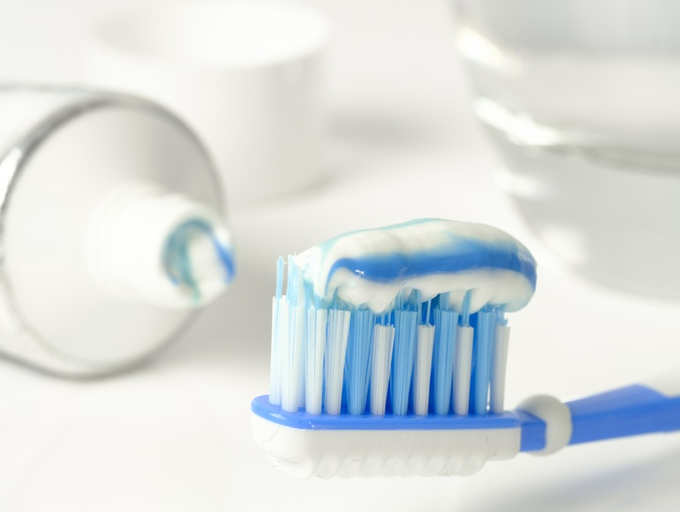
By far we know that covering the mouth while coughing or sneezing, maintaining six feet distance and cleaning hands regularly can cut down the risk of infection. But as per a finding of Brazilian researchers, disinfecting your toothbrush can be a new way to stay safe.

In the study published in the Journal of Infectious Diseases, the researchers pointed out that our toothbrush can "act as reservoirs for microorganisms", which can easily transmit disease from a sick to a healthy person. This revelation is quite startling, especially in the COVID era because it has already been established that a high viral load of virus can be found in the saliva, nasopharynx, and oropharynx.

This makes it important to disinfect the toothbrushes and maintain oral hygiene to control the transmission of the virus, especially in asymptomatic cases or those who await the test result for COVID-19. 

3.​ Another study supporting this claim

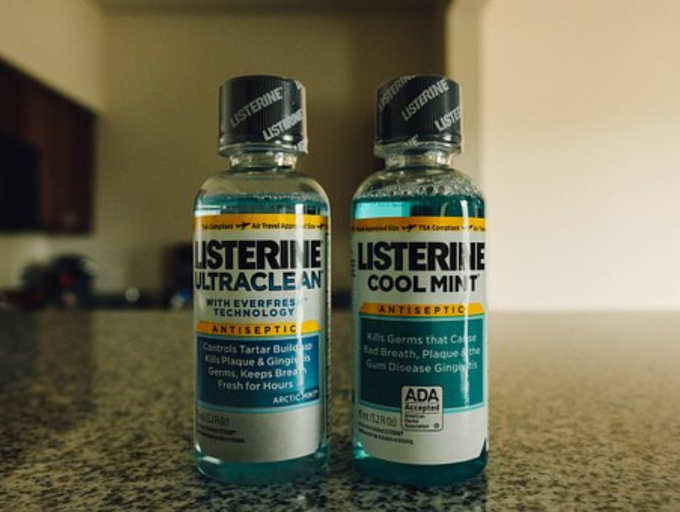
This is not the first study that has pointed out that the saliva exchange can lead to the transmission of the virus. As per a study published in July 2020 in the Journal of Infectious Diseases, some mouthwash can reduce the viral load of the COVID strains in the saliva. The researches of this study stated that using an antiseptic solution containing ethanol and essential oils, like Listerine Cool Mint can be quite helpful in reducing the number of COVID viruses in the saliva.

4​. How to disinfect your toothbrush

The Brazilian researchers concluded that to disinfect the toothbrush, it is important to immerse it in mouthwash for 20 minutes. However, in the previous study, it was pointed out that one only needs to swish with the solution for 30 seconds to reduce the viral load present in the mouth. In the case of toothbrushes, the timing is higher due to the presence of bristles and moisture.

5. ​The six-step rule to disinfect your toothbrush

Just dipping your toothbrush in the solution is not enough to cut down the risk of infection. To ensure complete protection, the researchers laid out six steps to complete the hygiene task.

Step 1: Wash your hands with water and soap or disinfect them with hand sanitiser that contains at least 70 per cent alcohol.

Step 2: After this disinfect your toothbrush handle with 70 per cent alcohol for one minute.

Step 3: Brush your teeth.

Step 4: When you are done cleaning your teeth, wash the brush and disinfect the handle with 70 per cent alcohol again for a minute.

Step 5: Immerse the head of your brush in ethanol and essential oil-based mouthwash solution and leave it for 20 minutes.

Step 6: Let your brush dry and then store it away from others.

6​. Who should disinfect their brush?

Disinfecting the brush is particularly important for people living together in a house and sharing a common bathroom. Transmission of the virus among the living under the same roof is quite high. So, if you are waiting for your test results, disinfect your toothbrush and keep it separate to ensure the safety of others.

This is only for your information, kindly take the advice of your doctor for medicines, exercises and so on.     

https://gscrochetdesigns.blogspot.com. one can see my crochet creations  
https://gseasyrecipes.blogspot.com. feel free to view for easy, simple and healthy recipes    
https://kneereplacement-stickclub.blogspot.com. for info on knee replacement


Labels: , , , , , , , ,

Saturday, March 30, 2019

Here's How Oral Sex Can Give You Cancer

You know the benefits of oral sex: It builds intimacy, helps her orgasm, and feels fantastic. In fact, we doubt any of the 85 % of adults who have had oral sex at least once with their partner would argue that it’s not pretty damn awesome.

But that doesn’t mean oral sex is risk-free. In fact, it’s one of the most common ways to spread sexually transmitted diseases, like chlamydia, gonorrhea, herpes, and human papillomavirus (HPV), according to cancer specialists.

And depending on the strain you’re infected with, HPV can raise your risk of cancer—specifically of your oropharynx, or the middle part of your throat.

In fact, the number of people diagnosed with HPV-linked throat cancer is growing: Researchers found the presence of HPV in 21 percent of patients with oropharyngeal cancer before 1990. After 2000, 65 percent of sampled patients showed HPV, according to a meta-analysis published recently.

“We’re just seeing the tip of the iceberg of this problem, and it’s really a public health crisis,” explains the chairman for the Department of Otolaryngology–Head and Neck Surgery. He says that cases of HPV-related throat cancers have risen 300 percent from the 1980s to the 2000s.

“We’re just seeing the effects now, but it’s going to be much more common in the coming years and decades,” he adds.

Here’s everything you need to know about how oral sex can raise your risk for throat cancer—and exactly what you can do to protect yourself from it.

What Is Throat Cancer?

Throat cancer, officially known as oropharyngeal cancer, is more than twice as common in men than women, according to the American Cancer Society. It specifically affects your tonsils and the base, or the very back, of your tongue, says the Dr.

Throat cancer is different from oral cancer, which occurs in your lips, gums, tongue, linings of your cheek, or the roof or floor of your mouth. Throat cancer and oral cancer share some common causes—think smoking or chewing tobacco—but HPV is not one of them. Certain HPV strains are linked to throat cancer, not to oral cancer, he explains.

How Is Oral Sex Linked to Throat Cancer?

About 70 % of oropharyngeal cancers are caused by HPV, says the doctors. So what’s going on?

HPV is a shockingly common STD. Between 2013 and 2014, 45 percent of men aged 18 to 59 carried some form of HPV, according to the most recent CDC data. It's so common that if you’re sexually active, you'll probably contract it at some point in your life.

But that definitely doesn’t mean everyone who does will go on to develop the cancer. That’s because in the vast majority of the cases, your body will fight it off, clearing it from your system within 1 to 2 years.

There are more than 40 types of HPV, though, and some strains are more serious than others. Doctors call them “high risk” strains, and researchers found that of the men who tested positive for genital HPV, 25% carried at least one of them. The type most commonly linked to throat cancer is called HPV 16.

Research shows that nearly 7 percent of Americans have oral HPV, but only 1 percent carries that cancer-causing type, according to the CDC.

If you’re unlucky enough to harbor a cancer-causing strain, proteins that are coded by the virus can attack your cells and cause them to grow out of control. At the same time, it messes with cell suicide—a scary-sounding process that’s actually completely normal, and stops cells from multiplying unchecked if there’s a problem there, explains the Dr.  As a result, cancerous cells can begin to increase rapidly, causing the formation of the HPV-positive tumor.

Why Is HPV-Related Throat Cancer Increasing?

It wasn’t until recently that doctors and researchers made the link between HPV and throat cancer. Decades ago, the vast majority of throat cancers were caused by smoking---and the cancers were notoriously difficult to treat.

But from the early ‘80s to ‘90s, hospitals started seeing patients who had never smoked developing cancer in their tonsils, and their cancers were a lot easier to cure than the smokers’ cancer were.
“That’s when people knew something was different,” says the Dr. 

Zeroing in on the sexual revolution of the 60s, they landed on HPV as the likely culprit. The STD can be passed by giving and receiving oral sex, and even by open mouth kissing alone. If your throat is infected with it, and you go down on your partner, you can transmit it to him or her, and vice versa.
Once it’s in your throat, it can lay dormant for decades—that’s why doctors are just now seeing an uptick in oral sex-related cancer diagnoses.

What Are Throat Cancer Symptoms?

Scary thing is, HPV-linked throat cancer is virtually symptomless at its early stages.

The telltale sign, which usually appears only when it's progressed to a more advanced stage? A painless lump in your neck. “It’s usually right where you get swollen glands from tonsillitis, the upper part of the neck right next to your voice box region,” explains the Dr. 

Most guys will feel it while they’re shaving and mistake it for an infection—and if you rock a beard, you might not even notice it at all.

Other symptoms include trouble swallowing, subtle changes to your voice, and a mild sore throat that can persist and became more painful over time, but these are typically more pronounced in people with smoking-related throat cancer.

How Can Your Protect Yourself From HPV-Related Throat Cancer?

Most people catch HPV during their sexually robust college years, explains the Dr.  In fact, about 10 percent of students on campuses have cancer-causing HPV in their mouths at any given time, he says.
Again, that doesn’t mean all those people will go on to get the cancer: In most cases, your body will clear the infection within two years (During that time, though, you’d still be able to pass it on to your partners).

The best way to dodge it is to play the preventive game. Get the HPV vaccine to protect yourself from the cancer-causing strains. If you’re 26 or younger, insurance will cover the vaccine. If you didn’t get it when you were a kid, you can still get the vaccine as an adult if you meet certain criteria,  as per the CDC's recommendations.

“There’s only about 1 percent of cancers that have been identified due to strains that may or may not be included in the vaccine, so it’s 99 percent preventable with vaccination—but the key is, you need to vaccinate yourself before you’re exposed,” says the Dr.

If you’re well over the vaccine age limit and don’t meet the other criteria, you can help keep yourself safe by limiting your number of sexual partners. Research shows your risk skyrockets once you’re sexually involved with six or more people, explains the Dr. Utilizing condoms and dental dams correctly can also lower your risk. 
 
There’s not much you can do to minimize your risk once you’ve been diagnosed with HPV. Think of it this way: People who smoke a lot and drink heavily are at a 40 times higher risk of developing throat cancer malignancies than people who don’t.

That risk is 55 times higher for someone with HPV, says the Dr.

But if you do get the cancer from your HPV infection, there’s more than a 90 percent chance that you’ll successfully be cured of it, he says. Like with all cancers, earlier detection can improve your changes of survival, so if you notice any of the symptoms listed above—especially if you’ve been diagnosed with HPV—loop in your doctor as soon as possible.

THIS IS ONLY FOR INFORMATION, ALWAYS CONSULT YOU PHYSICIAN BEFORE HAVING ANY PARTICULAR FOOD/ MEDICATION/EXERCISE/OTHER REMEDIES.                                    PS- THOSE INTERESTED IN RECIPES ARE FREE TO  VIEW MY BLOG-                                                                                           https://gseasyrecipes.blogspot.com/                                                                                                                                                         FOR INFO ABOUT KNEE REPLACEMENT, YOU CAN VIEW MY BLOG-                                                  https:// kneereplacement-stickclub.blogspot.com/           

                   FOR CROCHET DESIGNS                                                                                                                                                                                                  https://gscrochetdesigns.blogspot.com


Labels: , , , , , , , ,

Tuesday, February 05, 2019

Not just women, men should also get HPV vaccinations to safeguard themselves against cervical cancer, stress health experts.

Human papillomavirus (HPV) is a viral infection that is passed between people through skin-to-skin contact.

There are more than 100 varieties of HPV, 40 of which are passed through sexual contact and can affect the genitals, mouth or throat.

While the vaccine gives protection to girls and women against cervical, vaginal and vulvar cancer, it also helps protect boys and men against genital warts, penis and anal cancer caused by the HPV virus.
“Yes, men should be vaccinated for HPV. The vaccine was approved in 2009 and men between the age group of 9-26 can get vaccinated for prevention of genital warts and anal cancer,” a Dr. said.

The US Center for Disease Control and Prevention (CDC) has recommended that besides girls, all boys in the age group of 11 or 12 should be vaccinated against HPV and may be vaccinated till 21 years of age.

“In US and Europe, more boys and young adults are being vaccinated against HPV. The US Food and Drug Administration (FDA) approved Gardasil 9 — the HPV vaccine — in 2009-2010 for vaccinating boys and men aged nine to 26 years,” added an expert.

The experts stressed that both men and women should be vaccinated against HPV before they become sexually active, particularly between the age group of nine to 26.

Besides viral warts, HPV is also one of the factors responsible for malignancies of the oropharyngx (back of throat, base of tongue and tonsils). The virus can spread by way of anal or oral sex in males.
The virus comes in over 100 types, of which HPV 16 and HPV 18 constitute the highest risk and may lead to precancerous lesions. If these go undetected and untreated, these lesions may progress to cervical cancer over the years.

Besides cervical cancers, HPV is also one of the leading causes of oral cancer — one of the most common cancers in India.

The experts suggest that men and women both need to be aware of the risks and should consult their doctor to take the necessary safety measures.

“HPV certainly plays a role in the development of cervical cancer. In some of the cases, environment and lifestyle may have a major role in developing the cancer. Risk factors include multiple sexual partners, smoking, weak immune system with sexually-transmitted infection,” he  said.

THIS IS ONLY FOR INFORMATION, ALWAYS CONSULT YOU PHYSICIAN BEFORE HAVING ANY PARTICULAR FOOD/ MEDICATION/EXERCISE/OTHER REMEDIES.                                    PS- THOSE INTERESTED IN RECIPES ARE FREE TO  VIEW MY BLOG-                                                                                           https://gseasyrecipes.blogspot.com/       
                                                                                                                                                                      FOR INFO ABOUT KNEE REPLACEMENT, YOU CAN VIEW MY BLOG-                                                  https:// kneereplacement-stickclub.blogspot.com/           
                                                                         
  FOR CROCHET DESIGNS                                                                                                                                                                                                  https://gscrochetdesigns.blogspot.com
 

Labels: , , , , , , , , , , , ,

Saturday, July 23, 2016

Alcohol causes seven types of cancer

Excessive consumption of alcohol can lead to seven forms of cancer, and individuals consuming even low to moderate amounts are at risk, says a review.

"There is strong evidence that alcohol causes cancer at seven sites in the body and probably others," said Jennie Connor from the Otago University in New Zealand.


"Even without complete knowledge of biological mechanisms, the epidemiological evidence can support the judgement that alcohol causes cancer of the oropharynx, larynx, oesophagus, liver, colon, rectum and breast," Connor added.


Alcohol-attributable cancers at these sites make up 5.8 per cent of all cancer deaths world-wide, said the paper published in the journal Addiction.


The current evidence that moderate drinking provides protection against cardiovascular disease is not strong, the study said.


The evidence is based on comprehensive reviews undertaken for the last 10 years.


this is only for your information, kindly take the advice of your doctor for medicines, exercises and so on.
https://gscrochetdesigns.blogspot.com. one can see my crochet creations
https://gseasyrecipes.blogspot.com. feel free to view for easy, simple and healthy recipes

https://kneereplacement-stickclub.blogspot.com. for info on knee replacement


Excessive consumption of alcohol can lead to seven forms of cancer, and individuals consuming even low to moderate amounts are at risk, says a review.

"There is strong evidence that alcohol causes cancer at seven sites in the body and probably others," said Jennie Connor from the Otago University in New Zealand.

"Even without complete knowledge of biological mechanisms, the epidemiological evidence can support the judgement that alcohol causes cancer of the oropharynx,  ..

Excessive consumption of alcohol can lead to seven forms of cancer, and individuals consuming even low to moderate amounts are at risk, says a review.

"There is strong evidence that alcohol causes cancer at seven sites in the body and probably others," said Jennie Connor from the Otago University in New Zealand.

"Even without complete knowledge of biological mechanisms, the epidemiological evidence can support the judgement that alcohol causes cancer of the oropharynx,  ..

Labels: , , , , , , ,