Monday, January 25, 2021

Disinfecting your toothbrush can protect you from COVID

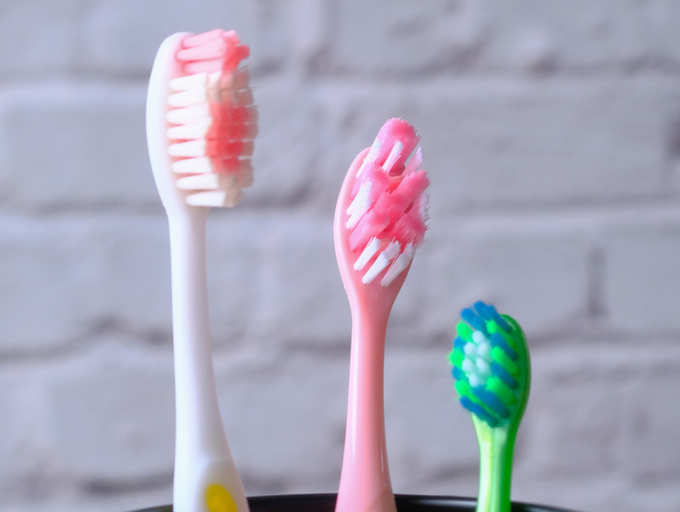
Yes, your toothbrush can spread the imevirus
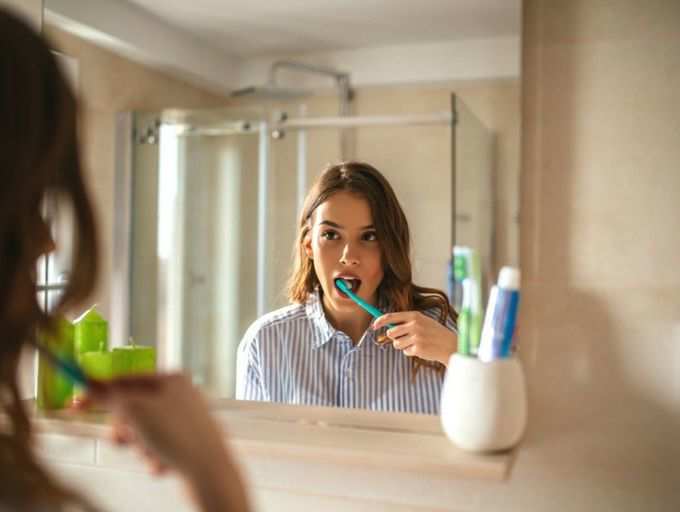
The availability of a COVID-19 vaccine has indeed brought some respite, but the threat of contagion still lingers. The number of positive cases is soaring across the globe among those yet to be vaccinated. This makes it even more important to keep oneself protected. One thing that we know quite well about the coronavirus is that it is highly contagious and can easily spread in a multitude of ways, which means you should be taking every measure you can to protect yourself from infection. Findings of a recent study revealed that apart from your regular safety measure, following a particular hygiene habit could also protect you from COVID-19: disinfecting your toothbrush.

Let's understand here how your toothbrush can spread the virus - Imagine you are an asymptomatic carrier and you use the same place to store your toothbrush as your family. The possibility of your toothbrush spreading COVID to your family gets extremely high in such a scenario. 

2.​ How disinfecting your toothbrush can protect you from COVID
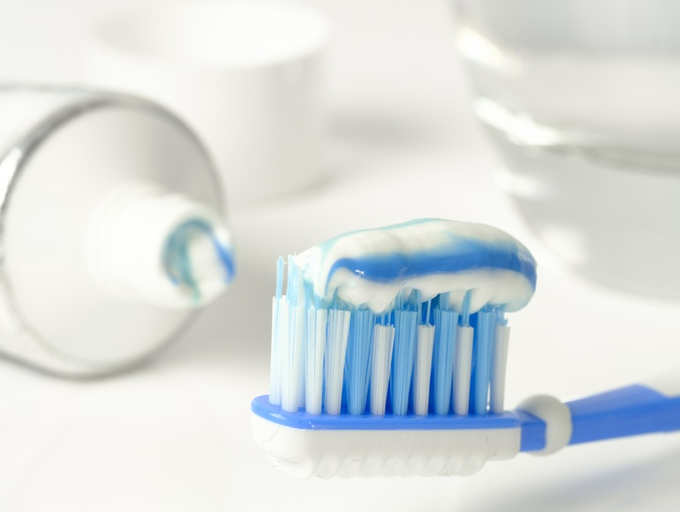
By far we know that covering the mouth while coughing or sneezing, maintaining six feet distance and cleaning hands regularly can cut down the risk of infection. But as per a finding of Brazilian researchers, disinfecting your toothbrush can be a new way to stay safe.

In the study published in the Journal of Infectious Diseases, the researchers pointed out that our toothbrush can "act as reservoirs for microorganisms", which can easily transmit disease from a sick to a healthy person. This revelation is quite startling, especially in the COVID era because it has already been established that a high viral load of virus can be found in the saliva, nasopharynx, and oropharynx.

This makes it important to disinfect the toothbrushes and maintain oral hygiene to control the transmission of the virus, especially in asymptomatic cases or those who await the test result for COVID-19. 

3.​ Another study supporting this claim

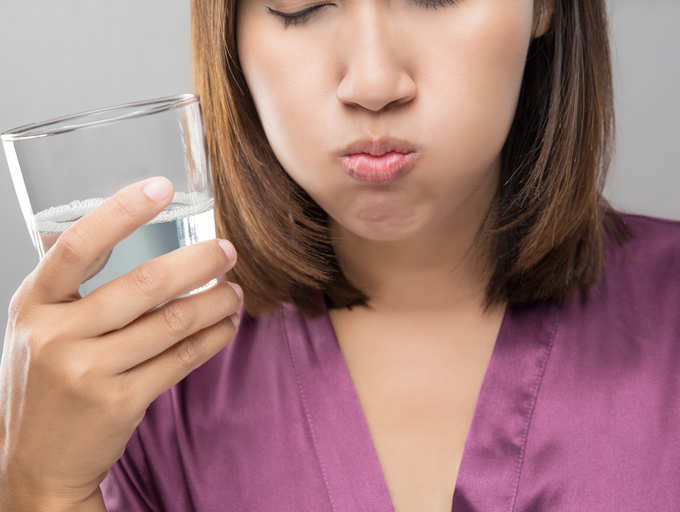
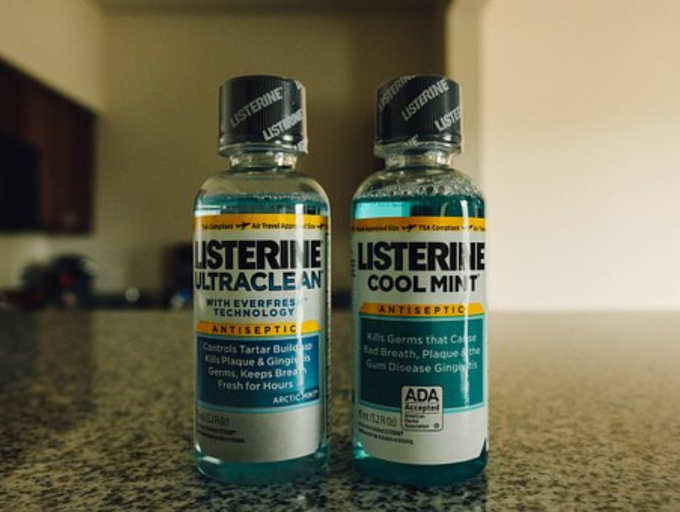
This is not the first study that has pointed out that the saliva exchange can lead to the transmission of the virus. As per a study published in July 2020 in the Journal of Infectious Diseases, some mouthwash can reduce the viral load of the COVID strains in the saliva. The researches of this study stated that using an antiseptic solution containing ethanol and essential oils, like Listerine Cool Mint can be quite helpful in reducing the number of COVID viruses in the saliva.

4​. How to disinfect your toothbrush

The Brazilian researchers concluded that to disinfect the toothbrush, it is important to immerse it in mouthwash for 20 minutes. However, in the previous study, it was pointed out that one only needs to swish with the solution for 30 seconds to reduce the viral load present in the mouth. In the case of toothbrushes, the timing is higher due to the presence of bristles and moisture.

5. ​The six-step rule to disinfect your toothbrush
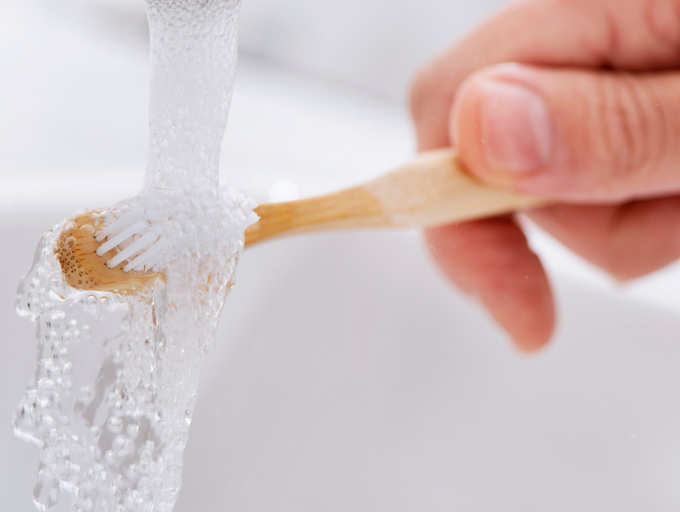
Just dipping your toothbrush in the solution is not enough to cut down the risk of infection. To ensure complete protection, the researchers laid out six steps to complete the hygiene task.

Step 1: Wash your hands with water and soap or disinfect them with hand sanitiser that contains at least 70 per cent alcohol.

Step 2: After this disinfect your toothbrush handle with 70 per cent alcohol for one minute.

Step 3: Brush your teeth.

Step 4: When you are done cleaning your teeth, wash the brush and disinfect the handle with 70 per cent alcohol again for a minute.

Step 5: Immerse the head of your brush in ethanol and essential oil-based mouthwash solution and leave it for 20 minutes.

Step 6: Let your brush dry and then store it away from others.

6​. Who should disinfect their brush?

Disinfecting the brush is particularly important for people living together in a house and sharing a common bathroom. Transmission of the virus among the living under the same roof is quite high. So, if you are waiting for your test results, disinfect your toothbrush and keep it separate to ensure the safety of others.

This is only for your information, kindly take the advice of your doctor for medicines, exercises and so on.     

https://gscrochetdesigns.blogspot.com. one can see my crochet creations  
https://gseasyrecipes.blogspot.com. feel free to view for easy, simple and healthy recipes    
https://kneereplacement-stickclub.blogspot.com. for info on knee replacement


Labels: , , , , , , , ,

Thursday, December 19, 2019

Many Uses For Hydrogen Peroxide You’ll Want To Know About

I always thought that hydrogen peroxide can be used only for your face bleach ! Glad that it has n number of uses.

1) Fruit & Veggie Wash

Wash vegetables and fruits with hydrogen peroxide to remove dirt and pesticides. Add 1/4 cup of H2O2 to a sink of cold water. After washing, rinse thoroughly with cool water.

2) Toothpaste

Use baking soda and hydrogen peroxide to make a paste for brushing teeth. Helps with early stages of gingivitis as it kills bacteria. Mixed with salt and baking soda, hydrogen peroxide works as a whitening toothpaste.

3) Dishwashing Booster

In the dishwasher, add 2 oz. to your regular detergent for a sanitizing boost. Also, beef up your regular dish soap by adding roughly 2 ounces of 3% H2O2 to the bottle.

4)Appliance Cleaner

Wipe out your refrigerator and dishwasher. Because it’s non-toxic, it’s great for cleaning places that store food and dishes.

5) Mouthwash

Use hydrogen peroxide as a mouthwash to freshen breath. It kills the bacteria that causes halitosis. Use a 50/50 mixture of hydrogen peroxide and water.

6) Sponge Sanitizer

Clean your sponges. Soak them for 10 minutes in a 50/50 mixture of hydrogen peroxide and warm water in a shallow dish. Rinse the sponges thoroughly afterward.

7)Food Stain Dissolver

Remove baked-on crud from pots and pans. Combine hydrogen peroxide with enough baking soda to make a paste, then rub onto the dirty pan and let it sit for a while. Come back later with a scrubby sponge and some warm water, and the baked-on stains will lift right off.

8)Toothbrush Sanitizer

Soak your toothbrush in hydrogen peroxide between uses to keep it clean and prevent the transfer of germs. This is particularly helpful when you or someone in your family has a cold or the flu.

9) Kitchen Cleaning

Clean your cutting board and countertop. Let everything bubble for a few minutes, then scrub and rinse clean. (I’ve been using it for this a LOT lately!)

10) Grout Whitener

Whiten bathtub grout. First dry the tub thoroughly, then spray it liberally with hydrogen peroxide. Let it sit — it may bubble slightly — for a little while, then come back and scrub the grout with an old toothbrush. You may have to repeat the process a few times.

11)Toilet Cleaner

Clean the toilet bowl. Pour half a cup of hydrogen peroxide into the toilet bowl, let stand for 20 minutes, then scrub clean.

12) Floor Brightener

Brighten dingy floors. Combine half a cup of hydrogen peroxide with one gallon of hot water, then go to town on your flooring. Because it’s so mild, it’s safe for any floor type, and there’s no need to rinse.

13) Stain Remover

Remove stains from clothing, curtains, and tablecloths. Hydrogen peroxide can be used as a pre-treater for stains — just soak the stain for a little while in 3% hydrogen peroxide before tossing into the laundry. You can also add a cup of peroxide to a regular load of whites to boost brightness. It’s a green alternative to bleach, and works just as well.

14)Toy Cleaner

Clean kids’ toys and play areas. Hydrogen peroxide is a safe cleaner to use around kids, or anyone with respiratory problems, because it’s not a lung irritant. Spray toys, toy boxes, doorknobs, and anything else your kids touch on a regular basis.

15) Plant Doctor

Help out your plants. To ward off fungus, add a little hydrogen peroxide to your spray bottle the next time you’re spritzing plants.

16) Lunch Box Sanitizer

Sanitize your kids’ lunch boxes/bags.

11) Hair Highlighter

Add natural highlights to your hair. Dilute the hydrogen peroxide so the solution is 50% peroxide and 50% water. Spray the solution on wet hair to create subtle, natural highlights.

12) Bath Soak

According to alternative therapy practitioners, adding half a bottle of hydrogen peroxide to a warm bath can help detoxify the body. Some are skeptical of this claim, but a bath is always a nice way to relax and the addition of hydrogen peroxide will leave you – and the tub – squeaky clean!

13) Salad Keeper

Spray a solution of 1/2 cup water and 1 tablespoon of hydrogen peroxide on leftover salad, drain, cover and refrigerate. This will prevent wilting and better preserve your salad.

14) Skin Saver

Dab hydrogen peroxide on pimples or acne to help clear skin.

15) Seed Sprouter

Hydrogen peroxide helps to sprout seeds for new plantings. Use a 3% hydrogen peroxide solution once a day and spritz the seed every time you re-moisten. You can also use a mixture of 1 part hydrogen peroxide to 32 parts water to improve your plants’ root system.

16) Whiten Linens

Remove yellowing from lace curtains or tablecloths. Fill a sink with cold water and a 2 cups of 3% hydrogen peroxide. Soak for at least an hour, rinse in cold water and air dry.

17 Ear Wax Remover

Use it to remove ear wax. Use a solution of 3% with olive or almond oil. Add a couple drops of oil first then H2O2. After a few minutes, tilt head to remove solution and wax.

18) Humidifier Cleaner

Use 1 pint of 3% hydrogen peroxide to a gallon of water to clean humidifiers and steamers.

19) Foot Helper

Helps with foot fungus. Spray a 50/50 mixture of hydrogen peroxide and water on them (especially the toes) every night and let dry. Or try soaking your feet in a peroxide solution to help soften calluses and corns, and disinfect minor cuts.

20) Shower Curtain Cleaner

Wash shower curtains with hydrogen peroxide to remove mildew and soap scum. Place curtains in machine with a bath towel and your regular detergent. Add 1 cup full strength 3% hydrogen peroxide to the rinse cycle.

21)Shower Spray

Spray down the shower with hydrogen peroxide to kill bacteria and viruses.

22) Fish Tank Treatment

Use hydrogen peroxide to control fungi present in aquariums. Don’t worry, it won’t hurt your fish. Use sparingly for this purpose.

23) Towel Treatment

Use for towels that have become musty smelling. Add 1/2 cup peroxide and 1/2 cup vinegar to washing machine, let soak for 15 minutes wash as normal. Gets rid of the smell.

24) De-Skunking Solution

Combine 1 quart 3% hydrogen peroxide, 1/4 cup baking soda, 1 teaspoon Dawn dish detergent, 2 quarts warm water. Work the mixture onto the affected animal (or human). Don’t let this mixture sit too long on animal fur, or the hydrogen peroxide could lighten the color of the fur!

25) Canker Sores

Use hydrogen peroxide to help heal painful canker sores. Swish a tablespoon or so of hydrogen peroxide around your mouth for about 10 minutes, to help disinfect the area and reduce inflammation.

26) Cleaning Glass

Screw a spray bottle top right onto your bottle of hydrogen peroxide, and use it like you would a bottle of Windex to clean glass and mirrors. It’s surprisingly effective, and streak-free!

27) Stain Remover

Treat stains from organic matter like blood, sweat, coffee, and wine. Spray hydrogen peroxide onto the stain and rub it in to help release the stain. This works best with fresh, wet stains, and may bleach some dark fabrics. Test in an inconspicuous spot beforehand to make sure.

28) Bathroom Cleaner

Hydrogen peroxide makes an effective and affordable mold and mildew cleaner! Spray down the surfaces in your bathroom that are affected by mold or mildew, and allow it to sit for several minutes. The gunk should be easy to remove, and the hydrogen peroxide leaves it disinfected as well!

29)Whiten Fingernails

If you paint your nails a lot, you’ve probably already noticed that your nails can yellow over time. Get rid of the yellow tinge by applying a cotton ball soaked in hydrogen peroxide to each affected nail. Let them sit for a few minutes until the stains disappear. Make sure to apply a lotion or cuticle cream afterwards, since hydrogen peroxide can be rough on skin.

30) Clean Contact Lenses

Hydrogen peroxide-based cleaning solutions for contact lenses, such as Clear Care, are actually more effective a cleaning your contact lenses than traditional multi-purpose solutions. Hydrogen peroxide effectively dissolves lipids and proteins, leaving your contact lenses super clean!
However, the reason these products come with special cases or tablets to add is that the hydrogen peroxide needs to be neutralized through a chemical reaction before you can wear the contacts again. Otherwise you’ll be in for some very unpleasant eye sensations! So make sure to follow all of the directions that come with your hydrogen peroxide-based contact cleaner!

31) Cooler Cleaner

Pop a spray top on your bottle of hydrogen peroxide, and use it to clean and disinfect the inside of your coolers and ice chests.

32) Shopping Bag Saver

You can also use your spray bottle of hydrogen peroxide to clean your reusable shopping bags! You’ll feel a lot better bringing home fresh produce in a disinfected bag. Collect all your nonporous reusable bags (usually the ones made of recycled plastics), spray them down, and wipe them clean. Reusable bags that are more fabric-y can be thrown right into your washing machine.
 

this is only for your information, kindly take the advice of your doctor for medicines, exercises and so on.     
https://gscrochetdesigns.blogspot.com. one can see my crochet creations  
https://gseasyrecipes.blogspot.com. feel free to view for easy, simple and healthy recipes    
https://kneereplacement-stickclub.blogspot.com. for info on knee replacement


source- www.onegoodthingbyjillee.com


Labels: , , , , , , , , , , ,

Sunday, November 03, 2019

Many Uses of Hydrogen Peroxide

Hydrogen Peroxide is an active agent composed of nothing more than water and oxygen. The oxidation process of this substance is incredibly good at killing disease organisms. In fact, it's considered to be one of the world's safest, all-natural, sanitizers. It literally "burns" micro-organisms through oxidation.
However, this material has so many other uses, it was really hard to pick only the best or most useful ones to share with you. So, I've done my best to highlight some of the nifty things you can do with it.
Tip: Make sure to only use the 3% solution for most of these items, and do not use it for internal purposes (do not swallow). Higher strength solutions such as 30% may cause damage if ingested. 


1. Whiten your clothes with HP instead of bleach
hydrogen-peroxide
By adding a cup of HP to the white clothes in your laundry, you will see a marked improvement in how white they are. This is a great way of getting rid of really incessant stains such as blood or wine. For blood, just pour directly on the spot, wait a minute, and then rub and rinse under cold water. 

2. Boost your immune system
Your body makes its own HP to battle infections. Our white blood cells, also known as Leukocytes, are the cells responsible for fighting disease, viruses, and infections, and some of them produce HP as their first form of attack and defense from toxins, infections, viruses, parasites and alike.

 3. Make a rejuvenating detox bath
Take 2 quarts of 3% HP and pour it into a tub of warm water. Get in and enjoy a good soak for about 30 minutes, adding hot water as needed. This will help skin blemishes, detox your body and rejuvenate you in a way you haven't felt before.

 4. Treat foot fungus
To use HP to cure your foot fungus, make a mixture of 50% HP and 50% water, and use a spray bottle to spritz the infected area (especially the toes) every night. Let it air dry.

 5. Treat Yeast Infections
Add 2 caps or 2 tablespoons of 3% HP to warm, distilled water once or twice a week and use it to treat the problematic area.

 6. Cleaning your toothbrush and other hygienic tools
There are many objects we use that need to be kept clean and sanitized, such as your toothbrush, or your child's retainer. Use a small amount of HP and dilute it with cold water to make a cleansing brew that will make sure they are clean and germ-free.
7. Treating exterior Infections
hydrogen-peroxide
If you have a cut that is infected, soak it in 3% HP for about 5-10 minutes, several times a day. HP is extremely good for treating infections, and you can also pour half a bottle of it in your bath to get rid of fungus, boils or any other skin infections.
Note: Do not leave on open wounds for a long time, use the solution and then wipe it off. HP can do tissue damage to open wounds if left on them for too long.

 8. Killing mite infections
Patients have reported that spraying HP on skin infected by tiny mites that bite and cause irritation, effectively kills them with incredible efficiency. Spray the area a few times, and wait a few minutes between applications.

 9. Taking care of your Sinus Infection
Add a tablespoon of 3% HP to 1 cup of (non-chlorinated) water, and use it as a nasal spray. You may have to adjust the amount of HP used according to the severity of the problem. Start with just the 1 spoon first.

10. Use as mouthwash and for tooth care
Take a capful or a tablespoon of 3% HP and hold it in your mouth for 10 minutes, once a day. Do not swallow, just spit it out. This will not only get rid of and prevent canker sores but will also whiten your teeth. It will also help in the event of a bad toothache you can't treat right away. 10 minutes several times a day will lessen the pain to a more manageable level.

It also makes for a great and inexpensive mouthwash. Again, make sure not to swallow and rinse your mouth with regular water after use.


 11. Lighten the color of your hair
HP is a bleaching agent and can be used to lighten your hair. Take a bottle of 3% HP and dilute some with water (50/50). Take a shower and, while the hair is still wet, spray it with the solution, then comb it through. It won't look like a burnt blonde color, but a more natural highlight for those with light brown, reddish or dirty blond hair. It is also a gradual change so you won't have a drastic new look on your hands.

 12. Clean your contact lenses
As a great disinfectant, due to its remarkable skill in breaking down the proteins that build up on the lens, HP can not only clean contact lenses but will also increase the level of comfort if you have sensitive eyes, removing those little biological irritants that most solutions don't clean.
13. Boosting your dishwasher
hydrogen-peroxide
Add about 2 oz. (60 ml) of 3% HP to your regular formula, and see how much cleaner the dishes are.

 14. Make sure your cooking surfaces are disease free
Fill a spray bottle with the 50/50 solution we've talked about (50% water 50% HP) and use it to spray your wooden cutting boards and cooking areas after you are done, to kill salmonella or any other bacteria that might be growing there. To be extra sure, use vinegar after the HP.

 15. Make a cheap and effective disinfectant
Make a cheap and very effective disinfectant agent that is non-toxic and can be used to disinfect fruits, vegetables, pet bowls, equipment and alike. Combining vinegar and HP has been proven in several studies to kill pretty much all Salmonella, Shigella, and E. coli bacteria. For this, prepare TWO spray bottles. Don't mix these two together. One will contain regular vinegar and the other regular hydrogen peroxide.
Tip: Light is bad for peroxide, rending it inactive. So the best thing will be to keep it covered and in the bottle.

16. Treating Mold
If you have those little spots appearing on your walls, probably from water damage, taking care of them is better done sooner than later, or they can become toxic and dangerous. Clean them with HP a few times a day to kill them off.

 17. Help sprouting seeds
If you're trying to get a seed to grow stronger, add an ounce (30 ml) of 3% HP to 1 pint of water and let the seeds soak in it overnight. Every time you rinse the seeds, add the same amount of HP. They will grow faster and healthier.

 18. Preparing Vegetables
Wash or soak vegetables in a full sink of cold water mixed with a 1/4 cup of 3% HP. Thin-skinned vegetables (such as lettuce) should soak for about 20 minutes, while thicker-skinned ones (such as cucumbers) can soak for about 30 minutes. Then drain, dry and refrigerate. This will not only kill all bacteria and neutralize chemicals but will also make sure they keep fresh in the refrigerator for longer.

this is only for your information, kindly take the advice of your doctor for medicines, exercises and so on.     
https://gscrochetdesigns.blogspot.com. one can see my crochet creations  
https://gseasyrecipes.blogspot.com. feel free to view for easy, simple and healthy recipes    
https://kneereplacement-stickclub.blogspot.com. for info on knee replacement


Labels: , , , , , , , , , , , , , , ,

Sunday, September 08, 2019

10 Personal Care Items that Need to Be Replaced Regularly

Many household items, such as pillows, chopping boards and others must be replaced from time to time, but in this article, we’d like to bring your attention to personal care items, as our bodies come in close contact with these things on a daily basis, and if these harbor bacteria or toxic substances, our body will regret it immediately. The following 10 personal hygiene products all expire sooner than you’d think and you must replace them regularly:

1. Sunscreen

Replace every 3 years maximum.
If you store your sunscreens properly, a bottle should last you about 2-3 years since you bought it. After that, the sunscreen loses its potency and can no longer protect you from the sun as it used to. Make sure you store your sunscreens in a dry place out of direct sunlight and rapid temperature changes. Heat, and not only sunlight, can affect the potency of the sun cream, so don't store it in your car or a part of your home that isn't air-conditioned.

2. Bath Sponges

Replace every month.
Bath sponges are constantly in a humid and hot environment, the perfect breeding ground for fungi and bacteria, so it's a must to replace them every month. If you notice that your sponge has changed color or smells differently, toss it immediately, even if you've had it for less than a month.

3. Toothbrush

Replace every 3-4 months.
You probably know this one, but it doesn't hurt to repeat it: toothbrushes must be replaced every 3-4 months. Like sponges, they can harbor harmful microorganisms, but they also lose their firmness and shape and become less effective at cleaning your teeth with time.

4. Shaving Razor

Replace every 5-7 shaves.
These guidelines pertain to every type of disposable shaving razor. These have to be replaced after 5-7 uses because they become dull and can cause cuts over time. Also, we recommend you don't store your shaving razor in the shower, as the humidity may cause the metal to rust.

5. Hairbrush

Replace every 6 months to a year.
Replacing hairbrushes regularly is very important both for your scalp's health and a good hairdo. Styling products, dust, and your skin tend to accumulate on the brush and mix into a waxy substance that can make your hair look oily and flat over time. Apart from that, an old, dirty brush can scratch and irritate your scalp, causing redness and a dry, flaky scalp. Needless to say, you should clean your brush regularly in addition to replacing it from time to time.

6. Mascara and Liquid Eyeliner

Replace every 3 months.
As we will discuss in the next section, makeup shelf life varies from product to product, but the two makeup items that must be replaced diligently every 3 months is mascara and liquid eyeliner, as we use these directly on our eyelashes and they make contact with our eyes all the time, but unlike eyeliners, you cannot remove the possible bacteria or mold growing on these as you do when sharpening a pencil.

7. Other Makeup and Skincare Products

You will find an open can symbol with a number in it on the back of most makeup and skincare products. This number will show you how many months you have to use up a product, so, a 6 will mean you have to use it up in 6 months. Most cream and liquid skincare and makeup items, e.g. lipsticks and foundations, are usually good for about a year, whereas most powder products, such as eyeshadows and blushes typically last for 2-3 years until they expire.
As for beauty tools, a high-quality makeup brush can last you years and can be used until it becomes too bent and sparse, but makeup sponges must be replaced a lot more often - every 3 months.

8. Underwear

Replace every 6 months to a year.
We know this is a touchy subject, but it doesn't make it any less important, as underwear, too, has to go into the trashcan after a year of use. Why? Well, hygiene has to do with it, but also the fact that underwear tends to stretch out with time and can make your clothes fit differently, not to mention that it doesn't stay on like it used to and starts feeling uncomfortable. This is especially true when it comes to bras, as a stretched out bra can really make even the cutest top fit weird on you.

9. Toothpaste

Replace every year to a year an a half.
Replacing toothbrushes regularly is a must, but don't think you can stock up on toothpaste in bulk, as this product, too, has its expiration date. When toothpaste is expired, it becomes grainy, starts to separate and stops smelling like it used to. This is because the fluoride in the paste is no longer active and the essential oils the paste contains to give that refreshing smell go rancid.

10. Bar Soap

Replace every year and a half to 2 years.
Even if you take care of your bar soap really well and keep it dry and not moist and mushy, you should replace it after 2 years. If not, however, you should probably throw it out after a month of use, as a moist bar of soap just standing there on the edge of your bathtub unprotected is essentially a delicious and accessible treat for harmful bacteria.
this is only for your information, kindly take the advice of your doctor for medicines, exercises and so on.   
https://gscrochetdesigns.blogspot.com. one can see my crochet creations 
https://gseasyrecipes.blogspot.com. feel free to view for easy, simple and healthy recipes    
https://kneereplacement-stickclub.blogspot.com. for info on knee replacement


Labels: , , , , , , , , , , , , , ,