Sunday, September 08, 2019

10 Personal Care Items that Need to Be Replaced Regularly

Many household items, such as pillows, chopping boards and others must be replaced from time to time, but in this article, we’d like to bring your attention to personal care items, as our bodies come in close contact with these things on a daily basis, and if these harbor bacteria or toxic substances, our body will regret it immediately. The following 10 personal hygiene products all expire sooner than you’d think and you must replace them regularly:

1. Sunscreen

Replace every 3 years maximum.
If you store your sunscreens properly, a bottle should last you about 2-3 years since you bought it. After that, the sunscreen loses its potency and can no longer protect you from the sun as it used to. Make sure you store your sunscreens in a dry place out of direct sunlight and rapid temperature changes. Heat, and not only sunlight, can affect the potency of the sun cream, so don't store it in your car or a part of your home that isn't air-conditioned.

2. Bath Sponges

Replace every month.
Bath sponges are constantly in a humid and hot environment, the perfect breeding ground for fungi and bacteria, so it's a must to replace them every month. If you notice that your sponge has changed color or smells differently, toss it immediately, even if you've had it for less than a month.

3. Toothbrush

Replace every 3-4 months.
You probably know this one, but it doesn't hurt to repeat it: toothbrushes must be replaced every 3-4 months. Like sponges, they can harbor harmful microorganisms, but they also lose their firmness and shape and become less effective at cleaning your teeth with time.

4. Shaving Razor

Replace every 5-7 shaves.
These guidelines pertain to every type of disposable shaving razor. These have to be replaced after 5-7 uses because they become dull and can cause cuts over time. Also, we recommend you don't store your shaving razor in the shower, as the humidity may cause the metal to rust.

5. Hairbrush

Replace every 6 months to a year.
Replacing hairbrushes regularly is very important both for your scalp's health and a good hairdo. Styling products, dust, and your skin tend to accumulate on the brush and mix into a waxy substance that can make your hair look oily and flat over time. Apart from that, an old, dirty brush can scratch and irritate your scalp, causing redness and a dry, flaky scalp. Needless to say, you should clean your brush regularly in addition to replacing it from time to time.

6. Mascara and Liquid Eyeliner

Replace every 3 months.
As we will discuss in the next section, makeup shelf life varies from product to product, but the two makeup items that must be replaced diligently every 3 months is mascara and liquid eyeliner, as we use these directly on our eyelashes and they make contact with our eyes all the time, but unlike eyeliners, you cannot remove the possible bacteria or mold growing on these as you do when sharpening a pencil.

7. Other Makeup and Skincare Products

You will find an open can symbol with a number in it on the back of most makeup and skincare products. This number will show you how many months you have to use up a product, so, a 6 will mean you have to use it up in 6 months. Most cream and liquid skincare and makeup items, e.g. lipsticks and foundations, are usually good for about a year, whereas most powder products, such as eyeshadows and blushes typically last for 2-3 years until they expire.
As for beauty tools, a high-quality makeup brush can last you years and can be used until it becomes too bent and sparse, but makeup sponges must be replaced a lot more often - every 3 months.

8. Underwear

Replace every 6 months to a year.
We know this is a touchy subject, but it doesn't make it any less important, as underwear, too, has to go into the trashcan after a year of use. Why? Well, hygiene has to do with it, but also the fact that underwear tends to stretch out with time and can make your clothes fit differently, not to mention that it doesn't stay on like it used to and starts feeling uncomfortable. This is especially true when it comes to bras, as a stretched out bra can really make even the cutest top fit weird on you.

9. Toothpaste

Replace every year to a year an a half.
Replacing toothbrushes regularly is a must, but don't think you can stock up on toothpaste in bulk, as this product, too, has its expiration date. When toothpaste is expired, it becomes grainy, starts to separate and stops smelling like it used to. This is because the fluoride in the paste is no longer active and the essential oils the paste contains to give that refreshing smell go rancid.

10. Bar Soap

Replace every year and a half to 2 years.
Even if you take care of your bar soap really well and keep it dry and not moist and mushy, you should replace it after 2 years. If not, however, you should probably throw it out after a month of use, as a moist bar of soap just standing there on the edge of your bathtub unprotected is essentially a delicious and accessible treat for harmful bacteria.
this is only for your information, kindly take the advice of your doctor for medicines, exercises and so on.   
https://gscrochetdesigns.blogspot.com. one can see my crochet creations 
https://gseasyrecipes.blogspot.com. feel free to view for easy, simple and healthy recipes    
https://kneereplacement-stickclub.blogspot.com. for info on knee replacement


Labels: , , , , , , , , , , , , , ,

Tuesday, April 16, 2019

10 Ways to Use Jojoba Oil For Skin, Hair and Nail Health

Jojoba oil has been known as one of the most powerful natural hair, skin and nail treatments in existence. Its efficacy is supported both by plenty of scientific evidence and a long-standing Native American tradition of using it to treat wounds and bruises.
And while jojoba oil may not be as multitasking as olive or coconut oil, as it’s not suitable for cooking, thanks to its unique chemical makeup it is much better at moisturizing, balancing and healing the skin, hair and nails than any other oil. Learn when and how to use this miracle worker in detail below.
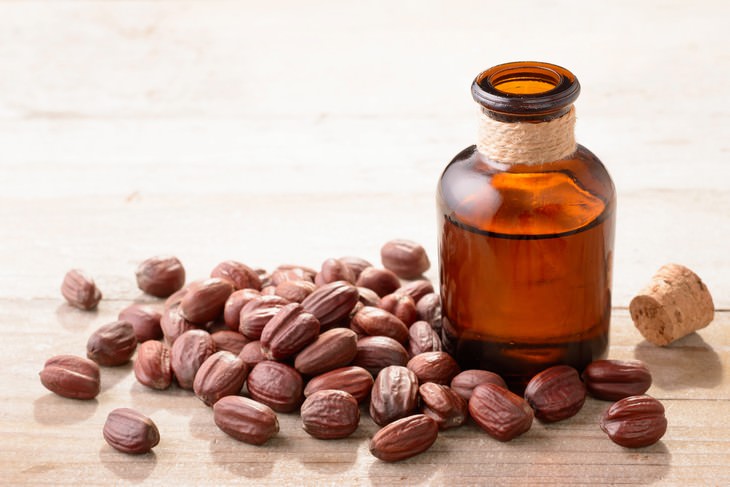
jojoba oil in a bottle

What You Need to Know About Jojoba Oil

  • The oil is derived from the nuts of the jojoba plant (seen on the picture below), which is native to the southwestern United States and Mexico. Jojoba oil has a pale golden color, a slightly nutty smell and a lightweight texture.
     
  • Jojoba oil is a common ingredient in many skincare products, but pure undiluted jojoba oil can be used and is widely available.
     
  • Jojoba oil can be used as a base oil and mixed with other essential oils to create custom oil blends targeting different skin and hair concerns.
     
  • The chemical makeup of jojoba oil is very similar to the natural oils our skin produces, which is why it is very hypoallergenic and well-tolerated by sensitive skins.
jojoba oil plant

1. Use Jojoba Oil to Relieve Psoriasis and Eczema

Uncomfortable and often uncontrollable skin conditions associated with dry and flaking skin, such as psoriasis and eczema, usually improve after applying jojoba oil. This is because of anti inflammatory and healing properties of the oil.
Apart from that, jojoba oil coats the problematic regions with a protective layer and relieves the itching and dryness associated with both conditions. Other skin conditions, such as rosacea and even diaper rash can also be treated with jojoba oil, as it is hypoallergenic and completely natural.
How to: Simply apply a small amount of oil on top of the area, no rubbing or massaging needed, be as gentle as possible.

2. Pure Jojoba Oil Can Be Used For Anti-Aging

Jojoba oil is a miracle ingredient for aging skin because it alone can do things to your skin that otherwise would require a whole skincare regimen. Namely, it had been shown to:
  • reduce the appearance of fine lines and wrinkles
  • treat hyperpigmentation
  • promote the production of collagen.
Hyperpigmentation, wrinkles and loss of volume and elasticity due to slow collagen production are the main causes of skin aging. Researchers believe this amazing effect is likely attributed to the abundance of antioxidants the oil contains.
How to: To use jojoba oil for anti-aging, apply just a few drops of oil on top of your usual skincare regimen, or simply on dry clean skin in the evening. Spread the oil evenly on your face, neck, decollete area and hands.

3. Treat Cuts, Sunburns and Bruises With Jojoba Oil

The wound healing properties of jojoba oil have been known for centuries, and it was used by Native Americans for centuries to dress wounds, get rid of bruises and scarring. The sun-shielding capabilities of jojoba oil have been discovered more recently, but today, jojoba oil is one of the key ingredients in many natural sunscreens.
Studies suggests that antioxidants combined with vitamin E, both of which are contained in jojoba oil, can shield the skin from the sun. Combine this with the healing and antibacterial properties of jojoba oil we mentioned, and you will have a great treatment for sunburns.
How to: If the treated are is large, spread just enough oil to coat the region. If you're dealing with a scar, a small cut, a stubborn zit or a bruise, you can douse a small piece of fabric or cotton in the oil and cover the clean, dry and disinfected area with the DIY bandage we made. To fixate the bandage, use a bandaid.

4. Use Jojoba Oil to Treat Acne and Oiliness

As counterintuitive as it may sound, applying jojoba oil to oily and acne-prone skin is a good idea. This is because jojoba oil mimics the natural oils in your skin, tricking your body into believing that it already produced enough oil. The results are less unwanted oily shine, but also clearer skin, as pores clogged with excess oil is one of the leading causes of acne.
Apart from that, jojoba oil has anti-inflammatory and soothing properties that will also calm down angry pimples and soothe your skin without causing any irritation like many chemically-derived acne products, such as benzoyl peroxide.
How to: In the evening, apply a few drops of oil either as the last step of your skincare routine, or alone. Spread it all over your face, neck and any other problem areas. You can also mix a few drops of the oil in your usual moisturizer.

5. Jojoba Oil Is An Excellent Lip Balm

One has to be very careful with lip products, as parts of your lipsticks and lip balms may easily penetrate your body through your mouth. That’s why it’s best to use a natural and non-irritating product, like jojoba oil, that will both moisturize your lips without compromising your health.
How to: Simply apply a tiny amount of jojoba oil on your lips, et voila, you have a discrete and healthy-looking lip balm on.

6. Jojoba Oil Is Great For Shaving and Treating Razor Burn

The oil has an interesting waxy texture, which makes the razor glide smoothly during shaving, which assures that you minimize the likelihood of developing razor burn or getting nicks or cuts. And even when that does happen, cuts tend to heal faster and leave no scars because of the antibacterial and healing properties of the oil. Apart from that, you will need very little product compared to shaving cream.
How to: Pour a small amount of oil into your palms and spread it around the area you’d like to shave. The skin should be dry and no water is needed for the shaving process. Continue as usual and simply wash off the oil when you’re done.

7. Use Jojoba Oil As a Moisturizer for Dry Skin

Like most base oils, jojoba oil is a good moisturizing agent. Apart from simply moisturizing your skin, however, it is very effective at sealing the moisture in your skin, which is why it is especially beneficial when used on top of your usual skincare routine.
This doesn’t mean that it cannot be used on its own, as it has been found to soften even the hardest and stubbornly dry skin areas, such as dry heels and elbows.
How to: Since your skin is dry, we suppose you’re already using creams and other skincare to treat it. Just add a drop of jojoba oil to your moisturizer to make it richer and apply as usual. You can also apply the oil on top of your skincare routine in the evening. If you have dry heels, apply the oil and wear socks, this will seal in the moisture in your skin.

8. You Can Take Off Your Makeup and Cleanse Your Skin With Jojoba Oil

Unlike many harsh cleansers or makeup wipes, heavily-laden with detergents and foaming agents that irritate and age your skin, jojoba oil is effective, safe, noncomedogenic and gentle. You can use jojoba oil to remove makeup and wash your face, including the eye area.
After washing your face with jojoba oil, your skin will feel soft and hydrated, and not oily or dry. Using jojoba oil as a universal cleanser will not only make your skin look healthier and younger in the long run, but you will also buy less products, as you will need only jojoba oil to remove the makeup from your face, eyes and to clean your face.
How to: To use jojoba oil as a cleanser, simply apply a few drops of oil on a dry face and massage it gently with your hands until you see that your makeup has melted off, then rinse. If necessary, repeat.

9. Can Be Used to Treat Dry, Brittle Nails and Cuticles

Many women and men use jojoba oil to keep their nails healthy and strong. The vitamin E combined with the moisturizing and antibacterial properties of jojoba oil promotes nail growth, makes your nails less brittle and prevents breakage.
How to: Either massage a few drops of jojoba oil into your nails and cuticles, or apply it with a nail polish brush, just don’t forget the back of the nails.

10. Use Jojoba Oil to Prevent Dandruff and Grow Healthy and Long Hair

A dry and itchy scalp is a common symptom of dandruff, but so is hair loss. Many hair products that target dandruff can help you get rid of the flakes, but they are too drying for your scalp, which can exacerbate the problem.
Jojoba oil is rich in vitamin E, zinc and selenium, all of which are known to fight dandruff, but it is protective and soothing for your skin as well, so it won’t dry out your scalp and hair. Finally, jojoba oil can moisturize your scalp, which will promote hair growth and decrease the amount of hair breakage.
How to: There are a few ways to use jojoba oil on your hair. The most common and effective way is to use it as a mask by heating the oil a little bit, and then applying to a dry scalp. Leave the mask on for at least 15 minutes, and then wash your hair as usual. Finally, you can add jojoba oil to your usual shampoo and conditioner.

THIS IS ONLY FOR INFORMATION, ALWAYS CONSULT YOU PHYSICIAN BEFORE HAVING ANY PARTICULAR FOOD/ MEDICATION/EXERCISE/OTHER REMEDIES.                                    PS- THOSE INTERESTED IN RECIPES ARE FREE TO  VIEW MY BLOG-                                                                                           https://gseasyrecipes.blogspot.com/    
                                                                                                                                                     FOR INFO ABOUT KNEE REPLACEMENT, YOU CAN VIEW MY BLOG-                                                  https:// kneereplacement-stickclub.blogspot.com/  
         
                   FOR CROCHET DESIGNS                                                                                                                                                                                                  https://gscrochetdesigns.blogspot.com  

Labels: , , , , , , , , , , , , , , ,