Tuesday, April 16, 2019

10 Ways to Use Jojoba Oil For Skin, Hair and Nail Health

Jojoba oil has been known as one of the most powerful natural hair, skin and nail treatments in existence. Its efficacy is supported both by plenty of scientific evidence and a long-standing Native American tradition of using it to treat wounds and bruises.
And while jojoba oil may not be as multitasking as olive or coconut oil, as it’s not suitable for cooking, thanks to its unique chemical makeup it is much better at moisturizing, balancing and healing the skin, hair and nails than any other oil. Learn when and how to use this miracle worker in detail below.
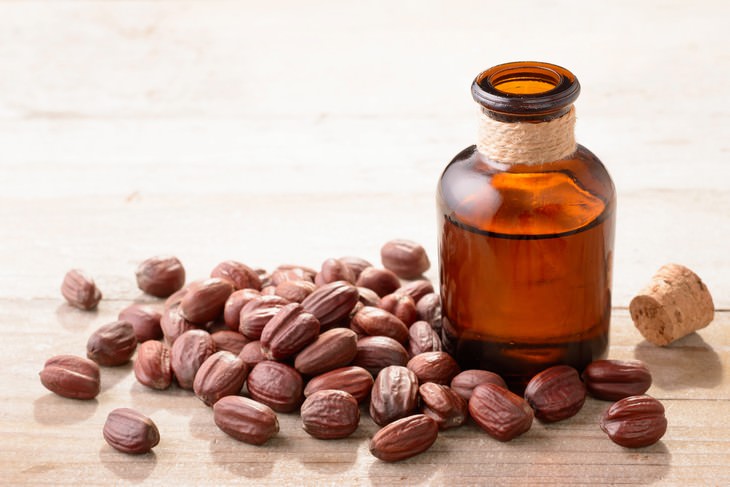
jojoba oil in a bottle

What You Need to Know About Jojoba Oil

  • The oil is derived from the nuts of the jojoba plant (seen on the picture below), which is native to the southwestern United States and Mexico. Jojoba oil has a pale golden color, a slightly nutty smell and a lightweight texture.
     
  • Jojoba oil is a common ingredient in many skincare products, but pure undiluted jojoba oil can be used and is widely available.
     
  • Jojoba oil can be used as a base oil and mixed with other essential oils to create custom oil blends targeting different skin and hair concerns.
     
  • The chemical makeup of jojoba oil is very similar to the natural oils our skin produces, which is why it is very hypoallergenic and well-tolerated by sensitive skins.

jojoba oil plant

1. Use Jojoba Oil to Relieve Psoriasis and Eczema

Uncomfortable and often uncontrollable skin conditions associated with dry and flaking skin, such as psoriasis and eczema, usually improve after applying jojoba oil. This is because of anti inflammatory and healing properties of the oil.
Apart from that, jojoba oil coats the problematic regions with a protective layer and relieves the itching and dryness associated with both conditions. Other skin conditions, such as rosacea and even diaper rash can also be treated with jojoba oil, as it is hypoallergenic and completely natural.
How to: Simply apply a small amount of oil on top of the area, no rubbing or massaging needed, be as gentle as possible.

2. Pure Jojoba Oil Can Be Used For Anti-Aging

Jojoba oil is a miracle ingredient for aging skin because it alone can do things to your skin that otherwise would require a whole skincare regimen. Namely, it had been shown to:
  • reduce the appearance of fine lines and wrinkles
  • treat hyperpigmentation
  • promote the production of collagen.
Hyperpigmentation, wrinkles and loss of volume and elasticity due to slow collagen production are the main causes of skin aging. Researchers believe this amazing effect is likely attributed to the abundance of antioxidants the oil contains.
How to: To use jojoba oil for anti-aging, apply just a few drops of oil on top of your usual skincare regimen, or simply on dry clean skin in the evening. Spread the oil evenly on your face, neck, decollete area and hands.

3. Treat Cuts, Sunburns and Bruises With Jojoba Oil

The wound healing properties of jojoba oil have been known for centuries, and it was used by Native Americans for centuries to dress wounds, get rid of bruises and scarring. The sun-shielding capabilities of jojoba oil have been discovered more recently, but today, jojoba oil is one of the key ingredients in many natural sunscreens.
Studies suggests that antioxidants combined with vitamin E, both of which are contained in jojoba oil, can shield the skin from the sun. Combine this with the healing and antibacterial properties of jojoba oil we mentioned, and you will have a great treatment for sunburns.
How to: If the treated are is large, spread just enough oil to coat the region. If you're dealing with a scar, a small cut, a stubborn zit or a bruise, you can douse a small piece of fabric or cotton in the oil and cover the clean, dry and disinfected area with the DIY bandage we made. To fixate the bandage, use a bandaid.

4. Use Jojoba Oil to Treat Acne and Oiliness

As counterintuitive as it may sound, applying jojoba oil to oily and acne-prone skin is a good idea. This is because jojoba oil mimics the natural oils in your skin, tricking your body into believing that it already produced enough oil. The results are less unwanted oily shine, but also clearer skin, as pores clogged with excess oil is one of the leading causes of acne.
Apart from that, jojoba oil has anti-inflammatory and soothing properties that will also calm down angry pimples and soothe your skin without causing any irritation like many chemically-derived acne products, such as benzoyl peroxide.
How to: In the evening, apply a few drops of oil either as the last step of your skincare routine, or alone. Spread it all over your face, neck and any other problem areas. You can also mix a few drops of the oil in your usual moisturizer.

5. Jojoba Oil Is An Excellent Lip Balm

One has to be very careful with lip products, as parts of your lipsticks and lip balms may easily penetrate your body through your mouth. That’s why it’s best to use a natural and non-irritating product, like jojoba oil, that will both moisturize your lips without compromising your health.
How to: Simply apply a tiny amount of jojoba oil on your lips, et voila, you have a discrete and healthy-looking lip balm on.

6. Jojoba Oil Is Great For Shaving and Treating Razor Burn

The oil has an interesting waxy texture, which makes the razor glide smoothly during shaving, which assures that you minimize the likelihood of developing razor burn or getting nicks or cuts. And even when that does happen, cuts tend to heal faster and leave no scars because of the antibacterial and healing properties of the oil. Apart from that, you will need very little product compared to shaving cream.
How to: Pour a small amount of oil into your palms and spread it around the area you’d like to shave. The skin should be dry and no water is needed for the shaving process. Continue as usual and simply wash off the oil when you’re done.

7. Use Jojoba Oil As a Moisturizer for Dry Skin

Like most base oils, jojoba oil is a good moisturizing agent. Apart from simply moisturizing your skin, however, it is very effective at sealing the moisture in your skin, which is why it is especially beneficial when used on top of your usual skincare routine.
This doesn’t mean that it cannot be used on its own, as it has been found to soften even the hardest and stubbornly dry skin areas, such as dry heels and elbows.
How to: Since your skin is dry, we suppose you’re already using creams and other skincare to treat it. Just add a drop of jojoba oil to your moisturizer to make it richer and apply as usual. You can also apply the oil on top of your skincare routine in the evening. If you have dry heels, apply the oil and wear socks, this will seal in the moisture in your skin.

8. You Can Take Off Your Makeup and Cleanse Your Skin With Jojoba Oil

Unlike many harsh cleansers or makeup wipes, heavily-laden with detergents and foaming agents that irritate and age your skin, jojoba oil is effective, safe, noncomedogenic and gentle. You can use jojoba oil to remove makeup and wash your face, including the eye area.
After washing your face with jojoba oil, your skin will feel soft and hydrated, and not oily or dry. Using jojoba oil as a universal cleanser will not only make your skin look healthier and younger in the long run, but you will also buy less products, as you will need only jojoba oil to remove the makeup from your face, eyes and to clean your face.
How to: To use jojoba oil as a cleanser, simply apply a few drops of oil on a dry face and massage it gently with your hands until you see that your makeup has melted off, then rinse. If necessary, repeat.

9. Can Be Used to Treat Dry, Brittle Nails and Cuticles

Many women and men use jojoba oil to keep their nails healthy and strong. The vitamin E combined with the moisturizing and antibacterial properties of jojoba oil promotes nail growth, makes your nails less brittle and prevents breakage.
How to: Either massage a few drops of jojoba oil into your nails and cuticles, or apply it with a nail polish brush, just don’t forget the back of the nails.

10. Use Jojoba Oil to Prevent Dandruff and Grow Healthy and Long Hair

A dry and itchy scalp is a common symptom of dandruff, but so is hair loss. Many hair products that target dandruff can help you get rid of the flakes, but they are too drying for your scalp, which can exacerbate the problem.
Jojoba oil is rich in vitamin E, zinc and selenium, all of which are known to fight dandruff, but it is protective and soothing for your skin as well, so it won’t dry out your scalp and hair. Finally, jojoba oil can moisturize your scalp, which will promote hair growth and decrease the amount of hair breakage.
How to: There are a few ways to use jojoba oil on your hair. The most common and effective way is to use it as a mask by heating the oil a little bit, and then applying to a dry scalp. Leave the mask on for at least 15 minutes, and then wash your hair as usual. Finally, you can add jojoba oil to your usual shampoo and conditioner.

THIS IS ONLY FOR INFORMATION, ALWAYS CONSULT YOU PHYSICIAN BEFORE HAVING ANY PARTICULAR FOOD/ MEDICATION/EXERCISE/OTHER REMEDIES.                                    PS- THOSE INTERESTED IN RECIPES ARE FREE TO  VIEW MY BLOG-                                                                                           https://gseasyrecipes.blogspot.com/    
                                                                                                                                                     FOR INFO ABOUT KNEE REPLACEMENT, YOU CAN VIEW MY BLOG-                                                  https:// kneereplacement-stickclub.blogspot.com/  
         
                   FOR CROCHET DESIGNS                                                                                                                                                                                                  https://gscrochetdesigns.blogspot.com  

Labels: , , , , , , , , , , , , , , ,

Sunday, January 27, 2019

What You Need to Know About Bad Circulation

Your blood does a fantastic job of transporting nutrients and oxygen to every part of your body, so if you have a problem with your circulatory system, it can create a knock-on effect that impacts your general health. Poor circulation usually stems from other health factors, but it is important that you are aware of warning signs that indicate a problem, as well as the steps you can take to improve the condition should you need to do so. This article will run through the most important symptoms of poor circulation, as well as some crucial tips for treating it at home.

Symptoms of Poor Circulation
1. Feelings of Numbness Most of us will have accidentally lay on one of our arms while sleeping at some point, and will be familiar with the numbness that tends to result. This sensation comes about because you have inadvertently limited your blood circulation. If you find that you often experience a similar sensation in your limbs without an obvious trigger, it could be a sign that your blood circulation is being unhealthily restricted.

2. Loss of Appetite If you don't feel hungry, despite having skipped a meal, it could indicate a circulatory problem. Your liver sends signals to your brain to tell it you're hungry, but it can only do this when it receives adequate blood flow. This symptom can also cause weight loss over time as you will eat less.
3. Cold Hands and Feet
Your blood flow is also responsible for ensuring that your body stays at a healthy temperature, and rubbing cold hands together is a natural strategy we all use to try and encourage blood to flow more quickly. If your circulation is compromised, areas of the body with lots of nerve endings like the hands and feet can feel unusually cold.

4. Skin Discoloring Cyanosis is a condition characterized by a slight discoloration of the skin due to low oxygen levels just below the skin's surface. If you have poor circulation, you may see signs of cyanosis, and your fingers and toes may appear slightly bruised or red.

5. Varicose Veins If your blood is not pumping as it should, pressure can build and cause veins to twist and swell. The resulting varicose veins tend to appear on the lower legs, and cause pain or itchiness. Varicose veins can be both a symptom and cause of poor circulation.

6. Brittle Nails and Hair Loss
Your nails and hair can provide some of the clearest signs that your blood is not distributing the required amount of nutrients around your body. Hair can become thin, dry and even start to fall out, whether you are male or female. Your nails will become weaker and more prone to breaking.
7. Swelling and Leg Ulcers In extreme cases, poor circulation can cause swelling in extremities. If your hands or feet begin to swell it could be a result of slow blood flow, which causes fluid to gather. Leg ulcers are sore inflamed parts of the skin characterized by a rash that refuses to go away. If you notice red patches or swelling gathering around your ankles or lower legs, you may have problems with circulation.

8. Exhaustion Restricted blood flow means less oxygen and nutrients reach the muscles, so you will become fatigued much more easily. Lack of breath, sore muscles, and the inability to complete physical tasks that you should find easy are all indicators of poor circulation.

9. A Tight Chest Your heart might pump your blood around your body, but it also needs to be supplied with plenty of blood flow as well. If it isn't, then you may develop angina, characterized by feelings of tightness in the chest. If pain recurs in fits and spurts, it can be a common indicator of poor circulation.

10. Poor Libido or Erectile Dysfunction Poor circulation can cause associated problems with both the female and male libido because reproductive organs require a sizeable supply of blood in order to function properly. The obvious issue that can effect men is erectile dysfunction, while women may suffer from irregular menstrual cycles and a loss of energy in the bedroom.
11. Digestive Issues
If your blood flow slows down, it will have an impact on a number of bodily processes and digestion is one of them. This can reduce the frequency of bowel movements and even contribute to constipation.
12. Forgetfulness and Concentration Issues The brain is another organ that needs to be fed a regular supply of oxygen, and it only gets the stocks it needs if your blood is flowing as it should. Poor circulation will affect your ability to focus and concentrate when going about your daily business, and can have a negative impact on both short term and long term memory.

What Should You Do If You Think You Have Poor Circulation?
If you are exhibiting some of the signs of poor circulation, you will want to know what to do next. Firstly, if you are concerned about your symptoms or they are causing you great pain and discomfort, it is extremely important that you book an appointment to see your doctor. Poor circulation can itself be a symptom of other conditions such as diabetes, peripheral artery disease, heart disease, obesity or blood clots, so you should get yourself checked out if you're concerned.

However, there are a number of lifestyle changes that can help you combat poor circulation if you are suffering from it, or stop it from developing before you experience any major symptoms. Here are some of the most recommended:

1. Keep Yourself Moving It's the nature of the world we live in today that many of us spend a huge amount of time inactive and seated. But your circulatory system requires movement to function properly, and regular daily exercise (even just a short 30 minute walk every day) is the best way to keep your blood pumping quickly and ward off symptoms.

2. Don't Overdo Alcohol or Stimulants Stimulants, like coffee, energy drinks and diet pills, have an effect on your blood. If you take too much, too often, it can lead to poor circulation and bigger issues down the line. Coffee and tea have some health benefits and you don't need to cut them down altogether, but try reducing to 2-3 cups a day. Avoid other stimulants altogether. Similarly, alcohol intake should be limited to no more than 1-2 units per day.
3. Apply Rosemary Oil
Tense cramped muscles can compromise blood flow and lead to problems associated with poor circulation. If you find yourself cramping up around the neck, shoulders, or legs, ask someone to massage rosemary essential oil mixed with olive oil into the problem area. Use 20-30 drops of rosemary oil for every 2oz of olive oil. Lavender essential oil can help too.

4. Combine Hot and Cold Showers When you shower, try applying hot then cold water on to areas affected by poor circulation. The hot water causes blood to rush immediately to the problem region, while the cold water encourages it to speed to your organs. You may find it bracing, but it helps keep your circulatory system moving and your skin oxygenated.

5. Add Nuts and Seeds to Your Diet Several different nuts and seeds contain goodness that can reduce inflammation and oxidative cell damage within your vessels and arteries, keeping your blood circulating freely. Walnuts and almonds are two of the best nuts to use, and have plenty of other uses too . A whole host of seeds can also benefit your circulation, including flaxseed, chia, pumpkin and pine. Sprinkle them on your salad or sandwich, or add to them to other dishes.

6. Pick the Perfect Posture Bad spinal alignment is a recipe for poor circulation, but many of us have poor posture. Try to train your body so that it naturally holds good posture by engaging in good practices.
7. Create the Perfect Salad 
Veggies are fantastic for your heart and circulatory function, and if you use the right combination in your salad, they can help boost your defenses against poor circulation. Try to keep things varied. Mix dark leafy greens such as kale or spinach with bell peppers, celery/cucumber, onions and olives. Get your crunch from the already discussed nuts and seeds rather than croutons. Finally, garnish with parsley, one of the best herbs for healthy circulation.
8. Root Out the Problem Garlic, onion and ginger are all root vegetables that should form a part of everyone's diet. They have so many benefits, including the stimulation of the circulatory system. All three are excellent anti-inflammatories and can help you in so many ways!

9. Switch to Green Tea Green tea is wonderfully healthy, and provides many of the benefits of stimulants without the associated problems. It will provide you with plenty of energy and goodness, without any adverse effects on your blood circulation.

10. Look At Your Feet Or more specifically, check out your shoes. It might sound unlikely, but a good pair of shoes can really reduce the impact walking has on your body. If yours are too tight or the wrong shape, it could be time to change them for the good of your circulation. 


THIS IS ONLY FOR INFORMATION, ALWAYS CONSULT YOU PHYSICIAN BEFORE HAVING ANY PARTICULAR FOOD/ MEDICATION/EXERCISE/OTHER REMEDIES.                                    PS- THOSE INTERESTED IN RECIPES ARE FREE TO  VIEW MY BLOG-                                                                                           https://gseasyrecipes.blogspot.com/       
                                                                                                                                                                      FOR INFO ABOUT KNEE REPLACEMENT, YOU CAN VIEW MY BLOG-                                                  https:// kneereplacement-stickclub.blogspot.com/           
                                                                         
  FOR CROCHET DESIGNS                                                                                                                                                                                                  https://gscrochetdesigns.blogspot.com 
 

Labels: , , , , , , , , , , , , ,

Saturday, December 29, 2018

Omega-3 Benefits and Deficiency Symptoms

Omega 3 is a necessary chain of fatty acids in the body. They can't be produced by the body and hence, are very vital. Omega 3 deficiency means the absence of long chain fatty acids that are required to regulate body function like the cardiovascular, inflammatory and immunity of the body. A deficiency in Omega 3 can be identified easily compared with the lack of other nutrients as there are many symptoms of Omega 3 deficiency.

The body can synthesize most of the fats it needs from your diet; however, omega-3s are different. They’re considered “essential” fatty acids because the human body requires them for good health but cannot make them on its own. That is, the only way to obtain omega 3s is to get them from our food. And yet, many of our diets is almost devoid of this critical nutrient.

Omega-3 Deficiency and Chronic Health Problems

Chronic degenerative diseases don’t develop overnight. An insidious process occurs when the body is subjected to inadequate nutrients over a long period of time. In this case, months or even years of omega-3 deficiency can lead to one or more chronic health conditions—arthritis, heart diseases, dementia and even certain types of cancer.

The key is to recognize and reverse the symptoms of omega-3 deficiency before a serious illness ensues. So, what are the symptoms of a lack of omega-3? And, more important, do you have any of the symptoms?

10 Omega-3 Deficiency Symptoms

  1. Soft, peeling, or brittle nails (or slow-growing nails)
  2. Attention deficit, restlessness, poor concentration, or poor memory (in children and adults)
  3. Depression, anxiety, or mood swings
  4. Dry, flaky, cracking, or callused skin, Dry eyes
  5. Dehydration, thirst, dry mouth/throat, or frequent urination
  6. Dry, dull, or brittle hair (also dandruff or “cradle cap”)
  7. Stiff or painful joints
  8. Excessive ear wax
  9. Allergy symptoms (eczema, asthma, hay fever, hives, etc.)
The benefits of omega-3. Evidence-based research studies support these health benefits:
  • Decrease inflammation in the body
  • Reduce anxiety and depression symptoms
  • Improve cardiovascular health (reduce triglyceride levels, reduce blood pressure, raise “good” HDL cholesterol levels, prevent blood clots, and prevent plaque build-up in the arteries)
  • Reduce ADD / ADHD symptoms (improve concentration)
  • Improve eye health
  • Promote brain health during pregnancy and early life
  • Reduce memory loss (dementia symptoms and Alzheimer’s disease)
  • Improve bone and joint health
  • Promote integumentary health (reduce oil, improve skin hydration, prevent acne)

Omega-3 Types

There are three major types of omega-3 fatty acids used by the body:
  • Alpha-linolenic acid (ALA)
  • Eicosapentaenoic acid (EPA)
  • Docosahexaenoic acid (DHA)
Most of the ALA in our diets come from flaxseed, chia seeds, olive oil, and nuts such as walnuts. Once such foods are consumed, the body converts ALA to EPA and then to DHA.
However, EPA and DHA are the two types of omega-3s that have the most health benefits, with DHA being the most beneficial by far. DHA supports brain and mental health, improving cognition, memory, and focus. While EPA isn’t as vital as DHA, it’s still used by the body to help maintain circulatory and cardiac health. It also aids in brain health by increasing blood flow and influencing hormones.
The highest concentrations of EPA and DHA are found in cold-water fish such as salmon, tuna, sardine, halibut, and herring, as well as other seafoods such as algae or krill, some plants, and nut oils.

Omega-3 Supplements

Attempting to get enough omega-3 from food sources can be challenging for two reasons: 1) Many people simply do not like the taste of seafood; and 2) Our modern day fish supply contains unhealthy levels of mercury, PCBs, and other contaminants. As a result, many nutrition experts recommend a person get a maintenance dose of 1,000 mg of EPA and DHA (added together) on a daily basis in order to significantly reduce the risks for depression,cardiovascular disease, Alzheimer's disease, diabetes, and other health conditions. 

A few things to keep in mind when shopping for omega-3 supplements:
  • Do not consume fish oils if you take blood thinners.
  • Make sure your omega-3 fish oil is free from mercury, PCB, and other contaminants.
  • Search for a fish oil from “wild” fish rather than “farm-raised” fish.
  • Start with 1,000 mg of EPA and DHA per day; a therapeutic dose of 3,000 to 4,000 mg of EPA and DHA per day is recommended for inflammatory-related conditions.
Are you experiencing the symptoms of a lack of omega-3? If so, begin increasing your consumption of this essential fatty acid via your diet or omega-3 supplements. Don’t wait any longer! You can prevent a wide range of deleterious health effects in your future by starting to reverse your omega-3 deficiency symptoms now.

THIS IS ONLY FOR INFORMATION, ALWAYS CONSULT YOU PHYSICIAN BEFORE HAVING ANY PARTICULAR FOOD/ MEDICATION/EXERCISE/OTHER REMEDIES.                                                                                
 PS- THOSE INTERESTED IN RECIPES ARE FREE TO  VIEW MY BLOG-                                                                                           https://gseasyrecipes.blogspot.com/                                                                                                                                                                             FOR INFO ABOUT KNEE REPLACEMENT, YOU CAN VIEW MY BLOG-                                               
     https:// kneereplacement-stickclub.blogspot.com/                                                                                     
  FOR CROCHET DESIGNS                                                                                                                                                                                                              https://gscrochetdesigns.blogspot.com

Labels: , , , , , , , , , , , ,