Tuesday, May 20, 2025

Pain May Be Due to Inflexibility! Try These Stretches

 Do you suffer from chronic pain? Very often, the root cause of everyday aches is a simple case of inflexibility. The below stretches from David Reavy, the founder of React Physical Therapy in Chicago can be done pre- or post- your workout, or whenever you need loosening up. If the pain is persistent, start with a daily dose then switch to one or three times per week to maintain your flexibility. 


For pain in your knees 

The problem: Tight feet or ankles  

How often do you think about the muscles in your feet? Probably, not much at all. But they are constantly working hard for you. Tightness in the feet and ankles can be felt everywhere, though especially in the knees.
stretches for pain
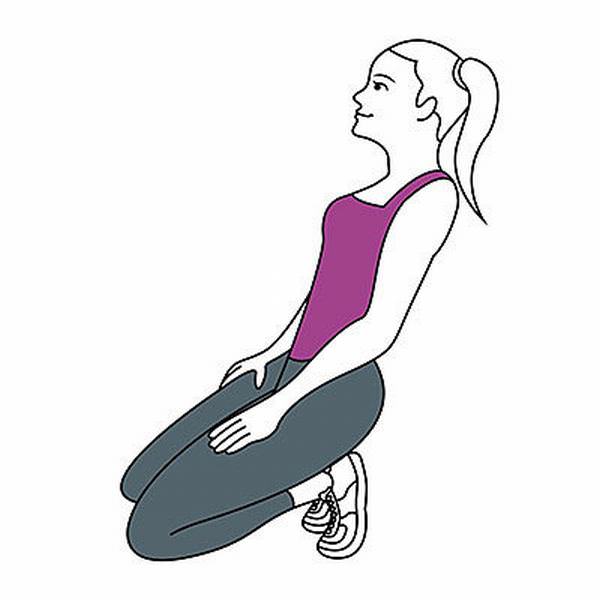
Do this: Plantar fascia stretch 
Kneel with your toes tucked, placing your weight on the balls of both feet. Gently lower your upper body until you are sitting on your heels. Place your hands on the tops of your thighs and lean back. Hold the pose for 20 to 60 seconds. 
 
Tip: Get your knees in top form by working on your glutes and quads. Basic body weights should help fix any lower imbalances you may have.


For pain in your lower back 
 
The problem: Tight hips 
The hip flexors spread across 8 different joints. When the muscles in this area are tight the abdominals and glutes shut down. If these areas of your body aren't working at their full strength, you will likely feel it in your lower back.
stretches for pain

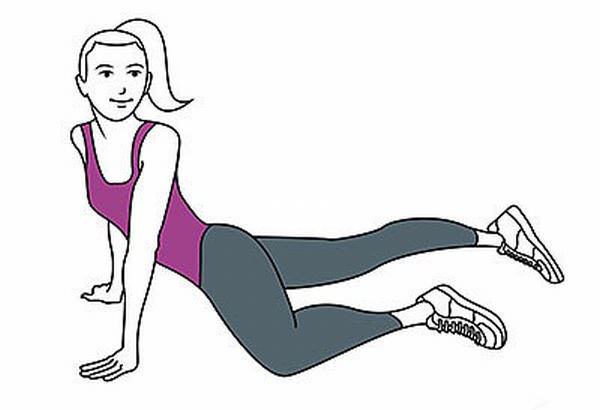
Do this: King cobra stretch 
Lie facedown with your palms under your shoulders slightly turned out. Then, slide the left leg up toward the hip and bend the knee - keep the right leg extended with the toes turned inwards. Push up until the arms are straight. Keep the hips on the floor with the elbows close to the sides. Turn the head and the upper body slightly to the left then hold for 20 to 45 seconds, before you switch sides. 
 
Tip: To reduce back pain, do exercises that strengthen your abdominals and hip flexors. 
 
For pain in your shoulders 
The problem: Tight back 
While you may hear a clicking sound in your shoulders, it's not just the shoulders that are to blame. The shoulder is a ball-and-socket joint, with the ball of the humerus (upper arm) sitting inside a cavity in the scapula, or shoulder blade. But when your lower trapezius muscles, or mid-back muscles are weak it can alter the mechanics of the ball and socket, causing pain. 
stretches for pain

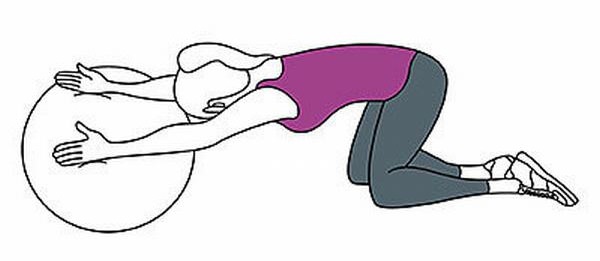
Do this: Lat strech 
Kneel with your arms forward on top of a stability ball, keep your palms in and your thumbs facing the ceiling. Sit back toward your heels, then push your chest toward the floor while keeping your back flat. Hold the pose for 30 seconds. Then, move the ball to the left while stretching your right lat muscle, hold for 30 seconds. Repeat on the other side, stretching your left lat muscle. 
 
Tip: Use weights to strengthen your arms and the lower trapezius. This will help keep your back and shoulders in balance and shoulder joint in position. 
 
For pain in your neck 
 
The problem: Tight chest  
If you spend a lot of time sitting down, traveling in a car or looking at your phone, constantly leaning forward causes a tightness in your pec muscles which run along the front of your chest. Tight pec muscles will pull you forward creating a strain or tightness in the neck.
stretches for pain
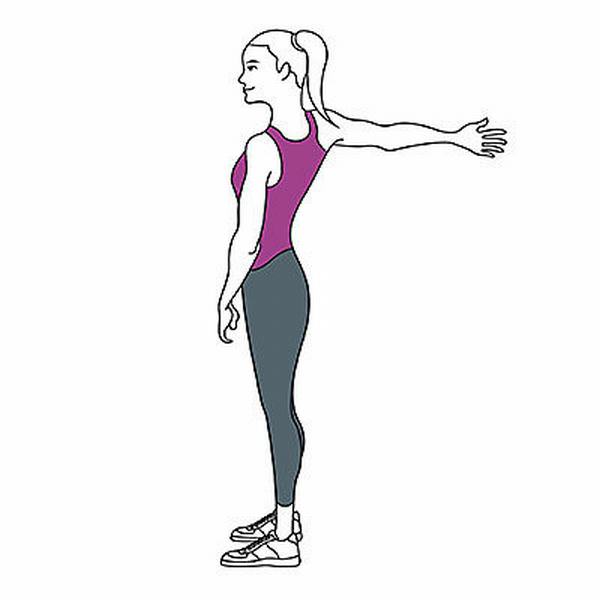
Do this: 
Pec stretch Stand facing a wall with your right arm raised to shoulder height, then bring your forearm flush against the wall. Rotate your torso away from your right arm and stretch the front of your chest and right shoulder. Bend sideways at the hip, pushing your body away from the wall. Hold the pose for 30 seconds, then switch sides. 
 
Tip: Try chin tucks (pushing your chin back into your neck) to help reduce the pain. 


This is only for your information, kindly take the advice of your doctor for medicines, exercises and so on.   

Labels: , , , , ,

Wednesday, January 12, 2022

What You Need to Know About Bad Circulation

Your blood does a fantastic job of transporting nutrients and oxygen to every part of your body, so if you have a problem with your circulatory system, it can create a knock-on effect that impacts your general health. Poor circulation usually stems from other health factors, but it is important that you are aware of warning signs that indicate a problem, as well as the steps you can take to improve the condition should you need to do so. This article will run through the most important symptoms of poor circulation, as well as some crucial tips for treating it at home.
Symptoms of Poor Circulation 
 
1. Feelings of Numbness  
Most of us will have accidentally lay on one of our arms while sleeping at some point, and will be familiar with the numbness that tends to result. This sensation comes about because you have inadvertently limited your blood circulation. If you find that you often experience a similar sensation in your limbs without an obvious trigger, it could be a sign that your blood circulation is being unhealthily restricted.

2. Loss of Appetite 
If you don't feel hungry, despite having skipped a meal, it could indicate a circulatory problem. Your liver sends signals to your brain to tell it you're hungry, but it can only do this when it receives adequate blood flow. This symptom can also cause weight loss over time as you will eat less. 
 
3. Cold Hands and Feet
Your blood flow is also responsible for ensuring that your body stays at a healthy temperature, and rubbing cold hands together is a natural strategy we all use to try and encourage blood to flow more quickly. If your circulation is compromised, areas of the body with lots of nerve endings like the hands and feet can feel unusually cold. 
 
 4. Skin Discoloring  
Cyanosis is a condition characterized by a slight discoloration of the skin due to low oxygen levels just below the skin's surface. If you have poor circulation, you may see signs of cyanosis, and your fingers and toes may appear slightly bruised or red.  
 
5. Varicose Veins 
If your blood is not pumping as it should, pressure can build and cause veins to twist and swell. The resulting varicose veins tend to appear on the lower legs, and cause pain or itchiness. Varicose veins can be both a symptom and cause of poor circulation, but there are also some specific home remedies you can use to treat them. 
 
6. Brittle Nails and Hair Loss
Your nails and hair can provide some of the clearest signs that your blood is not distributing the required amount of nutrients around your body. Hair can become thin, dry and even start to fall out, whether you are male or female. Your nails will become weaker and more prone to breaking. 
 
7. Swelling and Leg  
Ulcers In extreme cases, poor circulation can cause swelling in extremities. If your hands or feet begin to swell it could be a result of slow blood flow, which causes fluid to gather. Leg ulcers are sore inflamed parts of the skin characterized by a rash that refuses to go away. If you notice red patches or swelling gathering around your ankles or lower legs, you may have problems with circulation. 
 
8. Exhaustion 
Restricted blood flow means less oxygen and nutrients reach the muscles, so you will become fatigued much more easily. Lack of breath, sore muscles, and the inability to complete physical tasks that you should find easy are all indicators of poor circulation. 
 
9. A Tight Chest  
Your heart might pump your blood around your body, but it also needs to be supplied with plenty of blood flow as well. If it isn't, then you may develop angina, characterized by feelings of tightness in the chest. If pain recurs in fits and spurts, it can be a common indicator of poor circulation.

10. Poor Libido or Erectile Dysfunction  
Poor circulation can cause associated problems with both the female and male libido because reproductive organs require a sizeable supply of blood in order to function properly. The obvious issue that can effect men is erectile dysfunction, while women may suffer from irregular menstrual cycles and a loss of energy in the bedroom.  
 
11. Digestive Issues
If your blood flow slows down, it will have an impact on a number of bodily processes and digestion is one of them. This can reduce the frequency of bowel movements and even contribute to constipation. 
 
12. Forgetfulness and Concentration Issues 
The brain is another organ that needs to be fed a regular supply of oxygen, and it only gets the stocks it needs if your blood is flowing as it should. Poor circulation will affect your ability to focus and concentrate when going about your daily business, and can have a negative impact on both short term and long term memory. 
 
What Should You Do If You Think You Have Poor Circulation? 
If you are exhibiting some of the signs of poor circulation, you will want to know what to do next. Firstly, if you are concerned about your symptoms or they are causing you great pain and discomfort, it is extremely important that you book an appointment to see your doctor. Poor circulation can itself be a symptom of other conditions such as diabetes, peripheral artery disease, heart disease, obesity or blood clots, so you should get yourself checked out if you're concerned. 
 
However, there are a number of lifestyle changes that can help you combat poor circulation if you are suffering from it, or stop it from developing before you experience any major symptoms. Here are some of the most recommended: 
 
1. Keep Yourself Moving 
It's the nature of the world we live in today that many of us spend a huge amount of time inactive and seated. But your circulatory system requires movement to function properly, and regular daily exercise (even just a short 30 minute walk every day) is the best way to keep your blood pumping quickly and ward off symptoms. 
 
2. Don't Overdo  
Alcohol or Stimulants Stimulants, like coffee, energy drinks and diet pills, have an effect on your blood. If you take too much, too often, it can lead to poor circulation and bigger issues down the line. Coffee and tea have some health benefits and you don't need to cut them down altogether, but try reducing to 2-3 cups a day. Avoid other stimulants altogether. Similarly, alcohol intake should be limited to no more than 1-2 units per day. 
 
3. Apply Rosemary Oil 
Tense cramped muscles can compromise blood flow and lead to problems associated with poor circulation. If you find yourself cramping up around the neck, shoulders, or legs, ask someone to massage rosemary essential oil mixed with olive oil into the problem area. Use 20-30 drops of rosemary oil for every 2oz of olive oil. Lavender essential oil can help too. 
 
4. Combine Hot and Cold Showers  
When you shower, try applying hot then cold water on to areas affected by poor circulation. The hot water causes blood to rush immediately to the problem region, while the cold water encourages it to speed to your organs. You may find it bracing, but it helps keep your circulatory system moving and your skin oxygenated. 
 
 5. Add Nuts and Seeds to Your Diet  
Several different nuts and seeds contain goodness that can reduce inflammation and oxidative cell damage within your vessels and arteries, keeping your blood circulating freely. Walnuts and almonds are two of the best nuts to use, and have plenty of other uses too - find out more here. A whole host of seeds can also benefit your circulation, including flaxseed, chia, pumpkin and pine. Sprinkle them on your salad or sandwich, or add to them to other dishes. 
 
6. Pick the Perfect Posture  
Bad spinal alignment is a recipe for poor circulation, but many of us have poor posture. Try to train your body so that it naturally holds good posture by engaging in good practices. You can learn more about posture control here. 
 
7. Create the Perfect Salad  
 
Veggies are fantastic for your heart and circulatory function, and if you use the right combination in your salad, they can help boost your defenses against poor circulation. Try to keep things varied. Mix dark leafy greens such as kale or spinach with bell peppers, celery/cucumber, onions and olives. Get your crunch from the already discussed nuts and seeds rather than croutons. Finally, garnish with parsley, one of the best herbs for healthy circulation. 
 
8. Root Out the Problem  
Garlic, onion and ginger are all root vegetables that should form a part of everyone's diet. They have so many benefits, including the stimulation of the circulatory system. All three are excellent anti-inflammatories and can help you in so many ways!
 
 9. Switch to Green Tea 
Green tea is wonderfully healthy, and provides many of the benefits of stimulants without the associated problems. It will provide you with plenty of energy and goodness, without any adverse effects on your blood circulation. 
 
10. Look At Your Feet  
Or more specifically, check out your shoes. It might sound unlikely, but a good pair of shoes can really reduce the impact walking has on your body. If yours are too tight or the wrong shape, it could be time to change them for the good of your circulation.


This is only for your information, kindly take the advice of your doctor for medicines, exercises and so on.   

https://gscrochetdesigns.blogspot.com. one can see my crochet creations  
https://gseasyrecipes.blogspot.com. feel free to view for easy, simple and healthy recipes    
https://kneereplacement-stickclub.blogspot.com. for info on knee replacement

Labels: , , , , , , , , , , ,

Sunday, December 19, 2021

Massage Your Body Using Tennis Balls to Relieve Body Pain

 While nothing beats a massage, I absolutely love using tennis balls to ease nagging aches and pains. They get into those tight areas almost as well as a pair of human hands, reaching into the deepest layers of muscle and connective tissue, enabling your muscles to fully contract and stretch. This series of mini self-massage techniques, from yoga teacher Jill Miller's new book, The Roll Model, will help relieve soreness, pain and increase circulation. So grab a pair of tennis balls and get started.

1. Soothe Achy FeetTennis Ball - Relieve - Pain
Using a ball for self-massage loosens up stiffness in your sole's muscles, joints and connective tissues. 
 
Here's How:  
• Rest your hand on a wall or chair for support. Place the ball under the arch of your foot, keeping your heel on the floor and allow your body weight to sink in. 
 
• Roll your foot from side to side, enabling the ball to cross your arch. Continue with this movement for one or two minutes. 
 
• Then roll the ball along the length of your foot, moving it from your heel to your toe. Continue with this movement for one or two minutes. Then repeat both movements (across and along) using the other foot.

2. Soothe Achy Knees
Tennis Ball - Relieve - Pain
Using a ball gently pulls the lower leg bones, kneecap, and thigh away from one another, providing an internal stretch within the knee. 
 
 Here's How
• Sit on a chair, placing the ball behind your bent knee (as close to the side of the knee as possible). 
 
• Contract the muscles against the ball, squashing the ball for a count of 10, relaxing your muscles for a count of 10. Repeat eight to 10 times, then repeat on the other knee.  
 
3. Soothe Tight Thighs
Tennis Ball - Relieve - Pain
This movement will help soothe tight knees and hips at once. 
 
Here's How:
 â€¢ Sit on the ground and place two balls on the outside of your thigh, keeping the balls nestled into the side of your thigh. Slowly bend and straighten your knee 20 times. 
• Then move your thigh from side to side, allowing the ball to move across the side of your thigh. Perform the movement for a total of two minutes. Then repeat on the other side.
 
4. Soothe Sore Hips
Tennis Ball - Relieve - Pain
Large and small muscles, connected to the side of the hips are targeted in this simple move, including the gluteus maximus, the medius, and the piriformis. These muscles generally become tight from sitting too much, wearing high-heeled shoes or being overused in exercise. 
 
Here's How: 
• Lie on the ground and place one ball on the side of your hip, leaning into the ball. 
• Then make slow circles with the hip and leg as it rests on the ball, circling 12 times in each direction. Repeat on the other side.  
 
5. Soothe a Cramped Back
Tennis Ball - Relieve - Pain
A fantastic way to massage and relieve tension in the back and core muscles. 
 
• Place two balls at the arch of your spine, between your bottom and your ribs, lying down on top of them. Maintain deep breathing, shifting your pelvis from side to side, allowing the balls to cross your entire lower back. To keep the balls from moving out, place them in a stocking or sock. 
 
• In the areas where you feel most stiff, move the balls more slowly, lifting the pressure at the spine, so that you do not feel the balls pinched against your bones. Repeat for a total of five minutes. 
 
6. Soothe Bad Posture 
Tennis Ball - Relieve - Pain
This move not only combats bad posture, it relieves upper back tension and helps revive your breath.  
 
Here's How: 
• Lie down and place two balls side by side on either side of your upper back. Then interlace your hands behind your head, lifting your head off the floor, bringing your chin toward your chest. Keep your bottom lifted off the floor and take three deep breaths into your ribs. 
 
• With a steady breath, roll the balls like a rolling pin up and down your upper back for three to four minutes.  
 
7. Soothe a Tight Chest
Tennis Ball - Relieve - PainThis move will help release tension in the over-worked chest muscles that frequently tighten due to holding cell phones, typing on computers, cooking or carrying kids. It also helps restore breathing and relaxes the nervous system.  
 
Here's How: 
• Lean against a doorway or wall corner and place a ball just below your collarbone. Breathe into the pressure of the ball, maintaining this exercise for one minute. 
• Then shift from side to side, allowing the ball to scroll along the upper chest. Breathe into the ball for one to two minutes. 
• If possible, move your arm and your neck while you shift from side to side, adding extra shoulder mobility into the mix. Continue for another minute, then repeat on the other side.  
 
8. Soothe Tense Shoulders
Tennis Ball - Relieve - Pain
Soothe the rotator cuff muscles that tend to tighten due to overuse, poor posture and repetitive motion.  
 
Here's How:  
• Lie on the floor and place a ball behind your shoulder blade. Move your shoulder in every direction for three minutes on each side. 
 
9. Soothe Tired Hands 
 Tennis Ball - Relieve - Pain
Our hands are often overworked from day-to-day activities. This move helps to relieve extra tight flexor muscles of the hand.  
 
Here's How: 
• Sit on the floor or stand at a table. Place your hand on top of a ball and your other hand on top to apply more pressure. Squash the ball, leaning your body weight into it, holding the ball steady for one minute while breathing deeply. 
• Move the ball from side to side and then up and down, creating an asterisk shape as you roll it across the palm. Repeat this motion for two to three minutes, then repeat with the other hand.  
 
10. Soothe a Stiff Neck
Tennis Ball - Relieve - Pain
The suboccipital and erector muscles, responsible for keeping your head staring at your computer screen all day, may get stiff and tight. This move helps to relax these muscles and is especially useful before sleep.  
 
Here's How: 
• Place two balls side by side under the base of your skull. You may put the balls in a stocking or sock for extra support. Breathe while you rest for one minute. 
 
• Gently nod your head 'yes', allowing the ball to nestle into the back of your neck. Hold for 1 minute. Then pivot your head from side to side, as if saying 'no'. Continue for one minute. 
 
• Pivot your head to one side, remaining there and nodding several times. Pivot your head in the opposite direction, nodding again. Alternate back and forth for one to two minutes.


This is only for your information, kindly take the advice of your doctor for medicines, exercises and so on.   

https://gscrochetdesigns.blogspot.com. one can see my crochet creations  
https://gseasyrecipes.blogspot.com. feel free to view for easy, simple and healthy recipes    
https://kneereplacement-stickclub.blogspot.com. for info on knee replacement


Labels: , , , , , , , , ,