What You Need to Know About Bad Circulation
Your blood does a fantastic job of
transporting nutrients and oxygen to every part of your body, so if you
have a problem with your circulatory system, it can create a knock-on
effect that impacts your general health. Poor circulation usually stems
from other health factors, but it is important that you are aware of
warning signs that indicate a problem, as well as the steps you can take
to improve the condition should you need to do so. This article will
run through the most important symptoms of poor circulation, as well as
some crucial tips for treating it at home.
Symptoms of Poor Circulation
1. Feelings of Numbness
Most of us will have accidentally lay on one of our arms while sleeping
at some point, and will be familiar with the numbness that tends to
result. This sensation comes about because you have inadvertently
limited your blood circulation. If you find that you often experience a
similar sensation in your limbs without an obvious trigger, it could be a
sign that your blood circulation is being unhealthily restricted.
2. Loss of Appetite
If you don't feel hungry, despite having skipped a meal, it could
indicate a circulatory problem. Your liver sends signals to your brain
to tell it you're hungry, but it can only do this when it receives
adequate blood flow. This symptom can also cause weight loss over time
as you will eat less.
3. Cold Hands and Feet
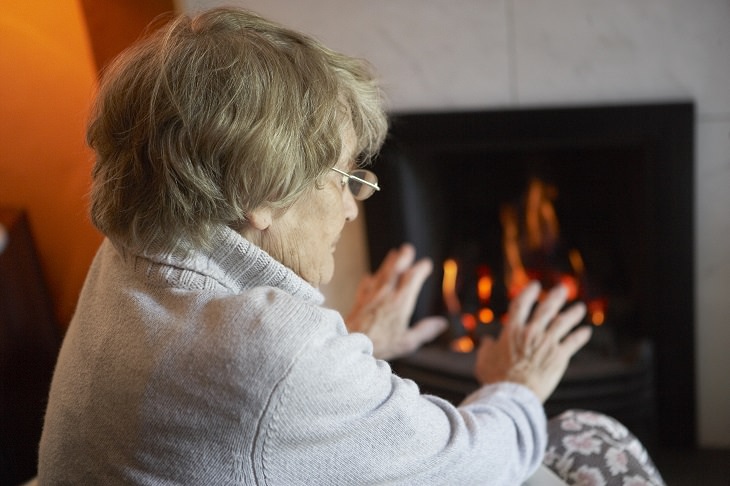
Your blood flow is also responsible for
ensuring that your body stays at a healthy temperature, and rubbing cold
hands together is a natural strategy we all use to try and encourage
blood to flow more quickly. If your circulation is compromised, areas of
the body with lots of nerve endings like the hands and feet can feel
unusually cold.
4. Skin Discoloring
Cyanosis is a condition characterized by a slight discoloration of the
skin due to low oxygen levels just below the skin's surface. If you have
poor circulation, you may see signs of cyanosis, and your fingers and
toes may appear slightly bruised or red.
5. Varicose Veins
If your blood is not pumping as it should, pressure can build and cause
veins to twist and swell. The resulting varicose veins tend to appear on
the lower legs, and cause pain or itchiness. Varicose veins can be both
a symptom and cause of poor circulation, but there are also some
specific home remedies you can use to treat them.
6. Brittle Nails and Hair Loss
Your nails and hair can provide some of the
clearest signs that your blood is not distributing the required amount
of nutrients around your body. Hair can become thin, dry and even start
to fall out, whether you are male or female. Your nails will become
weaker and more prone to breaking.
7. Swelling and Leg
Ulcers
In extreme cases, poor circulation can cause swelling in extremities. If
your hands or feet begin to swell it could be a result of slow blood
flow, which causes fluid to gather. Leg ulcers are sore inflamed parts
of the skin characterized by a rash that refuses to go away. If you
notice red patches or swelling gathering around your ankles or lower
legs, you may have problems with circulation.
8. Exhaustion
Restricted blood flow means less oxygen and nutrients reach the muscles,
so you will become fatigued much more easily. Lack of breath, sore
muscles, and the inability to complete physical tasks that you should
find easy are all indicators of poor circulation.
9. A Tight Chest
Your heart might pump your blood around your body, but it also needs to
be supplied with plenty of blood flow as well. If it isn't, then you may
develop angina, characterized by feelings of tightness in the chest. If
pain recurs in fits and spurts, it can be a common indicator of poor
circulation.
10. Poor Libido or Erectile Dysfunction
Poor circulation can cause associated problems with both the female and
male libido because reproductive organs require a sizeable supply of
blood in order to function properly. The obvious issue that can effect
men is erectile dysfunction, while women may suffer from irregular
menstrual cycles and a loss of energy in the bedroom.
11. Digestive Issues

If your blood flow slows down, it will have
an impact on a number of bodily processes and digestion is one of them.
This can reduce the frequency of bowel movements and even contribute to
constipation.
12. Forgetfulness and Concentration Issues
The brain is another organ that needs to be fed a regular supply of
oxygen, and it only gets the stocks it needs if your blood is flowing as
it should. Poor circulation will affect your ability to focus and
concentrate when going about your daily business, and can have a
negative impact on both short term and long term memory.
What Should You Do If You Think You Have Poor Circulation?
If you are exhibiting some of the signs of poor circulation, you will
want to know what to do next. Firstly, if you are concerned about your
symptoms or they are causing you great pain and discomfort, it is
extremely important that you book an appointment to see your doctor.
Poor circulation can itself be a symptom of other conditions such as
diabetes, peripheral artery disease, heart disease, obesity or blood
clots, so you should get yourself checked out if you're concerned.
However, there are a number of lifestyle changes that can help you
combat poor circulation if you are suffering from it, or stop it from
developing before you experience any major symptoms. Here are some of
the most recommended:
1. Keep Yourself Moving
It's the nature of the world we live in today that many of us spend a
huge amount of time inactive and seated. But your circulatory system
requires movement to function properly, and regular daily exercise (even
just a short 30 minute walk every day) is the best way to keep your
blood pumping quickly and ward off symptoms.
2. Don't Overdo
Alcohol or Stimulants
Stimulants, like coffee, energy drinks and diet pills, have an effect on
your blood. If you take too much, too often, it can lead to poor
circulation and bigger issues down the line. Coffee and tea have some
health benefits and you don't need to cut them down altogether, but try
reducing to 2-3 cups a day. Avoid other stimulants altogether.
Similarly, alcohol intake should be limited to no more than 1-2 units
per day.
3. Apply Rosemary Oil 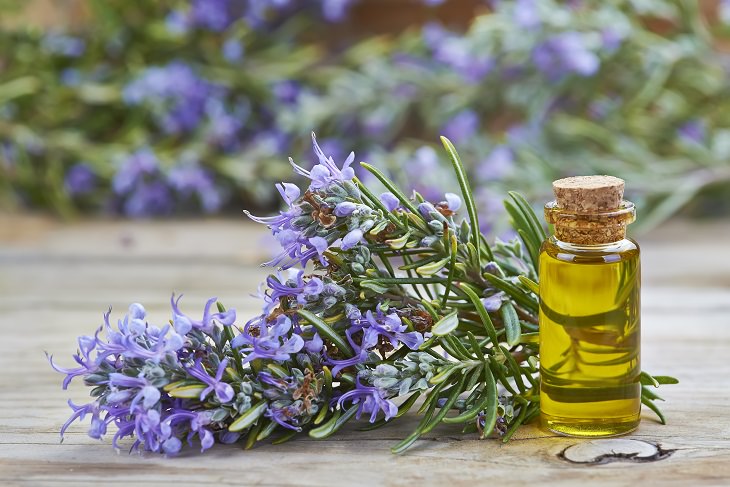
Tense cramped muscles can compromise blood flow and lead to problems
associated with poor circulation. If you find yourself cramping up
around the neck, shoulders, or legs, ask someone to massage rosemary
essential oil mixed with olive oil into the problem area. Use 20-30
drops of rosemary oil for every 2oz of olive oil. Lavender essential oil
can help too.
4. Combine Hot and Cold Showers
When you shower, try applying hot then cold water on to areas affected
by poor circulation. The hot water causes blood to rush immediately to
the problem region, while the cold water encourages it to speed to your
organs. You may find it bracing, but it helps keep your circulatory
system moving and your skin oxygenated.
5. Add Nuts and Seeds to Your Diet
Several different nuts and seeds contain goodness that can reduce
inflammation and oxidative cell damage within your vessels and arteries,
keeping your blood circulating freely. Walnuts and almonds are two of
the best nuts to use, and have plenty of other uses too - find out more
here. A whole host of seeds can also benefit your circulation, including
flaxseed, chia, pumpkin and pine. Sprinkle them on your salad or
sandwich, or add to them to other dishes.
6. Pick the Perfect Posture
Bad spinal alignment is a recipe for poor circulation, but many of us
have poor posture. Try to train your body so that it naturally holds
good posture by engaging in good practices. You can learn more about
posture control here.
7. Create the Perfect Salad
Veggies are fantastic for your heart and circulatory function, and if
you use the right combination in your salad, they can help boost your
defenses against poor circulation. Try to keep things varied. Mix dark
leafy greens such as kale or spinach with bell peppers, celery/cucumber,
onions and olives. Get your crunch from the already discussed nuts and
seeds rather than croutons. Finally, garnish with parsley, one of the
best herbs for healthy circulation.
8. Root Out the Problem
Garlic, onion and ginger are all root vegetables that should form a part
of everyone's diet. They have so many benefits, including the
stimulation of the circulatory system. All three are excellent
anti-inflammatories and can help you in so many ways!
9. Switch to Green Tea
Green tea is wonderfully healthy, and provides many of the benefits of
stimulants without the associated problems. It will provide you with
plenty of energy and goodness, without any adverse effects on your blood
circulation.
10. Look At Your Feet
Or more specifically, check out your shoes. It might sound unlikely, but
a good pair of shoes can really reduce the impact walking has on your
body. If yours are too tight or the wrong shape, it could be time to
change them for the good of your circulation.