Monday, October 14, 2024

4 Proven Benefits of Sleeping With Your Legs Elevated

Getting a good night’s sleep is one of the fundamental rules of good health and well-being. Unfortunately, for many, it is also a rare luxury. Those who suffer from chronic pain, sleep apnea, and other bothersome health conditions often struggle to maintain a healthy sleep schedule, which, in turn, increases their risk of several dangerous diseases. 
 
If you find it difficult to fall asleep or stay asleep at night, one of the first things you should consider is your sleeping position. The way you sleep may not match up with your body’s needs. A person suffering from chronic back pain, for example, will continue tossing and turning in pain all night if they sleep in a position that puts tension on their back. 
 
An often overlooked sleep position that has tremendous benefits for folks suffering from certain underlying conditions is sleeping with your legs elevated. Learn who can benefit from this sleep position the most and how to practice it safely in this guide. 
 
The Benefits of Sleeping With Elevated Legs

1. Relieves lower back pain 
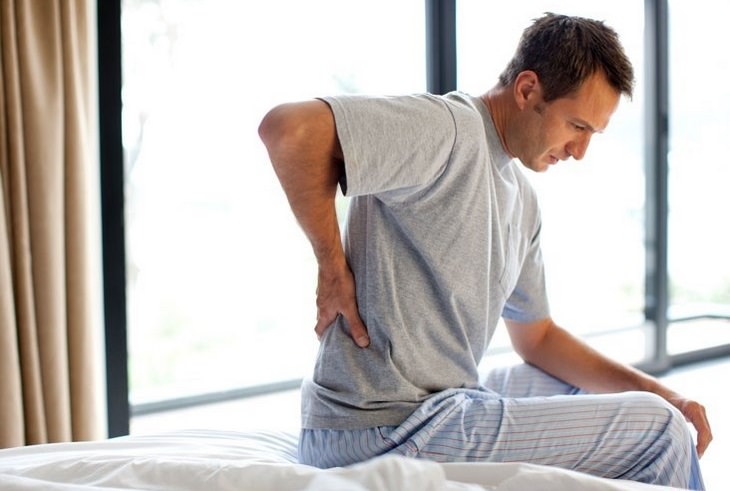
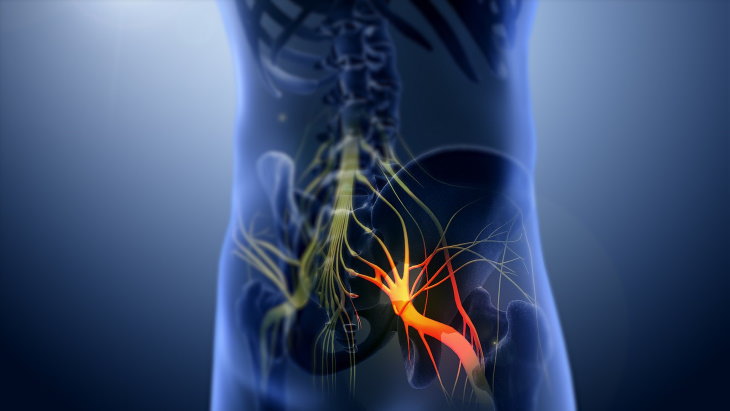
Chronic back pain can interfere with your sleep without you even realizing it. If you’re suffering from any kind of lower back pain, be it sciatic nerve pain, a pinched nerve, or joint pain, sleeping with legs elevated can be immensely helpful.
Sleeping With Your Legs Elevated
Sleeping on your back, in general, is beneficial for back pain because it distributes your weight as evenly as possible, so it reduces the risk of spinal disc compression. To promote the natural curvature of the spine and reduce the pressure off the spinal column even further, put a bolster or pillow under your knees. Sleeping in this position will make sleep more comfortable for you and offers relief from lower back pain as well.

2. Improves blood circulation 
Poor blood circulation in the legs is not uncommon, and it dramatically increases one’s risk of blood clots and potentially life-threatening conditions like deep vein thrombosis and stroke. Elevating your legs 6-12 inches (15-30 cm) above your heart will improve blood flow from your legs toward your heart, essentially boosting blood circulation in the lower extremities. 
 
It all boils down to simple physics. Whenever your legs are below the level of your heart (e.g. when standing), the blood in the leg veins must work against gravity to return to the heart. Simply elevating your legs makes gravity work for instead of against you, improving blood flow. This position also means that your heart won’t need to pump as much, which means that elevating your legs is also beneficial for heart health. 
 
3. Reduces swelling in the legs
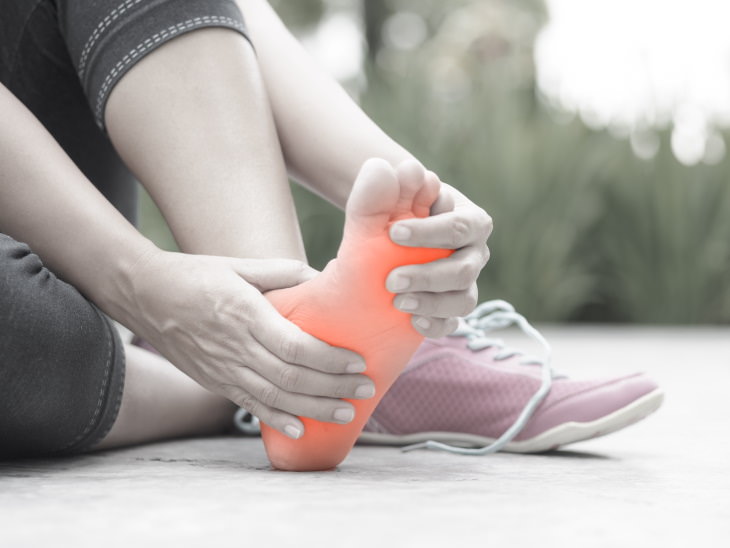
Sleeping With Your Legs Elevated tired legs
Things like inflammation or edema (fluid trapped in the tissues, usually in the feet, ankles, and legs) can lead to soreness and swelling in the lower extremities. Many health conditions, such as chronic cardiovascular or lung diseases, as well as a diet high in salt or prolonged periods of sitting or standing, can contribute to swelling in the legs. The condition can be quite painful and may interfere with your sleep. 
 
Similar to the way leg elevation improves blood circulation, it can also aid in draining away trapped fluids from your legs. If you suffer from swollen feet, this may be the best sleeping position for you.


4. Lower pressure
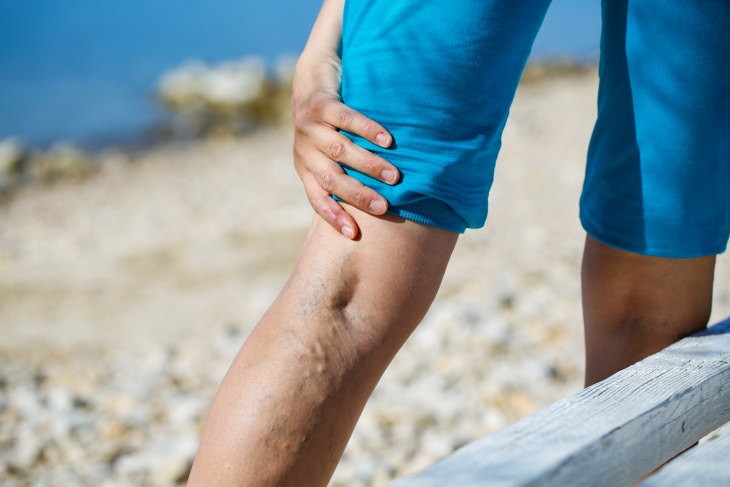
Sleeping With Your Legs Elevated varicose veins

If you have to stand or sit for long periods of time, it can make blood difficult to drain from the veins in the lower body. The collected blood, in turn, creates excess pressure in veins. This pressure equals soreness and tension in the legs, and it is believed to cause varicose veins too. 
 
Varicose veins are visibly twisted and inflamed veins that are particularly common among people who work standing jobs. Raising your legs at night will bring relief to tired feet and lower the pressure in the lower body too. 
 
Who can benefit from sleeping with their legs raised?

Lower back pain sufferers 
 
Those who have sciatica or a pinched nerve 
 
People recovering from injuries to the legs or feet 
 
After surgery 
 
Patients with chronic joint conditions 
 
Those who have vein conditions, such as varicose veins or superficial thrombophlebitis. 
 
Deep vein thrombosis sufferers 
 
Chronic venous insufficiency patients 
 
Pregnant persons 
 
Anyone suffering from edema.


This is only for your information, kindly take the advice of your doctor for medicines, exercises and so on.   

https://gscrochetdesigns.blogspot.com. one can see my crochet creations  
https://gseasyrecipes.blogspot.com. feel free to view for easy, simple and healthy recipes    
https://kneereplacement-stickclub.blogspot.com. for info on knee replacement
https://cancersupportindia.blogspot.com  for infor on cancer and health related topics
https://GSiyers home remedies.blogspot.com   is the latest addition to my blogs. I'm going to add posts there, do give me your valuable feed back on my blogs. Thanks a lot, take care, be healthy and be happy.

Labels: , , , , , ,

Wednesday, January 12, 2022

7 Symptoms That May Indicate Blocked Arteries

Many people believe that blocked arteries are a problem only for the elderly and those who are overweight, but it turns out that this phenomenon is commonplace, and according to a study in Finland, many people up to age 20 in the Western world already suffer from it. Because this is the case, the sweeping recommendation is to go and be examined as early as possible, especially if you experience one or more of the 7 symptoms listed in this article. Another thing you should know is that the abnormal flow of blood may also be a side effect of other serious health problems that should be noted since proper diagnosis and treatment can prevent a disaster.  
 
1. Pain in the calf, hip and thigh muscles
symptoms of blocked arteries
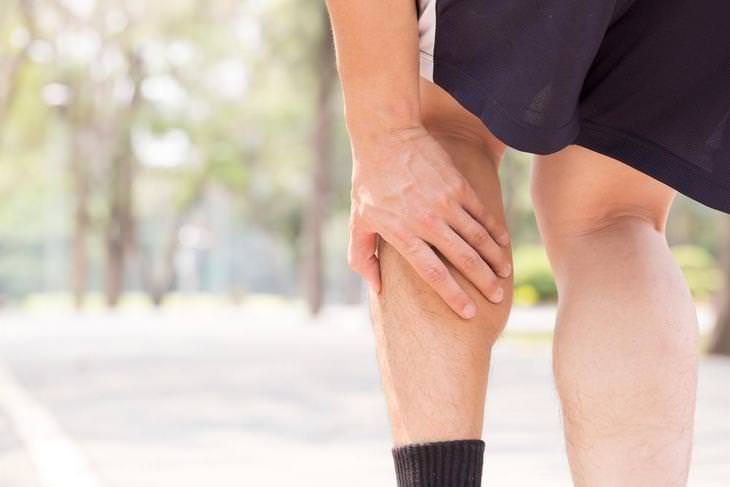
Peripheral artery disease is a common circulatory blood problem in which limited arteries cause reduced blood flow to the limbs and are a major cause of leg pain, especially while walking. This condition can cause reduced blood flow to the brain and heart, and of course to the area of the legs, hips and calve muscles. Another cause of these pains may be fatty deposits in the arteries (atherosclerosis) or blockage of arteries due to lipids. In most cases, the area of pain indicates where the clot or block is located, which helps identify the root of the problem, but there are also other ways to identify it and its sources, such as numbness or weakness in the legs, skin discoloration, shiny skin, and impotence in men. 
 
2. Chest pain
Chest pain or angina (angina pectoris) is the result of reduced blood flow to the heart. Severe pain in the chest, numbness in the left hand, heaviness, chest tightness or burning during physical or emotional exertion can be seen as a sign that one is actually suffering from arterial obstruction that requires examination, follow-up and treatment as it may be a precursor to a heart attack. There are other identifying signs that require a more thorough investigation, including chest contractions that radiate to the back, neck, jaw, shoulders, and arms, and especially to the left arm. These pains can be accompanied by shortness of breath, dizziness, and nausea, and they increase after exercise.

3. Temporary loss of vision in one eye
symptoms of blocked arteries
There are two main arteries leading blood and oxygen to the brain - one on the right and one on the left side of the neck, and they are responsible for delivering these vital substances to both sides of the brain respectively. When there is little blood flow or blockage in one of these arteries, insufficient oxygen reaches the eyes and brain, and as a result, their function can be damaged. In the case of reduced blood flow through one of these arteries, a temporary loss of vision may occur in the eye on the same side where the blockage exists, creating a screen over the eye and obscuring vision, usually only for a minute or two. Obstruction of both arteries can lead to stroke and even total vision loss, and to prevent this phenomenon you must maintain normal blood pressure and weight, a healthy lifestyle including proper nutrition, periodic examinations with a professional ophthalmologist and reporting on and family history of arterial disease. 
 
4. Lower back pain
symptoms of blocked arteries
Back problems are the second leading cause of disability and even loss of working capacity in various parts of the world, with 10% of people under the age of 20 in developed countries already having progressive obstruction of the aorta, causing problems of blockage in the arteries of the waist leading to various back problems. If you experience pain in the lower part of your back, you should know not to ignore them because they often indicate low blood flow that can cause herniated discs leading to pain and muscle contraction.  
 
5. Shortness of breath
Shortness of breath occurs when coronary arteries are damaged or blocked, and people experience it when their heart is unable to pump enough blood to meet their body’s needs. The function of the coronary arteries is to supply blood to the heart, its muscles, its electrical conduction system, and its other components. Researchers at Cedar-Sinai Medical Center in California have found that when a person experiences shortness of breath without chest pain, it can be a sign of a high-risk heart disease that requires medical attention. So, if you’re experiencing shortness of breath, and not just after exerting effort, you should be careful about what is causing it, making sure to check that it isn’t something that can worsen.  
 
6. Cold feet or hands symptoms of blocked arteries
The phenomenon of cold hands or feet throughout the year, or particularly cold hands during the winter, indicates a lack of blood - but not necessarily due to vitamin B12 deficiency in the body, rather as a result of partial obstruction or narrowing of the peripheral arteries that lead the blood to the extremities. If you are suffering from this condition, you should pay attention and check to see if you experience any other symptoms that indicate a lack of blood, such as weakening of pulse in the legs, long healing time in the case of a sore or a cut in the limbs, leg pain at rest or while walking, hair loss in the legs and feet, and of course a change in color of skin. 
 
7. Fatigue and dizziness symptoms of blocked arteries
Many attribute dizziness and fatigue they experience to lack of sleep or sleep disorders of some kind, which turns out to be true in most cases. However, according to a study conducted at Harvard University, there are few cases where fatigue can indicate disorders in blood flow to various organs, especially the heart and brain, and are a sign of the possibility of arterial disease. The inability of the body to transfer blood properly reduces the amount of oxygen flowing throughout the body causing low functioning. It should be noted that according to various experts, a constant feeling of tiredness and frequent dizziness that indicates arterial obstruction is more common among women. 
 
What increases the risk of blocked arteries? 
One of the most common causes of clogged arteries is atherosclerosis; The pathogenesis of this disease isn’t known for sure, but it is clear that this is a complex disease that can start from childhood and develop rapidly as age progresses. Atherosclerosis can occur when certain factors damage the inner layers of the arteries such as smoking, high blood cholesterol, high blood pressure, high blood sugar or diabetes. To reduce the risk of side effects of poor blood circulation, you should exercise daily, lose weight, maintain a healthy, low-fat diet, quit smoking, and get checked at least once a year.


This is only for your information, kindly take the advice of your doctor for medicines, exercises and so on.   

https://gscrochetdesigns.blogspot.com. one can see my crochet creations  
https://gseasyrecipes.blogspot.com. feel free to view for easy, simple and healthy recipes    
https://kneereplacement-stickclub.blogspot.com. for info on knee replacement


Labels: , , , , , , , , ,

Thursday, January 06, 2022

Get Rid of Your Lower Body And Back Problems

Long hours of desk-bound jobs has left almost no time for any physical activity. Due to this factor, many people are suffering from back and lower body problems. These problems, when not treated at time, can be severely detrimental to health, but not to worry. Nutritionist  is here with a solution to all your lower body and back problems.

She has uploaded a video on her Instagram account. She starts the video saying that if we are working from home and feel that our ankles are swollen, back feeling stiff and knees creaking, then there is a very simple solution. She advises that for every 30 minutes of sitting, we should stand for at least 3 minutes. Then, as she explains, we should walk around and stand with our toes opened wide. She describes further we should lift our toes up. She then advises to stand by a wall pressing our toes against it.

The nutritionist cautions that we should not stretch our butt back. She concludes the video saying that in this way we can get a strong lower body and flat stomach. Lower back pain is one problem commonly faced by adults. Some exercises should be avoided and rest should be done regularly to get rid of it.

 While pressing your toes against the wall can be a good idea, practicing toe touching is not. Ligaments and spinal disks of our body get over stressed while doing this exercise. This can increase sciatica. Sciatica refers to the pain which radiates along the path of sciatic nerve. It affects one side of the body.

Partial crunches can be a good idea

Partial stomach crunches can be a good idea to build strength in lower back and related stomach muscles. These crunches are considered an ideal exercise for the people suffering from spondylosis. Spondylosis is used to describe the pain from the degenerative conditions of spine.


This is only for your information, kindly take the advice of your doctor for medicines, exercises and so on.   

https://gscrochetdesigns.blogspot.com. one can see my crochet creations  
https://gseasyrecipes.blogspot.com. feel free to view for easy, simple and healthy recipes    
https://kneereplacement-stickclub.blogspot.com. for info on knee replacement


Labels: , , , , ,