Monday, October 14, 2024

4 Proven Benefits of Sleeping With Your Legs Elevated

Getting a good night’s sleep is one of the fundamental rules of good health and well-being. Unfortunately, for many, it is also a rare luxury. Those who suffer from chronic pain, sleep apnea, and other bothersome health conditions often struggle to maintain a healthy sleep schedule, which, in turn, increases their risk of several dangerous diseases. 
 
If you find it difficult to fall asleep or stay asleep at night, one of the first things you should consider is your sleeping position. The way you sleep may not match up with your body’s needs. A person suffering from chronic back pain, for example, will continue tossing and turning in pain all night if they sleep in a position that puts tension on their back. 
 
An often overlooked sleep position that has tremendous benefits for folks suffering from certain underlying conditions is sleeping with your legs elevated. Learn who can benefit from this sleep position the most and how to practice it safely in this guide. 
 
The Benefits of Sleeping With Elevated Legs

1. Relieves lower back pain 
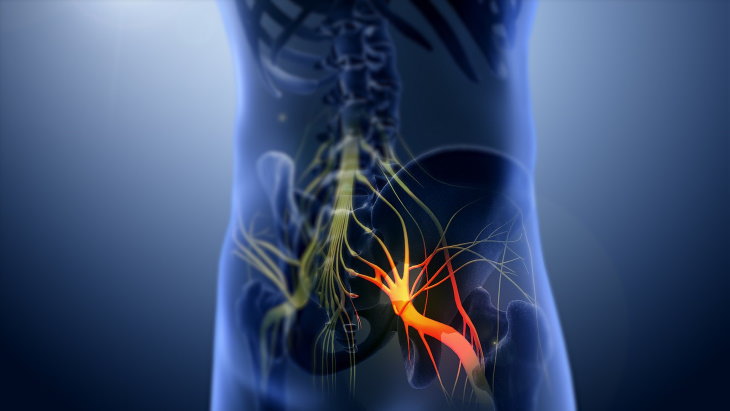
Chronic back pain can interfere with your sleep without you even realizing it. If you’re suffering from any kind of lower back pain, be it sciatic nerve pain, a pinched nerve, or joint pain, sleeping with legs elevated can be immensely helpful.
Sleeping With Your Legs Elevated
Sleeping on your back, in general, is beneficial for back pain because it distributes your weight as evenly as possible, so it reduces the risk of spinal disc compression. To promote the natural curvature of the spine and reduce the pressure off the spinal column even further, put a bolster or pillow under your knees. Sleeping in this position will make sleep more comfortable for you and offers relief from lower back pain as well.

2. Improves blood circulation 
Poor blood circulation in the legs is not uncommon, and it dramatically increases one’s risk of blood clots and potentially life-threatening conditions like deep vein thrombosis and stroke. Elevating your legs 6-12 inches (15-30 cm) above your heart will improve blood flow from your legs toward your heart, essentially boosting blood circulation in the lower extremities. 
 
It all boils down to simple physics. Whenever your legs are below the level of your heart (e.g. when standing), the blood in the leg veins must work against gravity to return to the heart. Simply elevating your legs makes gravity work for instead of against you, improving blood flow. This position also means that your heart won’t need to pump as much, which means that elevating your legs is also beneficial for heart health. 
 
3. Reduces swelling in the legs
Sleeping With Your Legs Elevated tired legs
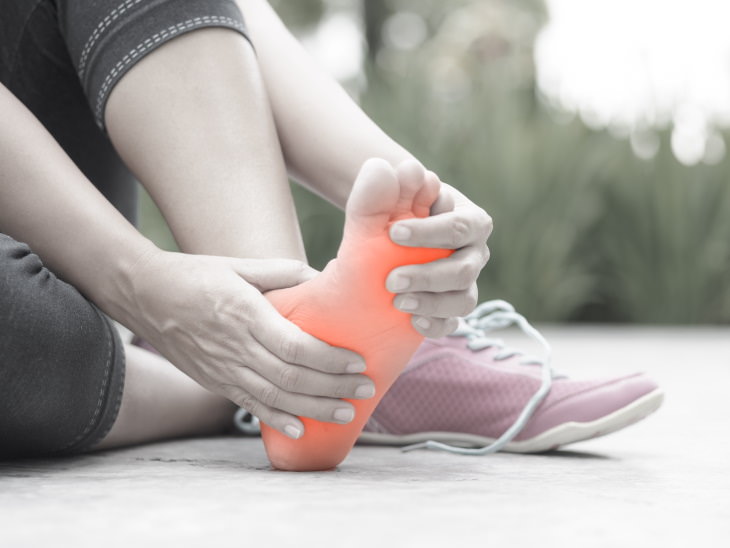
Things like inflammation or edema (fluid trapped in the tissues, usually in the feet, ankles, and legs) can lead to soreness and swelling in the lower extremities. Many health conditions, such as chronic cardiovascular or lung diseases, as well as a diet high in salt or prolonged periods of sitting or standing, can contribute to swelling in the legs. The condition can be quite painful and may interfere with your sleep. 
 
Similar to the way leg elevation improves blood circulation, it can also aid in draining away trapped fluids from your legs. If you suffer from swollen feet, this may be the best sleeping position for you.


4. Lower pressure
Sleeping With Your Legs Elevated varicose veins

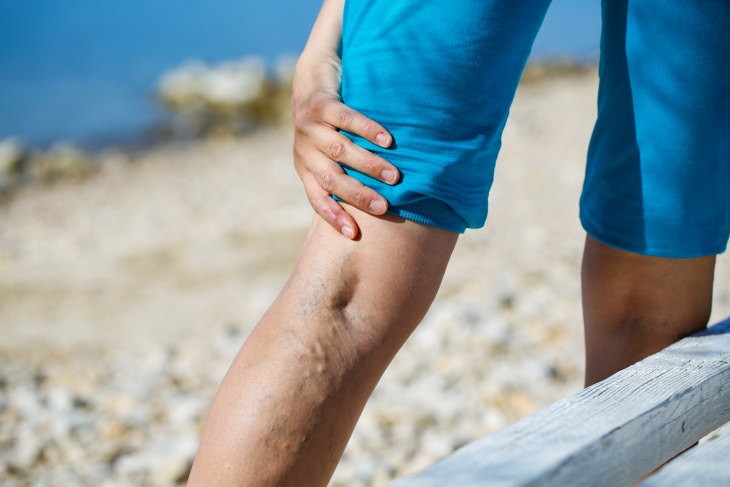
If you have to stand or sit for long periods of time, it can make blood difficult to drain from the veins in the lower body. The collected blood, in turn, creates excess pressure in veins. This pressure equals soreness and tension in the legs, and it is believed to cause varicose veins too. 
 
Varicose veins are visibly twisted and inflamed veins that are particularly common among people who work standing jobs. Raising your legs at night will bring relief to tired feet and lower the pressure in the lower body too. 
 
Who can benefit from sleeping with their legs raised?

Lower back pain sufferers 
 
Those who have sciatica or a pinched nerve 
 
People recovering from injuries to the legs or feet 
 
After surgery 
 
Patients with chronic joint conditions 
 
Those who have vein conditions, such as varicose veins or superficial thrombophlebitis. 
 
Deep vein thrombosis sufferers 
 
Chronic venous insufficiency patients 
 
Pregnant persons 
 
Anyone suffering from edema.


This is only for your information, kindly take the advice of your doctor for medicines, exercises and so on.   

https://gscrochetdesigns.blogspot.com. one can see my crochet creations  
https://gseasyrecipes.blogspot.com. feel free to view for easy, simple and healthy recipes    
https://kneereplacement-stickclub.blogspot.com. for info on knee replacement
https://cancersupportindia.blogspot.com  for infor on cancer and health related topics
https://GSiyers home remedies.blogspot.com   is the latest addition to my blogs. I'm going to add posts there, do give me your valuable feed back on my blogs. Thanks a lot, take care, be healthy and be happy.

Labels: , , , , , ,

Wednesday, March 09, 2022

What is Osteoporosis? Know about its symptoms, causes and treatment

Do you know that frequent joint pain or bone pain can be a sign of Osteoporosis? Do you wonder what is Osteoporosis? Osteoporosis is a bone disease in which the bones become weak and brittle because of the loss of mineral density. In this condition, even bending over or coughing can cause a fracture!

Known as 'Silent disease', this condition often develops without any symptoms or pain, and it is usually not discovered until the weakened bones cause painful fractures. Osteoporosis-related fractures most commonly occur in the hip, wrist, or spine. However, people across the globe are less aware of this silent disease and it is very important that the right information reaches the general public so that they can take up all the necessary precautions to avoid it.

In this episode of Jagran Dialogues, Subhasish Dutta, Deputy Editor, Jagran New Media, spoke to Dr. Vineesh Mathur, Director - Division of Spine, Institute Of Musculoskeletal Disorders and Orthopaedics, and discussed osteoporosis, its symptoms, and treatment.

Here's an excerpt from the interview:

Q- What is osteoporosis and how does this disease develop?

Dr. Vineesh Mathur- Osteoporosis is a very common disorder and awareness about this disorder has grown gradually in the past 2-3 decades. There was time weakening of bones was considered a sign of aging and this was considered natural and not classified as a disease. But, now after thorough consideration, this disorder is considered a disease because in people of the same age group there is a vast difference in their quality of bones. Osteoporosis is the degradation of bone and its quantity. Bones get brittle due to the loss of minerals and calcium. This disorder is linked with age, sex. When bone mass gets lower than normal then it is considered Osteoporosis. It is a silent disease and there are no symptoms of this disorder.

Q- What are causes of Osteoporosis? Are women more affected by Osteoporosis if compared to men?

Dr. Vineesh Mathur- There is a very common myth in your question that this disorder affects only women. But, no men also suffer from this disease. Almost one-third of males can be suffering from this disorder. Its causes are multiple, it is linked with lifestyle and genes. If a person does not have an active lifestyle or do weight-bearing chores then this disorder might be common in them. It is also linked with hormonal problems such as Thyroid, diabetes, and metabolic disorders. Bone mass is not a static thing, if mass on it becomes less then people might suffer from Osteoporosis. Females are more prone to suffer from this disease because of menopause which happens around the age of 50. the process of menopause in females causes dramatic hormonal changes and these changes might affect bone health too. However, males also suffer from this disorder but the process is more gradual and they might see the disorder affecting them at age of 60 or 65.
 

This is only for your information, kindly take the advice of your doctor for medicines, exercises and so on.   

https://gscrochetdesigns.blogspot.com. one can see my crochet creations  
https://gseasyrecipes.blogspot.com. feel free to view for easy, simple and healthy recipes    
https://kneereplacement-stickclub.blogspot.com. for info on knee replacement


Labels: , , , , , , , , , , , , ,

Thursday, October 28, 2021

4 Proven Benefits of Sleeping With Your Legs Elevated

Getting a good night’s sleep is one of the fundamental rules of good health and wellbeing. Unfortunately, for many, it is also a rare luxury. Those who suffer from chronic pain, sleep apnea, and other bothersome health conditions often struggle to maintain a healthy sleep schedule, which, in turn, increases their risk of several dangerous diseases.

If you find it difficult to fall asleep or stay asleep at night, one of the first things you should consider is your sleeping position. The way you sleep may not match up with your body’s needs. A person suffering from chronic back pain, for example, will continue tossing and turning in pain all night if they sleep in a position that puts tension on their back. 
 
An often overlooked sleep position that has tremendous benefits for folks suffering from certain underlying conditions is sleeping with your legs elevated. Learn who can benefit from this sleep position the most and how to practice it safely in this guide.  
 
The Benefits of Sleeping With Elevated Legs 
 
1. Relieves lower back pain 
Chronic back pain can interfere with your sleep without you even realizing it. If you’re suffering from any kind of lower back pain, be it sciatic nerve pain, a pinched nerve, or joint pain, sleeping with legs elevated can be immensely helpful.

Sleeping on your back, in general, is beneficial for back pain because it distributes your weight as evenly as possible, so it reduces the risk of spinal disc compression. To promote the natural curvature of the spine and reduce the pressure off the spinal column even further, put a bolster or pillow under your knees. Sleeping in this position will make sleep more comfortable for you and offers relief from lower back pain as well.

2. Improves blood circulation  
Poor blood circulation in the legs is not uncommon, and it dramatically increases one’s risk of blood clots and potentially life-threatening conditions like deep vein thrombosis and stroke. Elevating your legs 6-12 inches (15-30 cm) above your heart will improve blood flow from your legs toward your heart, essentially boosting blood circulation in the lower extremities. 
 
It all boils down to simple physics. Whenever your legs are below the level of your heart (e.g. when standing), the blood in the leg veins must work against gravity to return to the heart. Simply elevating your legs makes gravity work for instead of against you, improving blood flow. This position also means that your heart won’t need to pump as much, which means that elevating your legs is also beneficial for heart health. 
 
3. Reduces swelling in the legs
Sleeping With Your Legs Elevated tired legs
Things like inflammation or edema (fluid trapped in the tissues, usually in the feet, ankles, and legs) can lead to soreness and swelling in the lower extremities. Many health conditions, such as chronic cardiovascular or lung diseases, as well as a diet high in salt or prolonged periods of sitting or standing, can contribute to swelling in the legs. The condition can be quite painful and may interfere with your sleep. 
 
Similar to the way leg elevation improves blood circulation, it can also aid in draining away trapped fluids from your legs. If you suffer from swollen feet, this may be the best sleeping position for you.  
 
4. Lowers pressure
Sleeping With Your Legs Elevated varicose veins
If you have to stand or sit for long periods of time, it can make blood difficult to drain from the veins in the lower body. The collected blood, in turn, creates excess pressure in veins. This pressure equals soreness and tension in the legs, and it is believed to cause varicose veins too. 
 
Varicose veins are visibly twisted and inflamed veins that are particularly common among people who work standing jobs. Raising your legs at night will bring relief to tired feet and lower the pressure in the lower body too.

Who can benefit from sleeping with their legs raised?
Sleeping With Your Legs Elevated woman with a broken leg
Lower back pain sufferers 
Those who have sciatica or a pinched nerve 
People recovering from injuries to the legs or feet 
After surgery 
Patients with chronic joint conditions 
Those who have vein conditions, such as varicose veins or superficial thrombophlebitis 
Deep vein thrombosis sufferers 
Chronic venous insufficiency patients 
Pregnant persons 
Anyone suffering from edema. 
 
How to safely elevate the legs during sleep  
The use of a pillow or bolster is certainly the cheapest and easiest way to elevate your legs. Automated adjustable mattresses or bed frames are an even better choice, but they can be very expensive, so we don’t recommend them to beginners. 
 
To remedy back pain, one small pillow underneath the knees will suffice, but other conditions may require using several blankets and large pillows to elevate your legs above the heart.


This is only for your information, kindly take the advice of your doctor for medicines, exercises and so on.   

https://gscrochetdesigns.blogspot.com. one can see my crochet creations  
https://gseasyrecipes.blogspot.com. feel free to view for easy, simple and healthy recipes    
https://kneereplacement-stickclub.blogspot.com. for info on knee replacement


Labels: , , , , , , , , , , , ,