Monday, July 19, 2021

6 surprising facts about sexually transmitted diseases (STDs)

6 surprising facts about sexually transmitted diseases (STDs)
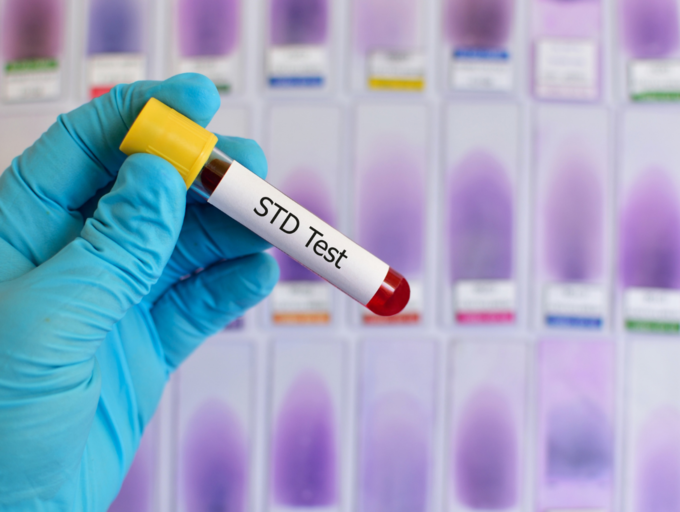
STDs are sexually transmitted diseases, also known as sexually transmitted infections, are infections that pass from one person to another through sexual contact. Around 30 million people of the adult population of India were diagnosed with STDs in 2020.

Although STDs are very common they are not openly talked about in Indian society. There is a lot of stigma around it and people tend to shame those who do have STDs.

It is about time that we learnt a little more about STDs and break the stigma around them. Here are some interesting facts that you should know about before being sexually involved with someone:

Women are at a higher risk of contracting STD
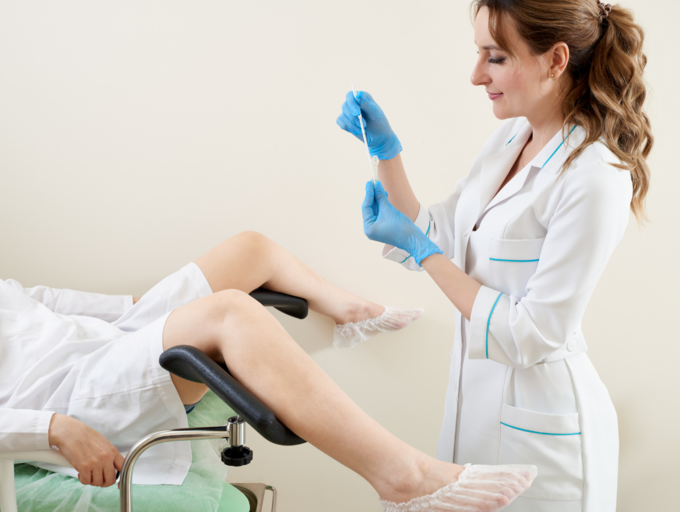
Women are biologically at a higher risk of getting STD because the vaginal surface is larger and more vulnerable to sexual secretions than the male genitalia. It is very important to treat STDs because it can lead to diseases like pelvic inflammatory disease. Women can lower the risk of getting an STD by using female condoms or by asking their partner to use condoms as well. The risk of getting an STD can never be eliminated.

There are over 35 types of STDs

Did you know that there are more than 35 types of STDs? The most common STDs that we are aware of are Human Papillomavirus (HPV) herpes, syphilis, hepatitis, gonorrhoea, chlamydia and Human Immunodeficiency Virus (HIV) but there are many more STDs in the world. Some of these STDs can also be spread through other non-sexual activities like blood transfusions.

STDs can cause infertility

Untreated STDs can make you infertile. This is more common in women than men. Untreated Gonorrhea and chlamydia can spread to the fallopian tube and make a woman infertile, meaning they will not be able to conceive. Men can also be infertile due to untreated STDs. Therefore, it is important to get regular checkups and treat a disease without any shame.

Some STDs Are asymptomatic
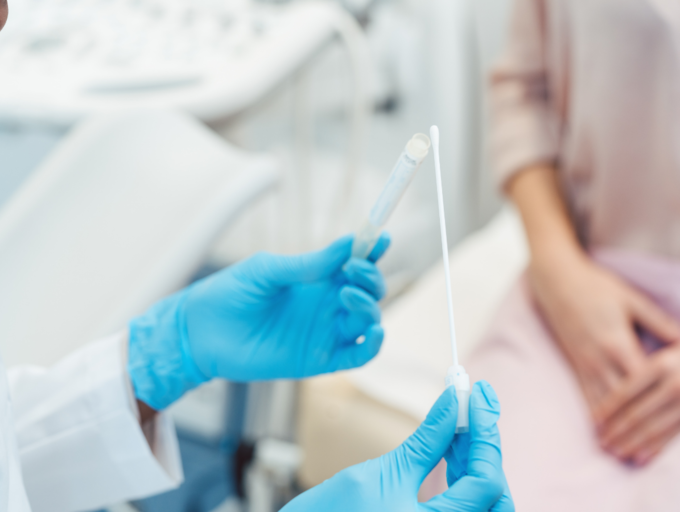
Some STDs can be asymptomatic, this means that one can have an infection and not know about it. There are no visible symptoms that can help the doctor diagnose the disease. Herpes and chlamydia can go undetected as in some cases they do not show any symptoms.

STDs can spread through any type of sexual activity

Although condoms are the second-best way to protect yourself from STDs other than abstinence, they cannot guarantee 100 per cent protection against STDs. You should use a condom while having any type of sexual activity be it oral, anal, or vaginal sex. It is better to be safe than sorry and always use protection.

Unborn children and newborns can be affected by STDs

Pregnant women should be tested for STDs, even if they do not have any symptoms because some STDs, such as HIV and hepatitis B, can be passed down to unborn children. Some STDs can cause complications during birth and can lead to premature birth, stillbirth, and low birth weight. If STDs are found during the pregnancy, the doctors can treat the infection. In case the mother is HIV positive, the doctor can suggest having the baby by cesarean section.

This is only for your information, kindly take the advice of your doctor for medicines, exercises and so on.   

https://gscrochetdesigns.blogspot.com. one can see my crochet creations  
https://gseasyrecipes.blogspot.com. feel free to view for easy, simple and healthy recipes    
https://kneereplacement-stickclub.blogspot.com. for info on knee replacement


Labels: , , , , , , , , , , , , , ,

Thursday, June 03, 2021

9 Amazing Health Benefits of Using Licorice Root

The list of properly-documented uses for licorice root is truly remarkable, and it's definitely one of the most overlooked natural treatments in the world. It can be used to treat a whole range of different ailments, from asthma, to viral infections and tuberculosis. Here are nine amazing health benefits of licorice root: 
1. It helps with depression 
 
Adrenal glands regulate the body's production of cortisol, which is the human stress hormone. When our cortisol levels are low, we're likely to experience fatigue, melancholy, anxiety, as well as have less resistance to infections and allergens. Licorice root contains Glycyrrhizic acid, which helps boost the function of the adrenal glands, thereby diminishing depressive feelings and nervousness. 
 
2. It may regulate cholesterol levels and stave off cardiovascular disease 
 
Recent research has indicated that licorice root may control cholesterol levels by enhancing the flow of bile in the body. Other research has shown that bile acids assist with the elimination of excessive bad cholesterol. Furthermore, licorice root has antioxidant properties, meaning that it's likely to enhance capillary health and hinder the growth of arterial plaque. 
 
3. It alleviates menopause-related hormonal symptoms 
 
The aforementioned antioxidant properties of licorice root, together with its phytoestrogen content, are thought to be good for alleviating exhaustion, mood swings and hot flashes in menopausal women. In fact, hormone production can be regulated by swallowing just one licorice root capsule each day.

4. It alleviates menstrual and PMS symptoms 
 
Licorice root has anti-inflammatory and antispasmodic properties. These are believed to assist with symptoms such as breast tenderness, menstrual cramps, nausea, bloating and mood swings. Consuming licorice root tea three days prior to the expected beginning of "that time of the month" is the best way of reaping these benefits. 
 
5. It's used to treat herpes and shingles  
 
Various studies have indicated that licorice root's antiviral action can stop cold sores caused by herpes simplex from returning, as well as halting the progression of any existing ones. Herpes and shingles are usually treated with the ingestion of one licorice root extract capsule twice per day, together with the application of a licorice root extract salve to areas of the skin affected by the viral infections. 
 
6. It can help you lose weight  
 
Individuals participating in a recent study experienced a significant reduction in body fat mass after ingesting three grams of licorice root daily for three months. Nevertheless, eating licorice root over extended periods isn't recommended. The best way to use it for this purpose is to take it daily for two weeks, then have a week off, then take it for two weeks, and so on.

7. It can soothe sore throats and might increase saliva production  
 
Some treatments use licorice root to soothe a sore throat. Some herbalists also recommend using it to increase saliva production, although more evidence of the root's potency is needed in this regard. 
 
8. It's good for treating skin problems 
 
Poultices and salves made from licorice root are used to treat eczema, skin rashes, psoriasis, and itchy and dry skin. If you have any of these skin problems, try applying a salve made from licorice root to the problem area two to three times per day. Also, if you have bad skin, doing this can keep your symptoms from reappearing. 
 
9. It's good for treating gastric and abdomen problems 
 
Licorice root is used frequently to deal with digestive problems and intestinal issues. This is because the root contains flavonoids, which help to reduce digestive system discomfort and inflammation. Drinking licorice root tea two to three times each day will alleviate these symptoms, while also promoting good bowel health.

Warning: Potential side effects 
 
Consuming licorice root over a long period might cause hypertension, hypokalemia, cataracts, and fluid retention in the body. Do not consume licorice root if you suffer from heart problems or if you are allergic to legumes, peas, beans or pulses. If you are pregnant, avoid licorice root at all costs due to its estrogenic action.
 

This is only for your information, kindly take the advice of your doctor for medicines, exercises and so on.   

https://gscrochetdesigns.blogspot.com. one can see my crochet creations  
https://gseasyrecipes.blogspot.com. feel free to view for easy, simple and healthy recipes    
https://kneereplacement-stickclub.blogspot.com. for info on knee replacement


Labels: , , , , , , , , , , ,

Tuesday, November 19, 2019

Researchers discover vaccine to treat herpes


Researchers have discovered a new vaccine which is proving to be effective in combating herpes virus.

In the study, researchers delivered the Penn-developed vaccine to 64 mice and then exposed them to genital herpes. After 28 days, 63 of the mice were found to have sterilising immunity, meaning there was no trace of herpes infection or disease after the exposure.

Similarly, 10 guinea pigs, which have responses to herpes infections that more closely resemble that of humans, were also given the vaccine and exposed to the virus.

No animal developed genital lesions and only two showed any evidence that they became infected, but the infection was not in a form that animals could transmit the virus, reported the study published in the journal, 'Science Immunology'.

"We're extremely encouraged by the substantial immunising effect our vaccine had in these animal models," said the study's principal investigator Harvey Friedman, MD, a professor of Infectious Diseases.

"Based on these results, it is our hope that this vaccine could be translated into human studies to test both the safety and efficacy of our approach," added Friedman.

Building on the approaches of much cutting-edge cancer and immunotherapy researchers, the Penn team filled their vaccine with specific messenger RNA (mRNA), which can create proteins necessary for a strong immune response.

This vaccine stimulates three types of antibodies: one that blocks the herpes virus from entering cells, and two others that ensure the virus doesn't "turn off" innate immune system protective functions.

This approach differs from other herpes vaccines, which often only rely on blocking the virus's entry as the mode to attack the virus.

Genital herpes also called Herpes simplex virus type 2 or HSV-2 is the most common sexually-transmitted disease. Approximately 14 per cent of Americans ages 14 to 59, and 11 per cent of people in the same age range across the world are infected. HSV-2 may lead to painful sores, which can spread to other areas of the body.

The virus increases one's risk of contracting HIV and infected pregnant women may pass herpes onto their fetus, or more commonly, to their baby during delivery.

"Along with physical symptoms, HSV-2 takes an emotional toll," said Friedman. "People worry over the transmission of the disease, and it can certainly have a negative effect on intimate relationships."

Since herpes is so widespread but also often undetected, as it is only visible during an outbreak, researchers say a successful vaccine would be invaluable to many adults across the world.

this is only for your information, kindly take the advice of your doctor for medicines, exercises and so on.     
https://gscrochetdesigns.blogspot.com. one can see my crochet creations  
https://gseasyrecipes.blogspot.com. feel free to view for easy, simple and healthy recipes    
https://kneereplacement-stickclub.blogspot.com. for info on knee replacement


Labels: , , , , , , ,