Wednesday, October 12, 2022

Having Leg Cramps at Night? Then You Need to Know This

About 60% of adults and nearly 7% of children suffer from occasional or frequent leg cramps at night, and few things are as unpleasant as waking up in the middle of the night with a sudden, sharp pain stretching through your leg, foot or calf. It doesn’t just wake you up at night either, as the pain can linger for hours and the affected muscle can feel tender and sensitive all day.
 
Luckily, it usually stops after a day, but even so, it’s often a recurring problem. These nightly cramps, however, are not completely random, and they’re usually a sign that something’s wrong with your health or lifestyle. Here are the common causes of leg cramps, as well as a few tips on how to treat and prevent them.
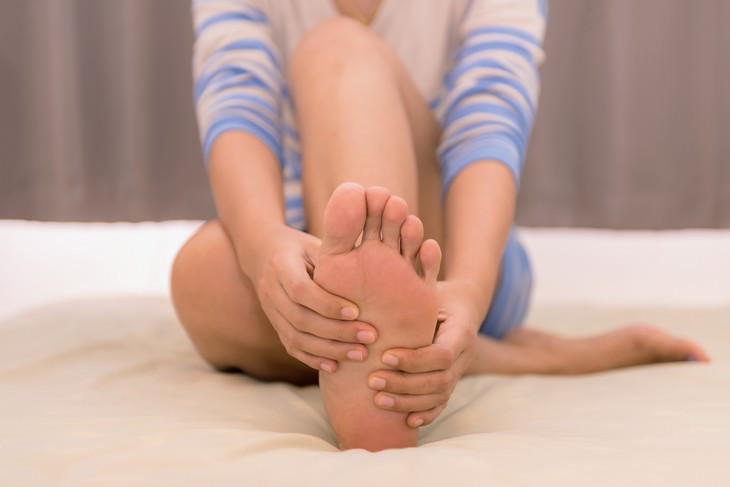
night leg cramps woman massaging foot

The Causes of Night Leg Cramps 
 
The reason why you’re experiencing a leg cramp is clear: one of the muscles in your leg, typically the calf muscles, thigh muscles or the hamstrings contract involuntarily, but the underlying cause of this reaction is more nuanced, with many health conditions, medications and lifestyle choices playing a role in the process. The following are the most common causes of night leg cramps: 
 
1. A Sedentary Lifestyle and Wrong Body Positions
Office workers commonly experience leg cramps at night, which is brought about by the underactive lifestyle many of them have. Sitting in the car on the way to work, sitting all day at the office, which is then followed by even more sitting on the couch 5 days a week year-round can shorten one’s leg muscles, which, in turn, makes them more vulnerable to injury and cramping. 
 
Similarly, if you have the habit of sitting with your legs crossed, one leg on top of the other or with your toes pointed for long periods of time, this, too, can decrease blood flow and shorten the muscles, causing night leg cramps. 
 
2. Flat Foot
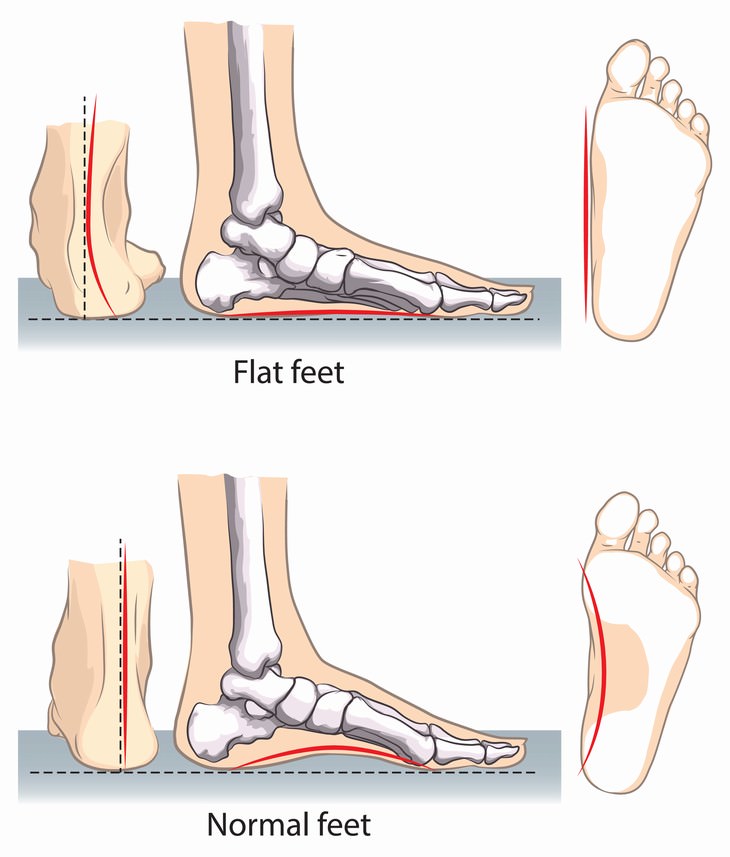
night leg cramps flat foot

Flat foot is a condition where the arches of the feet are too small or barely existent, which can make your legs hurt, swell and feel tired more quickly when walking. Some patients suffering from flat foot can experience frequent foot cramps or leg cramps at night, which are caused by the abnormal alignment of bones and the overstretching of certain leg muscles. 
 
3. Metabolic Issues and Chronic Disease, Such as Diabetes or Kidney Failure
Many chronic and acute conditions can cause night leg cramps. These conditions include: 
 
Kidney disease and kidney failure 
 
Adrenal problems 
 
Thyroid conditions 
 
Liver problems and particularly cirrhosis 
 
Diabetes 
 
Cardiovascular Diseases. 
 
Most people suffering from one of these conditions would typically undergo some sort of treatment already, and improving your overall health will likely decrease your likelihood of getting leg cramps.  
 
4. Structural Changes 
 
 spinal stenosis
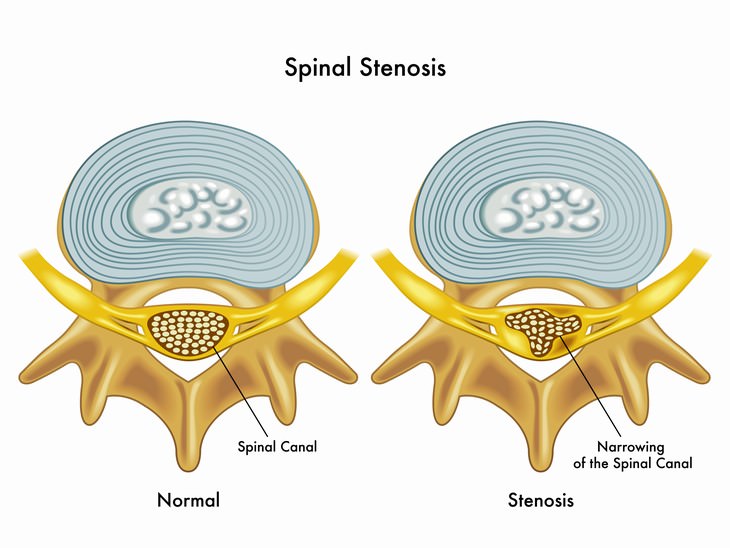
night leg cramps spinal stenosis
Decreased blood flow or nerve connectivity in the legs can make you more prone to night cramps, too. 
 
The most common cause of circulatory deficiency in the legs is Peripheral artery disease (PAD), a condition in which the arteries that supply your legs with blood become narrower, typically due to atherosclerosis, which restricts the quantity of blood that can reach your legs and feet, causing leg pain, especially when walking long distances, but can also cause numbness, coldness of the feet, erectile dysfunction in men and night cramps. 
 
Lumbar spinal stenosis, a condition where the spine becomes narrower in the lower back and causes nerve damage or pressure on the nerves, too, can manifest itself in more frequent cramps, as well as pain, weakness, and numbness in the legs.  
 
5. Overexertion

One of the most common causes of leg cramps is actually too much muscle strain, with many athletes suffering from frequent night cramps in their legs or feet, especially after they start training more heavily than they used to. 
 
Standing for long periods of time, too, can fatigue your leg muscles and cause leg cramps.  
 
6. Certain Medications

Leg cramping, including nightly cramping, is a commonly-listed side effect of many medications. The most common types of drugs associated with muscle cramping are: 
 
Blood pressure medications 
 
Statin drugs 
 
Oral contraceptives 
 
Dialysis Diuretics.  
 
7. Neurodegenerative Diseases or Nerve Damage
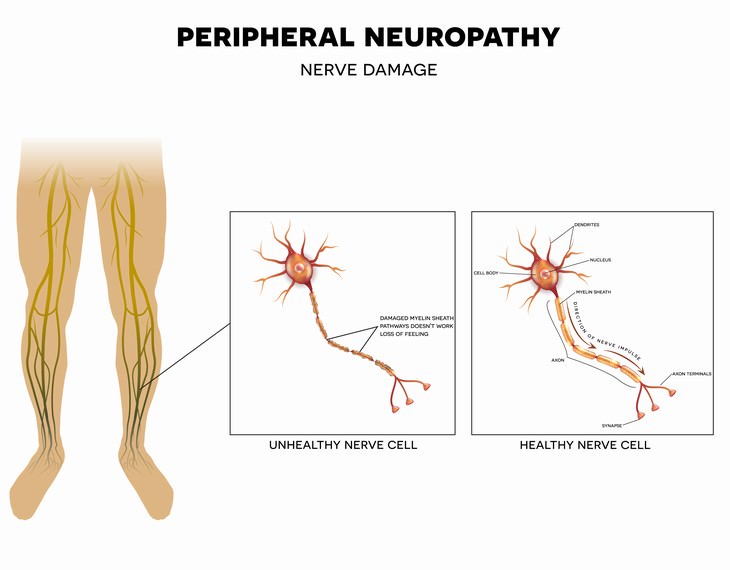
night leg cramps peripheral neuropathy
Any type of nerve damage in the lumbar region, the spinal cord or the legs may make you more prone to cramps. Chemotherapy, for example, can sometimes cause nerve damage, as do neurodegenerative diseases, such as Parkinson’s and neurological disorders, such as peripheral neuropathy. 
 
Unfortunately, recovery from nerve damage is very slow and time-consuming, and even if you’re undergoing some sort of treatment, chances are, you’ll be stuck with cramps and other symptoms for a while or permanently.  
 
8. Normal Body Changes
Whether temporary or permanent, changes in your body can cause leg cramping as well. Statistical data shows that women are more prone than men to suffer from night leg cramps in general, but pregnant women are even more likely to do so than the rest. This is likely due to muscle fatigue brought about an increase in weight, higher nutritional requirements, and hormonal changes. 
 
Similarly, aging increases one’s risk of suffering from leg cramps as well, with a reported 33% of individual past the age of 50 experiencing chronic night leg cramps. Chronic diseases may account for this part of these cases, but there is also a theory that the tendons, the supportive tissue joining our muscles and bones, which have a tendency to shorten over time, may account for more frequent cramp cases as well. 
 
Prevention of Night Leg Cramps 
As you can see, many conditions and other factors may predispose you to frequent night cramps. Fortunately, there are also preventative measures you can take that will compensate for the damage done and will ensure you have a painless good night’s sleep. 
 
One of the best, and also the easiest things you can do to prevent night leg cramps is light exercise, especially if you know that you don’t get enough exercise during the day. Just half an hour of walking, biking or mild leg stretches can significantly decrease your risk of getting a leg cramp at night.
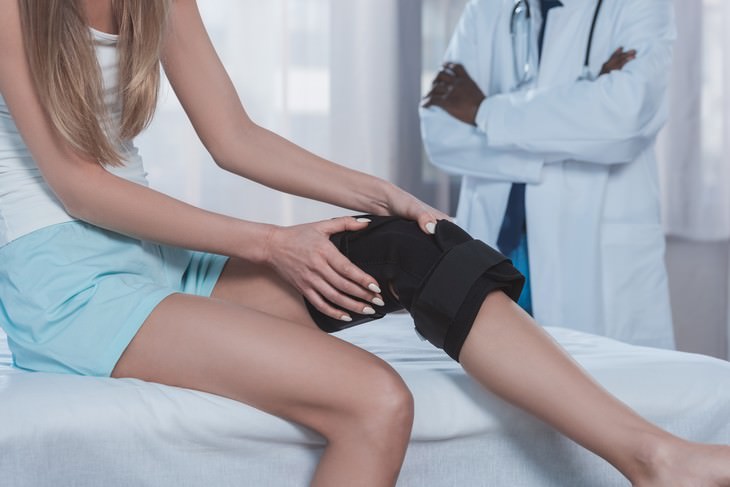
night leg cramps woman at the doctor's office with a leg in a brace

Secondly, you should always keep an eye on your daily fluid intake, as hydration is essential for muscle health, especially if you strain your muscles a lot. 
 
Finally, it’s also worth taking a closer look at your sleeping position and footwear. Choose footwear that will support the arches of your feet without being too tight. Also, avoid sleeping with your feet pointing down, try sleeping on your side with a pillow or blanket tucked between your legs instead. For the same reason, don’t tuck yourself in too tight at night and opt for loose blankets and sheets to encourage a natural curve of your feet while you sleep. 
 
Treating a Leg Cramp 
 
In terms of treatment, there is no difference between a leg cramp that occurred at night and any other leg cramp. Here's what you can do to manage the symptoms: 
 
Gently massage and stretch out the muscle that hurts to loosen the tightness. 
 
Some people report that their symptoms fade faster if they apply a heating pad on the affected area or take a hot bath or shower. 
 
A little weird but sometimes effective method a lot of people swear by is drinking a small quantity of pickle juice. 
 
Finally, if your calf muscle was affected, you can try walking on your heels for a few minutes, which will relax your calves by activating the opposite muscles.  
 
Note: if muscle cramps are frequent, extremely painful, accompanied by muscle weakness and don’t go away after a day, you should consult a doctor as soon as possible.


This is only for your information, kindly take the advice of your doctor for medicines, exercises and so on.   

https://gscrochetdesigns.blogspot.com. one can see my crochet creations  
https://gseasyrecipes.blogspot.com. feel free to view for easy, simple and healthy recipes    
https://kneereplacement-stickclub.blogspot.com. for info on knee replacement

https://GSiyers home remedies.blogspot.com     will be latest addition to my blogs. I'm going to add posts there, do give me your valuable feed back on my blogs. Thanks a lot, take care, be healthy and be happy.


Labels: , , , , , , , , , , , ,

Wednesday, April 29, 2020

Surprising Reasons for Back Pain

We all suffer from back pain at some point in our lives. Those who love to visit the doctors, rush to the medics, who will at once check you and say, get some spinal x-rays done. I can tell you that being exposed too much radiation due to x-rays, is one of the reason for my thyroid cancer. Please, my friends,  we can say NO to x-ray, if we feel it is not necessary.

Not all back pains are due to spinal problems, many of them are related to some thing else. Even when is worried, your back pain will increase, as tension causes our nerves to stress. In case you feel, your back pain is due to tension, just take a couple of deep breaths, slowly breathe out, say OM, for a few seconds at least, I'm sure you'll start feeling a lot better. 

Tension is also one of the cause of cervical pain. Another reason may be wrong/ bad posture, either due to your work or otherwise.

There are other reasons for your back pain, when you analyse and try to correct those problems, voila ! your back pain will just disappear like magic !

1) Wearing too tight pant/ dress. Though tight pants have become fashion with both men and women, it is one of the leading cause of back pain.Tight clothes make us move awkwardly, leading to stress on spine and pelvis. It can make you slump when you sit, weakening your spine. Please don't ape the fashion, one must wear what is most comfortable, as tight clothes aren't healthy.

2) Insomnia-  sleep problems can also lead to back pain or make it worse. One study found you’re 1½ times more likely to get back pain if you have insomnia. (That means it's hard to get to sleep, or stay asleep.) Researchers aren't sure exactly why. But insomnia can make you more sensitive to pain. Stress might play a part, too. Try to form a routine, better sleeping habits, learn some relaxation techniques like 4-7-8 breathing exercise, breathe in for 4 counts, hold breath for 7 and exhale for 8 count. Surely this will calm you. Learn to meditate before going to bed. Drinking warm milk, eating banana and some melon seeds  also supposed to induce good sleep.
 

3) The Way You Walk- Often we don't realise how we walk, especially if one if flat footed, then the balance tends to shift. . Does your backache kick in when you stand up or start to walk? If so, check with a foot specialist to see if your tootsies might be to blame.
When I was having plantar fascitis in my left foot, was putting more pressure on my right side leading to back pain, as already I've spinal problem.

4) Scarred Nerves -After you have an injury or surgery around the nerves in your back, scar tissue grows. This thick, tough stuff helps the nerve heal. But when you move, the scar can tug on the sensitive area. Scarring also can also block blood supply to the nerve, causing back pain. Your doctor may treat scarred nerves with electric pulse therapy, which diverts pain signals. Or you might need surgery.


5)Video Gaming- Gamers tend to spend lots of time seated, with their heads tilted forward and their shoulders slumped. Poor posture and hours of sitting can lead to muscle strain and stiffness. One easy fix: Set a timer for 20- or 30-minute breaks to remind yourself to stand up and move around. And instead of slouching on the sofa, sit on a therapy ball.

6) Having a C-Section- One study found that women who gave birth by cesarean section with epidural anesthesia were more likely to have lower back pain later. Labor can put your body into strained positions. An epidural cancels pain, so you could lie for a long time in an awkward pose you can’t feel. This can damage your back and lead to pain. Also, you must limit activity for a while after a C-section. That can weaken your abs -- another cause of back pain. Actually, my first baby was born through C-section, after that when I had spinal pain, my orthopaedic said avoid epidural, go for GA in case you're going for other surgeries. But sadly, when I had my right knee replacement and varicose veins ablation, they said only spinal will be given. Already, I've had L4-L5 prolapsed disc surgery way back in 1988, since 1990, I developed problem in the next stage, my ortho said try to avoid, unless I can find a good surgeon who will do key-hole surgery for it. Have been grinning and bearing the pain, when I strain a lot, it does hurt, then I just lie down and meditate, I don't take pain killers.


7) Smoking- Smokers are almost 3 times more likely to get lower back pain. Tobacco slows the flow of blood to your tissues and bones. This can lead to a painful breakdown in the disks of your spine. Since smoking also slows healing, the ache may linger. Researchers also think nicotine makes pain feel worse. Ask your doctor about ways to quit smoking.


8) Your Height- Studies have found a link between height and back problems. One found that women at least 5 feet, 7 inches tall were 20% more likely to have lower back pain than shorter women. The risk also rose for tall men, especially those over 6-foot-1. Hormones, or the way a taller body moves, could be to blame. So could posture problems that happen when you often stoop to get into a car or lean over to talk to shorter folks. Don't bend to talk to shorties, let them look up at you !


9) Urinary Tract Infections- Urinary tract infections (UTIs) happen when bacteria from your rectum or skin get into your urinary tract and infect it. Most are bladder infections. Kidney infections are more rare, but also more serious. They can cause lower back pain along with:     Fever, Chills , Nausea, .
Doctors use antibiotics to clear up UTIs, which are most common in women and girls. I can vouch for this, as my UTI wasn't properly treated, it spread to my kidneys, then my back was also hurting badly.


10) Flimsy Flip-Flops- Flip-flops , may look trendy, but not good for your back, for sure. As you shuffle along, your feet strike the ground flat, with little cushioning to absorb the impact. This not only changes your natural stride but can hurt your feet. The stress and pain can move up into your legs, hips, and lower back. Even casual summer sandals should protect and support your feet.


11) A Bulky Wallet- Now-a-days, our wallets are getting bulkier, as we've to carry credit and debut cards, then ID cards, driving license, then so many visiting cards of yours and others, money, all this makes your wallet bulge. Putting such bulging wallet in your pant pocket puts strain on your buttocks muscles. It affects sciatica, which can trigger low back pain. Try to keep minimum things in your wallet and preferably put it in front pocket, so no strain on your back.


This is only for your information, kindly take the advice of your doctor for medicines, exercises and so on.     

https://gscrochetdesigns.blogspot.com. one can see my crochet creations  
https://gseasyrecipes.blogspot.com. feel free to view for easy, simple and healthy recipes    
https://kneereplacement-stickclub.blogspot.com. for info on knee replacement

Labels: , , , , , , , , , , , ,