Having Leg Cramps at Night? Then You Need to Know This
About 60% of adults and nearly 7% of
children suffer from occasional or frequent leg cramps at night, and few
things are as unpleasant as waking up in the middle of the night with a
sudden, sharp pain stretching through your leg, foot or calf. It
doesn’t just wake you up at night either, as the pain can linger for
hours and the affected muscle can feel tender and sensitive all day.
Luckily, it usually stops after a day, but even so, it’s often a
recurring problem. These nightly cramps, however, are not completely
random, and they’re usually a sign that something’s wrong with your
health or lifestyle. Here are the common causes of leg cramps, as well
as a few tips on how to treat and prevent them.

The Causes of Night Leg Cramps
The reason why you’re experiencing a leg cramp is clear: one of the
muscles in your leg, typically the calf muscles, thigh muscles or the
hamstrings contract involuntarily, but the underlying cause of this
reaction is more nuanced, with many health conditions, medications and
lifestyle choices playing a role in the process. The following are the
most common causes of night leg cramps:
1. A Sedentary Lifestyle and Wrong Body Positions
Office workers commonly experience leg
cramps at night, which is brought about by the underactive lifestyle
many of them have. Sitting in the car on the way to work, sitting all
day at the office, which is then followed by even more sitting on the
couch 5 days a week year-round can shorten one’s leg muscles, which, in
turn, makes them more vulnerable to injury and cramping.
Similarly, if you have the habit of sitting with your legs crossed, one
leg on top of the other or with your toes pointed for long periods of
time, this, too, can decrease blood flow and shorten the muscles,
causing night leg cramps.
2. Flat Foot
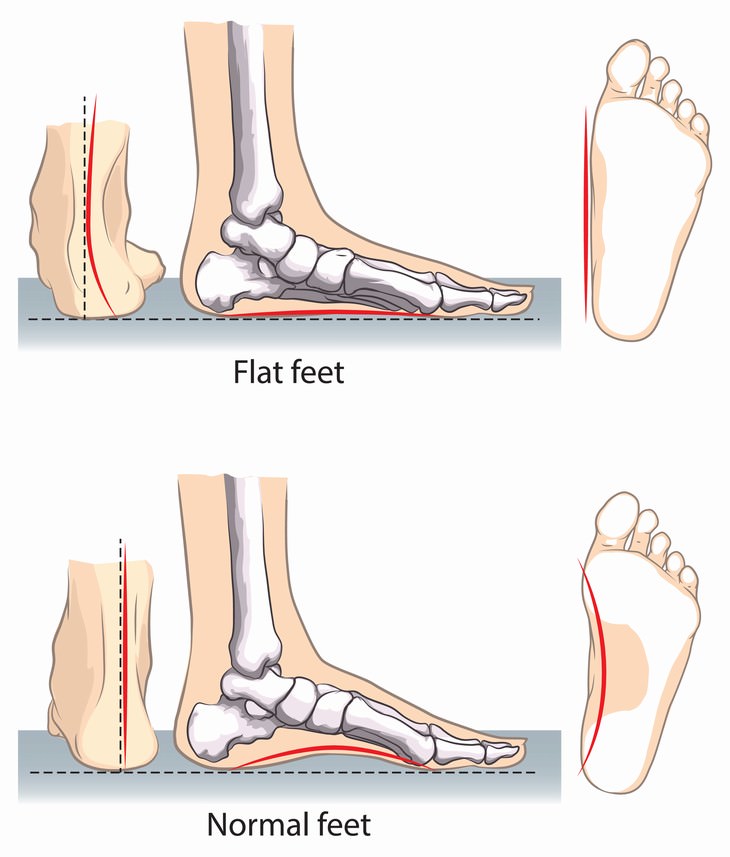
Flat foot is a condition where the arches
of the feet are too small or barely existent, which can make your legs
hurt, swell and feel tired more quickly when walking. Some patients
suffering from flat foot can experience frequent foot cramps or leg
cramps at night, which are caused by the abnormal alignment of bones and
the overstretching of certain leg muscles.
3. Metabolic Issues and Chronic Disease, Such as Diabetes or Kidney
Failure
Many chronic and acute conditions can cause
night leg cramps. These conditions include:
Kidney disease and kidney failure
Adrenal problems
Thyroid conditions
Liver problems and particularly cirrhosis
Diabetes
Cardiovascular Diseases.
Most people suffering from one of these conditions would typically
undergo some sort of treatment already, and improving your overall
health will likely decrease your likelihood of getting leg cramps.
4. Structural Changes
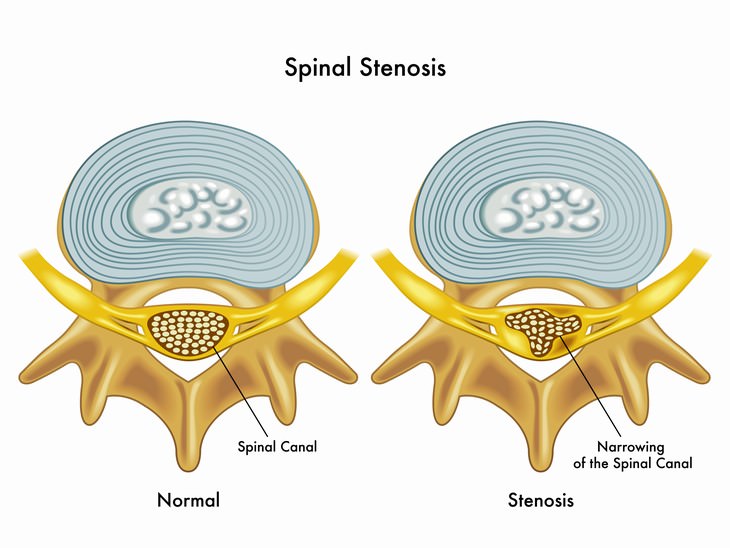
spinal stenosis
Decreased blood flow or nerve connectivity
in the legs can make you more prone to night cramps, too.
The most common cause of circulatory deficiency in the legs is
Peripheral artery disease (PAD), a condition in which the arteries that
supply your legs with blood become narrower, typically due to
atherosclerosis, which restricts the quantity of blood that can reach
your legs and feet, causing leg pain, especially when walking long
distances, but can also cause numbness, coldness of the feet, erectile
dysfunction in men and night cramps.
Lumbar spinal stenosis, a condition where the spine becomes narrower in
the lower back and causes nerve damage or pressure on the nerves, too,
can manifest itself in more frequent cramps, as well as pain, weakness,
and numbness in the legs.
5. Overexertion
One of the most common causes of leg cramps
is actually too much muscle strain, with many athletes suffering from
frequent night cramps in their legs or feet, especially after they start
training more heavily than they used to.
Standing for long periods of time, too, can fatigue your leg muscles and
cause leg cramps.
6. Certain Medications
Leg cramping, including nightly cramping,
is a commonly-listed side effect of many medications. The most common
types of drugs associated with muscle cramping are:
Blood pressure medications
Statin drugs
Oral contraceptives
Dialysis
Diuretics.
7. Neurodegenerative Diseases or Nerve Damage
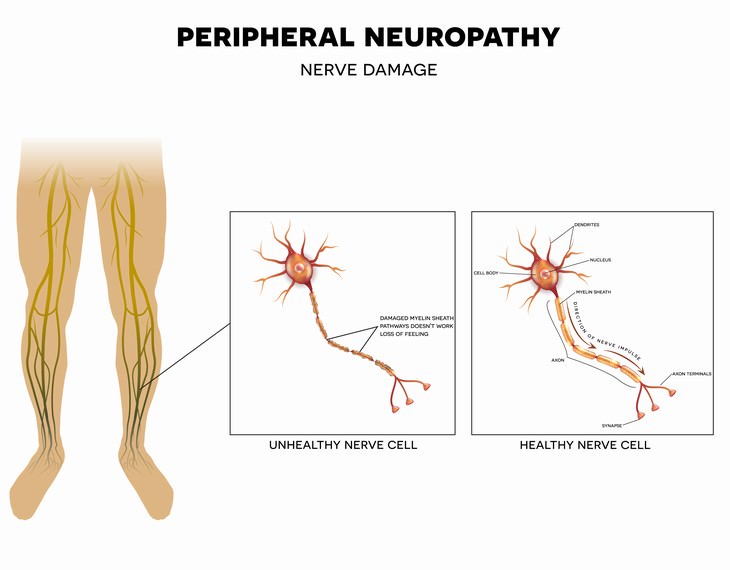
Any type of nerve damage in the lumbar
region, the spinal cord or the legs may make you more prone to cramps.
Chemotherapy, for example, can sometimes cause nerve damage, as do
neurodegenerative diseases, such as Parkinson’s and neurological
disorders, such as peripheral neuropathy.
Unfortunately, recovery from nerve damage is very slow and
time-consuming, and even if you’re undergoing some sort of treatment,
chances are, you’ll be stuck with cramps and other symptoms for a while
or permanently.
8. Normal Body Changes
Whether temporary or permanent, changes in
your body can cause leg cramping as well. Statistical data shows that
women are more prone than men to suffer from night leg cramps in
general, but pregnant women are even more likely to do so than the rest.
This is likely due to muscle fatigue brought about an increase in
weight, higher nutritional requirements, and hormonal changes.
Similarly, aging increases one’s risk of suffering from leg cramps as
well, with a reported 33% of individual past the age of 50 experiencing
chronic night leg cramps. Chronic diseases may account for this part of
these cases, but there is also a theory that the tendons, the supportive
tissue joining our muscles and bones, which have a tendency to shorten
over time, may account for more frequent cramp cases as well.
Prevention of Night Leg Cramps
As you can see, many conditions and other factors may predispose you to
frequent night cramps. Fortunately, there are also preventative measures
you can take that will compensate for the damage done and will ensure
you have a painless good night’s sleep.
One of the best, and also the easiest things you can do to prevent night
leg cramps is light exercise, especially if you know that you don’t get
enough exercise during the day. Just half an hour of walking, biking or
mild leg stretches can significantly decrease your risk of getting a
leg cramp at night.

Secondly, you should always keep an eye on
your daily fluid intake, as hydration is essential for muscle health,
especially if you strain your muscles a lot.
Finally, it’s also worth taking a closer look at your sleeping position
and footwear. Choose footwear that will support the arches of your feet
without being too tight. Also, avoid sleeping with your feet pointing
down, try sleeping on your side with a pillow or blanket tucked between
your legs instead. For the same reason, don’t tuck yourself in too tight
at night and opt for loose blankets and sheets to encourage a natural
curve of your feet while you sleep.
Treating a Leg Cramp
In terms of treatment, there is no difference between a leg cramp that
occurred at night and any other leg cramp. Here's what you can do to
manage the symptoms:
Gently massage and stretch out the muscle that hurts to loosen the
tightness.
Some people report that their symptoms fade faster if they apply a
heating pad on the affected area or take a hot bath or shower.
A little weird but sometimes effective method a lot of people swear
by is drinking a small quantity of pickle juice.
Finally, if your calf muscle was affected, you can try walking on
your heels for a few minutes, which will relax your calves by activating
the opposite muscles.
Note: if muscle cramps are frequent, extremely painful, accompanied by
muscle weakness and don’t go away after a day, you should consult a
doctor as soon as possible.