Friday, March 05, 2021

Injected vs Nasal vaccines: Which mode of COVID vaccine will be better in the long run?

Injected vs Nasal vaccines: Which mode of COVID vaccine will be better in the long run?
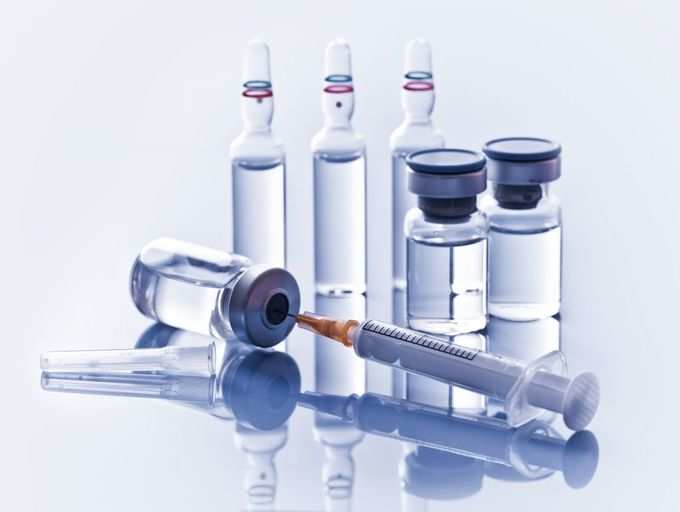
The second phase of COVID-19 vaccine roll out has begun in India, which not only includes the young and the healthy but also allows senior citizens above the age of 60 and select people over 45 years of age to get the vaccine jab. While the current mode of COVID vaccines is limited to injected vaccines, prospects of nasal vaccines are also being discussed in and around the world.

Injected vs nasal vaccines

Injected or traditional vaccines are injected into the skin with the help of injections (needles). Unlike traditional vaccines, nasal vaccines target the virus present in the mucosal membranes and are given via nose, rather than orally or through the arm.

How do nasal vaccines work?
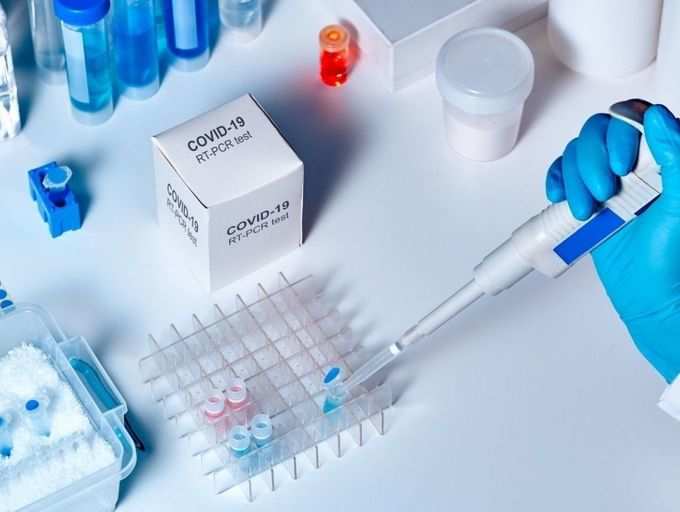
Usually nasal vaccines are sprayed into the nostrils. It can be done with the help of a syringe with no needle, a nasal spray, liquid medicine or special aerosol delivery.

While the virus commonly enters your body through your nose, the vaccine then intercepts the virus and causes your immune system to make proteins in your blood and in your nose to combat the virus. This also prevents the virus from growing.

How are nasal vaccines different from the injected vaccines?
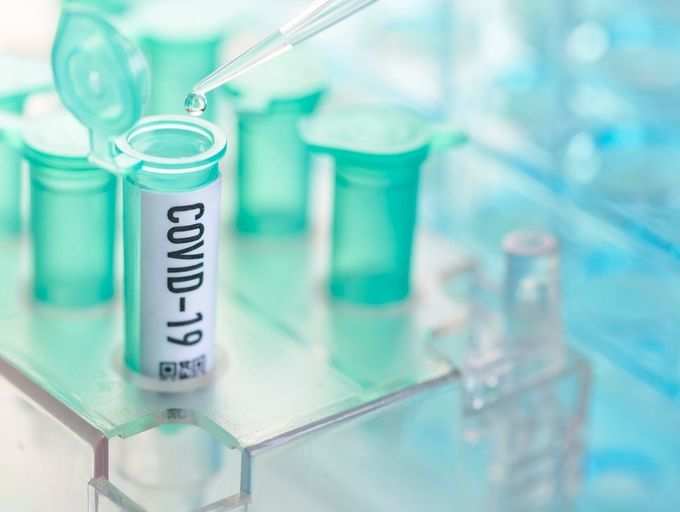
Considering most viruses, including the ones associated with SARs-COV-2, enter the body through the mucosa and infect the cells and molecules present in the mucosal membranes, nasal vaccines are seen as an effective solution for the same.

On the contrary, intramuscular vaccines or injected vaccines fail to trigger such immune response from the mucosa and depend on immune cells from other parts of the body.

Apart from that, nasal vaccines are easier to administer and may provide easy immunity. An effective nasal jab can not only protect against COVID-19, but also directly interacts with T-cells that exist in the nose and the throat and targets the immune cells present in the mucosal membrane.

As per Bharat Biotech, their intranasal vaccine candidate, which is soon to enter Phase I clinical trials, has proven effective and is said to provide high levels of protections in mice studies.

readmore

Benefits of nasal vaccines as compared to injected vaccines

Besides providing better immunity prospects, nasal vaccines can be self-administered and have fewer chances of side effects, as per experts.

It is cost effective and requires lesser resources as compared to the number of syringes and transportation cost needed for injected vaccines.

Additionally, there is a lesser chance of our body rejecting the effectiveness of the vaccine, as it can be immediately absorbed by the blood vessels.

Bharat Biotech to begin clinical trials of COVID-19 nasal vaccine

On January 8, Bharat Biotech sought permission from the Drugs Controller General of India (DGCI) to conduct Phase 1 and Phase 2 clinical trials of the intranasal vaccine. As on Tuesday, the firm received the approval for phase 1 trials and are set to begin the clinical trials by next week. The trials will be conducted in Patna, Chennai, Hyderabad, and Nagpur. According to the Central Trail Registry of India (CTRI) on 175 participants.


Labels: , , , , , , , , , , , ,

Saturday, February 22, 2020

Radionuclide Therapy Could Be A Viable Treatment For Early-Stage Breast Cancer,


Researchers have identified another potential therapy for early-stage breast cancer.

Radionuclide therapy is a systemic (or whole-body) treatment that travels through the body via the bloodstream, like chemotherapy does. However, the radioactive substances in the treatment target  diseased cells in particular, so side effects are greatly reduced (unlike chemotherapy).

Roughly 20% of five-year breast cancer survivors will experience metastatic breast cancer sometime within five to ten years after treatment for the first occurrence of breast cancer. Metastatic breast cancer occurs when cancerous cells from the initial tumor break off and gain access to the circulatory system. From there, they can travel anywhere in the body. These cancerous cells are called  disseminated tumor cells (DTCs). DTCs may immediately develop into tumors elsewhere in the body, or they may stay dormant for several years before suddenly becoming active.

Researchers have found that radionuclide therapy can accurately target these DTCs and delay or stop their growth in early-stage breast cancer. Radionuclide therapy utilizes the alpha-particle-emitting radiopharmaceutical 223RaCl2 (Radium-233 dichloride). Not only can the treatment target DTCs, but it also is able to find and attack cancer cells that are outside of the immediate radiation field, called  bystander cells.

The study was published in the Journal of Nuclear Medicine. Researchers split female mice into three groups. First, each group was given either 0 kBq/kg (the control group), 50kBq/kg, or 600 kBq/kg of 223RaCl2 to create bystander conditions. Then, 24 hours later, the bone marrow of the mice were injected with human breast cancer cells that were either estrogen receptor-positive (ER+) or triple negative (which is not fueled by estrogen, progesterone, or HER2). The tumor cell count was measured on day one and then once a week after that to track growth.
Researchers found that DTCs were present in mice with both types of breast cancer. They found that mice with ER+ breast cancer had a 7-day growth delay in tumor progression when given 50 kBq/kg of 223RaCl2, and a 65-day growth delay when given 600 kBq/kg. The mice with triple negative breast cancer (TNBC) experienced a 10-day growth delay in tumor progression when given 600 kBq/kg. The mice with TNBC who were given 50 kBq/kg experienced no significant difference from the control group.

“The increased magnitude of the bystander effect in this study suggests that higher injected activities may better sterilize undetected dormant or slow-growing DTCs in the bone marrow micro-environment,” said researchers.
Because of these promising results, researchers say it may eventually be an option for certain patients who are in the early stages of breast cancer.

“This study adds to the mounting evidence that radiation-induced bystander effects can play a role in in the design of future treatment plans for radiopharmaceuticals alone or combined with external-beam therapy,” researchers said. “Furthermore, the capacity to target specific cells or tissues in a systemic manner may offer advantages over the use of external beams of radiation for eliciting therapeutic bystander responses.”

This is only for your information, kindly take the advice of your doctor for medicines, exercises and so on.     

https://gscrochetdesigns.blogspot.com. one can see my crochet creations  
https://gseasyrecipes.blogspot.com. feel free to view for easy, simple and healthy recipes    
https://kneereplacement-stickclub.blogspot.com. for info on knee replacement


Labels: , , , , , , , , , , , , ,

Thursday, May 16, 2019

Less Chenotherapy effective for older patients with stomach cancer


For older patients with advanced stomach or esophageal cancer, less chemotherapy might prove to be more effective with fewer side effects like diarrhoea and lethargy, a new study has revealed.

A chief investigator said: "Increasingly we're realising it's not just age that affects how well someone can tolerate their treatment and we need to do more work to understand how other conditions or aspects of frailty might play a role."

The study involved 514 people with stomach or esophageal cancer having an average age of 76, while the oldest patient was 96.


Patients went through a careful medical assessment and then went onto chemotherapy with just two drugs. They were then carefully monitored to see how well the cancer was controlled, whether they had symptoms and side-effects.

The findings indicated that me
dium and lower doses of chemotherapy worked as effective as the full-strength dose in controlling cancer.

But when the researchers looked at the overall effect of the treatment, including quality of life, they reported that it was the lowest dose treatment that came out best.

"These valuable results reduce fears that giving a lower dose chemotherapy regimen is inferior and could make a huge difference for patients with stomach or esophageal cancer who can't tolerate intensive courses of treatment," said  a Prof.

"Older or frail patients are often not considered for new drug trials or standard of care therapy as they're less able to tolerate combination chemotherapy," he added.

The chief investigator said: "Doctors often prescribe reduced doses of drugs, or sometimes no chemotherapy at all, based on their clinical experience, but until now there has been little hard evidence to help them in those decisions."

The Prof. also added that "Our results provide that evidence, so doctors can confidently give people a lower dose of chemotherapy, sparing them side effects without worrying that it's compromising their chance of survival.


THIS IS ONLY FOR INFORMATION, ALWAYS CONSULT YOU PHYSICIAN BEFORE HAVING ANY PARTICULAR FOOD/ MEDICATION/EXERCISE/OTHER REMEDIES.                                    PS- THOSE INTERESTED IN RECIPES ARE FREE TO  VIEW MY BLOG-                                                                                           https://gseasyrecipes.blogspot.com/    
                                                                                                                                                     FOR INFO ABOUT KNEE REPLACEMENT, YOU CAN VIEW MY BLOG-                                                  https:// kneereplacement-stickclub.blogspot.com/  

                            FOR CROCHET DESIGNS                                                                                                                                                                                                  https://gscrochetdesigns.blogspot.com 


Labels: , , , , ,

Wednesday, April 11, 2018

Novel drug may help tackle treatment-resistant cancers

A new class of drug that has the potential to help cancer patients, especially those suffering from breast cancer and who no longer respond to existing therapies has been discovered.

Breast cancer patients frequently become resistant to existing treatments, leading to the disease becoming fatal.

Early lab-based tests of a drug named ICEC0942 were successful in targeting resistant breast cancers and indicated minimal side effects.

“Treatment-resistant tumours represent a significant threat for patients, as once a cancer stops responding to treatments there is increasingly little clinicians can do,” said a Professor.

“Drugs such as these could help to shift the balance back in favour of the patients, potentially providing a new option to patients for who existing treatments no longer work,” the Prof. added.

The findings, published in the journal, noted that the drug targets an enzyme called CDK7 — involved in directing cells through their life-cycle, which consists of growth, DNA replication and cell division.

CDK7 is also involved in the process of transcription — a vital step in gene expression — the creation of proteins to carry out cell functions.

Particular cancers, such as treatment-resistant breast cancers, have a unique dependence on transcription, meaning targeting CDK7 may be particularly effective.

By inhibiting transcription, ICEC0942 shuts down the ability of the cancer to spread.

In addition, cancers such as acute myeloid leukaemia and small-cell lung cancer are particularly transcription-dependent.

Therefore, ICEC0942 drug may also work well for these too, especially where they have become resistant to other treatments, the researchers suggested.

THIS IS ONLY FOR INFORMATION, ALWAYS CONSULT YOU PHYSICIAN BEFORE HAVING ANY PARTICULAR FOOD/ MEDICATION/EXERCISE/OTHER REMEDIES.                                                                                                                                                                                                      PS- THOSE INTERESTED IN RECIPES ARE FREE TO VIEW MY BLOG-                                                                                           https://gseasyrecipes.blogspot.com/   
FOR INFO ABOUT KNEE REPLACEMENT, YOU CAN VIEW MY BLOG-                                                           https:// kneereplacement-stickclub.blogspot.com/                              

FOR CROCHET DESIGNS                                                                                                                                                                                                                                         https://my crochet creations.blogspot.com/
  

Labels: , , , , , , , , , , ,