Saturday, March 07, 2015

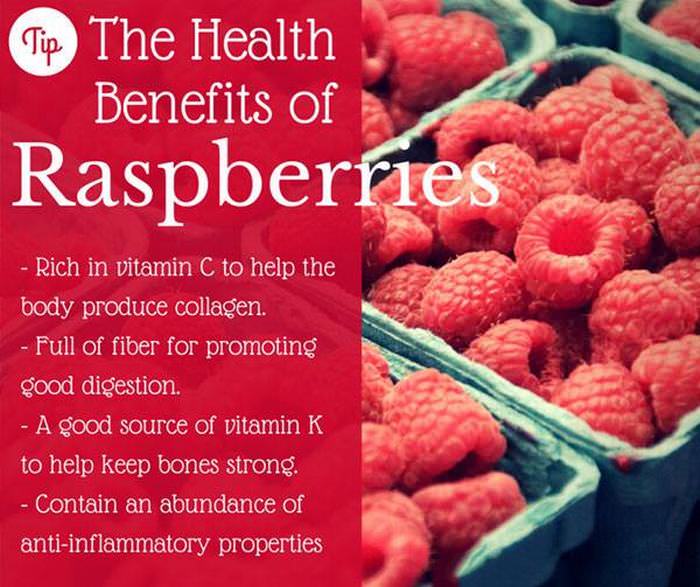
Health Benefits of Raspberries

Friday, March 07, 2014

Coriander has multiple health benefits

Coriander or cilantro is a wonderful source of dietary fiber, manganese, iron and magnesium as well. 

In addition, coriander leaves are rich in Vitamin C, Vitamin K and protein. They also contain small amounts of calcium, phosphorous, potassium, thiamin, niacin and carotene. Here go some of the health benefits of coriander leaves:

1. Coriander lowers bad cholesterol (LDL) and increases the levels of good cholesterol (HDL).

2. A very good food for digestive system, coriander promotes liver functions and bowel movements.

3. Coriander is good for diabetes patients. It can stimulate the insulin secretion and lower the blood sugar levels.

4. Vitamin K in it is good for the treatment of Alzheimer's disease.

5. The fat soluble vitamin and antioxidant- Vitamin A, protects from lung and cavity cancers.

6. Coriander contains anti-inflammatory properties. This is why it is good against inflammatory diseases such as arthritis.

7. Coriander's anti-septic properties help to cure mouth ulcer.

8. Coriander is good for the eyes. Antioxidants in coriander prevent eye diseases. It's a good remedy in the treatment of conjunctivitis.

9. Coriander seeds are especially good for the menstrual flow.

10. It's a very good herb to promote the nervous system. It can stimulate the memory.

11. Coriander helps those suffering from anaemia. Coriander contains high amounts of iron, which is essential for curing anemia.


ps- this is only for information, always consult you physician before having any particular food/ medication/exercise/other remedies.
ps- those interested in recipes are free to view my blog-
http://gseasyrecipes.blogspot.com/
for info about knee replacement, you can view my blog-
http://Knee replacement-stick club.blogspot.com/

for crochet designs


http://My Crochet Creations.blogspot.com

Labels: , , , , , , , , , , , , , , , , ,

Tuesday, June 25, 2013

Some Foods Which Help To Beat Knee Osteoarthritis and Other Aching Joints

The newest studies show the keys to beating knee osteoarthritis and other painful joints may be through your stomach. From fatty fish to tart cherries, here are the right foods and supplements to ease arthritis pain... 

The latest osteoarthritis studies suggest certain foods and vitamins, many found in Mediterranean diets, may ease knee osteoarthritis, keep the condition from worsening, or help stop it in the first place. 

There’s a huge drive “to find natural approaches to treating medical conditions like osteoarthritis,” .

1. Mediterranean foodsPeople in Greece and Italy eat lots of fruits and vegetables, with an emphasis on lean meat, fish, whole grains and olive oil. Eating meats & sweets less often, having moderate portions of yoghurt, cheese & eggs, drinking water more instead of sodas or other drinks.

It’s a diet that promotes a healthy weight and greater joint health, studies show.

Women with arthritis who learned to cook Mediterranean-style – and ate more produce, beans and olive oil – had less pain and morning stiffness after six months than those who didn't make those dietary changes, according to a 2007  study.

A clear cause-and-effect hasn't been found, but one reason may be that this diet is brimming with antioxidants – including vitamin C – and omega-3 fatty acids, both of which have been associated with an improvement in symptoms of arthritis. 

Plus, people who follow the Mediterranean diet tend to lose weight, which eases arthritis discomfort. 

With each pound you gain, the overall force across your knee increases by 2-3 pounds; shedding pounds has the opposite effect. 

Heavy people who lost just 5% of their body weight lowered their risk for knee osteoarthritis by 5%, according to a 2010 study.


2. Selenium This trace mineral helps antioxidants clear out cell-damaging free radicals. In fact, your toenails are loaded with it. Without selenium, new studies show, you run a greater risk of hip and knee osteoarthritis. 

Researchers have been measuring levels of selenium in the nail beds of nearly 1,000 people – average age 59 . The study is ongoing, but so far it’s shown that “people who have low selenium levels are more likely to have knee osteoarthritis,” says a rheumatologist . 

What’s more, knee osteoarthritis is more likely to affect both legs and be more severe, she adds. -


In another part of the study that looked at 786 people ages 45 and older, those with the highest selenium levels in their toenails had about 45% less risk of developing moderate to severe hip arthritis or of getting osteoarthritis in both hips.

What to do: More research is needed before specific osteoarthritis-related recommendations can be made, researchers say. But try to meet the U.S. government’s Recommended Dietary Allowance (RDA) of 55 micrograms (mcg) per day by eating a varied, healthful diet, she adds.

Where to find it: Most nutrition labels don’t list selenium, but plant foods, like mushrooms and nuts, are our main source. 

It can also be found in some meats and seafood. 

For example, a 3-ounce serving of light tuna has 63 mcg; 3-1/2 ounces of beef have 35 mcg; a cup of shiitake mushrooms has 28 mcg, and a cup of brown rice has 19 mcg. 

At 544 mcg per ounce, Brazil nuts are packed with the mineral. 

(But beware: Consuming too much selenium could cause GI upset, white fingernails, irritability and fatigue.) 


3. Vitamin C 

A decade ago, the 10-year Study found that people who took the most vitamin C had a threefold reduction in the progression of knee osteoarthritis. 

And in a 2007 Australian study that followed 293 people for 10 years, those who got the most vitamin C in their diets had less cartilage breakdown and less bone degeneration, both of which are associated with osteoarthritis. 

What to do: The jury’s still out on whether Vitamin C can slow osteoarthritis progression, says a Dr. 

Still, “I tell my patients to have a good intake of fruits and vegetables containing antioxidants,” he says. That way, they easily meet the women’s vitamin C RDA of 75 mg.

But don’t overdo supplements, because some research has found that too much Vitamin C can worsen arthritis.

Where to find it: Look for C in a range of fruits and veggies, especially citrus. Some examples: 1/2 cup cooked sweet red pepper has 116 mg; a medium orange, 70 mg; 1/2 cup strawberries, 49 mg; 1/4 cup cantaloupe, 47 mg.  I Indian gooseberry or amla has it is called, gives enough Vitamin C for the day.


4. Omega-3 fatty acids 
The oils in fatty fish such as salmon and tuna have long been touted as heart-healthy. But research also suggests they may ease arthritis pain and other similar conditions. 

The duration of morning stiffness and number of painful or tender joints improved after three months of taking fish oil capsules.

That may be partly because the body converts fatty acids in fish oil into a chemical called resolvin D2, a 2009 study. Researchers found that the body makes resolvin D2 from omega-3 fatty acids.

What to do: The American Heart Association (AHA) advises people without coronary heart disease, which narrows the arteries and vessels that provide oxygen and nutrients to the heart, eat a variety of fatty fish at least twice per week. If you have heart disease, ask your doctor how much fish or supplements you should consume. 
Where to find it: Fatty fish include mackerel, lake trout, herring sardines, salmon and albacore tuna. You can also get omega 3’s from enriched eggs. 

Canola, walnuts, flaxseed, soy oil and milk, contain oils that the body partially converts into omega 3s. 


5. Vitamin K It’s key for helping blood clot and maintaining strong bones.

People 42 and older who don’t get enough vitamin K are more likely to develop bone spurs (bony bumps on joints that hurt when they rub against cartilage or bone) and narrowing of the space between joints (a sign of cartilage breakdown), according to a research. Both conditions are associated with osteoarthritis. 

A 2010 follow-up found that people with hand osteoarthritis had about 47% less narrowing between their hand joints if they had sufficient blood levels of K.

Although it’s still unknown if K will help prevent osteoarthritis, it may slow its progression, says a rheumatologist.

What to do: Aim for at least the RDA of 90 mcg of vitamin K per day. (A caveat: If you take warfarin to thin your blood and prevent clots, ask your doctor if you should avoid vitamin K because it may interfere with the medication.)

Where to find it: Eat leafy green vegetables (especially when cooked). A cup of spinach has 889 mcg when cooked, 145 mcg when raw.


6. Cherries 
Anthocyanin, a tongue-twister of a compound, provides red, blue and purple colouring to fruits, vegetables and even flowers. It may also provide osteoarthritis pain relief.

When 20 men and women with knee osteoarthritis, ages 43-77, took a daily gel cap containing 100 mg of concentrated Montmorency (tart) cherry extract for 12 weeks, about half had 50% improvement in measures of pain, joint tenderness, stiffness and function, according to a  study.


The anthocyanin appears to act like Advil and other NSAIDs.

What to do: Eat lots of red-blue-purple foods, including berries, cherries, plums and even purple carrots or potatoes. But consult your doctor before taking these supplements if you’re on anticoagulants, because they can have mild blood-thinning properties too.

Where to find it: Cherries, blueberries and other high-anthocyanin fruits are available fresh, frozen, as juice, and in jams and syrups. Minimal processing may help preserve the anthocyanin content.


ps- this is only for information, always consult you physician before having any particular food/ medication/exercise/other remedies.


ps- those interested in recipes are free to view my blog-

http://gseasyrecipes.blogspot.com/

for info about knee replacement, you can view my blog-

http://Knee replacement-stick club.blogspot.com/

for crochet designs

http://My Crochet Creations.blogspot.com/

I've not given details about designs, but those interested are free to mail me for the same.

Labels: , , , , , , , , , , , , , ,

Thursday, December 06, 2012

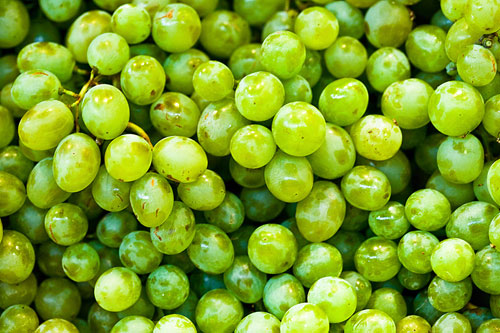
HEALTH BENEFITS OF GRAPES

grapes


Health Benefits
Grapes have long been classified as a low glycemic index 
food, with values ranging between 43-53. Better blood sugar 
balance, better insulin regulation, and increased insulin 
sensitivity have now been connected with intake of grape 
juices, grape extracts, and individual phytonutrients found in 
grapes. One cup of grapes will give you over a quarter of 
your daily requirement for vitamin C. The elusive vitamin K 
is also high in grapes. Grapes also contain the hormone and 
antioxidant melatonin, as well as elements that have anti-
bacterial properties. Combine grapes with a complete protein 
amino-acid source for a very nutritious dish. Many weight 
conscious people swear by nibbling on grapes to satisfy the 
urge to snack while providing hydration and nutrients.

Fun Fact
It has been long believed that grapes have healing 
properties. Before scientific research backed up the disease-
fighting properties of grapes, ancient China healers mixed 
grape wine with snakes and frogs to cure illnesses and 
diseases. Truth is, they probably could have left out the 
critters and gotten the same cures. Grapes are about 80% 
water, which explains why it is so satisfying as a low-calorie 
snack or dessert.

How to Eat
This is one fruit that you would do well to buy in the organic 
section of the grocery store. In 2011 a study was done that 
found conventionally grown grapes to be one of the most 
problematic fruits and vegetables in terms of pesticide 
residues. When you consider that it's estimated that in the 
United States we each eat 8 pounds of grapes a year, that's a 
lot of pesticides to be concerned about.

For the best tasting grapes with high concentrations of 
antioxidants select those that are fully ripe, which means 
they should be plump and free of wrinkles. Since grapes tend 
to spoil and ferment at room temperature, they should 
always be stored in the refrigerator. While freezing detracts 
from some of their flavour, frozen grapes are a wonderful 
snack and particularly intriguing to children. To freeze 
grapes, wash and pat them dry, then arrange in a single 
layer on a cookie sheet and place in freezer.

Grapes are more than an easy go-to snack. We now know 
that grapes belong at every course of a meal. Use grapes in 
salads, salsas, and sandwiches. Cook them, freeze them, or 
eat them right off the vine. Oh, and don't forget the raisins, 
and the wine! The versatile grape deserves your attention.
Labels: , , , , ,

Saturday, November 24, 2012

Nature's goodies for diabetics


  Nature's goodies for diabetics

Diabetic? Not sure what to eat? Then this list is just for you. Read about the many offerings nature has, which will help keep your diabetes in check.

We understand that as a diabetic, your diet is of utmost importance. And that sometimes those sweet cravings are just way too hard to resist! So we bring you a list of natural goodies that tantalise your taste buds, are easy to find and as a bonus, are great for your health!
Berries
Tempting red strawberries or indigo coloured blueberries or just any berries for that matter. Experts advice that these little colourful fruits are rich in antioxidants, vitamins and fibre and are low-carb! So top off your breakfast with some strawberries or just toss them in your mouth. It adds a pop of colour and a dollop of health!

Apples 

Low in calories and carbohydrate content, this portable fruit can be toted around easily in your bag, making it the perfect snack. Fibrous, with tonnes of vitamins and antioxidants, this diabetes-friendly fruit will add a crunchy and healthy punch to your diet.

Spinach
Is there nothing this superfood can’t do? Research shows that green, leafy and fresh spinach is extremely low in calories and carbohydrates, which is especially good news if you are a diabetic. In fact, spinach is one of the rare things that a diabetic can eat almost freely!

Kidney Beans
Kidney beans, black beans or lentils have been shown to have immense health benefits for a diabetic. They are low fat, low calorie and high protein! They make you feel full, slow down your digestion process and prevent blood sugar from spiking.

Oranges
Despite the fact that an orange contains sugar, it also contains other compounds that help control blood glucose, which makes it good for a diabetes patient. The soluble fibre present in an orange thickens as it’s being digested. This in turn slows down the sugar absorption, offering better control of your blood sugar.

Cherries
If you have a sweet tooth, don’t worry! Sweet cherries are good for you! The sugar in them is natural. To add to that, they have a low calorie count and a minimal carbohydrate level! But make sure you check the labels before you pick up a can of cherries as many of them are loaded with artificial sweeteners!

Cabbage
Cabbage has a low glycaemic index of 10 which is very diabetes friendly. It is also a rich source of vitamin C and K. However, keep an eye on the fat content if you are including cabbage in your diet.

Brinjals
Non-starchy, low carbohydrate and soluble fibre, could a vegetable be more perfect for diabetes? Load up on this easily available vegetable and enjoy the goodness that it offers!

Okra(Lady Finger)
This vegetable is a sure shot hit with kids and diabetics! Like brinjals and oranges, the presence of soluble fibre in okra makes this humble vegetable one of the best things to eat if you are diabetic.

Pears
Rich in potassium and loaded with fibre, a pear is also low in carbohydrates! Add them in your fruit bowl or mix it up with spinach to get an instant fix for your hunger pangs.

Despite the fact that fruits and vegetables are good for you, there’s no denying the fact that some of them contain sugar and carbohydrates, albeit in small amounts. So keep your portions small and do check with your nutritionist before any major diet changes.

Labels: , , , , , , , , , , , , , , ,