Tuesday, December 03, 2024

Carbs and Sugar: Not as Similar as You Think They Are

Carbohydrates and sugar are often talked about as if they’re the same thing. But is that really true? Both play an essential role in our diet, yet their effects on the body can be quite different. Understanding how these substances interact with our metabolism is the first step toward making better dietary choices. 
 
From simple sugars that give an instant energy boost to complex carbs that fuel us over time, the relationship between them is far from straightforward. Let’s explore the similarities, and differences, and how they impact your overall health. 
 
1. What are carbohydrates? Carbs and Sugar
Carbs and Sugar
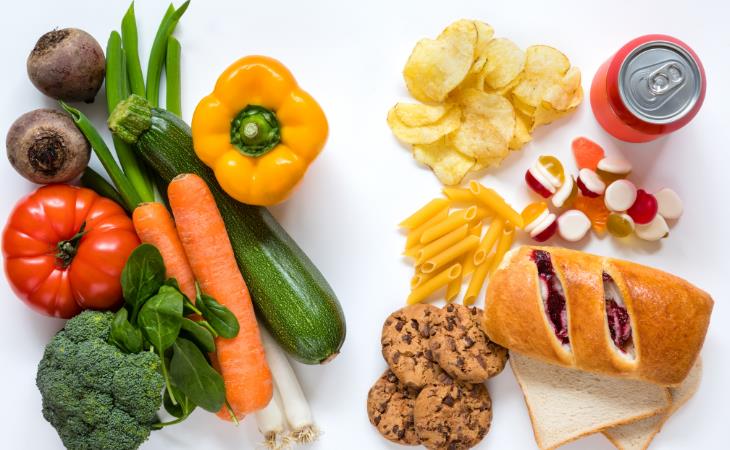
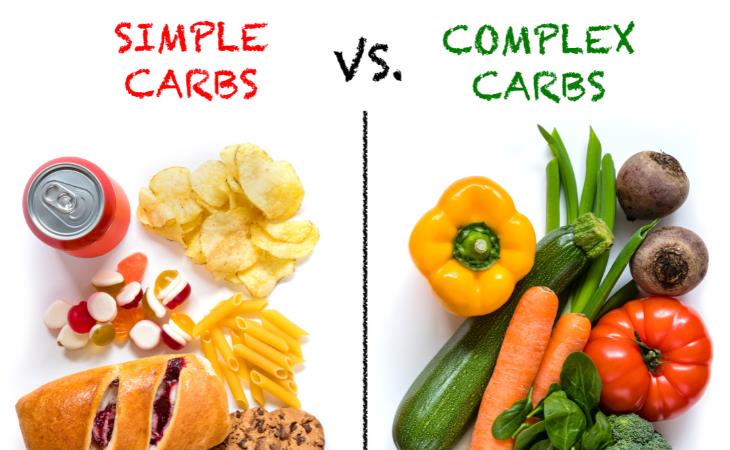
Carbohydrates are one of the primary macronutrients and act as a crucial energy source for the body. Found in foods like bread, pasta, fruits, and vegetables, they come in two main types: simple and complex. Simple carbs, like those in candy or soda, break down quickly and can cause spikes in blood sugar. Complex carbs, such as those in whole grains or legumes, take longer to digest, providing sustained energy. While all carbs eventually turn into glucose, their source and processing time make a big difference in how they affect your body.


2. What is sugar and how is it different?

Carbs and Sugar

Sugar is a specific type of carbohydrate, often referred to as a simple carb. It exists naturally in fruits (fructose) and dairy (lactose) but is also added to processed foods in the form of sucrose or high-fructose corn syrup. Natural sugars come with fiber and nutrients, slowing their absorption into the bloodstream. On the other hand, refined sugars cause rapid energy spikes followed by crashes. The key distinction is that sugar is just one type of carb, not the full picture of what carbohydrates represent in our diet. 
 
 
3. The role of carbs and sugar in energy
Carbs and Sugar
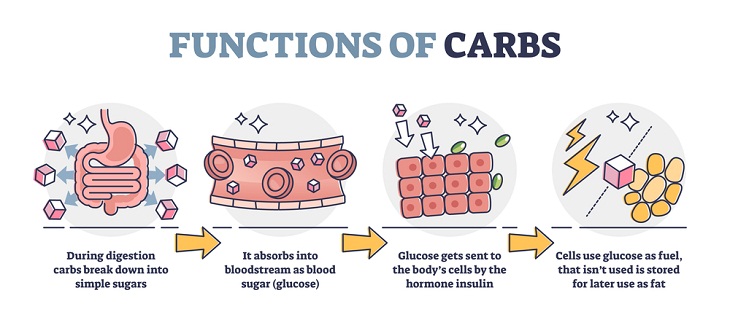
Carbs are broken down into glucose, which fuels your muscles and brain. Simple sugars provide a quick burst of energy but often leave you feeling tired soon after. Complex carbs, due to their slower digestion, offer a steady energy release over time. This is why eating a meal with whole grains or vegetables keeps you full longer than consuming a sugary snack. For athletes or individuals with high activity levels, understanding these differences is crucial to maintaining performance and avoiding energy crashes.

4. How they affect blood sugar
Both carbs and sugar raise blood glucose levels, but the speed and intensity vary. Refined sugars cause a rapid spike, triggering a large insulin response to manage the glucose. Over time, this can lead to insulin resistance and other health issues. Complex carbs, with their slower digestion, lead to gradual glucose release, preventing sudden surges. Monitoring your blood sugar levels and balancing the types of carbs you consume can help maintain stable energy and long-term health. 
 
5. Natural vs. refined sources
Carbs and Sugar

Not all carbs and sugars are created equal. Fruits, vegetables, and whole grains contain natural carbs and sugars paired with fiber, vitamins, and minerals that benefit the body. These foods are digested more slowly, offering sustained energy without the highs and lows. In contrast, refined sugars and processed carbs lack fiber and nutrients, leading to faster digestion and potential health risks when consumed in excess. Choosing whole, unprocessed foods can make a big difference in how your body handles carbohydrates. 
 
 
6. Do you need to avoid carbs and sugar?
Carbs and Sugar
Carbs and sugar have often been demonized in discussions about health, but eliminating them entirely isn’t necessary for most people. Instead, focus on the quality and quantity of what you eat. Complex carbs and natural sugars are essential for energy and overall nutrition. In most cases, weight gain and metabolic problems are a result of excessive consumption of refined carbs and added sugars. Moderation, along with choosing whole, nutrient-rich options, is the best approach.


7. The Glycemic Index and why it matters?
 Carbs and Sugar
 
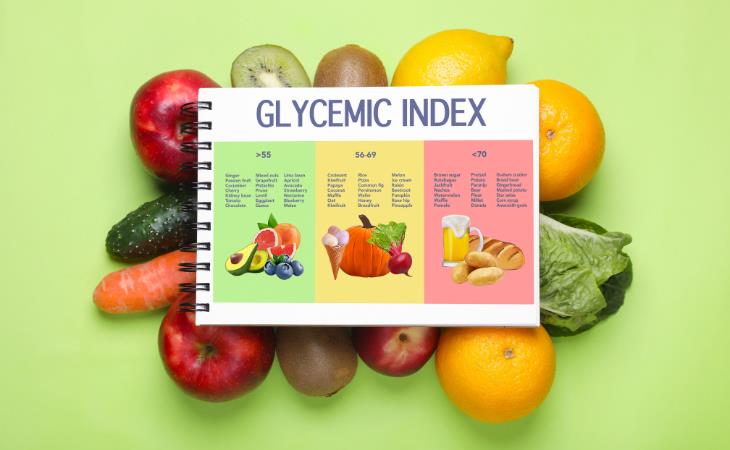
The glycemic index (GI) ranks foods based on how quickly they raise blood sugar levels. High-GI foods, like white bread and sugary snacks, cause rapid spikes, while low-GI foods, like oatmeal and lentils, lead to steadier increases. Understanding the GI of your meals can help you manage energy levels and reduce the risk of developing conditions like diabetes. Pairing high-GI foods with protein or fat can also slow glucose absorption, balancing the overall effect on your blood sugar. 
 
 
8. How your body processes carbs and sugar
Once consumed, carbs and sugar are broken down into glucose in the digestive system. However, the speed of this process depends on the food source. Refined carbs and sugars are digested quickly, providing an immediate energy boost. Complex carbs take longer, offering sustained energy and avoiding the blood sugar roller-coaster. The fiber, protein, and fat in a meal can also influence digestion and glucose release, showing how the overall food combination impacts your metabolism. 
 
 
9. The role of fiber in carbohydrates
Carbs and Sugar
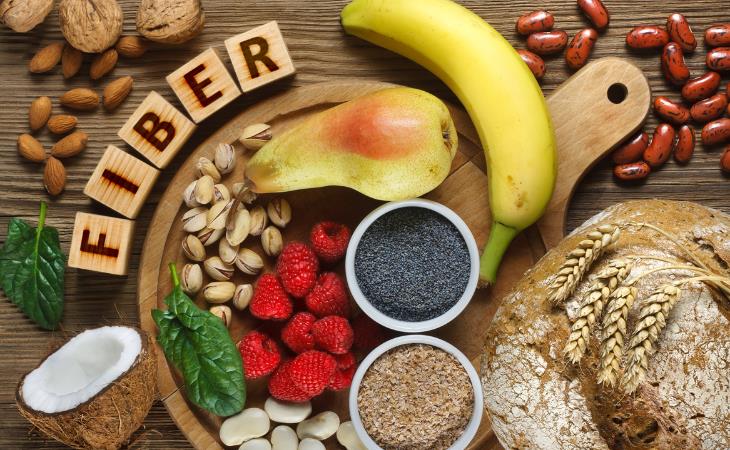
Fiber is a type of carbohydrate that is found in plant-based foods, including fruits, vegetables, and whole grains. Unlike sugars and starches, fiber is not broken down by the body and does not raise blood sugar levels. Instead, it passes through the digestive system intact, providing bulk and helping to promote regular bowel movements. A high-fiber diet has been associated with numerous health benefits, including lower cholesterol levels, improved blood sugar control, and a reduced risk of chronic diseases such as heart disease and type 2 diabetes.


10. Health risks of over-consuming carbs and sugar
Carbs and Sugar
Too much sugar and refined carbs can lead to various health problems, including weight gain, insulin resistance, and increased risk of heart disease. These foods lack the fiber and nutrients that help regulate digestion and blood sugar levels, making it easier to overeat. Over time, this can strain your metabolic system and contribute to chronic health conditions. Being mindful of your intake and choosing healthier carb sources can protect you from these risks. 
 
 
11. Finding the right balance in your diet
Achieving a healthy balance means including both carbs and sugar in appropriate amounts while prioritizing nutrient-dense options. Whole grains, fruits, and vegetables provide energy and nutrition without the drawbacks of refined alternatives. Reducing added sugars and combining carbs with protein or fat can further stabilize blood sugar levels. Ultimately, a balanced diet is about making choices that work for your individual health and lifestyle, ensuring long-term well-being.


This is only for your information, kindly take the advice of your doctor for medicines, exercises and so on.   

https://gscrochetdesigns.blogspot.com. one can see my crochet creations  
https://gseasyrecipes.blogspot.com. feel free to view for easy, simple and healthy recipes    
https://kneereplacement-stickclub.blogspot.com. for info on knee replacement
https://cancersupportindia.blogspot.com  for infor on cancer and health related topics
https://GSiyers home remedies.blogspot.com   is the latest addition to my blogs. I'm going to add posts there, do give me your valuable feed back on my blogs. Thanks a lot, take care, be healthy and be happy.

Labels: , , , ,

Saturday, February 29, 2020

What is carb cycling and why some athletes use it

Carb cycling is a dietary method where you alternate your carbohydrate intake on a daily, weekly, or monthly basis. 

Research has shown that the timing and amount of carb intake around physical activity can affect muscle recovery and athletic performance. 


Carb cycling may also help with weight loss, although it depends on which kind of carbs you are cutting or adding — and there may be even simpler dietary methods to lose weight. 


Keeping track of popular diet regimens can seem nearly as difficult as actually sticking to a new food plan. But a key theme for many diets is limiting the number of carbohydrates you eat.

Some diets, like the keto diet, are more extreme than others. If you're not a fan of cutting out nearly all carbs from your diet, then perhaps carb cycling is for you.

If you're considering carb cycling, here's what you should know first. 


What carb cycling is, and how it works
As the name suggests, carb cycling involves varying your intake of carbohydrates. The cycle itself varies — it's often daily, with people switching between high- and low-carb days, but it can also be weekly or monthly.

For example, on a five-day carb cycling program, a person might eat around 100 to 125 grams of carbohydrates for three consecutive low-carb days, then consume 175 to 275 grams for two high-carb days, when they're more physically active.

For perspective, the FDA recommends that someone on a 2,000 calorie diet should consume about 300 grams of carbohydrates daily.

Carb cycling is based on research that links carb intake with athletic performance and muscle recovery. A 2010 study in the Journal of Sports Medicine found that the timing and amount of carbohydrates a person eats affects how their body breaks down carbs into glycogen, a key source of energy in the body.

Since more intense physical activity depletes glycogen faster, some research suggests that carb intake goals should be adjusted daily, based on the intensity of that day's workout.

That's why you may want to eat more carbs around periods of physical activity. But many factors influence those results, including the type of workout, a food's glycemic index, nutrition composition, and quantity. 


Carb cycling may help you lose weight

Weight loss, naturally, is a big reason people decide to try carb cycling.

Those who want to cut back on carbs — while still having the leeway to indulge sometimes — might be attracted to the idea of carb cycling. The thinking is that their carb intake will "even out," says Liz Weinandy, a registered dietitian at The Ohio State University Wexner Medical Center.

Studies on the effects of carb cycling have mostly been theoretical, Weinandy says, since the concept is still relatively new. It might be that carb cycling can help with weight loss in the long run — but even when people do lose weight cycling carbs, it's possible that simply reducing calorie intake is playing a role, too.

"Many people think going on one of these diets is going to be the magic bullet," Weinandy says. "Really what research has shown — time and time again — is that if you are reducing calories overall, you will lose weight."

On the other hand, Weinandy says some people do have an easier time losing weight on low-carb diets. "But it doesn't necessarily mean that it's the best or the healthiest approach for them," she adds. 

Creating a diet that's low-carb and still healthy takes a lot of planning. So if you're curious about trying it, it's worth talking with a professional to see what the healthiest option is for you, since people's diet results can vary widely.


Not all carbs are created equal
Weinandy says she sometimes hears from patients that in order to cut down on carbs, they've cut out eating fruit, which misses the point.

It's important to distinguish between complex carbs, like beans, lentils, and legumes — as opposed to chips or cookies, which are certainly high in carbohydrates, but not likely to be recommended by dieticians.

Often, Weinandy says, the answer is more simple than overhauling your diet altogether. Think of your food choices as a lifestyle, rather than just as a means of changing your weight. Focusing on the quality of your entire diet — instead of just carbs — might end up yielding better, more lasting results.

One incredibly useful tool: Write down everything you eat. According to Weinandy, that's a research-supported way to get in touch with your habits, especially mindless snacking you might not even realize you're doing, and understand what foods (and restrictions) work best for your body. 

This is only for your information, kindly take the advice of your doctor for medicines, exercises and so on.     

https://gscrochetdesigns.blogspot.com. one can see my crochet creations  
https://gseasyrecipes.blogspot.com. feel free to view for easy, simple and healthy recipes    
https://kneereplacement-stickclub.blogspot.com. for info on knee replacement
 

Labels: , , , , , , , , , , ,

Friday, March 15, 2019

: The BEST bread for diabetics to lower high blood sugar and lose weight naturally

If you’ve been recently diagnosed or living with diabetes, you may have been told that bread should be completely ‘off-limits’. But that may not be the case, the fact is that most people with type 2 diabetes can eat bread unless their doctors advise otherwise. Moreover, there are plenty of healthy choices that can be actually beneficial for diabetics in managing blood sugar levels and body weight.
They key is to choose the right type of bread considering the carb content in it. According to Diabetes UK, bread falls into the starchy carbohydrate category - all carbs can affect blood sugar levels. This means carbs can raise blood glucose and have an impact on diabetes control. This happens due to the fact that during digestion, carbs are broken down into blood sugar, which is used by the cells of the body as the main source of energy. Foods made with refined grains such as white bread are high on the glycemic index (GI) compared to wholegrain foods. The GI measures the ability of carbs to raise the level of blood sugar - the higher the GI, the quicker a food will raise blood sugar levels.

What’s the best bread for type 2 diabetes to prevent high blood sugar and prevent gaining weight and belly fat?

For diabetics, wholegrain breads are considered the best option due to their high fibre content, particularly insoluble fibre - a complex carb which cannot be digested by the body, unlike other carbs. Wholegrain breads such as whole wheat, rye, and organic whole grain varieties are rich in protein, vitamins, and minerals that are good for your health. Fibre-enriched wholegrain breads can help control blood sugar, keep bowels regular and promote feelings of fullness. Foods high in fibre can help you lose weight and fight belly fat effectively. In fact, one review of 16 studies found that people who eat three daily servings of wholegrains may reduce the risk of type 2 diabetes by 32 per cent.


However, eating a diet rich in refined starches, such as white bread, is linked to a higher risk of type 2 diabetes, weight gain and heart disease. 

Takeaway

Eating a high-fibre diet can help manage diabetes, lose weight and improve overall health. However, it’s important to be mindful of portion sizes as all carbs can still affect blood glucose levels in some way.

THIS IS ONLY FOR INFORMATION, ALWAYS CONSULT YOU PHYSICIAN BEFORE HAVING ANY PARTICULAR FOOD/ MEDICATION/EXERCISE/OTHER REMEDIES.                                    PS- THOSE INTERESTED IN RECIPES ARE FREE TO  VIEW MY BLOG-                                                                                           https://gseasyrecipes.blogspot.com/                                                                                                                                                         FOR INFO ABOUT KNEE REPLACEMENT, YOU CAN VIEW MY BLOG-                                                  https:// kneereplacement-stickclub.blogspot.com/           

                                                                           FOR CROCHET DESIGNS                                                                                                                                                                                                  https://gscrochetdesigns.blogspot.com

Labels: , , , , , , , ,

Tuesday, November 13, 2018

‘Almonds can boost heart health in diabetic people’

Including almonds in the  diet may reduce the risk  of cardiovascular disease in people with type 2 diabetes, researchers have found.According to the researchers, diabetes currently affects over 425 million people worldwide, and more than 72.9 million cases were reported in India in 2017. A study  on 50 Indians with type 2 diabetes and elevated cholesterol levels, found that substituting whole, un-roasted almonds for 20 calories in a well-balanced diet significantly improved measures of heart health linked to type 2 diabetes. Another study looked at the effect of including 60 gm of almonds a day on maintenance of blood sugar levels and cardiovascular disease factors among 33 Chinese participants with type 2 diabetes. While the almond diet offered better overall nutritional quality, neither diet — with or without almonds — improved blood sugar status, nor most cardiovascular risk factors as was expected. However, researchers found that among a subset of participants who had fairly well-controlled type 2 diabetes, the almond diet lowered fasting serum glucose level (which measures blood sugar levels after fasting) by 6 per cent and HbA1c (which measures average blood sugar levels over a two or three month period) by 3 per cent. These results suggest that including almonds in a healthy diet may help improve long-term blood sugar levels in people with better controlled type 2 diabetes. Inflammation is thought to play a role in heart disease, diabetes, and other chronic diseases, and elevated CRP is linked with an increased risk of cardiovascular disease in people with type 2 diabetes, researchers said. The nutrient profile of almonds — low on the glycemic index and providing a powerful nutrient package including dietary fibre, protein, calcium and folate, makes them a smart snack for those with type 2 diabetes in a healthy eating plan, they said. 

THIS IS ONLY FOR INFORMATION, ALWAYS CONSULT YOU PHYSICIAN BEFORE HAVING ANY PARTICULAR FOOD/ MEDICATION/EXERCISE/OTHER REMEDIES.                                                                                                                                                                                                             PS- THOSE INTERESTED IN RECIPES ARE FREE TO  VIEW MY BLOG-                                                                                           https://gseasyrecipes.blogspot.com/   

FOR INFO ABOUT KNEE REPLACEMENT, YOU CAN VIEW MY BLOG-                                                                                                    https:// kneereplacement-stickclub.blogspot.com/                              

FOR CROCHET DESIGNS                                                                                                                                                                                                                                 https://gscrochetdesigns.blogspot.com

Labels: , , , , , , ,

Friday, January 19, 2018

One hundred percent fruit juices are safe and prevents from Type 2 diabetes

Fruit juices are usually considered healthy for everyone, but for the diabetes patient, it is not easy to just sip the whatever fruit juice they like. The people with diabetes should be careful when choosing the drinks especially juices because these drinks may contain ‘added sweeteners’ which will affect the diabetics negatively.

Therefore, according to the new research, if you drink the 100 percent fruit juices then you may cut the risk of growing type 2 diabetes. Just like previous researches, the finding of the recent study discovers that 100 percent fruit juice is not linked to the risk of developing type 2 diabetes and these several studies with the same verdict is enough to prove that with the consumption of such juices, glycemic control will be in check with no adverse effects.

Meanwhile, the research published also found that 100 percent fruit juices do not have any potent influence on fasting blood insulin, insulin resistance or fasting blood glucose. The relationship between blood glucose control and  100 percent juice was analysed by the researchers at Center  quantitatively with the help of ++A comprehensive data analysis.

For the analysis, there were 18 randomised controlled trials (RCT) to assess the impact of 100 percent juice from fruits like pomegranate, apple, citrus, berry, and grape. The bio-markers for the diabetes risk was fasting blood glucose and fasting blood insulin levels. The systematic review and meta-analysis got done for the study.

Furthermore, the researchers also shared that around 120-millilitre glass of 100 percent juice is similar to the half cup of fruit. It can not only beneficial for the health of the diabetics, but the individuals can add more fruits or food to the diet. While talking about the dietary rules, food with low-fat or fat-free dairy, protein, fruits, vegetables and grains are recommended. Also, you should maintain the healthy eating habits with regular and on-time meals.

Now type diabetes is a life-long disease which affects the way human body handles glucose; a kind of sugar, in human blood. In this condition, the body either doesn’t produce adequate insulin, or it resists insulin. The symptoms are frequent urination, increased thirst, blurred vision, hunger, and fatigue. Also, in some cases, there are no symptoms at all. To treat such health condition, patients should focus on diet, medication, exercise, and insulin therapy. So, if you want to live healthily and alter the possible health issue due to diabetes just follow the healthy lifestyle.
THIS IS ONLY FOR INFORMATION, ALWAYS CONSULT YOU PHYSICIAN BEFORE HAVING ANY PARTICULAR FOOD/ MEDICATION/EXERCISE/OTHER REMEDIES.    
PS- THOSE INTERESTED IN RECIPES ARE FREE TO VIEW MY BLOG-                      
HTTP:GSEASYRECIPES.BLOGSPOT.COM/
FOR INFO ABOUT KNEE REPLACEMENT, YOU CAN VIEW MY BLOG-                                                                      
HTTP://KNEE REPLACEMENT-STICK CLUB.BLOGSPOT.COM/
FOR CROCHET DESIGNS

HTTP://MY CROCHET CREATIONS.BLOGSPOT.COM

Labels: , , , , , ,

Sunday, December 31, 2017

7 things you need to STOP doing when you are stressed!

It isn’t easy to deal with stress. Especially, when your brain refuses to work, and your body goes numb with an overdrive of emotions and an emptiness from within. You already know the 101 ways to say goodbye to stress that people talk about and recommend from time to time. However, it’s the simplest of the advice that is hard to follow when stressed. So, instead of trying to figure out what to do when you are stressed, avoiding doing these things to stop stress from overpowering you.

Delaying your work: Of course, stress makes you powerless at times. So much that you extend your deadlines, delay your work and let your entire schedule and routine go for a toss. While, taking a break when you feel overwhelmed can help boost your productivity, but delaying work in the name of stress is just going to do the opposite. The mere act of procrastinating might add more tension and fear and allow stress to brew within you. 

Instead, try focusing on the moment. Break down your immediate tasks into small goals and try achieving them. If you need to prepare your presentation for a big day, break-up your time for research, analysis and paperwork before you start putting things in place. Remember, the human brain works in an interval of 90 minutes and then tires out (that’s when your coffee break might help). So, time yourself for every 90-minute interval before taking a break and get things done. Feeling of accomplishment over small tasks can also help to triumph over stressful conditions. Are you stressed or depressed? 

Avoiding sleep: Stress and disturbed sleep just go hand-in-hand. But that’s not the ideal way to deal with it. Remember, when stressed it is more important for you to sleep on time. Disturbed sleep due to stress can lead to some health conditions – cardiovascular diseases, depression, insomnia are just a few to name. Even if you can’t get enough shut-eye, go to bed on time. Try a soothing massage, hot water bath and aromatherapy to help you doze off. 

Smoke like a chimney: One thing most people do when stressed is to smoke like a chimney. For smokers, smoking gives an illusion that it is calming their senses. This sense of calm isn’t totally unreal. Nicotine, present in cigarettes is known to be a mood altering agent and reaches the brain in just eight seconds. This helps to release a neurotransmitter called dopamine, responsible for setting a sense of calm and well-being. However, it also increases the urge to experience the same sensations of stress over and over again. The nicotine also has other ill-effects that increase blood pressure and heart rate, makes muscle tense, constricts blood vessels and restricts oxygen supply to the brain and body. Lack of oxygen makes the body lethargic and unable to fight the physical inactivity that sets in. 

Make life changing decisions: It isn’t wise to take a life changing decisions like filing for a divorce, signing your resignation letter or paying a down payment for your dream home when overwhelmed with stress. You are more prone to commit a blunder and take a decision that might not be rational. There are times when you need to make the most important decision of life in an instant but never do that when you are in two minds, take your time before you do what your heart desires. In fact, a study done by Harvard researchers found that students who were under tremendous stress had difficulty making good long-term decisions [3]. And if you regret your decision taken under stress, you are going to end up with more of it.

Going over the details all over again: Ruminating about your past or negative circumstances will never help you get over it in any way. In fact, studies show that people who dwell on negative thoughts are more likely to suffer from depression and stress than those who deals with it in a positive way. In fact, our response to stress has more impact on our well-being than the incident that triggers it. 

Pick up an argument: Sometimes it is good to talk to someone with whom you have impending issues and sort things out amicably. However, avoid getting into an argument. This would only make sure that you be a part of the vicious cycle of stress. If you don’t have your rebuttals ready or aren’t logically prepared to take up an issue, don’t start talking just out of the blue. Relax and breathe to help yourself talk sense.

Confiding in the wrong person: Sometimes talking about it can make you feel lighter. But you should know whom you pick up to unload your emotions. The stressful mind makes it difficult for you to identify between a friend and a foe. So, wait, don’t burst out in front of anyone who comes to you first. Remember, talking about your emotions with people whom you can’t trust can backfire later. Also, be very careful with whom you share your feelings. Studies suggest that unloading your feelings on others can make the caregiver also stressed. This could be a scary situation if you are looking for advice and moral support. 

Avoiding proper food: Stress can make you crave for sugar and high carbohydrate foods. Who opts for an apple over chocolates and pizza when stressed? But these foods are high in glycemic index and can lift your energy instantly by breaking down into glucose. However, when the sugar is absorbed the stress hormones will make you overeat and crave for these unhealthy foods more. So the best thing is to stick to your diet plan or sip green tea when stressed. This will help you control your craving and eat healthy, boost your brain power and body and deal with stress better.

THIS IS ONLY FOR INFORMATION, ALWAYS CONSULT YOU PHYSICIAN BEFORE HAVING ANY PARTICULAR FOOD/ MEDICATION/EXERCISE/OTHER REMEDIES.    
 
PS- THOSE INTERESTED IN RECIPES ARE FREE TO VIEW MY BLOG-                      

HTTP:GSEASYRECIPES.BLOGSPOT.COM/
FOR INFO ABOUT KNEE REPLACEMENT, YOU CAN VIEW MY BLOG-                                                                       
HTTP://KNEE REPLACEMENT-STICK CLUB.BLOGSPOT.COM/
FOR CROCHET DESIGNS

HTTP://MY CROCHET CREATIONS.BLOGSPOT.COM

Labels: , , , , , , , ,