Monday, June 28, 2021

Gluten intolerance: What is gluten? Why is it considered unhealthy for you?

Gluten intolerance: What is gluten? Why is it considered unhealthy for you?

Gluten is a collective term referring to the family of storage proteins called prolamins which are found in grains like wheat, barley, spelt, and rye. While the word 'gluten' is derived from the glue-like property of wet dough, gluten when heated forms an elastic network that helps in holding the food together, providing a stretchy quality. Hence, gluten-containing grains are widely used for making bread and other baked goods.

Now, Gluten has always been talked about because of the apparent confusion created over whether gluten intake is harmful to most people or only to the ones who have certain medical conditions like patients of celiac disease.

So what should one believe? Is a gluten-free diet necessary for everyone? Let’s find out.

readmore

What causes gluten sensitivity?

The main prolamins also called Gluten proteins are Glutenin and Gliadin which are highly elastic and between these two, Gliadin is the one that results in most of the adverse health effects of gluten. These proteins are reluctant to protease enzymes that break down proteins in the digestive tract which is followed by incomplete digestion resulting in the immune responses that create gluten-related conditions.

What foods contain gluten?
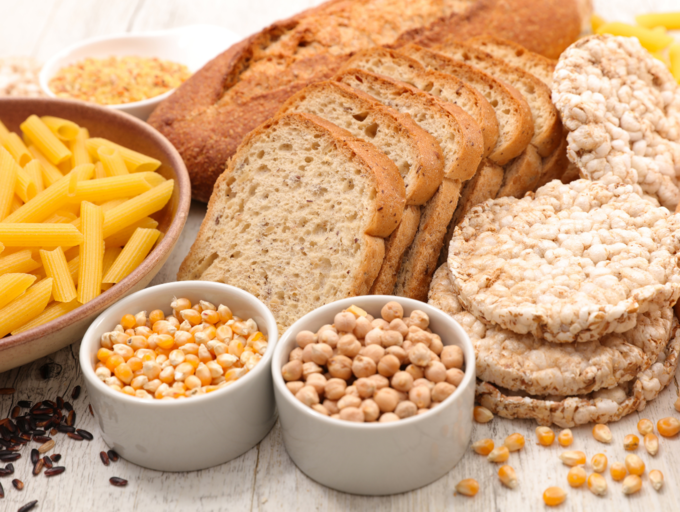
Gluten is mostly used as a thickener or stabilizer in food production, hence it becomes hard to classify whether the particular food product contains gluten or not. But mostly it’s found in whole and processed foods, including:

  • Processed grain-based products: bread, pizza, pasta, breadcrumbs, noodles, veggie burgers, pastries, cookies.
  • Grains: wheat, barley, wheat bran, rye, spelt, farro, semolina, durum, bulgur, mir, cracked wheat.
  • Other foods and beverages include soy sauce, beer, flavored chips, some salad dressings, malt vinegar, barley malt, certain spice blends, and some kind of wine.

If you are following a gluten-free diet, always check the package for a gluten-free label. Even if it’s said that food is inherently gluten-free, it could be contaminated with gluten since the preparation equipment may be shared by the commercial food operations with gluten-containing foods.

Is gluten consumption bad for everyone?
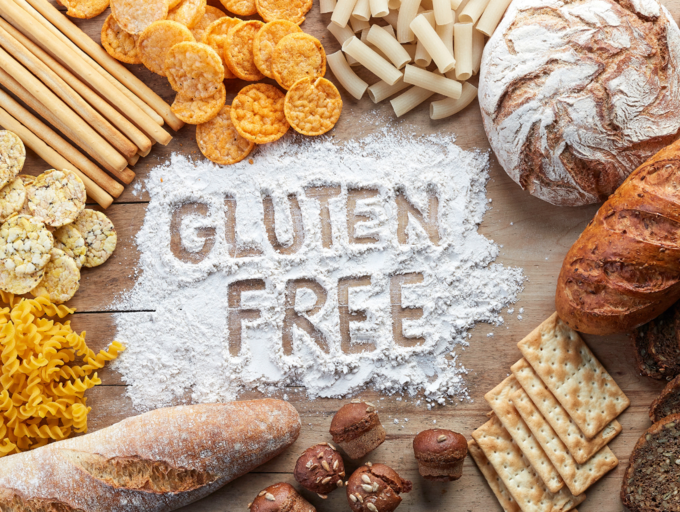
While there are some properties of gluten that make it harmful for consumption, however, there is no compelling proof till date that a gluten-free diet improves health or prevents diseases to everyone. It depends from individual to individual.

Researches have also showed that gluten-free foods are not rich in iron, folic acid, and other nutrients as compared to gluten-containing foods. They also tend to have less fiber and more sugar and fat and they are expensive too.

If you suffer from medical conditions such as these, option for a gluten-free diet must be followed- Celiac Disease, Wheat allergy, Irritable Bowel Syndrome (IBS) or non-celiac gluten sensitivity.

Still, if someone who does not have any medical condition wants to cut gluten from his/her diet, should remember to replace it with nutritious foods and a well rounded, whole foods-based diet that consists of vegetables, healthy fats, fruits, and protein sources.

But if you’re not willing to, it’s not necessary to change your diet to gluten-free because there too are risks involved. Rather, what is advisable is to have everything in a considerate amount in your diet, unless you’re facing a medical condition which demands a gluten-free diet.

readmore

Conclusion

Gluten awareness is a good thing for the ones who are facing certain medical conditions. In fact, it has now become easy than ever before to have gluten-free diets as products are available easily. But if you have no medical reason to do so, then why restrict your diet. Never be influenced by anybody to change your diet except your doctor. It should be your own will. And everything runs smoothly when consumption is accurate and moderate.

This is only for your information, kindly take the advice of your doctor for medicines, exercises and so on.   

https://gscrochetdesigns.blogspot.com. one can see my crochet creations  
https://gseasyrecipes.blogspot.com. feel free to view for easy, simple and healthy recipes    
https://kneereplacement-stickclub.blogspot.com. for info on knee replacement


readm

Labels: , , , , , , , , , , , ,

Sunday, December 22, 2019

Children allergic to cow's milk don't reach their full growth

Milk is rich in high calcium content and is generally considered good for children's health, but a recent study on the growth pattern of children suggests the kids who are consistently allergic to cow's milk are smaller and weigh less.

The results from the longitudinal study are believed to be the first to characterise growth patterns from early childhood to adolescence in children with persistent food allergies.


According to an allergist, it remains unclear how those growth trends ultimately influence how tall these children will become and how much they'll weigh as adults.


However, our findings align with recent research that suggests young adults with persistent cow's milk allergy may not reach their full growth potential, say a Dr.


According to the Centre for Disease Control and Prevention, one in 13 US children has a food allergy with milk, eggs, fish, shellfish, wheat, soy, peanuts and tree nuts accounting for the most serious allergic reactions. Because there is no cure and such allergies can be life-threatening, most people eliminate one or more major allergen from their diets.


From November 1994- March 2015, 191 children werre enrolled in the study, 111 with cow's milk allergies and 80 with nut allergies. All told, they had 1,186 clinical visits between the ages of 2-12. 61 % of children with cow's milk allergies were boys, while 51.3 % of children with peanut or tree nut allergies were boys.


In addition to children allergic to cow's milk being shorter, the height discrepancy was more pronounced by ages 5-8 and ages 9-12. And, for the 53 teens who had clinical data gathered after age 13, differences in their weight and height were even more notable.


As these children often have multiple food allergies and other conditions, such as asthma, there are likely factors besides simply avoiding cow's milk that may contribute to these findings. These children also tend to restrict foods beyond cow's milk, the Dr. adds.


The way such food allergies are handled continues to evolve with more previously allergic children now introducing cow's milk via baked goods, a wider selection of allergen-free foods being available, and an improving understanding of the nutritional concerns related to food allergy.


The Dr. cautions that while most children outgrow cow's milk allergies in early childhood, children who do not may be at risk for growth discrepancies. Future research should focus on improving understanding of this phenomenon.


this is only for your information, kindly take the advice of your doctor for medicines, exercises and so on.     
https://gscrochetdesigns.blogspot.com. one can see my crochet creations  
https://gseasyrecipes.blogspot.com. feel free to view for easy, simple and healthy recipes    
https://kneereplacement-stickclub.blogspot.com. for info on knee replacement


Labels: , , , , , , , , , , , ,

Sunday, May 05, 2019

20 Foods That Are Killing You Slowly

Did you know that there are foods you are eating every day that are killing you slowly? Most of us have a number of these foods on our menu, but if you combine all of these, you’ll get a deadly combo and you need to start making changes to your diet. So analyze what you eat and start making the right choices today. Here’s the list of 20 foods that are killing you slowly. Try to avoid or limit the intake of these foods as much as you can.
Some of these foods lead to high blood pressure, high cholesterol, heart disease, diabetes, Alzheimer’s, and even cancer. Not to forget obesity and all the anxiety and depression that can come with it.

1. Canned Tomato Sauce

Canned tomato sauce is a killer in disguise. It’s a hidden source of sugar and it would never even cross your mind that it could lead to increased risk of obesity, diabetes, heart disease, and even tooth decay. To avoid these issues, use fresh tomatoes to make the sauce yourself, or switch to pureed tomatoes without the extra sugar or salt and add your own spices. Or at least go for brands with less sugar and sodium.

2. Soda

Carbonated drinks or sodas are one of your worst enemies. They can mess up everything, from your skin, blood sugar levels, to your hormones and mood. Forget the marketing and the labels that say it’s good for you or it contains nutrients or vitamins. All it has is a bunch of sugar, food dyes and preservatives. And sugar-free versions are no better as they’re packed with harmful artificial sweeteners. Buy a blender or a juice maker and make your own juice, please. And if you miss the bubbles, you can always add your homemade fruit juice to some sparkly water, and voila!

3.  Sugar

If you have a sweet tooth, there are much healthier ways to satisfy your cravings. Sugar is highly addictive, and other than spiking your glucose levels and creating fat, it can lead to heart disease. Avoid sugar as much as you can to decrease the risk of diabetes, cancer, obesity, heart disease, and much more. Enjoy a bowl of fruit or add honey to your recipes instead of sugar.
 4. Deli Meats
Deli meats such as salami, ham, bologna, etc. are full of nitrates, sodium, preservatives, and additives. All these substances can increase the risk of cancer, heart disease, diabetes, and even behavioral problems and learning difficulties in children. To decrease the negative effects, opt for deli meats from your local butcher instead of those from supermarkets. Or even better, learn to avoid them.

5. Vegetable Oil

Vegetable oil is a part of our cuisine and we don’t even think twice about it. But some of these oils are GMO and we have no idea yet what long-term effects these products can have. Furthermore, vegetable oils contain dangerous trans-fats that can trigger cardiovascular disease, obesity, cancer, and Alzheimer’s disease. Check the label and if the oil is refined, steer clear of it as it contains free radicals that can help cancer growth, speed up aging, and cause all kinds of trouble. Opt for healthy alternatives such as olive oil, coconut oil, or avocado oil.


6. Margarine

Again, marketing is to blame for the BIG misconceptions about margarine. It’s not healthy, people! It’s one of the unhealthiest foods in your diet. So cut it out! Margarine is like a very lousy version of butter that’s made with hydrogenated vegetable oils and it’s more unnatural than you think. It’s pure chemistry. So what’s so bad about it? It’s the trans fats that can damage your heart, blood vessels, and mess up your cholesterol levels.  Switch to butter for a healthier alternative. Other healthy alternatives are olive oil and avocado oil that you can spread on your bread. Just please avoid margarine!

7. Hot Dogs

Hot dogs and similar smoked and salted meat contain lots of preservatives that are bad for your health. But the Physicians Committee for Responsible Medicine compared the effects of eating hot dogs to the effects of smoking cigarettes. If you’re not convinced yet, you should know that hot dogs are high in sodium and toxins that increase your risk of cancer. If you can’t resist, at least make sure you get your dogs chemical-free from organic butchers or directly from farmers.

8. Potato Chips

All deep fried food contains a dangerous substance called acrylamide. Potato chips are no exception. Acrylamide increases the risk of colon cancer, breast cancer, prostate cancer, and rectum cancer. So avoid the potato chips or make a healthier version at home. Put a little olive oil on sliced potatoes, sprinkle with a pinch of salt, and bake it in your oven. We promise it tastes delicious.

9. Bottled Salad Dressings

Bottled salad dressings are full of sugar, artificial colors, and high fructose corn syrup. Once you drown your salad in this nutritional disaster, you might as well eat a bag of potato chips or a hot dog instead. Drop the bottled salad dressings, and use lemon juice, apple cider vinegar, or balsamic vinegar along with some olive oil for a healthy salad dressing.

10.Artificial Sweeteners

No, these are no better than sugar. In fact, they’re often worse. Artificial sweeteners such as aspartame, neotame, acesulfame potassium, etc. might contain fewer calories, but they can still increase the risk of diabetes, high blood pressure, heart disease, and metabolic syndrome. You may not have noticed but many sugar-free gums contain aspartame, which is considered the most dangerous substance in the world. Sugar has healthy alternatives such as honey, maple syrup, and agave syrup, to name a few.

11. Alcohol

We’re sorry to break this to you, and again, many will disagree, but alcohol has no health benefits. It’s extremely high in calories, can cause dehydration, liver damage, weight gain, depression, and skin problems. Not to mention the bad decisions you make when under the influence. So, if you want to damage all your systems, from the brain to liver to skin, believe the marketing and drink alcohol daily. Otherwise, avoid it.

12.  White Bread, Refined Flours

Grains are good, right? So bread must be good too? Well, not if it’s white bread made from refined flours. White flour is stripped of all the nutritional fiber, minerals, and vitamins, and all you get is grain waste mixed with chemicals to achieve the nice white color. But behind it lies the risk of weight gain, thyroid damage, and organ damage. Go whole grain instead!

13.  Dairy

Yes, milk is the first food we eat when we’re brought into this world. But a mother’s milk is much different than a cow’s mother’s milk. In addition, as we age, we develop lactose intolerance. Dairy products are linked with low nutrient absorption, migraines, arthritis, cancer, allergies, and asthma. So again, forget about those clever marketing tricks. Switch to coconut milk or almond milk, it tastes great and it won’t slowly kill you like cow milk.

14.  Barbecued Meats

The smell of barbecue might be hard to resist, but please try. The chemicals that enter the meat during the process are associated with risk of pancreatic cancer and breast cancer. If you can’t resist, try to limit the intake of barbecued meat and consider adding some rosemary to your hamburger to reduce the amount and number of carcinogens.

15. Energy Bars

Energy bars might be necessary for athletes who need a quick burst of energy, but if that’s not you, try to resist these tasty calorie bombs. Energy bars contain a lot of sugar (we talked about sugar before), high fructose corn syrup, preservatives, and can contain trans-fats. So this is basically candy that’s full of calories, sugar, and artificial ingredients. In other words, it’s a ticking time bomb.

16.  Fast Food

Sure, fast food tastes good, it’s fairly inexpensive, and it’s everywhere. But what makes it taste so good? It’s the same things that are slowly killing you: trans-fats, sugar, salt, preservatives, additives, dyes, and other chemicals that enhance the looks and the taste of this food. Fast food can affect your risk of diabetes, cardiovascular disease, cancer, mood disorders, weight gain, metabolic disorders, etc. So at least try to cut down on fast food.

17. Wheat

Wheat contains a carbohydrate that suddenly and greatly increases your blood sugar levels. This triggers high insulin production and weight gain. Over time, your pancreas will become overworked and you’ll become insulin resistant, and then you can get diabetes. And high blood sugar levels trigger the production of compounds that speed up the aging process and give you wrinkled skin. So you’ll age faster and be prone to diabetes, which in itself is a big issue.

18.  Breakfast Cereals

Again, we blame it on the marketing. Breakfast cereals aren’t harmless as their happy cheerful colors and toys inside the box might suggest. They actually contain sugar, artificial coloring, preservatives, GMO products, and they’re often stripped of the nutrients they had before processing. Try oatmeal with some fresh or dried fruit instead. It tastes great, and it’s actually good for you.

19.  Commercial Fruit Juices

Don’t believe the big flashy labels that say 100% fruit. Most of the time, the secret is in the fine print. Commercial fruit juice often contains added sugar, coloring, preservatives, and it can lose its nutrients during pasteurization. Your best bet is finding a trusted local juice bar or making your own fruit juice at home. We’d go for the latter. Have some fun and explore new tastes.

20.  Salt

Salt plays a big role in regulating our blood pressure. If you eat too much salt, you’ll have high blood pressure and increased risk of cardiovascular disease, which is among the leading causes of death in the world. So, don’t cut out all salt as your body still needs it, just limit the amount and watch out for sodium levels in processed foods. Just 3.75 grams of sodium per day is a sufficient and safe amount. Anything above 6 grams poses a serious health risk.

THIS IS ONLY FOR INFORMATION, ALWAYS CONSULT YOU PHYSICIAN BEFORE HAVING ANY PARTICULAR FOOD/ MEDICATION/EXERCISE/OTHER REMEDIES.                                    PS- THOSE INTERESTED IN RECIPES ARE FREE TO  VIEW MY BLOG-                                                                                           https://gseasyrecipes.blogspot.com/    

                                                                                                                                                     FOR INFO ABOUT KNEE REPLACEMENT, YOU CAN VIEW MY BLOG-                                                  https:// kneereplacement-stickclub.blogspot.com/  

         
                   FOR CROCHET DESIGNS                                                                                                                                                                                                  https://gscrochetdesigns.blogspot.com  

Labels: , , , , , , , , , , , , , , , ,

Friday, March 15, 2019

: The BEST bread for diabetics to lower high blood sugar and lose weight naturally

If you’ve been recently diagnosed or living with diabetes, you may have been told that bread should be completely ‘off-limits’. But that may not be the case, the fact is that most people with type 2 diabetes can eat bread unless their doctors advise otherwise. Moreover, there are plenty of healthy choices that can be actually beneficial for diabetics in managing blood sugar levels and body weight.
They key is to choose the right type of bread considering the carb content in it. According to Diabetes UK, bread falls into the starchy carbohydrate category - all carbs can affect blood sugar levels. This means carbs can raise blood glucose and have an impact on diabetes control. This happens due to the fact that during digestion, carbs are broken down into blood sugar, which is used by the cells of the body as the main source of energy. Foods made with refined grains such as white bread are high on the glycemic index (GI) compared to wholegrain foods. The GI measures the ability of carbs to raise the level of blood sugar - the higher the GI, the quicker a food will raise blood sugar levels.

What’s the best bread for type 2 diabetes to prevent high blood sugar and prevent gaining weight and belly fat?

For diabetics, wholegrain breads are considered the best option due to their high fibre content, particularly insoluble fibre - a complex carb which cannot be digested by the body, unlike other carbs. Wholegrain breads such as whole wheat, rye, and organic whole grain varieties are rich in protein, vitamins, and minerals that are good for your health. Fibre-enriched wholegrain breads can help control blood sugar, keep bowels regular and promote feelings of fullness. Foods high in fibre can help you lose weight and fight belly fat effectively. In fact, one review of 16 studies found that people who eat three daily servings of wholegrains may reduce the risk of type 2 diabetes by 32 per cent.


However, eating a diet rich in refined starches, such as white bread, is linked to a higher risk of type 2 diabetes, weight gain and heart disease. 

Takeaway

Eating a high-fibre diet can help manage diabetes, lose weight and improve overall health. However, it’s important to be mindful of portion sizes as all carbs can still affect blood glucose levels in some way.

THIS IS ONLY FOR INFORMATION, ALWAYS CONSULT YOU PHYSICIAN BEFORE HAVING ANY PARTICULAR FOOD/ MEDICATION/EXERCISE/OTHER REMEDIES.                                    PS- THOSE INTERESTED IN RECIPES ARE FREE TO  VIEW MY BLOG-                                                                                           https://gseasyrecipes.blogspot.com/                                                                                                                                                         FOR INFO ABOUT KNEE REPLACEMENT, YOU CAN VIEW MY BLOG-                                                  https:// kneereplacement-stickclub.blogspot.com/           

                                                                           FOR CROCHET DESIGNS                                                                                                                                                                                                  https://gscrochetdesigns.blogspot.com

Labels: , , , , , , , ,