Monday, June 28, 2021

Gluten intolerance: What is gluten? Why is it considered unhealthy for you?

Gluten intolerance: What is gluten? Why is it considered unhealthy for you?

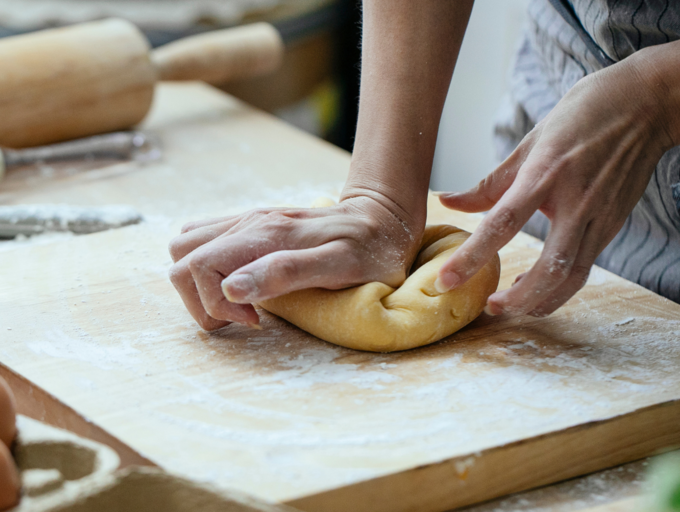
Gluten is a collective term referring to the family of storage proteins called prolamins which are found in grains like wheat, barley, spelt, and rye. While the word 'gluten' is derived from the glue-like property of wet dough, gluten when heated forms an elastic network that helps in holding the food together, providing a stretchy quality. Hence, gluten-containing grains are widely used for making bread and other baked goods.

Now, Gluten has always been talked about because of the apparent confusion created over whether gluten intake is harmful to most people or only to the ones who have certain medical conditions like patients of celiac disease.

So what should one believe? Is a gluten-free diet necessary for everyone? Let’s find out.

readmore

What causes gluten sensitivity?

The main prolamins also called Gluten proteins are Glutenin and Gliadin which are highly elastic and between these two, Gliadin is the one that results in most of the adverse health effects of gluten. These proteins are reluctant to protease enzymes that break down proteins in the digestive tract which is followed by incomplete digestion resulting in the immune responses that create gluten-related conditions.

What foods contain gluten?
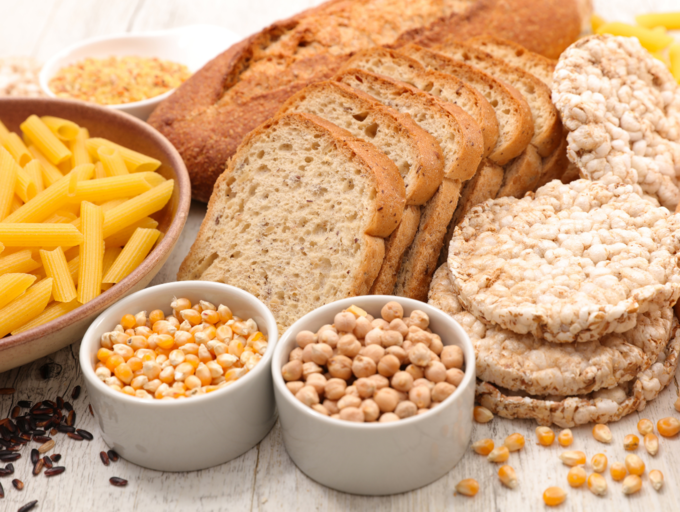
Gluten is mostly used as a thickener or stabilizer in food production, hence it becomes hard to classify whether the particular food product contains gluten or not. But mostly it’s found in whole and processed foods, including:

  • Processed grain-based products: bread, pizza, pasta, breadcrumbs, noodles, veggie burgers, pastries, cookies.
  • Grains: wheat, barley, wheat bran, rye, spelt, farro, semolina, durum, bulgur, mir, cracked wheat.
  • Other foods and beverages include soy sauce, beer, flavored chips, some salad dressings, malt vinegar, barley malt, certain spice blends, and some kind of wine.

If you are following a gluten-free diet, always check the package for a gluten-free label. Even if it’s said that food is inherently gluten-free, it could be contaminated with gluten since the preparation equipment may be shared by the commercial food operations with gluten-containing foods.

Is gluten consumption bad for everyone?
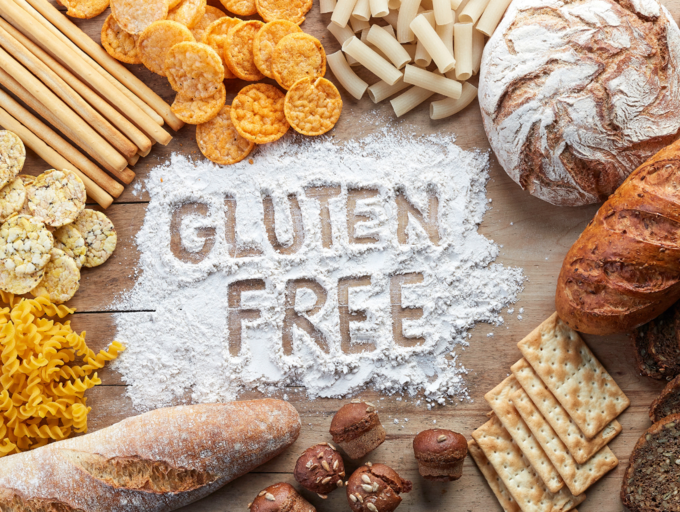
While there are some properties of gluten that make it harmful for consumption, however, there is no compelling proof till date that a gluten-free diet improves health or prevents diseases to everyone. It depends from individual to individual.

Researches have also showed that gluten-free foods are not rich in iron, folic acid, and other nutrients as compared to gluten-containing foods. They also tend to have less fiber and more sugar and fat and they are expensive too.

If you suffer from medical conditions such as these, option for a gluten-free diet must be followed- Celiac Disease, Wheat allergy, Irritable Bowel Syndrome (IBS) or non-celiac gluten sensitivity.

Still, if someone who does not have any medical condition wants to cut gluten from his/her diet, should remember to replace it with nutritious foods and a well rounded, whole foods-based diet that consists of vegetables, healthy fats, fruits, and protein sources.

But if you’re not willing to, it’s not necessary to change your diet to gluten-free because there too are risks involved. Rather, what is advisable is to have everything in a considerate amount in your diet, unless you’re facing a medical condition which demands a gluten-free diet.

readmore

Conclusion

Gluten awareness is a good thing for the ones who are facing certain medical conditions. In fact, it has now become easy than ever before to have gluten-free diets as products are available easily. But if you have no medical reason to do so, then why restrict your diet. Never be influenced by anybody to change your diet except your doctor. It should be your own will. And everything runs smoothly when consumption is accurate and moderate.

This is only for your information, kindly take the advice of your doctor for medicines, exercises and so on.   

https://gscrochetdesigns.blogspot.com. one can see my crochet creations  
https://gseasyrecipes.blogspot.com. feel free to view for easy, simple and healthy recipes    
https://kneereplacement-stickclub.blogspot.com. for info on knee replacement


readm

Labels: , , , , , , , , , , , ,

Wednesday, January 25, 2017

HOW TO COPE WITH CELIACC DISEASE

Celiac disease is a digestive disorder which causes the immune system to react to gluten - a protein which can be found in barley, rye, and wheat. Over time, this disease damages the lining of the small intestine and prevents the absorption of some essential nutrients. This diseases usually begins between the ages of 6 months and 2 years. but it can also develop at any age. 
It's also known as celiac sprue, gluten-sensitive enteropathy or non-tropical sprue. Some of the common symptoms of this disease include weight loss, bloating, loss of appetite, and chronic diarrhea. Furthermore, some sufferers also exhibit other symptoms such as anemia, headaches, skin rashes, loss of bone density, joint pain, fatigue, infertility, and acid reflux. The symptoms can vary from person to person depending on several factors, such as how long one was breastfed as a child, the age at which one started eating gluten, the amount of gluten that one consumes, and the severity of intestinal damage.
Genetic predisposition is a common risk factor for this disease. Other diseases that can increase your risk of developing this disease include lupus, rheumatoid arthritis, Type 1 diabetes, autoimmune liver disease, thyroid disease, Down syndrome, Turner's syndrome, and intestinal cancer.
There is no cure for celiac disease, but this does not mean that it has to have a huge impact on your life. If you monitor what you eat, you can easily manage the symptoms as well as promote intestinal healing.
Here are 10 great ways to deal with celiac disease.
1. Eliminate Gluten from Your Diet
 A lifelong gluten-free diet is one of the most important things you need to follow when dealing with celiac disease. Once you have completely removed gluten from your diet, the inflammation in the small intestine will gradually decrease. This, in turn, reduces the severity of the symptoms and helps you feel better.
Therefore, it's important to know that it's not only wheat and all of its forms that contain gluten. There are many types of grains that have gluten and this includes barley, bulgar, durum, farina, malta, rye, graham flour, semolina, and tritcale. When you are eating out, always ask for a gluten-free menu.

2. Opt for Gluten-Free Grains
Thankfully, there are many grains and foods that are gluten-free.
Some of the best gluten-free grains are amaranth, arrowroot, buckwheat, cassava, millet, corn, quinoa, brown rice, sorghum, soy, and tapioca, to name but a few. To add to this, you can easily find gluten-free breads, pasta, cereals, and crackers.
It's also essential that you eat plenty of fruit, vegetables beans, seeds, nuts, potatoes, legumes, eggs, dairy products, fish, lean beef, and chicken in order to get all the essential nutrients that you need.

3. Be Aware of Hidden Gluten
Once you have substituted gluten-rich grains for gluten-free grains, it's time to become knowledgeable about products that contain hidden gluten. 
Hidden gluten can be present in medications, food, and nonfood products. Such products include:
• Modified food starch, preservatives and food stabilizers
• Chicken broth
• Malt vinegar
• Salad dressings
• Common seasonings and spice mixes
• Prescription and over-the-counter medications
• Vitamin and mineral supplements
• Nutritional supplements
• Lipstick products
• Oral hygiene products like toothpaste and mouthwash
• Envelope and stamp glue

 
4. Drink Aloe Vera Juice
Aloe Vera is very beneficial for people who suffer from celiac disease. The reason for this is that it helps to heal any inflammation in the small intestine, facilitates tissue repair, and promotes proper digestion.
However, aloe vera isn't an instant medical cure. Nothing is going to happen if you just drink one glass of it - you need to consume a glass each day over a period of several days, even weeks to notice any improvement in your condition.
To make this juice, blend together 2 tablespoons of fresh aloe vera gel and any citrus juice or water in a blender.
5. Enjoy Sunshine
Vitamin D deficiency is common among those who suffer from celiac disease. In fact, vitamin D deficiency is responsible for the high percentage of bone disorders present in people with celiac disease. To fight this deficiency, exposure to early morning sunlight for just 10-15 minutes will help a lot. You can also take a vitamin D supplement after consulting your doctor.

6. Eat Probiotics
Thanks to the presence of good bacteria, probiotics help to reestablish the beneficial bacterial environment in the gut as well as promoting healing of the digestive tracts.
To add more probiotics to your diet, be sure to consume yogurt with live cultures, acidophilus milk, kefir, tempeh, miso, and sauerkraut. You can even take probiotic supplements, after having consulted your doctor.

 7. Get Adequate Fish Oil 
Fish oil contains omega-3 fatty acids (EPA and DHA) that have an anti-inflammatory effect on the body. Therefore, it is highly beneficial for those suffering from celiac disease.
The omega-3 fatty acids coat your intestinal lining and prevent it from becoming inflamed, thereby decreasing the chances of a painful flare up when you accidentally consume gluten.
• Take up to 2.6 grams of fish oil (with at least 30% EPA/DHA) twice a day. Remember to consult your doctor before taking fish oil supplements.
• Include tuna and salmon in your diet. 


8. Spice Your Food with Paprika
Paprika is an anti-inflammatory spice that can help reduce inflammation in the intestines and reduce the severity of celiac symptoms. Furthermore, it aids digestion by normalizing acid in the stomach.
• Add paprika to meals you prepare at home. However, be sure to take it in moderation.
• You can also take paprika supplements, but please consult your doctor first. 

 
9. Add Ginger to Your Diet
Ginger is a wonderful herb that can help you cope with the symptoms of celiac disease. It possesses powerful antioxidants and anti-inflammatory properties that help reduce the swelling in the small intestine. It also aids in digestion.
• Chew on some fresh ginger slices or add some to your cooking.
• Drink 2-3 cups of ginger tea a day.
• Take ginger supplements, but consult your doctor first.


10. Blackstrap Molasses
Those who suffer from celiac disease often suffer from nutritional deficiencies due to the malabsorption of nutrients. Therefore, as it is rich in several vitamins and minerals, consuming blackstrap molasses is a great way to replenish the body with nutrients.
It's an excellent source of iron, magnesium, potassium, copper, folate, selenium, and B vitamins.
Method:
1. Mix 1 tablespoon of organic blackstrap molasses with 1 glass of milk.
2. Drink this once or twice a day.


this is only for your information, kindly take the advice of your doctor for medicines, exercises and so on.
https://gscrochetdesigns.blogspot.com. one can see my crochet creations
https://gseasyrecipes.blogspot.com. feel free to view for easy, simple and healthy recipes 
https://kneereplacement-stickclub.blogspot.com. for info on knee replacement
    

Labels: , , , , , , , , , , ,