Monday, August 04, 2025

15 Foods You Should Never Eat If You Have High Blood Pressure

A considerable amount of people today are suffering from a condition known as high blood pressure or hypertension. It is the condition where the speed of the blood inside the blood vessels increases to an alarming level. This weakens the walls of the vessels and also causes the heart to pump at a faster pace. This fast pumping of the heart results in the over-exertion of the heart, and that can cause many heart diseases. However, this condition can be lessened by eating a specific food. It can also be aggravated and made worse by the use of certain foodstuff. Here is a list of 15 food items that a person with high blood pressure should keep at arm’s length.

1. Salt

Salt is the prime criminal when it comes to high blood pressure. When the sodium content in our diet is increased, it disturbs the delicate ionic balance of the human body. This results in the kidneys being unable to filter the blood properly as the blood has a high level of sodium content. When the kidneys do not produce proper urine, the water content of blood increases which increases blood pressure. According to nutritionists, the daily intake of sodium for a healthy individual, so that he/she does not suffer from hypertension, should not exceed 1500 milligrams.  

2. Canned soups
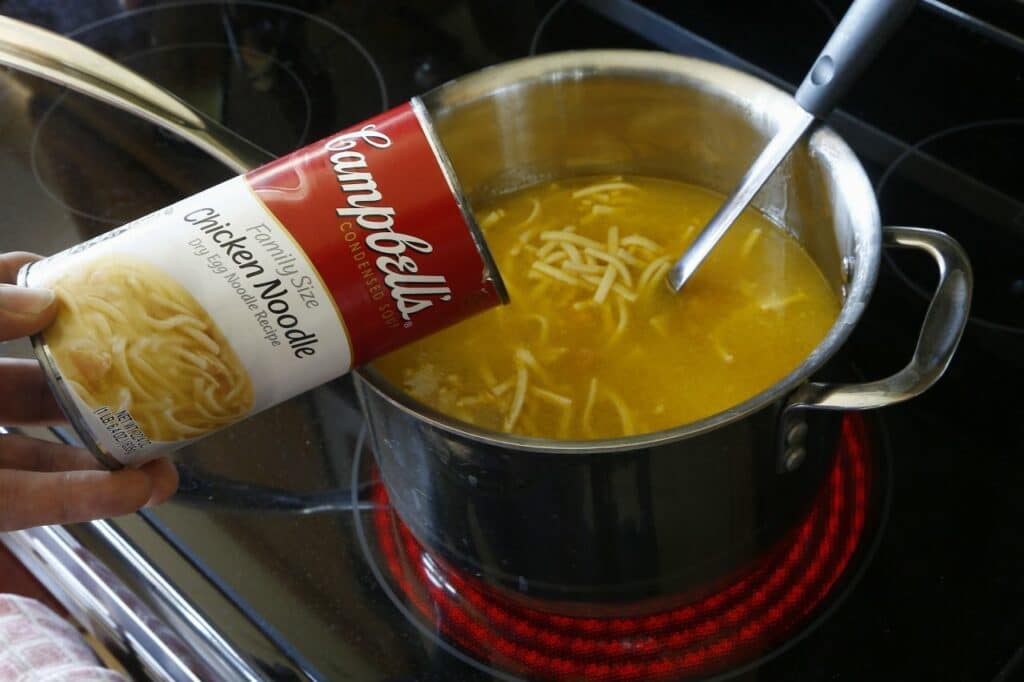
15 Foods You Should Never Eat If You Have High Blood Pressure  Canned soups may look extremely nutritious when you are looking at their advertisements in which they promote the use of healthy veggies that provide nutrition. However, in reality, canned soups are a major aggravator of hypertension. These canned goods are loaded with a sodium content that increases the speed of the flow of blood. Therefore, while selecting a canned soup, a person should make sure he goes for a can with a “low sodium” label on it.

3. Deli-meats

Deli-meats are processed meats. They have been made to last longer and to stay unspoiled. They are used to make quick sandwiches and are considered nutritious. However, these meats contain a large amount of sodium content. Almost a two-ounce serving of the regular deli-meat has about 600 milligrams of sodium content. When this deli meat is paired with other ingredients to make a sandwich, the sodium content reaches alarming levels. 

4. Chinese take-outs
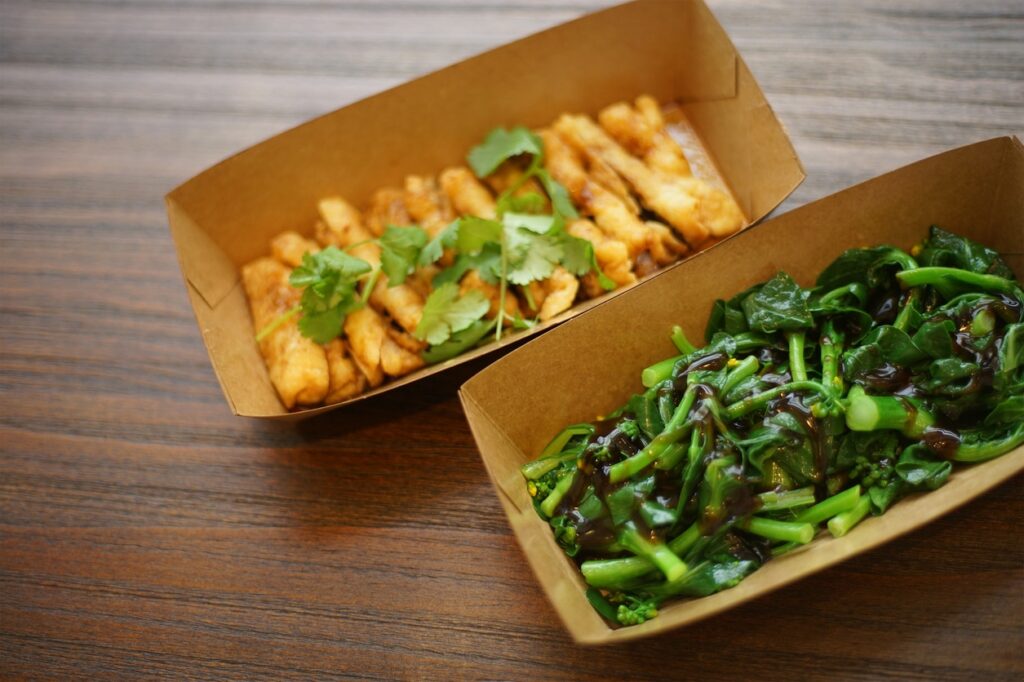
 15 Foods You Should Never Eat If You Have High Blood Pressure Chinese take-outs are a favorite for people these days. When living in a fast-paced society, places that offer these budget-friendly and quick food items are considered saviors. However, this is not the case. Chinese take-out places use oils that are sodium content rich. That is why sautéed veggies in a Chinese place look so shiny. Also, Chinese take-out contains a large quantity of canned sauces as well as other sodium-rich ingredients that cause hypertension.

5. Frozen Pizzas

Frozen pizzas are considered to be a quick fix when lunch isn’t cooked or when you feel too lazy to get something to eat. Pop them in the oven and wait till the cheese starts the melt and the dough turns crispy and golden. However, to conserve the frozen pizzas, a large amount of salt is used. This high sodium concentration aggravates blood pressure and causes various heart diseases.

6. Tomato sauce can

Pre-made sauces are also sodium bombs. Salt is used as a preservative in these sauces, and this salt causes a disturbance in the electrolyte balance of the body. When the electrolyte balance is disturbed, the kidneys get disturbed as well, and the blood pressure increases. Therefore, your favorite pasta dish could be causing your high blood pressure because of the canned tomato sauce used in it. 

7. Pickles

To preserve anything, salt is used. And pickles are salted and preserved vegetables that are dipped in oil or vinegar for fermentation and flavor. These pickles are eaten as a side as well as put in various sandwiches and burgers all around the world. The extremely high sodium content in these aggravates blood pressure and can turn even a simple cucumber into a sodium bomb.   

8. Alcohol

There is not one health benefit of drinking alcohol. Intake of a large amount of alcohol causes a temporary increase in blood pressure, but prolonged abuse of alcohol results in increased levels of blood pressure and this causes hypertension along with other heart diseases. Intake of a large quantity of alcohol also causes obesity, and obese people are more liable to have high blood pressure. Thus, a person should limit their alcohol consumption as much as possible. 

9. Baked goods

Baked goods may look healthy because of the brilliant smells and the amazing taste of it. Plus, the idea of something being freshly baked sounds very healthy and nutritious. However, baked goods are rich in sugar content, and this sugar also causes a spike in blood pressure. Furthermore, in slices of bread, pastries, and croissants – salt is added. This salt increases blood pressure levels due to an increased level of sodium in the bloodstream. 

10. Bacon

Bacon is a calorie bomb. They are sticks of fats that are fried in cholesterol pools. The worst thing is that people eat this for breakfast and breakfast is the most important and vital meal of the day. Therefore, eating something this unhealthy, this early in the morning has even more adverse effects than eating it at another time would. Due to the fat content of bacon, the blood pressure rises, and this results in overexertion of the heart.

11. Coffee

Coffee is an excellent drink in the morning, and it is an amazing substituent of energy drinks. However, unprecedented and uncontrolled use of caffeine-rich drinks can result in a spike in blood pressure, and this causes hypertension of the heart. Coffee also causes a person to lose their libido; thus the use of coffee should be reduced. Furthermore, the spike in blood pressure caused by coffee intake is sudden and therefore can cause more harm.   

12. Candies

Candies, toffees, and chocolate bars also cause an increase in the sodium levels of the body. They also spike up the sugar levels violently, and this results in increased blood pressure as well. The intake of a large amount of sugary foods also causes obesity which is directly relative to the overexertion of the heart and the increase of blood pressure. 

13. Carbonated drinks

Carbonated drinks also supply nothing more than an unhealthy stream of sugary content. Carbonated drinks cause a lot of diseases and aggravate the blood pressure as well. Carbonated beverages also ruin the oral health of a person and cause dehydration. This dehydration further causes electrolyte imbalance in the body and results in hypertension and blood pressure increase. The avoidance of carbonated drinks can create a healthier lifestyle. 

14. Red meat

Every doctor’s first advice to a person suffering from high blood pressure is to avoid or altogether boycott red meat. Red meat is a major source of haem iron to the body. This haem iron is directly related to the blood pressure levels of the human body. The red meat also contains more sodium content than white meat and sea-food; therefore, the use of red meat should be lessened to control blood pressure and avoid hypertension. 

15. Donuts

 15 Foods You Should Never Eat If You Have High Blood Pressure

 Donuts are every age group’s favorite snack. However, these little snacks are incredibly unhealthy. They destroy the oral health of a person by acid deposition inside the mouth. They cause obesity which directly co-relates with hypertension and exertion of the heart. Consumption of donuts also spikes sugar level which causes a further aggravation of the blood pressure levels.


This is only for your information, kindly take the advice of your doctor for medicines, exercises and so on.   


Labels: , , , , , , , , , , , , , ,

Monday, April 07, 2025

Be Aware of These Foods as They Can Cause Food Poisoning

 According to Centers for Disease Control and Prevention, every single year, food poisoning affects around 76 million people all over the world. – about 5,000 of these people die. This means that your odds of succumbing to food poisoning are pretty slim, but you’re still going to have a pretty rough time. 

There are many different causes of food poisoning, such as bacteria, toxins, and chemicals. However, some foods have a higher possibility of making you sick than others. This is because these particular foods are more at risk of bacterial growth than others. Therefore, if they aren’t cooked to a certain temperature or aren’t handled or stored properly, there’s a good chance that they will make you sick. 

A food-borne illness can take days or weeks to develop, so it can be tricky to find the cause of the sickness. What can help though, is knowing which foods you should be extra careful with when handling, storing, and cooking. So, read on to learn which foods are more likely to give you food poisoning, along with some tips on how best to limit your risk.

Leafy Greens
 Be Aware of These Foods as They Can Cause Food Poisoning
Since leafy greens and vegetables are often eaten raw, any harmful contaminants on them won’t be killed in the cooking process. Bacteria such as E. coli can live in the soil that leafy greens grow in, and can easily contaminate them. Furthermore, wild animals can also transfer harmful substances to the food at any time during their growth. 
 
Washing leafy greens and vegetables not only reduces the risk of harmful bacteria being present, but also any chemical pesticides that might be on the food. Therefore, you should always make sure to wash leafy greens and vegetables before consuming them. 
 
Raw Milk 
Outside of a farm, you won’t encounter raw milk too often, but we strongly recommend you not to drink any if you’re offered. Raw milk is milk that hasn’t been pasteurized, meaning it hasn’t been heated to kill any harmful bacteria. The risk with drinking raw milk is that there’s a higher chance of the milk containing E. coli, listeria, or salmonella. If consumed, these dangerous bacteria can cause a range of food poisoning illness that can be life threatening.  
 
Eggs
Eggs are a convenient, versatile, and nutritious protein and are eaten by countless people all around the world. However, when it comes to food poisoning, they’re considered high-risk, especially when raw or under-cooked.

Bacteria can contaminate either the yolk, the white, or the egg shell. Often a contaminated egg will not look, taste, or smell any different, making it almost impossible to detect. Many popular meals contain lightly cooked (or even raw) eggs, so have a high risk of causing food-borne illness. It’s recommended that you thoroughly cook all foods that contain eggs, and avoid foods that contain undercooked eggs, such as salad dressings and mayonnaise. 
 
To enjoy eggs safely, it’s recommended that you buy clean, uncracked eggs. You should keep them refrigerated at under 5 degrees Celsius. Furthermore, when cracking the egg, make sure that the egg yolk or white doesn’t touch the outside of the shell before going in the dish. 
 
These recommendations are very important for vulnerable people such as young children, the elderly, pregnant women, and anyone suffering from an illness that weakens the immune system. 
 
 
Cheese
Staphylococcus aureus is a common bacterium that can be found on cheese. It is often transferred to the cheese when an infected person handles it. The bacteria have a high tolerance for salt, so cheese is an ideal breeding ground for it. Furthermore, Staphylococcus aureus is heat resistant, so cooking does not kill it. 
 
The best way to stop cheese from being contaminated with this dangerous bacteria is it store it at under 5 degrees Celsius, wash your hands before handling cheese, and make sure that all surfaces, utensils, and equipment that the cheese touches have been thoroughly sanitized. 
 
 
Sprouts
Be Aware of These Foods as They Can Cause Food Poisoning
Sprouts grow in warm and wet environments which are perfect for rapid bacteria growth. This means that they are extremely difficult to keep clean. Since sprouts are usually eaten raw, they carry a really high risk of causing foodborne illness, especially from salmonella and E. coli. 
 
If contaminated, it’s very likely that the seeds of the sprouts are where the harmful bacteria will be found. Although there are different ways to reduce the risk of contamination, no treatment is guaranteed to kill all of the bacteria. 
 
Therefore, people who are vulnerable to effects of the potential bacteria – the elderly, pregnant women, children, and people with weakened immune systems – are instructed to stay away from sprouts. If you decide to eat them, it’s best to cook them first to reduce your risk of contamination.


Poultry 
Raw and undercooked poultry have an extremely high risk of causing food poisoning if it’s not handled properly. Campylobacter bacteria and salmonella are two common contaminants of poultry, and even small amounts can make people seriously ill. These bacteria often contaminate raw meat when it’s first processed, and can survive up until they are killed by high temperatures. 
 
Although these bacteria live on raw poultry, there are some ways to lower your risk of contracting them. You should always make sure that poultry is cooked all the way through before you eat it, as this will kill harmful bacteria. Furthermore. You should not wash raw chicken before cooking it as this will just spread the bacteria around your kitchen, make it easier to contaminate something else. When handling raw poultry, it’s very important to wash and sanitize anything that the raw meat touches – including clothes, chopping boards, utensils, and especially your hands. 
 
 
Deli Meats

Deli meats and cold-cut meats are often highly processed and include hot dogs, ham, bacon, and salami. The storage of deli meats is very important as they’re often not cooked before being consumed. 
 
Listeria and other dangerous bacteria can find its way into the processing factory and contaminate meats after they have been cooked and before they have been packaged. This is why it is really important to heat bacon and hot dogs to at least 75 degrees Celsius for at least 3 minutes before consuming. Furthermore, cold meats should always be stored below 5 degrees Celsius to reduce the risk of further bacterial growth. 
 
All meats carry a high-risk of causing food-related illnesses if they are not prepared and stored properly. Many people prefer their red meat not to be cooked thoroughly through, but this can mean that the number of bacteria is not brought down to a safe level. Those who are susceptible to illness are advised to ensure that all their meats are thoroughly cooked – this includes young children, pregnant women, and the elderly. 
 
 
Rice  
Rice, one of the most widely consumed foods on the planet, is a high-risk food when it comes to food poisoning. It can often be contaminated with bacillus cereus, which can infect and live in uncooked rice as spores. Rather than getting rid of the spores, cooking actually activates them, and moist cooked rice is the perfect breeding ground for harmful bacteria. Not storing cooked rice properly is one of the biggest culprits of food-borne illnesses in the world. 
 
 
Seafood 
When it comes down to food poisoning from seafood there are many different illnesses. It all depends on the type of seafood, whether it has been contaminated with a toxin, bacteria, or other harmful substances, and the conditions that the fish has been kept in.

Fish which has not been stored at the correct temperature has a very high-risk of being contaminated with histamine – a toxin that can cause Scombroid poisoning and cannot be destroyed by normal cooking temperatures. 
 
Shellfish can also cause food poisoning as the algae that the shellfish live on, produce toxins that can build up to dangerous levels. The more common foodborne illnesses that these toxins can cause include neurotoxic shellfish poisoning, paralytic shellfish poisoning, and amnestic shellfish poisoning. Cooking the shellfish will not reduce the toxicity to safe levels, so it is advised to avoid eating seafood in developing countries. 
 
Fruits 
Surprisingly, lots of raw fruits and berries have a high-risk of causing food poisoning. Listeria can grow on the skin of fruits and vegetables and can cause food poisoning if eaten. 
 
Melons also have a high-risk of causing food poisoning as they’re often not washed before being eaten. Harmful bacteria can easily be spread between fruit during the supply chain process. The environments that these foods grow is a major factor for their high-risk status. They’re often grown in warm, humid conditions, which are perfect for bacteria to breed. Thoroughly washing your fruit and vegetables and storing them at a proper temperature before consumption will decrease your risk.


This is only for your information, kindly take the advice of your doctor for medicines, exercises and so on.   


Labels: , , , , , , , , , , , , ,

Sunday, September 29, 2019

10 Foods That Cause Food Poisoning

According to Centers for Disease Control and Prevention, every single year, food poisoning affects around 76 million people all over the world. – about 5,000 of these people die. This means that your odds of succumbing to food poisoning are pretty slim, but you’re still going to have a pretty rough time.
There are many different causes of food poisoning, such as bacteria, toxins, and chemicals. However, some foods have a higher possibility of making you sick than others. This is because these particular foods are more at risk of bacterial growth than others. Therefore, if they aren’t cooked to a certain temperature or aren’t handled or stored properly, there’s a good chance that they will make you sick.
A foodborne illness can take days or weeks to develop, so it can be tricky to find the cause of the sickness. What can help though, is knowing which foods you should be extra careful with when handling, storing, and cooking. So, read on to learn which foods are more likely to give you food poisoning, along with some tips on how best to limit your risk.
Leafy Greens and Vegetables
Since leafy greens and vegetables are often eaten raw, any harmful contaminants on them won’t be killed in the cooking process. Bacteria such as E. coli can live in the soil that leafy greens grow in, and can easily contaminate them. Furthermore, wild animals can also transfer harmful substances to the food at any time during their growth.
Washing leafy greens and vegetables not only reduces the risk of harmful bacteria being present, but also any chemical pesticides that might be on the food. Therefore, you should always make sure to wash leafy greens and vegetables before consuming them.
Raw Milk
Outside of a farm, you won’t encounter raw milk too often, but we strongly recommend you not to drink any if you’re offered. Raw milk is milk that hasn’t been pasteurized, meaning it hasn’t been heated to kill any harmful bacteria. The risk with drinking raw milk is that there’s a higher chance of the milk containing E. coli, listeria, or salmonella. If consumed, these dangerous bacteria can cause a range of food poisoning illness that can be life threatening.
Eggs
Eggs are a convenient, versatile, and nutritious protein and are eaten by countless people all around the world. However, when it comes to food poisoning, they’re considered high-risk, especially when raw or undercooked.
Bacteria can contaminate either the yolk, the white, or the egg shell. Often a contaminated egg will not look, taste, or smell any different, making it almost impossible to detect. Many popular meals contain lightly cooked (or even raw) eggs, so have a high risk of causing food-borne illness. It’s recommended that you thoroughly cook all foods that contain eggs, and avoid foods that contain under-cooked eggs, such as salad dressings and mayonnaise.
To enjoy eggs safely, it’s recommended that you buy clean, uncracked eggs. You should keep them refrigerated at under 5 degrees Celsius. Furthermore, when cracking the egg, make sure that the egg yolk or white doesn’t touch the outside of the shell before going in the dish.
These recommendations are very important for vulnerable people such as young children, the elderly, pregnant women, and anyone suffering from an illness that weakens the immune system.
Cheese
Staphylococcus aureus is a common bacterium that can be found on cheese. It is often transferred to the cheese when an infected person handles it. The bacteria have a high tolerance for salt, so cheese is an ideal breeding ground for it. Furthermore, Staphylococcus aureus is heat resistant, so cooking does not kill it.
The best way to stop cheese from being contaminated with this dangerous bacteria is it store it at under 5 degrees Celsius, wash your hands before handling cheese, and make sure that all surfaces, utensils, and equipment that the cheese touches have been thoroughly sanitized.
Sprouts
Sprouts grow in warm and wet environments which are perfect for rapid bacteria growth. This means that they are extremely difficult to keep clean. Since sprouts are usually eaten raw, they carry a really high risk of causing food-borne illness, especially from salmonella and E. coli.
If contaminated, it’s very likely that the seeds of the sprouts are where the harmful bacteria will be found. Although there are different ways to reduce the risk of contamination, no treatment is guaranteed to kill all of the bacteria.
Therefore, people who are vulnerable to effects of the potential bacteria – the elderly, pregnant women, children, and people with weakened immune systems – are instructed to stay away from sprouts. If you decide to eat them, it’s best to cook them first to reduce your risk of contamination.
Poultry
Raw and undercooked poultry have an extremely high risk of causing food poisoning if it’s not handled properly. Campylobacter bacteria and salmonella are two common contaminants of poultry, and even small amounts can make people seriously ill. These bacteria often contaminate raw meat when it’s first processed, and can survive up until they are killed by high temperatures.
Although these bacteria live on raw poultry, there are some ways to lower your risk of contracting them. You should always make sure that poultry is cooked all the way through before you eat it, as this will kill harmful bacteria. Furthermore. You should not wash raw chicken before cooking it as this will just spread the bacteria around your kitchen, make it easier to contaminate something else. When handling raw poultry, it’s very important to wash and sanitize anything that the raw meat touches – including clothes, chopping boards, utensils, and especially your hands.
Deli Meats
Deli meats and cold-cut meats are often highly processed and include hot dogs, ham, bacon, and salami. The storage of deli meats is very important as they’re often not cooked before being consumed.
Listeria and other dangerous bacteria can find its way into the processing factory and contaminate meats after they have been cooked and before they have been packaged. This is why it is really important to heat bacon and hot dogs to at least 75 degrees Celsius for at least 3 minutes before consuming. Furthermore, cold meats should always be stored below 5 degrees Celsius to reduce the risk of further bacterial growth.
All meats carry a high-risk of causing food-related illnesses if they are not prepared and stored properly. Many people prefer their red meat not to be cooked thoroughly through, but this can mean that the number of bacteria is not brought down to a safe level. Those who are susceptible to illness are advised to ensure that all their meats are thoroughly cooked – this includes young children, pregnant women, and the elderly.
Rice
Rice, one of the most widely consumed foods on the planet, is a high-risk food when it comes to food poisoning. It can often be contaminated with bacillus cereus, which can infect and live in uncooked rice as spores. Rather than getting rid of the spores, cooking actually activates them, and moist cooked rice is the perfect breeding ground for harmful bacteria.  Not storing cooked rice properly is one of the biggest culprits of foodborne illnesses in the world.
Seafood
When it comes down to food poisoning from seafood there are many different illnesses. It all depends on the type of seafood, whether it has been contaminated with a toxin, bacteria, or other harmful substances, and the conditions that the fish has been kept in.
Fish which has not been stored at the correct temperature has a very high-risk of being contaminated with histamine – a toxin that can cause Scombroid poisoning and cannot be destroyed by normal cooking temperatures.
Shellfish can also cause food poisoning as the algae that the shellfish live on, produce toxins that can build up to dangerous levels. The more common food-borne illnesses that these toxins can cause include neurotoxic shellfish poisoning, paralytic shellfish poisoning, and amnestic shellfish poisoning. Cooking the shellfish will not reduce the toxicity to safe levels, so it is advised to avoid eating seafood in developing countries.
Fruits
Surprisingly, lots of raw fruits and berries have a high-risk of causing food poisoning. Listeria can grow on the skin of fruits and vegetables and can cause food poisoning if eaten.
Melons also have a high-risk of causing food poisoning as they’re often not washed before being eaten. Harmful bacteria can easily be spread between fruit during the supply chain process. The environments that these foods grow is a major factor for their high-risk status. They’re often grown in warm, humid conditions, which are perfect for bacteria to breed. Thoroughly washing your fruit and vegetables and storing them at a proper temperature before consumption will decrease your risk.

Labels: , , , , , , , , , , , , , ,

Sunday, September 15, 2019

10 Foods That Cause Food Poisoning

According to Centers for Disease Control and Prevention, every single year, food poisoning affects around 76 million people all over the world. – about 5,000 of these people die. This means that your odds of succumbing to food poisoning are pretty slim, but you’re still going to have a pretty rough time.
There are many different causes of food poisoning, such as bacteria, toxins, and chemicals. However, some foods have a higher possibility of making you sick than others. This is because these particular foods are more at risk of bacterial growth than others. Therefore, if they aren’t cooked to a certain temperature or aren’t handled or stored properly, there’s a good chance that they will make you sick.
A food-borne illness can take days or weeks to develop, so it can be tricky to find the cause of the sickness. What can help though, is knowing which foods you should be extra careful with when handling, storing, and cooking. So, read on to learn which foods are more likely to give you food poisoning, along with some tips on how best to limit your risk.
Leafy Greens and Vegetables
Since leafy greens and vegetables are often eaten raw, any harmful contaminants on them won’t be killed in the cooking process. Bacteria such as E. coli can live in the soil that leafy greens grow in, and can easily contaminate them. Furthermore, wild animals can also transfer harmful substances to the food at any time during their growth.
Washing leafy greens and vegetables not only reduces the risk of harmful bacteria being present, but also any chemical pesticides that might be on the food. Therefore, you should always make sure to wash leafy greens and vegetables before consuming them.
Raw Milk
Outside of a farm, you won’t encounter raw milk too often, but we strongly recommend you not to drink any if you’re offered. Raw milk is milk that hasn’t been pasteurized, meaning it hasn’t been heated to kill any harmful bacteria. The risk with drinking raw milk is that there’s a higher chance of the milk containing E. coli, listeria, or salmonella. If consumed, these dangerous bacteria can cause a range of food poisoning illness that can be life threatening.
Eggs
Eggs are a convenient, versatile, and nutritious protein and are eaten by countless people all around the world. However, when it comes to food poisoning, they’re considered high-risk, especially when raw or undercooked.
Bacteria can contaminate either the yolk, the white, or the egg shell. Often a contaminated egg will not look, taste, or smell any different, making it almost impossible to detect. Many popular meals contain lightly cooked (or even raw) eggs, so have a high risk of causing foodborne illness. It’s recommended that you thoroughly cook all foods that contain eggs, and avoid foods that contain undercooked eggs, such as salad dressings and mayonnaise.
To enjoy eggs safely, it’s recommended that you buy clean, uncracked eggs. You should keep them refrigerated at under 5 degrees Celsius. Furthermore, when cracking the egg, make sure that the egg yolk or white doesn’t touch the outside of the shell before going in the dish.
These recommendations are very important for vulnerable people such as young children, the elderly, pregnant women, and anyone suffering from an illness that weakens the immune system.
Cheese
Staphylococcus aureus is a common bacterium that can be found on cheese. It is often transferred to the cheese when an infected person handles it. The bacteria have a high tolerance for salt, so cheese is an ideal breeding ground for it. Furthermore, Staphylococcus aureus is heat resistant, so cooking does not kill it.
The best way to stop cheese from being contaminated with this dangerous bacteria is it store it at under 5 degrees Celsius, wash your hands before handling cheese, and make sure that all surfaces, utensils, and equipment that the cheese touches have been thoroughly sanitized.
Sprouts
Sprouts grow in warm and wet environments which are perfect for rapid bacteria growth. This means that they are extremely difficult to keep clean. Since sprouts are usually eaten raw, they carry a really high risk of causing foodborne illness, especially from salmonella and E. coli.
If contaminated, it’s very likely that the seeds of the sprouts are where the harmful bacteria will be found. Although there are different ways to reduce the risk of contamination, no treatment is guaranteed to kill all of the bacteria.
Therefore, people who are vulnerable to effects of the potential bacteria – the elderly, pregnant women, children, and people with weakened immune systems – are instructed to stay away from sprouts. If you decide to eat them, it’s best to cook them first to reduce your risk of contamination.
Poultry
Raw and undercooked poultry have an extremely high risk of causing food poisoning if it’s not handled properly. Campylobacter bacteria and salmonella are two common contaminants of poultry, and even small amounts can make people seriously ill. These bacteria often contaminate raw meat when it’s first processed, and can survive up until they are killed by high temperatures.
Although these bacteria live on raw poultry, there are some ways to lower your risk of contracting them. You should always make sure that poultry is cooked all the way through before you eat it, as this will kill harmful bacteria. Furthermore. You should not wash raw chicken before cooking it as this will just spread the bacteria around your kitchen, make it easier to contaminate something else. When handling raw poultry, it’s very important to wash and sanitize anything that the raw meat touches – including clothes, chopping boards, utensils, and especially your hands.
Deli Meats
Deli meats and cold-cut meats are often highly processed and include hot dogs, ham, bacon, and salami. The storage of deli meats is very important as they’re often not cooked before being consumed.
Listeria and other dangerous bacteria can find its way into the processing factory and contaminate meats after they have been cooked and before they have been packaged. This is why it is really important to heat bacon and hot dogs to at least 75 degrees Celsius for at least 3 minutes before consuming. Furthermore, cold meats should always be stored below 5 degrees Celsius to reduce the risk of further bacterial growth.
All meats carry a high-risk of causing food-related illnesses if they are not prepared and stored properly. Many people prefer their red meat not to be cooked thoroughly through, but this can mean that the number of bacteria is not brought down to a safe level. Those who are susceptible to illness are advised to ensure that all their meats are thoroughly cooked – this includes young children, pregnant women, and the elderly.
Rice
Rice, one of the most widely consumed foods on the planet, is a high-risk food when it comes to food poisoning. It can often be contaminated with bacillus cereus, which can infect and live in uncooked rice as spores. Rather than getting rid of the spores, cooking actually activates them, and moist cooked rice is the perfect breeding ground for harmful bacteria.  Not storing cooked rice properly is one of the biggest culprits of foodborne illnesses in the world.
Seafood
When it comes down to food poisoning from seafood there are many different illnesses. It all depends on the type of seafood, whether it has been contaminated with a toxin, bacteria, or other harmful substances, and the conditions that the fish has been kept in.
Fish which has not been stored at the correct temperature has a very high-risk of being contaminated with histamine – a toxin that can cause Scombroid poisoning and cannot be destroyed by normal cooking temperatures.
Shellfish can also cause food poisoning as the algae that the shellfish live on, produce toxins that can build up to dangerous levels. The more common foodborne illnesses that these toxins can cause include neurotoxic shellfish poisoning, paralytic shellfish poisoning, and amnestic shellfish poisoning. Cooking the shellfish will not reduce the toxicity to safe levels, so it is advised to avoid eating seafood in developing countries.
Fruits
Surprisingly, lots of raw fruits and berries have a high-risk of causing food poisoning. Listeria can grow on the skin of fruits and vegetables and can cause food poisoning if eaten.
Melons also have a high-risk of causing food poisoning as they’re often not washed before being eaten. Harmful bacteria can easily be spread between fruit during the supply chain process. The environments that these foods grow is a major factor for their high-risk status. They’re often grown in warm, humid conditions, which are perfect for bacteria to breed. Thoroughly washing your fruit and vegetables and storing them at a proper temperature before consumption will decrease your risk.

how to cook rice see the previous post, thanks 

this is only for your information, kindly take the advice of your doctor for medicines, exercises and so on.   
https://gscrochetdesigns.blogspot.com. one can see my crochet creations 
https://gseasyrecipes.blogspot.com. feel free to view for easy, simple and healthy recipes    
https://kneereplacement-stickclub.blogspot.com. for info on knee replacement
       

Labels: , , , , , , , , , , , , ,