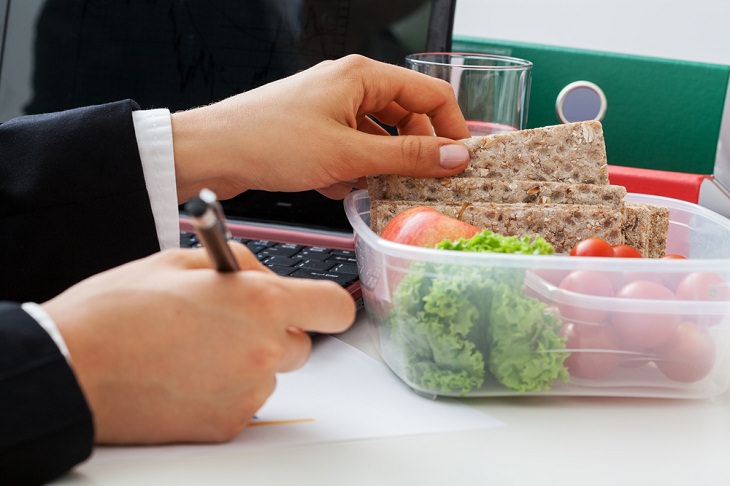
Manage Your Post-Lunch Sleepiness With These 7 Useful Tips
You’ve just finished your lunch. You are
about to resume your work, but you just can’t concentrate. Your eyes
droop and you feel lazy and sleepy. All you can imagine is a bed where
you can lie down peacefully and doze off. Does this scenario sound far
too familiar? Don't worry, you are not alone. Feeling drowsy after you
eat, especially after lunch, is a common experience. Daytime sleepiness
can be frustrating as it makes us feel lethargic and affects our
productiveness during the middle of the day.
But what is the reason that we get sleepy after lunch?
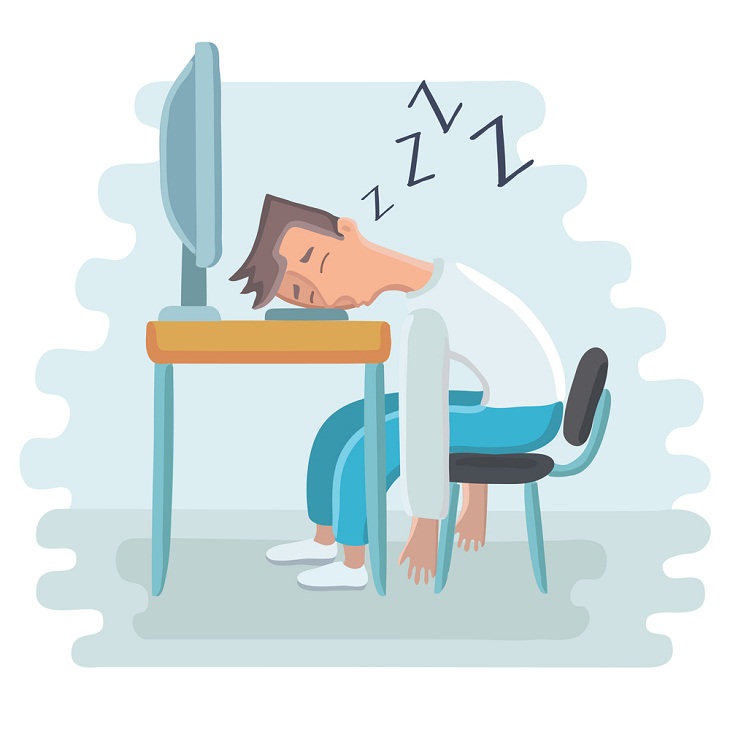
Well, our pancreas produces insulin to
regulate blood sugar levels. A heavy meal leads to a higher production
of insulin which spikes our blood sugar levels. An increase in insulin
results in more sleep hormones being produced by our body, which
eventually get converted into serotonin (the key hormone that stabilizes
our mood) and melatonin (a hormone that is produced in response to
darkness) in our brain. This can ultimately induce sleepiness.
Furthermore, the number of carbohydrates we eat at lunch can also affect
how sluggish we feel afterward. For instance, carbohydrate-containing
foods like bread, pasta, rice, and potatoes stimulate the production of
serotonin, which can also cause us to feel sleepy.
Other factors that might contribute to your daytime sleepiness are
irregular sleeping patterns at night or reduced amounts of physical
activity. However, you can certainly manage your post-lunch sluggishness
by changing a few day-to-day habits. Here are some effective tips that
will help you control your drowsiness during the day.
1. Don’t sit. Take a walk.

If you tend to feel drowsy after lunch,
then don’t sit back down and try to resume your work right after your
meal. Take a short break of 10-15 minutes and go for a brisk walk on
your premises. If that’s not an ideal option during the daytime, you can
even climb up and down the steps for a few minutes.
This short exercise will help increase the oxygen levels in your
bloodstream and give you a much-needed boost of energy. Furthermore, a
10-minute walk also helps promote blood circulation around the body and
the brain and thus reduces the risk of your post-meal slump.
2. Eat smaller meals throughout the day
Eating smaller, more frequent meals across
the day is another great way to fight off sleepiness after lunch.
Firstly, it slows down digestion and can help keep your blood sugar
levels steady as you will be hungry more often. Moreover, a large meal
requires more energy to digest and can easily lead to sluggishness by
slowing down digestion. Having a small lunch with mid-morning and
mid-afternoon snacks in between will not only prevent you from feeling
tired, but also from feeling bloated and uncomfortable, which can often
happen after you have a heavy meal.
3. Keep drinking water

Are you drinking sufficient water
throughout the day? During the winters, especially, we don’t feel that
thirsty and our water intake goes down considerably. This can lead to
dehydration which, in turn, can cause fatigue, low mood, and low energy
levels, as well as affect your ability to think. This is why you must
keep yourself hydrated throughout the day.
Drinking 8-10 glasses of water daily should help you remain fresh and
recharged. It will also ensure that your post-lunch slump remains in
check because drinking enough water has been proven to help perk you up
if you're feeling sluggish.
4. Say no to junk food
Avoid having foods that are rich in bad
fats or high in sugar as they can increase sleepiness. That’s because
they cause a short-lived but sharp spike in your blood glucose levels
which drop sharply later, resulting in drowsiness.
You should try and have a lunch that’s rich in green vegetables as that
can keep you more energized throughout the day. Natural foods that are
high in fiber and protein like whole grains, legumes, and nuts, would
also be helpful. Ideally, half your lunch plate should be full of
non-starchy vegetables (broccoli, tomatoes, cauliflower, mushroom, etc.)
and the remaining half should have whole grains (brown rice, millet,
mushroom, etc.) or lean meat (beef, lamb, veal, pork, etc.). These can
provide you with sufficient energizing irons, lean proteins, and complex
carbohydrates to make you remain alert and active throughout the day.
5. Pop some chewing gum
Chewing may help reduce tiredness and
ensure increased alertness, according to a study published in the
journal Physiology and Behaviour. So, popping a couple of chewing gums
after lunch might not be a bad idea to keep yourself sharp. When you are
chewing gum, your body feels like you are constantly in action. This
helps you maintain energy levels and also makes you regain them if you
lose them after having a daytime meal.
Of course, you need to have chewing gums in moderation as going
overboard with them may reverse the effects. Chewing on a mint-flavored
gum will be the best, primarily because of its refreshing taste.
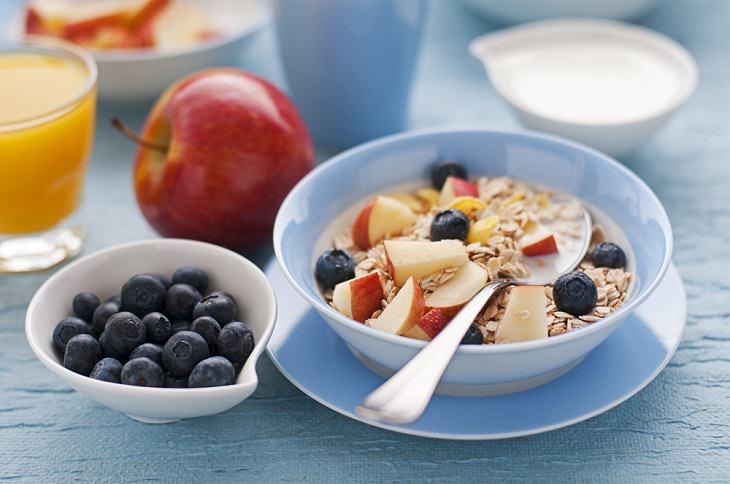
6.Don't skip breakfast
You’ve probably heard many times that
breakfast is the most important meal of the day. That is not a myth. A
healthy breakfast kick-starts your metabolism and helps you burn harmful
calories all day long. Also, having a filling breakfast can provide you
with enough energy to remain active and focused for long periods of
time. Health experts also say that eating a proper breakfast can also
help reduce tiredness later in the day.
When we wake up, the blood sugar level our body needs to function
properly usually remains low. If our body doesn’t get the required fuel
at the start of the day, we are more than likely to feel drained of
energy by lunchtime. Hence, you must never skip breakfast as it sets the
energy standard for the rest of the day. Moreover, skipping breakfast
would make you hungrier by lunchtime and you are likely to end up
overeating which, as we mentioned, contributes to the sluggish feeling.
7. Spend some time in natural light

Are you surrounded by dim lighting during
the day time? That might be one of the factors making you feel sleepy
after lunch. When the light is dim, the body starts producing the sleep
hormone melatonin which causes you to feel more tired. Spending some
time in bright natural light during the daytime could make you feel more
alert. Natural light is also known to stimulate brain regions that
regulate mood. Thus, try and get some natural light during the first
half of the day whenever you can to keep yourself awake post-lunch.
This is only for your information, kindly take the advice of your doctor for medicines, exercises and so on.
https://gscrochetdesigns.blogspot.com. one can see my crochet creations https://gseasyrecipes.blogspot.com. feel free to view for easy, simple and healthy recipes https://kneereplacement-stickclub.blogspot.com. for info on knee replacement https://cancersupportindia.blogspot.com for infor on cancer and health related topics https://GSiyers
home remedies.blogspot.com is the latest addition to my blogs. I'm
going to add posts there, do give me your valuable feed back on my
blogs. Thanks a lot, take care, be healthy and be happy.
Seven simple ways to keep your heart healthy, happy
It’s been scientifically proven that doing small
things every day that keep your body healthy, increases your chance of
living a longer, happier and healthier life.
This World Heart Day, do something healthy and show your heart a
little love. Your heart powers your whole body, it lets you love, laugh
and live your life to the full. The things that you do to keep your
heart healthy will also make you less likely to develop various health
problems such as diabetes, cancer, etc.
It only takes a little extra effort but doing these simple things can
benefit you in the long run. Here are a few simple things you can do to
keep your heart healthy and happy:
Eat a nutritious food - Consume a variety of fruit
and vegetables, mainly focussing on fibre to help lower your risk of
heart disease. Wholemeal bread, bran, oats and wholegrain cereals, are
rich in fibre.
Say ‘no’ to junk – The foods you eat everyday affect
your weight, your organs, including your health. Gorging on junk and
other processed foods that are loaded with unhealthy fats, salt and
sugar over nutrient and fibre rich foods can lead to obesity, which is
one major factor behind heart disease.
Opt for dark chocolates – Dark chocolate isn't just
delicious, it contains heart-healthy flavonoids that can help reduce
inflammation and lower your risk of heart disease. With at least 70%
cocoa, dark chocolate helps lower blood pressure naturally, and reduces
bad cholesterol in the body.
Avoid overworking yourself – try to avoid working
overtime as this can hurt you in the long run. Studies have shown that
working for more than 8 hours increases your risk of heart stroke by
33%. Moreover, people who spend more time in their office are less
likely to exercise or get enough sleep, thereby increasing their risk of
developing heart disease.
Spend less time with your gadgets – The blue light
emitted from the screens of your phones, laptops may render you
susceptible to cancer, diabetes, heart disease, and obesity. Research
suggests that the blue light at night reduces drowsiness and affects
sleep, increasing the risk of depression, diabetes as well as
cardiovascular problems.
Avoid loud noise – Loud noise, including that of
automobiles, may affect your heart health. Listening to loud music can
make the heart beat faster and blood pressure go up, while slower tempos
produce the opposite. Try tuning in to pleasing, soft music once in a
while to relieve stress.
Be physically active - Regular, moderate physical
activity is great for your heart health and for maintaining your weight.
It’s never too late to start exercising and reap the benefits of having
an active body.
World Heart Day, which is observed on September 29 each year, aims to
encourage people to reduce their risk of cardiovascular diseases (CVD),
including heart attack and stroke.
THIS IS ONLY FOR INFORMATION, ALWAYS CONSULT YOU PHYSICIAN BEFORE
HAVING ANY PARTICULAR FOOD/ MEDICATION/EXERCISE/OTHER REMEDIES.
PS-
THOSE INTERESTED IN
RECIPES ARE FREE TO VIEW MY BLOG-
https://gseasyrecipes.blogspot.com/
FOR INFO ABOUT KNEE
REPLACEMENT, YOU CAN VIEW MY BLOG-
https:// kneereplacement-stickclub.blogspot.com/
FOR
CROCHET DESIGNS
https://gscrochetdesigns.blogspot.com
Polycystic Ovarian Syndrome, also known
as PCOS, is a problem caused by hormonal imbalances. Most women with
PCOS grow many small cysts on their ovaries. The cysts are not harmful
but lead to hormone imbalances. These cysts lead to high androgen levels
leading to symptoms such as hair growth, acne, irregular periods and
weight gain. Because the weight gain is triggered by male hormones, it
is typically in the abdomen area.
Women with PCOS frequently have insulin resistance, which means their
bodies do not respond appropriately to high amounts of glucose. Simply
put, larger amounts of insulin are required to metabolise a given amount
of sugar. Insulin is a growth hormone. Its role in the body is to
promote fat storage or weight gain. This leads to a rapid weight gain,
despite a healthy diet and exercise plan. The biggest complaint I hear
from my clients with PCOS is that its too hard to lose weight. These
clients always say that they are consistently following a systematic
diet and workout regime, but still not losing weight.
A few years back, I was working with a young girl aged 24 years very
closely, and we were just not getting any results. Finally one day, I
created a system for her where I could track every morsel that she was
eating and also tracked the intensity of her workouts. I was shocked to
see the results. Input was way more than the output which obviously led
to weight gain. I would like to make a point that although it is a
concern that people with PCOS do put on weight, very often it becomes an
excuse for them and that mindset blocks the weight loss from happening .
However, a good healthy diet and a workout plan will definitely help
you in losing weight.Here are a some tips that you could follow and get
the desired results.
1) Focus on nutrition
I strongly recommend that you do not follow any fad diets as most of
them will interfere with your insulin functioning which is already so
messed up due to PCOS. Restricting your calorie intake will also not
work and is a strong predictor of weight gain. Following the PFC
principle of nutrition will definitely help in regulating your sugar
levels and contributing to fat loss. PFC principle is a combination of
eating proteins, fats and carbohydrates every every hours. This will
guarantee the results and help in fat loss.
2) Cut out the junk
Reducing foods in your diet that cause spikes in blood sugar is crucial
to managing your PCOS. This means opting for whole grain sources of
carbohydrates over anything high in Glycemic Index.
3) Gut function
Most of the ladies I have worked with have clogged guts. High fibre
fruits and smoothies with such fruits not only helps clear your gut, but
also regulates your sugar.
4) Exercise
Your exercise routine should include high-intensity cardio workouts six
to seven days of the week. For example, brisk walking or running or high
intensity dance aerobics. Weight training three days a week will ensure
more muscle mass contributing to fat reduction. Last but not the least,
having the right mind codes will ensure you have the desired results.
THIS IS ONLY FOR INFORMATION, ALWAYS CONSULT YOU PHYSICIAN BEFORE
HAVING ANY PARTICULAR FOOD/ MEDICATION/EXERCISE/OTHER REMEDIES.
PS-
THOSE INTERESTED IN
RECIPES ARE FREE TO VIEW MY BLOG-
https://gseasyrecipes.blogspot.com/
FOR INFO ABOUT KNEE
REPLACEMENT, YOU CAN VIEW MY BLOG-
https:// kneereplacement-stickclub.blogspot.com/ FOR
CROCHET DESIGNS
https://gscrochetdesigns.blogspot.com
How to Control High Blood Pressure during Pregnancy?
Do you know
that approximately 10-15% of women have high Blood Pressure during
pregnancy? In how many forms does high blood pressure occur during
pregnancy? High BP can sometimes even cause severe health complications
for both mother and developing baby. Women who had high blood pressure
before pregnancy are at higher risk for related complications during
pregnancy than those with normal blood pressure.
A blood pressure that is greater than 140/90 mm Hg, or that is 15
degrees higher on the top number from where you started out before
pregnancy, may be cause for concern. Here we will tell you about these
forms and methods to control high BP in pregnant women.
High BP during pregnancy manifests in 3 different forms
1. Chronic High BP
It is a condition when woman has pre-existing high blood pressure or
high BP before she gets pregnant. It is usually treated with blood
pressure medication. Doctors also consider hypertension that occurs in
the first 20 weeks of pregnancy to be chronic hypertension.
2. Gestational High BP
It develops after the 20th week of pregnancy. It usually resolves
after delivery and the most common complication is induced labor. When
diagnosed before 30 weeks, there’s a higher chance it will progress
to pre-eclampsia.
3. Chronic High BP with Superimposed Pre-eclampsia
This situation arises when a woman has hypertension before she
becomes pregnant and even experiences protein in her urine or additional
complications as her pregnancy progresses.
Home Remedies to Control high BP in Pregnancy
1. Exercise
Exercise during pregnancy helps make the delivery easier, manages pain better and helps with pregnancy based fatigue. 30 min of exercise will help your body to remain healthy and help
your immune system become stronger. Not to forget that exercise relaxes
the muscles, tones your body and regulates blood flow.
2. Limit Sodium Intake
During pregnancy hormones are extremely imbalanced which hurts your
immune system and also lowers the efficiency of your body’s natural
functions. This means processing and digesting salt or salty foods
becomes much more difficult and if the salt isn’t digested properly or
is excessive in your diet, it can cause a spike in blood pressure.
3.Avoid Junk Food
Junk foods are packed with preservatives which is extremely
unhealthy. It is better to avoid them when you are pregnant to remain
healthy and control your blood pressure.
4. Apple Cider Vinegar (ACV)
Consuming one tablespoon of ACV every day with a glass of warm water
and honey is one of the healthiest ingredients which maintain a balanced
cholesterol level. Not only this, but it also balances your blood
pressure. Consuming unpasteurized ACV is considered extremely
healthy. Though, undiluted ACV can be extremely acidic and can burn
your oesophagus or food pipe and even damage your stomach.
5. Eat a Healthy Diet
Follow a healthy and nutritious diet rich in magnesium, potassium,
vitamins and calcium. Include bananas and magnesium rich foods like
avocados, tofu, almonds, soy milk in your diet. Magnesium helps manage
extreme blood pressure levels and maintains the integrity of the uterus
during pregnancy by preventing from contracting prematurely. Eating 1-2
bananas daily is not only a digestive aid and natural laxative but also
rich in potassium. Thus helps in maintaining a healthy blood pressure
during pregnancy.
6. Avoid Stress
Anxiety, depression, and stress are the main cause of high
blood pressure. Pregnant women’s must listen to music for 30 min for at
least 3 times a day. Slow music is recommended which is relaxing and
soothing.One must practice prenatal yoga and prenatal massages to manage stress. Always remember high-stress levels leads to high BP.
7. Say No to Smoke
Quit smoking when you are pregnant as the harmful effects of smoking is four times more during pregnancy. It can lead to weight gain, cancer, anxiety, high BP and depression.
8. Limit Alcohol
Avoid alcohol as much as you can as it can lead to several complications during pregnancy.Still if it is hard for you to avoid then 10 ml of wine a month is advisable.
9. Avoid Caffeine
It is one of the major causes of high BP. Therefore, it is advisable to limit or quit caffeine to maintain a normal BP.
10. Be Positive
Just let go of the worries and keep a smile on your face. Be positive
and stay away from negative people. It will help you in maintaining a
healthy BP. More positive you are, more positive and happy your baby
will become.
THIS IS ONLY FOR INFORMATION, ALWAYS CONSULT YOU PHYSICIAN BEFORE
HAVING ANY PARTICULAR FOOD/ MEDICATION/EXERCISE/OTHER REMEDIES.
PS-
THOSE INTERESTED IN
RECIPES ARE FREE TO
VIEW MY BLOG-
https://gseasyrecipes.blogspot.com/
FOR INFO ABOUT KNEE
REPLACEMENT, YOU CAN VIEW MY BLOG-
https:// kneereplacement-stickclub.blogspot.com/
FOR
CROCHET DESIGNS
https://gscrochetdesigns.blogspot.com
It is the World Kidney Day 2018 today. World Kidney Day is a global
awareness campaign aimed at raising awareness of the importance of our
kidneys. The bean shaped organs are vital for smooth functioning of the
body. Many of you would know, that it is because of the kidneys, that
our body is able to discharge waste and toxins in form of urine. But in
addition to that, kidneys also help filter blood before sending it back
to the heart. Kidneys are body's natural filters that also help
maintaining overall fluid balance, regulating and filtering minerals
from blood and play a crucial role in producing red blood cells
and regulating blood pressure.
So, on this World Kidney Day
2018, lets pledge to take maximum care of these precious organs. Few
dietary tweaks can go a long way in managing the health of our kidneys
better.
1. Cut Down on Sugar A Nutritionist, says, "Most processed food products
contain too much sugar, so when it goes to your system it leads to
hormonal imbalance and also your blood profile changes. High consumption
of these empty calories can cause obesity and diabetes - diseases that
directly impact the functioning of your kidneys. You can treat yourself
to your favourite dessert or a fast food burger sometimes as long as it
does not replace your daily balanced diet." 2. Keep a Check on Phosphorous Intake Health
experts and doctors have issued a warning against excess phosphorous in
the human body claiming that it may increase the risk of chronic kidney
disease where the phosphate levels in the body shoot up to abnormally
high levels. According to them, muscle cramps, numbness, tingling, bone
or joint pain and rash are all the symptoms of hyperphosphatemia and
people who experience them quite often should consult a doctor at the
earliest. Foods that should be strictly avoided, or at least consumed in
moderation include soft drinks, chocolates, tinned milk and processed
meat," suggests a Nephrologist.
3. Say No to Junk Food Junk
food or processed food may cause long-term damage to the kidneys and
trigger diabetes. Steer clear of greasy fries or chips or sugary
cookies. This may induce changes in glucose transport in the kidney.
4. Keep well hydrated
For
a healthy kidney function, it is very important to stay hydrated at all
times. Kidneys act as filters in the body, they need adequate water to
flush off the toxins, waste products and unwanted or unneeded compounds
from the blood. Adequate water intake would ensure that the kidneys are
not too congested or calcified to carry out its filtering function.
Drink at least 8 glasses of water every day. And not just water, there
are several other fluids that can help you stay hydrated - buttermilk,fresh lemon juice, coconut water and kanji are some of the good fluids you can
load up on.
5. Maintain healthy blood pressure A healthy blood pressure and healthy kidneys are intertwined in more ways than you would have ever imaginedA
high blood pressure could damage blood vessels throughout the body,
including the small arteries within the kidneys that are very important
for its filtering. Check your blood pressure regularly. Eating a
low-salt diet and maintaining a healthy weight all help maintain normal
blood pressure.
6. Cut down on Alcohol Excessive
alcohol intake could potentially damage several organs and your
precious kidneys are no exception. According to experts alcohol(ethanol)
can negatively impact the internal lining of the organ, thereby causing
hindrance in the kidney function of filtering blood and balance fluids /
electrolytes which can also lead to high blood pressure. Binge drinking
may also cause kidneys to shut down and cause acute kidney injury .
Keep your alcohol intake in moderate range, that is one to two alcoholic
beverage per day.
Here's wishing you all a Happy World Kidney Day 2018
THIS IS ONLY FOR INFORMATION, ALWAYS CONSULT YOU PHYSICIAN BEFORE
HAVING ANY PARTICULAR FOOD/ MEDICATION/EXERCISE/OTHER REMEDIES.
PS- THOSE INTERESTED IN RECIPES ARE FREE TO VIEW MY BLOG- HTTP:GSEASYRECIPES.BLOGSPOT.COM/
FOR INFO ABOUT KNEE REPLACEMENT, YOU CAN VIEW MY BLOG-
HTTP://KNEE REPLACEMENT-STICK CLUB.BLOGSPOT.COM/ FOR CROCHET DESIGNS HTTP://MY CROCHET CREATIONS.BLOGSPOT.COM