Thursday, May 15, 2025

A Distinct New Form of Diabetes Has Been Officially Recognized

Type 5 diabetes has just been recognised as a distinct form of diabetes by the International Diabetes Federation. Despite the name, there are more than a dozen different types of diabetes. The classification isn't quite as tidy as the numbering suggests.

Here's a clear guide to the different types, including some that you may not have heard of, along with information about what causes them and how they are treated.

Type 1

Type 1 diabetes is caused by the body's immune system mistakenly attacking the insulin-producing cells in the pancreas. This autoimmune reaction can occur at any age, from infancy through to old age.
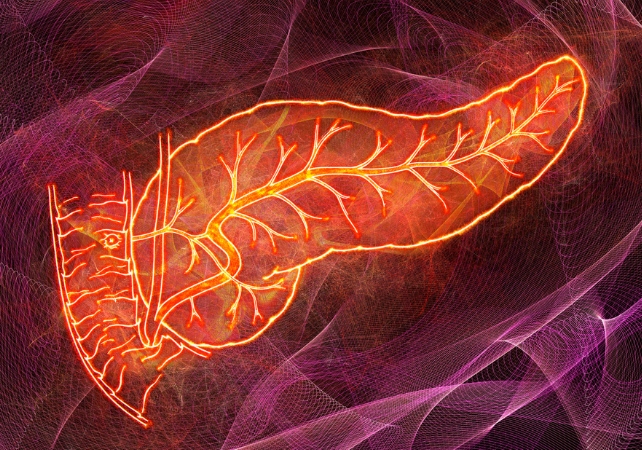
 graphic of a pancreas  

The pancreas produces insulin, which helps cells absorb glucose from the blood. 

It is not linked to diet or lifestyle. Instead, it probably results from a combination of genetic predisposition and environmental triggers, such as viral infections.

Treatment involves lifelong insulin therapy, delivered through injections or pumps.

A small number of people who struggle with low blood sugars, called hypoglycaemia, can receive new cells in the pancreas that produce insulin from deceased donors. For many, this reduces the number of insulin injections needed. Some can stop taking their insulin altogether.

What's more, dozens of people have now received stem-cell-derived transplants to effectively "cure" their diabetes, although people still need to take strong immune-suppressing drugs. This treatment is not yet widely available.

Type 2

Type 2 diabetes is the most common form of the condition and is often linked to having a high BMI (body mass index). However, it can also affect people of normal weight, particularly those with a strong genetic predisposition.

Certain ethnic groups, including south Asians and people of African and Caribbean descent, are at higher risk – even at lower body weights.

Boosting the body's production of insulin can help to control blood sugar levels. Some drugs boost insulin production from the pancreas, while others improve insulin sensitivity.

Metformin, for example, is taken by hundreds of millions of people worldwide. This drug improves insulin sensitivity and switches off sugar production by the liver.

There are dozens of different drugs to help control blood sugar in type 2 diabetes. Tailoring treatment to the individual has been shown to improve health outcomes significantly.

Lifestyle changes can also reverse diabetes. This can be done by keeping a low-calorie diet of 800 calories a day. In a research trial maintaining this diet for 12 months reversed diabetes in 46% of people.

Gestational diabetes

This type of diabetes develops during pregnancy, typically between weeks 24 and 28. It is triggered by hormonal changes that reduce the body's sensitivity to insulin.

Risk factors include being overweight or obese, a family history of diabetes, and giving birth to a large baby in a previous pregnancy.

pregnant woman holding a bowl of salad
Being pregnant can induce its own form of diabetes. 

Those from Middle Eastern, south Asian, black and African Caribbean backgrounds are also at higher risk of gestational diabetes. Age is also a factor, as insulin sensitivity declines with age. This can be treated with diet and exercise, tablets or insulin injections.

Rarer forms of diabetes

There are at least nine sub-types of diabetes that include rare genetic forms, sometimes caused by a single genetic change. Others can be caused by treatment, such as surgery or drugs, such as steroids.

  • Neonatal diabetes appears early in life. Some of the genetic changes affect how insulin is released from the pancreas. Some people still make their own insulin, so can be treated with tablets that help pancreas cells to push out insulin.
  • Maturity onset diabetes of the young, or Mody, occurs later in life and is linked to genetic changes. There are several gene changes, with some affecting how pancreas cells sense sugar and others affecting how the pancreas develops.
  • Type 3c diabetes is different. It is caused by damage to the pancreas. People with pancreatic cancer, for example, can develop diabetes after parts of the pancreas are removed. It can also develop after pancreatitis (inflammation of the pancreas).
  • Those with cystic fibrosis are also at a higher risk of developing diabetes. This is called cystic fibrosis-related diabetes. The risk increases with age and is very common, with around a third of people with cystic fibrosis developing diabetes by the age of 40.

Type 5

This newly designated form is linked to malnutrition during early life. Type 5 diabetes is more common in poorer countries. It affects around 20-25 million people worldwide.

People have low body weight and lack insulin. But the lack of insulin is not caused by the immune system. Instead, the body may not have received the correct nutrition during childhood to help the pancreas develop normally.

Studies with rodents have shown that a low-protein diet during pregnancy or adolescence leads to poor pancreas development. This has been known for many years. Having a smaller pancreas is a risk factor for different forms of diabetes. Essentially, having fewer reserves of insulin-producing cells.

Diabetes is an umbrella term for a range of conditions that result in raised blood sugar levels, but the underlying causes vary widely. Understanding the specific types of diabetes someone has is crucial to providing the right treatment.

As medical science evolves, so does the classification of diabetes. Recognising malnutrition-related diabetes as type 5 will stimulate discussion. This is a step towards better global understanding and care – especially in low-income countries.The Conversation


This is only for your information, kindly take the advice of your doctor for medicines, exercises and so on.   


Labels: , , , , ,

Friday, September 09, 2022

Type 1 & Type 2 Diabetes - What Are the Stages & Symptoms?

Diabetes is an often silent and incurable disease that affects one in eleven people in the world. Estimates from 2018 show that over 10% of the US population suffers from this condition, over 7 million of whom are not aware that they have it. How come this severe disease is often unnoticed for years? And when one gets diagnosed with diabetes, what physiological changes in the body should they watch out for with time? 
 
Although the progression of the disease is individual and not everyone reaches the advanced stages, both type 1 diabetes and type 2 exhibit specific patterns that are important for patients and caretakers to recognize. 
 
The Many Faces of Diabetes  
 
Diabetes isn’t a single condition. It’s a collection of three separate diseases - type 1 diabetes, type 2 diabetes, and gestational diabetes - all of which have a distinct cause and progression. What unites these three conditions under the umbrella term ‘diabetes’ is high glucose (blood sugar). 
 
Glucose is the main source of fuel for the body, but in order to enter the cells, it requires insulin - a hormone produced in the pancreas. When the levels of insulin fall, or when the body doesn’t respond to insulin as it should, too much glucose is left in the bloodstream. This has a destructive effect on the body.
 
Type 1 diabetes is an autoimmune condition where the immune system attacks and destroys the cells in the pancreas responsible for producing insulin called beta cells. Due to the scarcity of insulin in the body, glucose builds up in the blood. Type 1 diabetes has a hereditary component. Only slightly more than 5% of diabetics are diagnosed with type 1 diabetes, but researchers believe that this number is likely higher by another 5-15% since many people initially diagnosed with type 2 diabetes actually have type 1 diabetes according to Diabetes Daily. 
 
Type 2 diabetes is the most widespread form of diabetes. It accounts for over 91% of diabetes diagnoses in the US. In type 2 diabetes, the cells become increasingly resistant to insulin, so the sugar can’t get into the cells and builds up in the blood instead. The exact causes of this condition are unknown, but both environmental factors and weight gain seem to play a role. 
 
Gestational diabetes is usually a temporary form of diabetes that appears in 6-9% of pregnancies. Pregnancy hormones have the side effect of making cells more resistant to insulin, which is usually balanced out by increased production of insulin in the pancreas. When the pancreas isn’t able to meet that increased demand for insulin, gestational diabetes develops. 
 
In the past years, the American Diabetes Association (ADA) and the American Association of Clinical Endocrinologists (AACE) have developed a type 1 and type 2 diabetes development model divided into various stages.
The Stages of Type 1 Diabetes
Stages of Type 1 & Type 2 Diabetes The Stages of Type 1 Diabetes
Type 1 diabetes is formally divided into 3 separate stages that reflect how the immune system gradually damages the beta cells in the pancreas and how this is reflected in the development of diabetes symptoms. 
 
Stage 1 
The earliest stage of type 1 diabetes is asymptomatic. It is most often diagnosed in children whose parents suffer from diabetes during a screening antibody blood test. This blood test finds the immune system antibodies that attack the pancreas. When someone has one or more kinds of such autoantibodies, but their blood sugar levels are normal, they are diagnosed with Stage 1 type 1 diabetes. Research suggests that nearly 100% of children diagnosed with this asymptomatic form of diabetes have developed diabetes symptoms in their lifetime, with 44% of children experiencing symptoms in 5 years after testing and 70% in 10 years. 
 
Stage 2  
At Stage 2, a person’s glucose levels start to rise as well, but they may still not experience any overt symptoms of the disease. It can take from months to years before a person experiences the first symptoms of diabetes, which is why so many people suffering from type 1 diabetes actually get misdiagnosed with type 2 diabetes.

Stage 3  
Common symptoms of diabetes, such as blurry vision, increased thirst and urination, weight loss, and fatigue, start appearing at this stage. By this stage, the immune system has already damaged enough of the pancreas that it can no longer produce enough insulin to sustain the body. A diabetes diagnosis is usually established through two fasting blood sugar tests and a hemoglobin A1c test.
 
The Stages of Type 2 Diabetes 
 
Four recognized stages of type 2 diabetes exist. This framework was developed based on dysglycemia, which refers to any abnormality in blood glucose levels, and it was designed to promote early diagnosis and type 2 diabetes prevention.

Stage 1 The first stage of type 2 diabetes is called insulin resistance. At this early stage of the disease, the cells in the body are only starting to become resistant to insulin. However, patients will not experience any symptoms because the pancreas is still able to make up for this by making more insulin. For this reason, blood glucose levels are within normal at the insulin resistance stage.
 
Stage 2  
Stage 2 of type 2 diabetes is called prediabetes. The resistance of cells to insulin continues to rise, so much so that blood sugar levels begin spiking up, but not enough to be classified as diabetes. It is recommended that you get tested for prediabetes if you are 45 years old or older, especially if you are also overweight. 
 Stages of Type 1 & Type 2 Diabetes glucose meter
Prediabetes is VERY common - about 1 in 3 Americans have this condition. It’s important to note, though, that many people with prediabetes never actually get a formal diabetes diagnosis and sometimes manage to delay the onset by decades. According to the CDC, “You can prevent or delay prediabetes from developing into type 2 diabetes with simple, proven lifestyle changes.” Such lifestyle changes include a healthy diet, a physically active lifestyle, and stress management.
 
Stage 3 
Stage 3 diabetes is the point at which a patient gets a formal diabetes diagnosis. At this stage, the patient’s blood glucose levels are consistently high, so they require medical treatment to lower glucose levels and prevent damage to the organs and the body. 
 
Stage 4 
One of the most dangerous effects of diabetes on the body is the ability of high blood sugar to damage the blood vessels. This increases one’s risk of both heart attack and stroke, which is, unfortunately, why more than half of diabetes patients pass away from one of those two conditions. 
 
Apart from direct cardiovascular problems, the condition also weakens the blood supply to the kidneys, eyes, extremities, and other parts of the body. Over time, this can lead to advanced complications like kidney disease, nerve damage, vision and hearing loss, dementia, and severe damage to the feet. 
 
These adverse changes don’t necessarily occur in all diabetics, and when they do, it’s usually after decades of living with diabetes. Both type 1 and type 2 diabetes have similar complications. Research points out that a combination of medical treatment and following a healthy diet and exercise routine can help patients dramatically reduce the risk of complications.


This is only for your information, kindly take the advice of your doctor for medicines, exercises and so on.   

https://gscrochetdesigns.blogspot.com. one can see my crochet creations  
https://gseasyrecipes.blogspot.com. feel free to view for easy, simple and healthy recipes    
https://kneereplacement-stickclub.blogspot.com. for info on knee replacement
 

Labels: , , ,