Thursday, May 15, 2025

A Distinct New Form of Diabetes Has Been Officially Recognized

Type 5 diabetes has just been recognised as a distinct form of diabetes by the International Diabetes Federation. Despite the name, there are more than a dozen different types of diabetes. The classification isn't quite as tidy as the numbering suggests.

Here's a clear guide to the different types, including some that you may not have heard of, along with information about what causes them and how they are treated.

Type 1

Type 1 diabetes is caused by the body's immune system mistakenly attacking the insulin-producing cells in the pancreas. This autoimmune reaction can occur at any age, from infancy through to old age.
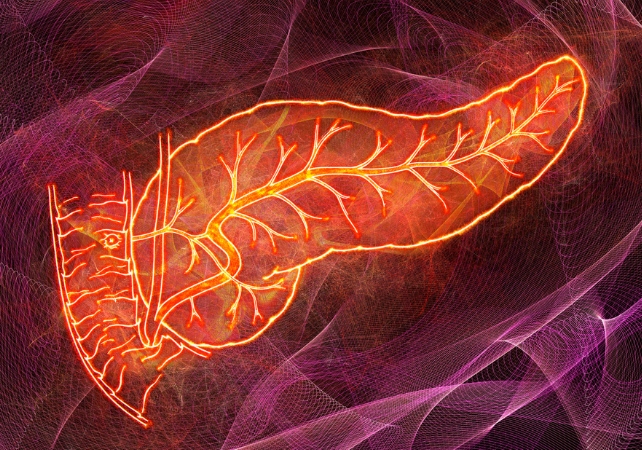
 graphic of a pancreas  

The pancreas produces insulin, which helps cells absorb glucose from the blood. 

It is not linked to diet or lifestyle. Instead, it probably results from a combination of genetic predisposition and environmental triggers, such as viral infections.

Treatment involves lifelong insulin therapy, delivered through injections or pumps.

A small number of people who struggle with low blood sugars, called hypoglycaemia, can receive new cells in the pancreas that produce insulin from deceased donors. For many, this reduces the number of insulin injections needed. Some can stop taking their insulin altogether.

What's more, dozens of people have now received stem-cell-derived transplants to effectively "cure" their diabetes, although people still need to take strong immune-suppressing drugs. This treatment is not yet widely available.

Type 2

Type 2 diabetes is the most common form of the condition and is often linked to having a high BMI (body mass index). However, it can also affect people of normal weight, particularly those with a strong genetic predisposition.

Certain ethnic groups, including south Asians and people of African and Caribbean descent, are at higher risk – even at lower body weights.

Boosting the body's production of insulin can help to control blood sugar levels. Some drugs boost insulin production from the pancreas, while others improve insulin sensitivity.

Metformin, for example, is taken by hundreds of millions of people worldwide. This drug improves insulin sensitivity and switches off sugar production by the liver.

There are dozens of different drugs to help control blood sugar in type 2 diabetes. Tailoring treatment to the individual has been shown to improve health outcomes significantly.

Lifestyle changes can also reverse diabetes. This can be done by keeping a low-calorie diet of 800 calories a day. In a research trial maintaining this diet for 12 months reversed diabetes in 46% of people.

Gestational diabetes

This type of diabetes develops during pregnancy, typically between weeks 24 and 28. It is triggered by hormonal changes that reduce the body's sensitivity to insulin.

Risk factors include being overweight or obese, a family history of diabetes, and giving birth to a large baby in a previous pregnancy.

pregnant woman holding a bowl of salad
Being pregnant can induce its own form of diabetes. 

Those from Middle Eastern, south Asian, black and African Caribbean backgrounds are also at higher risk of gestational diabetes. Age is also a factor, as insulin sensitivity declines with age. This can be treated with diet and exercise, tablets or insulin injections.

Rarer forms of diabetes

There are at least nine sub-types of diabetes that include rare genetic forms, sometimes caused by a single genetic change. Others can be caused by treatment, such as surgery or drugs, such as steroids.

  • Neonatal diabetes appears early in life. Some of the genetic changes affect how insulin is released from the pancreas. Some people still make their own insulin, so can be treated with tablets that help pancreas cells to push out insulin.
  • Maturity onset diabetes of the young, or Mody, occurs later in life and is linked to genetic changes. There are several gene changes, with some affecting how pancreas cells sense sugar and others affecting how the pancreas develops.
  • Type 3c diabetes is different. It is caused by damage to the pancreas. People with pancreatic cancer, for example, can develop diabetes after parts of the pancreas are removed. It can also develop after pancreatitis (inflammation of the pancreas).
  • Those with cystic fibrosis are also at a higher risk of developing diabetes. This is called cystic fibrosis-related diabetes. The risk increases with age and is very common, with around a third of people with cystic fibrosis developing diabetes by the age of 40.

Type 5

This newly designated form is linked to malnutrition during early life. Type 5 diabetes is more common in poorer countries. It affects around 20-25 million people worldwide.

People have low body weight and lack insulin. But the lack of insulin is not caused by the immune system. Instead, the body may not have received the correct nutrition during childhood to help the pancreas develop normally.

Studies with rodents have shown that a low-protein diet during pregnancy or adolescence leads to poor pancreas development. This has been known for many years. Having a smaller pancreas is a risk factor for different forms of diabetes. Essentially, having fewer reserves of insulin-producing cells.

Diabetes is an umbrella term for a range of conditions that result in raised blood sugar levels, but the underlying causes vary widely. Understanding the specific types of diabetes someone has is crucial to providing the right treatment.

As medical science evolves, so does the classification of diabetes. Recognising malnutrition-related diabetes as type 5 will stimulate discussion. This is a step towards better global understanding and care – especially in low-income countries.The Conversation


This is only for your information, kindly take the advice of your doctor for medicines, exercises and so on.   


Labels: , , , , ,

Sunday, February 09, 2020

Supercharging Cancer Cells Mutation Rate Can Create Vaccine against them," Melcher said.

The researchers first showed they could drive rapid genetic changes in human cancer cells in the lab using high levels of APOBEC3B, which is able to edit the DNA code of cells, giving rise to genetic changes that can be seen as 'signatures' or 'footprints'.

The genetic analysis revealed more than a million extra mutations in the cells expressing APOBEC3B, compared with control cells.

Of these, around 68,000 contained the classical APOBEC signature. These genetic signatures made cancer cells vulnerable to treatment with immune checkpoint blockade, a major strategy in immunotherapy.

However, by generating new genetic changes, APOBEC3B can also drive cancer evolution and help cancer cells become resistant to chemotherapy.

So rather than give APOBEC3B directly to tumours as a treatment, the researchers instead used the genetic signature it left behind to create individual cancer vaccines, each tailored to the particular genetic profile of a specific tumour.

They gave mice highly mutated cancer cell vaccines, in the form of mutant cancer proteins, and these elicited an immune attack against their tumours as they were immediately detected as "foreign".

The researchers want to take their new technique for creating personalised vaccines into the clinic as early as next year - starting with a trial in children with brain tumours.

Labels: , , , , , , , , ,

Friday, January 17, 2020

Soybean oil diet may trigger genetic changes in brain

Widely consumed soybean oil not only leads to obesity and diabetes but may also affect neurological conditions like autism, Alzheimer’s disease, anxiety and depression, report researchers .

In a study conducted on mice, the scientists found pronounced effects of the soybean oil on the hypothalamus where a number of critical processes take place.

The research team discovered nearly 100 genes – including the ‘love hormone’ oxytocin produced in hypothalamus — affected by the soybean oil diet.

“The hypothalamus regulates body weight via your metabolism, maintains body temperature, is critical for reproduction and physical growth as well as your response to stress,” said  an associate professor of neuroscience and lead author on the study.

The research team has not yet isolated which chemicals in the oil are responsible for the changes they found in the hypothalamus.

“But they have ruled out two candidates. It is not linoleic acid, since the modified oil also produced genetic disruptions; nor is it stigmasterol, a cholesterol-like chemical found naturally in soybean oil,” the study noted.

Identifying the compounds responsible for the negative effects is an important area for the team’s future research.

“This could help design healthier dietary oils in the future,” said Poonamjot Deol, first author on the study.

“If there’s one message I want people to take away, it’s this: reduce consumption of soybean oil,” Deol added.

The team compared mice fed three different diets high in fat: soybean oil, soybean oil modified to be low in linoleic acid, and coconut oil.

They believe this discovery could have ramifications not just for energy metabolism, but also for proper brain function and diseases such as autism or Parkinson’s disease.

“However, it is important to note there is no proof the oil causes these diseases,” the authors wrote.


Te same research team found in 2015 that soybean oil induces obesity, diabetes, insulin resistance, and fatty liver in mice. Then in a 2017 study, the same group learned that if soybean oil is engineered to be low in linoleic acid, it induces less obesity and insulin resistance.

The team said the findings only apply to soybean oil — not to other soy products or to other vegetable oils.

“Do not throw out your tofu, soymilk, edamame, or soy sauce,” said Frances Sladek, a UCR toxicologist and professor of cell biology.

“Many soy products only contain small amounts of the oil, and large amounts of healthful compounds such as essential fatty acids and proteins”.

This study utilized male mice. Because oxytocin is so important for maternal health and promotes mother-child bonding, similar studies need to be performed using female mice.

Coconut oil, which contains saturated fats, produced very few changes in the hypothalamic genes, said the researchers.


This is only for your information, kindly take the advice of your doctor for medicines, exercises and so on.     
https://gscrochetdesigns.blogspot.com. one can see my crochet creations  
https://gseasyrecipes.blogspot.com. feel free to view for easy, simple and healthy recipes    
https://kneereplacement-stickclub.blogspot.com. for info on knee replacement
 

Labels: , , , , , , , , , , ,

Monday, November 11, 2019

New Blood Test Screens for Cancers With 99.4% Accuracy

In the vast majority of cases, cancer is not the fatal diagnosis it once was, but the key to recovery is early detection, which is still a problem for those cancer types that are more difficult to diagnose at earlier stages. But even here, the world of medicine is constantly making significant progress, and an excellent example of this is a new blood test that is capable of detecting over 20 types of cancer, including the more difficult-to-diagnose varieties like cervical, pancreatic, colorectal and breast cancer, with a 99.4% accuracy.

What Is This Test?

The blood test is based on cutting-edge genetic research that attempts to detect the genetic changes that happen to their DNA when a person is suffering from cancer. More specifically, the test looks for abnormal methylation in the DNA, which is a process when the DNA is altered by compounds known as methyl groups. The presence of these genetic abnormalities can point to different cancers, which is exactly what this new blood screening is trying to pinpoint.
The test was developed by Harvard University scientists at the Dana-Farber Cancer Institute, and it has recently undergone a series of trials suggesting the test is effective at diagnosing many different cancers. Out of the 3,586 blood samples collected from both cancer patients and healthy controls alike, the test identified cancer patients correctly with amazing 99.4% precision. Cancer Detection Blood Test stages of cancer chart
Furthermore, the scientists checked how well the test approximates the origin of the cancer, and it turns out that the test gets that right as well with 89% precision. But one of the greatest goals of the study was to show that the blood test is capable of detecting 14 high-risk cancers that account for 63% of cancer deaths, such as esophagus, breast, lung, gastric, ovary, pancreatic cancer, and others.
These cancers were detected correctly with 76% accuracy. More specifically, within this high-risk cancer group, the test accurately detected Stage I cancer 32% of the time, stage II - 76%, Stage III - 85%, and Stage IV - 93%. This is a great success, as many of these high mortality cancers are typically found in more advanced and difficult-to-treat stages.
Overall, this one blood test successfully detected ⅓ of patients with stage one cancer and ¾ of those suffering from stage two cancer, so it has an excellent potential of really improving current diagnostic practices and prevent many deaths. The researchers have recently presented the results of this trial in September 2019, at the European Society for Medical Oncology (ESMO) Congress, and hopefully, this revolutionary technique will soon become a successful diagnostic tool for physicians worldwide.
this is only for your information, kindly take the advice of your doctor for medicines, exercises and so on.     
https://gscrochetdesigns.blogspot.com. one can see my crochet creations  
https://gseasyrecipes.blogspot.com. feel free to view for easy, simple and healthy recipes    
https://kneereplacement-stickclub.blogspot.com. for info on knee replacement


Labels: , , , , , , , , , , , , , , , ,

Monday, April 10, 2017

NHLBI stem cell consortium provides new insights into genetics of heart disease, other conditions

NIH-funded scientists has published the first studies using the largest, most diverse stem cell collection of its kind ever made available to researchers. The results provide fresh insights into the genetic underpinnings of common conditions such as cardiovascular disease, high blood pressure, diabetes, and sickle cell disease, which take a heavy toll on American lives and resources.

In the future, discoveries from these studies of adult stem cells could lead to new ways to diagnose and treat disease, the researchers say. The first 11 studies resulting from this collaborative effort from multiple US institutions appear in the journals Cell Stem Cell, Stem Cell Reports, and EBioMedicine, which are published by Cell Press.

In 2011, the National Heart, Lung, Blood Institute (NHLBI), part of NIH, convened its Next Generation Genetic Association Studies (NextGen) Consortium with the goal of using induced pluripotent stem cells (link is external) (iPS cells) to better understand how complex genetic changes affect heart, lung, and blood cells. More than 1,000 iPS cell lines were obtained from more than 1,000 volunteers of different genders and ethnic backgrounds, making it one of the one of the most diverse stem cell collections ever studied. That diversity, the researchers note, ultimately will prove useful in helping reduce health disparities based on gender and ethnicity.

Though still in their early stages, the NextGen studies are already beginning to produce results. For example, one research group created a library of iPS cells from a geographically- and ethnically-diverse group of people with sickle cell disease. This well-characterized stem cell library could provide the basis for improved pre-clinical drug development for sickle cell disease, the study’s researchers say.

In addition to sickle cell disease, the cell lines from NextGen will prove helpful for studying other complex diseases, particularly cardiovascular disease. In the future, researchers hope to make these stem cell lines available for other researchers to study worldwide.

Cashell Jaquish, Ph.D., program director for the NHLBI’s NextGen Consortium, is available to comment on the findings and implications of this research.

About the National Heart, Lung, and Blood Institute (NHLBI): NHLBI, a part of the National Institutes of Health (NIH), plans, conducts, and supports research related to the causes, prevention, diagnosis, and treatment of heart, blood vessel, lung, and blood diseases; and sleep disorders. The Institute also administers national health education campaigns on women and heart disease, healthy weight for children, and other topics. 


this is only for your information, kindly take the advice of your doctor for medicines, exercises and so on.  
 https://gscrochetdesigns.blogspot.com. one can see my crochet creations  
  htps://gseasyrecipes.blogspot.com. feel free to view for easy, simple and healthy recipes  
 https://kneereplacement-stickclub.blogspot.com. for info on knee replacement

Labels: , , , , , , , , , ,