Manage Your Post-Lunch Sleepiness With These 7 Useful Tips
You’ve just finished your lunch. You are
about to resume your work, but you just can’t concentrate. Your eyes
droop and you feel lazy and sleepy. All you can imagine is a bed where
you can lie down peacefully and doze off. Does this scenario sound far
too familiar? Don't worry, you are not alone. Feeling drowsy after you
eat, especially after lunch, is a common experience. Daytime sleepiness
can be frustrating as it makes us feel lethargic and affects our
productiveness during the middle of the day.
But what is the reason that we get sleepy after lunch?
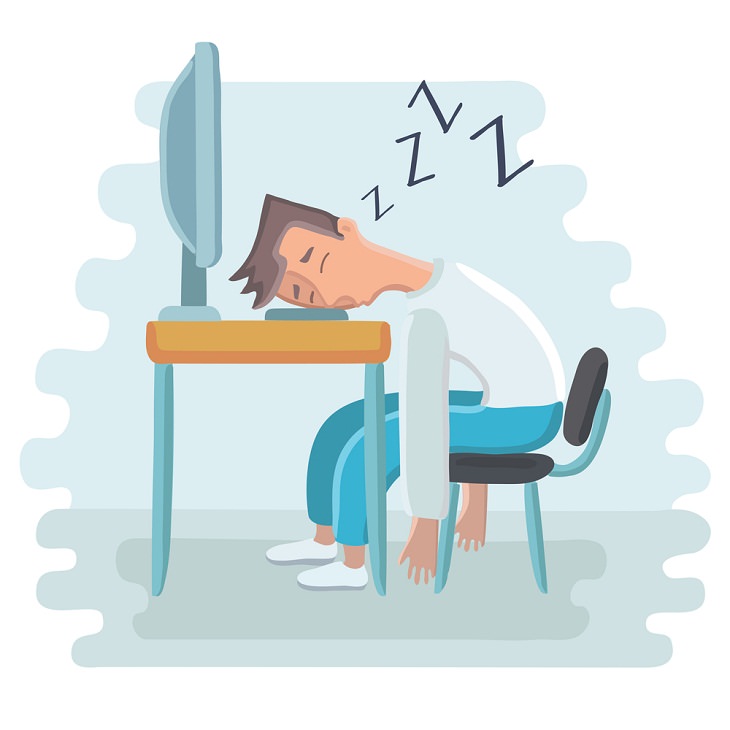
Well, our pancreas produces insulin to
regulate blood sugar levels. A heavy meal leads to a higher production
of insulin which spikes our blood sugar levels. An increase in insulin
results in more sleep hormones being produced by our body, which
eventually get converted into serotonin (the key hormone that stabilizes
our mood) and melatonin (a hormone that is produced in response to
darkness) in our brain. This can ultimately induce sleepiness.
Furthermore, the number of carbohydrates we eat at lunch can also affect
how sluggish we feel afterward. For instance, carbohydrate-containing
foods like bread, pasta, rice, and potatoes stimulate the production of
serotonin, which can also cause us to feel sleepy.
Other factors that might contribute to your daytime sleepiness are
irregular sleeping patterns at night or reduced amounts of physical
activity. However, you can certainly manage your post-lunch sluggishness
by changing a few day-to-day habits. Here are some effective tips that
will help you control your drowsiness during the day.
1. Don’t sit. Take a walk.
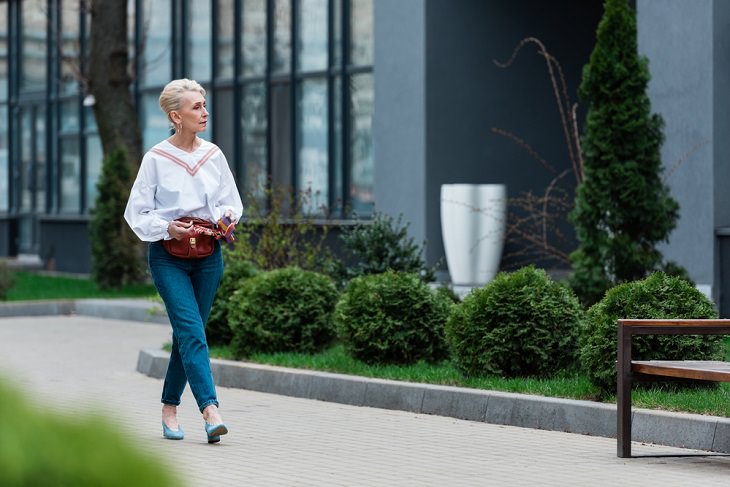

If you tend to feel drowsy after lunch,
then don’t sit back down and try to resume your work right after your
meal. Take a short break of 10-15 minutes and go for a brisk walk on
your premises. If that’s not an ideal option during the daytime, you can
even climb up and down the steps for a few minutes.
This short exercise will help increase the oxygen levels in your
bloodstream and give you a much-needed boost of energy. Furthermore, a
10-minute walk also helps promote blood circulation around the body and
the brain and thus reduces the risk of your post-meal slump.
2. Eat smaller meals throughout the day
Eating smaller, more frequent meals across
the day is another great way to fight off sleepiness after lunch.
Firstly, it slows down digestion and can help keep your blood sugar
levels steady as you will be hungry more often. Moreover, a large meal
requires more energy to digest and can easily lead to sluggishness by
slowing down digestion. Having a small lunch with mid-morning and
mid-afternoon snacks in between will not only prevent you from feeling
tired, but also from feeling bloated and uncomfortable, which can often
happen after you have a heavy meal.
3. Keep drinking water




Are you drinking sufficient water
throughout the day? During the winters, especially, we don’t feel that
thirsty and our water intake goes down considerably. This can lead to
dehydration which, in turn, can cause fatigue, low mood, and low energy
levels, as well as affect your ability to think. This is why you must
keep yourself hydrated throughout the day.
Drinking 8-10 glasses of water daily should help you remain fresh and
recharged. It will also ensure that your post-lunch slump remains in
check because drinking enough water has been proven to help perk you up
if you're feeling sluggish.
4. Say no to junk food
Avoid having foods that are rich in bad
fats or high in sugar as they can increase sleepiness. That’s because
they cause a short-lived but sharp spike in your blood glucose levels
which drop sharply later, resulting in drowsiness.
You should try and have a lunch that’s rich in green vegetables as that
can keep you more energized throughout the day. Natural foods that are
high in fiber and protein like whole grains, legumes, and nuts, would
also be helpful. Ideally, half your lunch plate should be full of
non-starchy vegetables (broccoli, tomatoes, cauliflower, mushroom, etc.)
and the remaining half should have whole grains (brown rice, millet,
mushroom, etc.) or lean meat (beef, lamb, veal, pork, etc.). These can
provide you with sufficient energizing irons, lean proteins, and complex
carbohydrates to make you remain alert and active throughout the day.
5. Pop some chewing gum
Chewing may help reduce tiredness and
ensure increased alertness, according to a study published in the
journal Physiology and Behaviour. So, popping a couple of chewing gums
after lunch might not be a bad idea to keep yourself sharp. When you are
chewing gum, your body feels like you are constantly in action. This
helps you maintain energy levels and also makes you regain them if you
lose them after having a daytime meal.
Of course, you need to have chewing gums in moderation as going
overboard with them may reverse the effects. Chewing on a mint-flavored
gum will be the best, primarily because of its refreshing taste.
6.Don't skip breakfast
You’ve probably heard many times that
breakfast is the most important meal of the day. That is not a myth. A
healthy breakfast kick-starts your metabolism and helps you burn harmful
calories all day long. Also, having a filling breakfast can provide you
with enough energy to remain active and focused for long periods of
time. Health experts also say that eating a proper breakfast can also
help reduce tiredness later in the day.
When we wake up, the blood sugar level our body needs to function
properly usually remains low. If our body doesn’t get the required fuel
at the start of the day, we are more than likely to feel drained of
energy by lunchtime. Hence, you must never skip breakfast as it sets the
energy standard for the rest of the day. Moreover, skipping breakfast
would make you hungrier by lunchtime and you are likely to end up
overeating which, as we mentioned, contributes to the sluggish feeling.
7. Spend some time in natural light

Are you surrounded by dim lighting during
the day time? That might be one of the factors making you feel sleepy
after lunch. When the light is dim, the body starts producing the sleep
hormone melatonin which causes you to feel more tired. Spending some
time in bright natural light during the daytime could make you feel more
alert. Natural light is also known to stimulate brain regions that
regulate mood. Thus, try and get some natural light during the first
half of the day whenever you can to keep yourself awake post-lunch.
This is only for your information, kindly take the advice of your doctor for medicines, exercises and so on.
https://gscrochetdesigns.blogspot.com. one can see my crochet creations
https://gseasyrecipes.blogspot.com. feel free to view for easy, simple and healthy recipes
https://kneereplacement-stickclub.blogspot.com. for info on knee replacement
https://cancersupportindia.blogspot.com for infor on cancer and health related topics
https://GSiyers home remedies.blogspot.com is the latest addition to my blogs. I'm going to add posts there, do give me your valuable feed back on my blogs. Thanks a lot, take care, be healthy and be happy.
Labels: chewing gum, don't skip breakfast, eat smaller meals thro'out the day, keep drinking water, manage post-lunch sleepiness, no junk food, spend some time in natural light, take a walk
posted by G S Iyer at 8:51 AM
0 comments
