Saturday, July 04, 2020

3 acupressure points for healthy lungs and immunity

Try acupressure for lungs health

In the past six months, we have come to know a lot about coronavirus, yet there are a lot of things we are still unaware of. Scientists around the globe are still trying to figure out the exact nature of the virus and ways to contain it. Every passing day we come to know something new about this deadly virus. In such circumstances, prevention is the only way to keep oneself protected from getting infected. We know that COVID-19 is a respiratory disease, which is spread by tiny respiratory droplets. Apart from practising social distancing, wearing a mask and maintaining proper hygiene, it is important to take good care of your lung health at this time. For this, you can try acupressure.  

Acupressure and lungs health

Acupressure is based on this concept of life energy which flows through meridians in the body. It is believed that any blockage and disruption in the flow of energy through the median can lead to different health issues. The lung meridian is one of the major ones comprising of 12 meridian pathways in the human body. Applying gentle pressure on these points can actually help to improve your lungs health and boost your immunity. Here are the three acupressure points that you should press regularly.  

​Hands

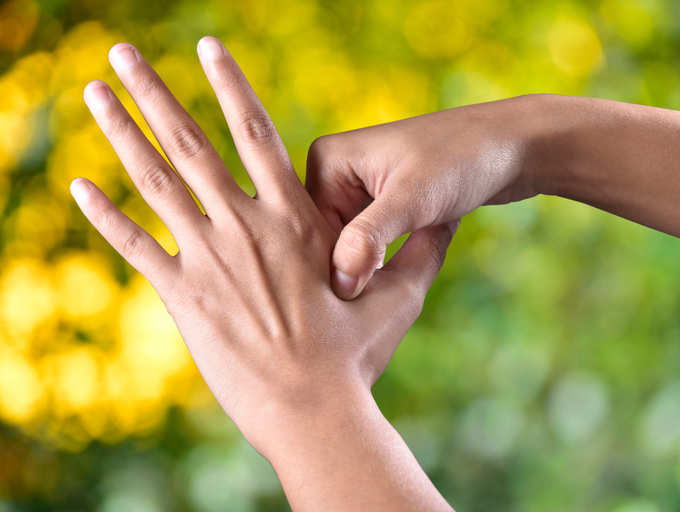
You will find the second point in your hand. Stretch your one hand with palms facing downwards. Press between the V shape formed between the web of the thumb and index finger.
Palm

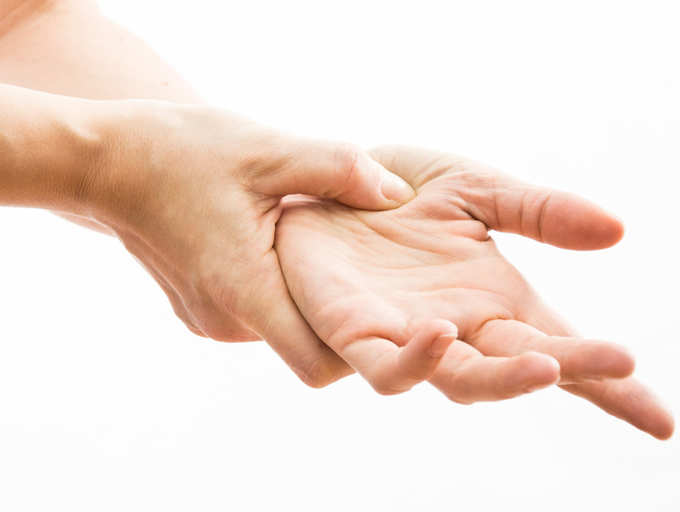
The third point can be found on the fleshy pad of the palm between the wrist and the joint of the palm.

Collarbone

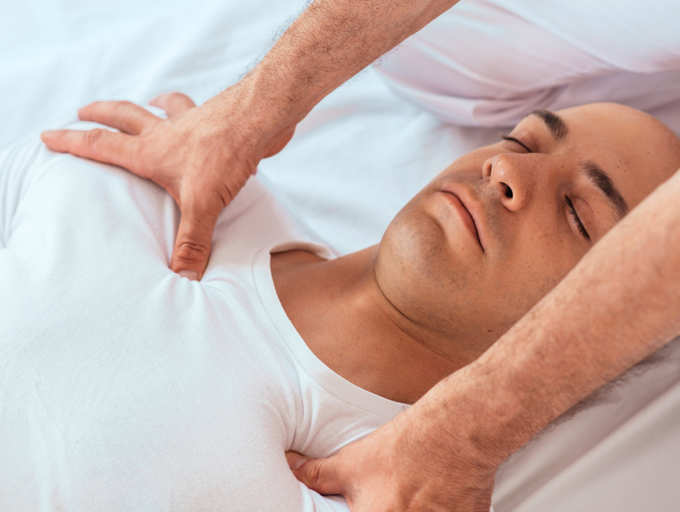
The first point is the hollow space under the collarbone. The point is located between the first and second rib. You can locate this point on both sides. Apply gentle pressure on these points.

How to apply pressure
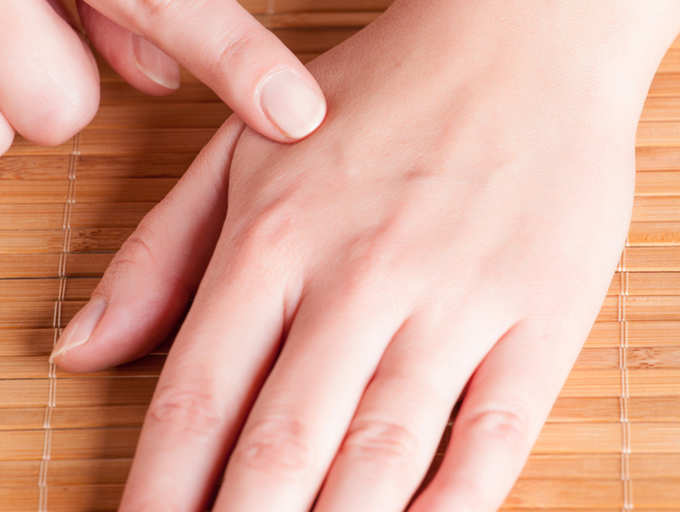
Apply gentle pressure on these three points for 1 to 2 minutes daily twice or thrice. Hold the pressure points with your fingertips for 4-5 breaths and then release. Repeat the same 5 times in a row.

This is only for your information, kindly take the advice of your doctor for medicines, exercises and so on.     

https://gscrochetdesigns.blogspot.com. one can see my crochet creations  
https://gseasyrecipes.blogspot.com. feel free to view for easy, simple and healthy recipes    
https://kneereplacement-stickclub.blogspot.com. for info on knee replacement


Labels: , , , , , ,

Monday, December 18, 2017

Human touch can detect even molecular differences

The human touch is sensitive enough to feel the difference between surfaces that vary by just a single layer of molecules, according to scientists. Humans can easily feel the difference between many everyday surfaces such as glass, metal, wood and plastic.

That is because these surfaces have different textures or draw heat away from the finger at different rates. However, researchers wanted to study if humans could detect the difference if they changed only the topmost layer of molecules.

"This is the greatest tactile sensitivity that has ever been shown in humans," said a professor. 


"Receptors processing sensations from our skin are phylogenetically the most ancient, but far from being primitive they have had time to evolve extraordinarily subtle strategies for discerning surfaces," said a scientist.


"This study is one of the first to demonstrate the range of sophistication and exquisite sensitivity of tactile sensations. It paves the way, perhaps, for a whole new approach to tactile psychophysics," a scientist said. 


THIS IS ONLY FOR INFORMATION, ALWAYS CONSULT YOU PHYSICIAN BEFORE HAVING ANY PARTICULAR FOOD/ MEDICATION/EXERCISE/OTHER REMEDIES.   

PS- THOSE INTERESTED IN RECIPES ARE FREE TO VIEW MY BLOG-                      

HTTP:GSEASYRECIPES.BLOGSPOT.COM/
FOR INFO ABOUT KNEE REPLACEMENT, YOU CAN VIEW MY BLOG-                                                                       
HTTP://KNEE REPLACEMENT-STICK CLUB.BLOGSPOT.COM/
FOR CROCHET DESIGNS

HTTP://MY CROCHET CREATIONS.BLOGSPOT.COM

Labels: , , , , , , , ,

Friday, July 03, 2015

Clear a stuffed nose

Use this osteopathic trick to clear a blocked nose. You can loosen congestion by getting the vomer bone, one of your facial bones, to rock back and forth. First you need to thrust your tongue against the roof of your mouth, and then you need to press one finger between your eyebrows. Alternate between these two movements and you should begin to feel relief after 20 seconds.


THIS IS ONLY FOR INFORMATION, ALWAYS CONSULT YOU PHYSICIAN BEFORE HAVING ANY PARTICULAR FOOD/ MEDICATION/EXERCISE/OTHER REMEDIES.


PS- THOSE INTERESTED IN RECIPES ARE FREE TO VIEW MY BLOG-
HTTP:GSEASYRECIPES.BLOGSPOT.COM


FOR INFO ABOUT KNEE REPLACEMENT, YOU CAN VIEW MY BLOG
HTTP://KNEE REPLACEMENT-STICK CLUB.BLOGSPOT.COM/

FOR CROCHET DESIGNS- http://My Crochet Creations.blogspot.com/

Labels: , , , , , , , ,

Wednesday, November 13, 2013

EASY RELAXING METHOD

EASY RELAXING METHOD!!!

Begin your relaxing ten minute hand reflexology treatment by pinching the tips of each finger and thumb of your right hand. Reverse and repeat this process on your left hand. The pressure applied to your fingers should be firm, but not painful. A few seconds for each finger tip will do.

1. After pinching the tops and bottoms of your finger and thumb tips go back to each tip and pinch them again, this time squeezing from side to side. Again, apply pressure, a little discomfort is okay. But, it is important not to inflict pain on yourself.

2. Combine steps 3 and 4 rubbing the tops and bottoms (above photo) and also rubbing the sides (step 4 photo) of each finger and thumb. Vigorously rub back and forth from the base to the tip.

3. Combine steps 3 and 4 rubbing the tops and bottoms (step 3 photo) and also rubbing the sides (above photo) of each finger and thumb. Vigorously rub back and forth from the base to the tip.

5. Grasp each finger (and thumb) at its base and tug firmly. Allow your grip to loosen slightly, graduating it from the base to the finger tip until your finger slips out of your grasp completely.

6. Using your thumb and forefinger firmly grasp the webbed area between your thumb and and forefinger of your other hand. Keeping a firm hold, tug at the skin gently until the fleshy web snaps away from your grasp. Repeat this process for the webbed-tween areas on all your fingers.

7. Rest the palm of your hand inside the palm of your free hand. Use your thumb to massage the back of your hand. Leisurely manipulate the knuckles and inbetween knuckle area first. Continue thumb massaging each area on the back of the hand.

8. Gently cradle your wrist inside your free hand. Use your thumb to massage your inner wrist. This is an espcially soothing massage for anyone who routinely uses their wrists in repetitive movements (i.e. computer mousing).

9. Massage the palm of your hand with your thumb. Alternately you can use your knuckle to massage the fleshier mound areas more deeply.

10. At the end of your session press your thumb deeply in the center of your palm. Take a few cleansing breaths and center your being.

This is a opportune moment to relax, clear your mind, and focus on your healing intentions.
EASY RELAXING METHOD!!!

Begin your relaxing ten minute hand reflexology treatment by pinching the tips of each finger and thumb of your right hand. Reverse and repeat this process on your left hand. The pressure applied to your fingers should be firm, but not painful. A few seconds for each finger tip will do.

1. After pinching the tops and bottoms of your finger and thumb tips go back to each tip and pinch them again, this time squeezing from side to side. Again, apply pressure, a little discomfort is okay. But, it is important not to inflict pain on yourself.

2. Combine steps 3 and 4 rubbing the tops and bottoms (above photo) and also rubbing the sides (step 4 photo) of each finger and thumb. Vigorously rub back and forth from the base to the tip.

3. Combine steps 3 and 4 rubbing the tops and bottoms (step 3 photo) and also rubbing the sides (above photo) of each finger and thumb. Vigorously rub back and forth from the base to the tip.

5. Grasp each finger (and thumb) at its base and tug firmly. Allow your grip to loosen slightly, graduating it from the base to the finger tip until your finger slips out of your grasp completely.

6. Using your thumb and forefinger firmly grasp the webbed area between your thumb and and forefinger of your other hand. Keeping a firm hold, tug at the skin gently until the fleshy web snaps away from your grasp. Repeat this process for the webbed-tween areas on all your fingers.

7. Rest the palm of your hand inside the palm of your free hand. Use your thumb to massage the back of your hand. Leisurely manipulate the knuckles and inbetween knuckle area first. Continue thumb massaging each area on the back of the hand.

8. Gently cradle your wrist inside your free hand. Use your thumb to massage your inner wrist. This is an espcially soothing massage for anyone who routinely uses their wrists in repetitive movements (i.e. computer mousing).

9. Massage the palm of your hand with your thumb. Alternately you can use your knuckle to massage the fleshier mound areas more deeply.

10. At the end of your session press your thumb deeply in the center of your palm. Take a few cleansing breaths and center your being.

This is a opportune moment to relax, clear your mind, and focus on your healing intentions.

For daily health tips visit here: www.humanNhealth.com


ps- this is only for information, always consult you physician before having any particular food/ medication/exercise/other remedies.
ps- those interested in recipes are free to view my blog-

http://gseasyrecipes.blogspot.com/


for info about knee replacement, you can view my blog-


http://Knee replacement-stick club.blogspot.com/


for crochet designs


http://My Crochet Creations.blogspot.com

Labels: ,

Friday, June 28, 2013

Some Tips To Help Osteoarthritis Patients

Easier Way Yo Get Out Of The  Car !
Arthritis pain limiting your movement? Don't let the dread of getting in and out of the car keep you confined. Try this instead: To get in, back into the seat and then swing in your legs. To get out of a car, do the opposite, swinging your legs out first. A beaded seat cover or a swivel seat, which can be installed, also make both manoeuvres easier.

Using Rubber Foam/Stopper Eases Stress on Fingers
Pushing microwave buttons, brushing your teeth, and even eating can be tough if you have osteoarthritis in your fingers. Try these simple solutions: Slide cylindrical foam over your fork or toothbrush for an easier grip. (Large sponge hair rollers can be perfect.) Put a rubber stopper on the end of a ruler or a dowel. Use it to push microwave, television, and other buttons.
sponge rollers and fork and toothbrush

Slip-ons Or Shoes With Elastic Laces will Help
To stay active with osteoarthritis, you want shoes with good arch support and a cushioned sole. But if tying laces is difficult, you may be tempted to wear less supportive mules or slip-ons. The solution: elastic laces. Put your shoes on and have someone lace and tie them. Then you can slip them on and off easily -- with the help of a shoehorn, if necessary.

Use Wheels To Move Around
To keep things rolling in the kitchen, think wheels. If standing for a long period is difficult, use an adjustable rolling office chair or stool when you chop vegetables or do dishes. A rolling utility cart can help you transport dishes or other items. Even a little pizza wheel can help. Hold it with both hands to cut sandwiches, lasagna, and other foods.

Use Larger Joints To Reduce Stress On Smaller Joints
To reduce osteoarthritis pain in your hands and protect them, let larger joints and muscles do the work, when possible:
Instead of using a clutch-style purse, wear one with a strap you can throw over your shoulder or elbow.
Use your hips or bottom to close drawers or cabinets.
Carry pots with two hands -- one underneath, using a pot holder.

Grocery Shopping: Pace Yourself
Shopping can be tiring. The simplest solution is to have your groceries delivered if possible. These tips can also help:
Organize your shopping list according to your path through the store, grouping items that are in the same area.
Lean on your cart for support or sit down to rest.
Ask for help carrying shopping bags to the car.
At home, put perishables away and take a break before unloading more.

Squatting Better Than Bending Over
Squatting when you need to reach something low is better for your back than bending over. It also helps build strength in your legs and hips, which stabilizes your joints. But it can be tough on your knees. To do it right, hold onto a counter-top or sturdy piece of furniture and "sit" into a squat, lowering yourself as far as you can comfortably and pulling up with your arm and bottom muscles. Be sure to keep your knees aligned over your ankles. If this is too painful, lean down from a chair, not from standing, for less stress on your knees. 

Space Your Housework
Doing a little bit of housework often is better than trying to do a lot in one day.  Plan one big or a few small physical chores for each session and set a time limit. Organize tasks so you can work in one area to avoid going up and down stairs or back and forth to different rooms. And take breaks to relax and stretch.


Tips While Climbing Up/ Down The Stairs
Stairs are a strain on knees and hips. Make them easier to take by going "up with the good knee/ hip and down with the bad one." Take one step at a time, leading with your unaffected leg when going up and your affected leg when going down. Lean on the handrail for support when climbing stairs, especially if you have osteoarthritis in your knees.


Tips for the Tub
A warm bath or shower can ease stiffness and pain, so make it like a spa experience. Soap on a rope, a shower mitt, or a loofah can reduce stress on fingers. Place a towel on the edge of the tub to make it easy to swivel in and out. If your shoulders and elbows are painful, wrap yourself in a thick robe  instead of struggling to dry off with a towel.


ps- this is only for information, always consult you physician before having any particular food/ medication/exercise/other remedies.


ps- those interested in recipes are free to view my blog-

http://gseasyrecipes.blogspot.com/

for info about knee replacement, you can view my blog-

http://Knee replacement-stick club.blogspot.com/

for crochet designs

http://My Crochet Creations.blogspot.com/

I've not given details about designs, but those interested are free to mail me for the same.


Labels: , , , , , , , , , , , , ,

Thursday, March 28, 2013

How to manage menopause with exercise

If you're in the middle of menopause, you may be experiencing challenges such as weight gain, hot flashes or fatigue. It is known that  physical activities as a means to help manage menopausal consequences and protect against heart disease and osteoporosis.

If you have been a consistent exerciser during the years leading to menopause, you already have an advantage. Aerobic activity during childbearing years reduces the risk of breast cancer, a disease that becomes more prevalent after menopause. You also will have a jump on your bone health since your strength-training exercises may have increased the density and strength of your bones. Keep in mind, though, that good nutrition works hand in hand with a physically active lifestyle. A low-fat, high-fibre diet and adequate calcium intake are vital to realize the full benefits of exercise. 

To reap the benefits of exercise, a balanced program of weight-bearing aerobic activity (walking is great), strength training (with weights, resistance bands, yoga or even gardening), and flexibility is essential. Consistency is the key so strive for some moderate activity daily or at least most days of the week, every week. During menopause, women are likely to lose muscle and gain belly fat. Any extra physical activity can assist in preventing unwanted weight gain. Working out not only improves physical health, it also enhances the mood. Endorphins are released during physical activity, and they trigger an upbeat feeling to the body. After working out, many people experience an elated, euphoric mood. 

Improving range of motion and flexibility in all joints will remedy stiffness and soreness that are so common as we reach menopause. 

The following exercises are done in sequence sitting on the floor, legs stretched out in front. 

Toes - Place your hands at your sides and flex your toes 10 times. 

Ankles - Rotate your ankles in each direction 10 times, keeping heels on the floor. 

Knees - Bend the right leg and bring the heel near your buttock. Then lift the right leg off the floor and straighten the right knee, repeating 10 times. Then the left leg and knee 10 times. Next, holding your thigh near your body, rotate your lower leg as you did your ankle, 10 times clockwise and 10 times counter-clockwise. 

Hips - Bend the left leg and place your left foot on your right thigh. Hold the left knee with the left hand, and the left ankle with the right hand. Gently move the knee up and down with the left hand; then repeat with the right leg. Now rotate the left knee clockwise 10 times then counter-clockwise 10 times. This improves hip flexibility. Repeat with the right knee. Also for hip flexibility, bring the soles of the feet together, bringing the heels close to the body. Using your hands, press your knees to the floor and let them come up again. Repeat 10 times. 

Fingers - Lift your arms to shoulder height. Keeping your arms straight open the hands wide. Flex your fingers, closing over your thumbs. Repeat 10 times. 

Wrists - Flex and extend the wrists, repeating 10 times. Rotate your wrists clockwise and counter-clockwise 10 times each. Now hold the hand in extension and move it from side to side at the wrist. Repeat 10 times. 

Elbows - Stretch out the arms at shoulder height with palms facing upward. Bend the arms at the elbow and touch the shoulders with your fingers; then straighten out the arms again. Repeat 10 times with arms front, then with arms extended sideways. 

Shoulders - With arms bent and fingertips touching the shoulders, make circular motions with the elbows. Repeat 10 times clockwise and 10 times counter-clockwise. 

Spine - With legs straight out in front, reach over and touch your legs without bending your knees. Repeat 20 times. 

Labels: , , , , , , , , , , , , , , , , , ,

Friday, March 08, 2013

Gout- what it is, symptoms, diagnosis, treatment


What Is Gout?
Gout is a kind of arthritis caused by a build-up of uric acid crystals in the joints. Uric acid is a breakdown product of purines that are part of many foods we eat. An abnormality in handling uric acid and crystallization of these compounds in joints can cause attacks of painful arthritis, kidney stones, and blockage of the kidney filtering tubules with uric acid crystals, leading to kidney failure. Gout has the unique distinction of being one of the most frequently recorded medical illnesses throughout history.


ray showing uric acid crystals in big toe joint
Symptoms of Gout
Acute gout attacks are characterized by a rapid onset of pain in the affected joint followed by warmth, swelling, reddish discolouration  and marked tenderness. The small joint at the base of the big toe is the most common site for an attack. Other joints that can be affected include the ankles, knees, wrists, fingers, and elbows. In some people, the acute pain is so intense that even a bed sheet on the toe causes severe pain. These painful attacks usually subside in hours to days, with or without medication. In rare instances, an attack can last for weeks. Most people with gout will experience repeated bouts of gouty arthritis over the years.

Who are common victims of Gout?
Gout is nine times more common in men than in women. It predominantly attacks males after puberty, with a peak age of 75. In women, gout attacks usually occur after menopause. In some male population, about 10% have elevated blood uric acid levels, a condition known as hyperuricemia. However, only a small portion of those with hyperuricemia will actually develop gout. If your parents have gout, then you have a 20% chance of developing it.


Risk Factors for Gout
Obesity, excessive weight gain, especially in youth, moderate to heavy alcohol intake, high blood pressure, and abnormal kidney function are among the risk factors for developing gout. Certain drugs and diseases can also cause elevated levels of uric acid. Interestingly, a recent study demonstrated an increased prevalence of abnormally low thyroid hormone levels (hypothyroidism) in patients with gout.

Inflamed toe joint in patient with gout
Inflammation of the affected Big Toe

The joint at the base of the big toe is the most common site of an acute gout attack. These attacks can recur unless gout is treated. See your doctor even if your pain from gout is gone. Over time, they can harm your joints, tendons, and other tissues.
red, swollen index finger caused by acute gout
Fingers affected by deposits of Uric acid
Resting affected joints helps.
393b3a  bkg
Protrusion of elbow due to Gout

Diagnosing Gouty Arthritis
Gout is considered when a patient reports a history of repeated attacks of painful arthritis, especially at the base of the toes or in the ankles and knees. The most reliable test for gout is detecting uric acid crystals in the joint fluid obtained by joint aspiration. This common office procedure is performed with topical local anaesthesia  Using sterile technique, fluid is withdrawn (aspirated) from the inflamed joint with a syringe and needle.

Joint Fluid Analysis
Once the joint fluid is obtained, it is analysed for uric acid crystals and for infection. Your doctor may also do a blood test to measure the amount of uric acid in your blood.


How To Prevent Gout Attacks ?
Maintaining adequate fluid intake helps prevent acute gout attacks and decreases the risk of kidney stone formation in people with gout. Alcohol is known to have diuretic effects that can contribute to dehydration and precipitate acute gout attacks. Alcohol can also affect uric acid metabolism and cause hyperuricemia. It causes gout by slowing down the excretion of uric acid from the kidneys as well as by causing dehydration, which precipitates the crystals in the joints.

What can Prevent Gout Attacks?
Dietary changes can help reduce uric acid levels in the blood. Since purine chemicals are converted by the body into uric acid, purine-rich foods should be avoided. Foods rich in purines include shellfish and organ meats, such as liver, brains, and kidneys. Researchers have reported that meat or seafood consumption increases the risk of gout attacks, while dairy consumption seemed to reduce this risk. Weight reduction can be helpful in lowering the risk of recurrent attacks of gout.


Medications for Goutda
Certain medications reduce the pain and inflammation of gout attacks, such as anti-inflammatory drugs (ibuprofen and others), colchicine, and corticosteroids. Other medications decrease the level of uric acid in the blood and prevent the deposit of uric acid in joints (gouty arthritis), the kidneys (stones), and in tissue (tophi), helping to prevent further attacks and complications.


Labels: , , , , , , , , , , , , , , ,