Thursday, July 15, 2021

Immunity booster: 5 herbs to add to your drink to stay fit and healthy

Herbs to add to your drink to stay fit and healthy

Not only the food you eat but the beverages that you drink throughout the day form an essential part of a healthy and well-balanced diet. They help to keep you hydrated and transport minerals and vitamins to different parts of the body. Moreover, they can also help to boost your immunity and keep diseases at bay if you add some healthy and nutritious herbs and seeds to them. Sipping healthy drinks is even more important at this time due to two reasons- first the lingering for COVID-19 and second the scalding summer heat. Soft drinks and packaged juices do quench your thirst, but they are loaded with calories and do not provide any nutrients. Instead, make your drink using these ingredients to cool and healthy in summer.admore

​Ashwagandha

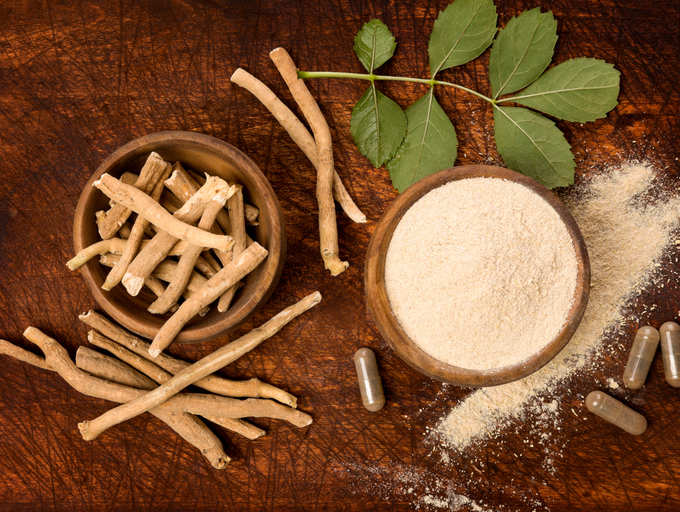
Ashwagandha is a powerful rejuvenating herb that is used to prepare medicines for treating different ailments in Ayurveda for centuries. The Ayurvedic herb is loaded with active compounds such as amino acids, peptides, lipids, and the bases of nucleic acids, which are mainly responsible for its immunity-boosting properties. Taking Ashwagandha regularly can help you cope up with the problems of stress, anxiety, depression and poor sleep.

​Brahmi

Just like Ashwagandha, Brahmi has also been used in Ayurvedic practises for treating anxiety and improving mental health conditions. This traditional ayurvedic herb can enhance immune function by increasing immunoglobulin production. Furthermore, these herbal medicines can also alleviate anxiety and stress. The powerful antioxidants present in it can be beneficial in treating other chronic conditions such as diabetes and cancer.

Basil seeds
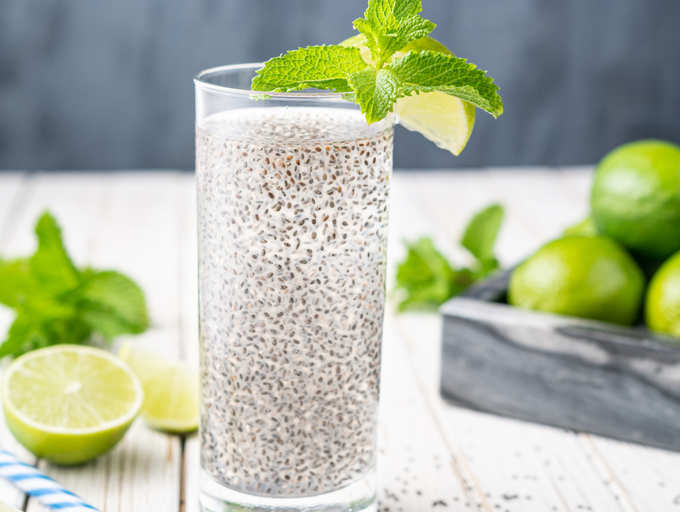
The tiny round and black sabja seeds can be easily added to any drink for a refreshing flavour. Basil seeds contain nutrients like omega-3 fatty acids, vitamin A, B, E and K, calcium, phosphorus, magnesium and iron. The tiny seeds contain flavonoids and phenolic which helps to boost immunity and prevents the damage caused by free radicals.

​Fennel seeds

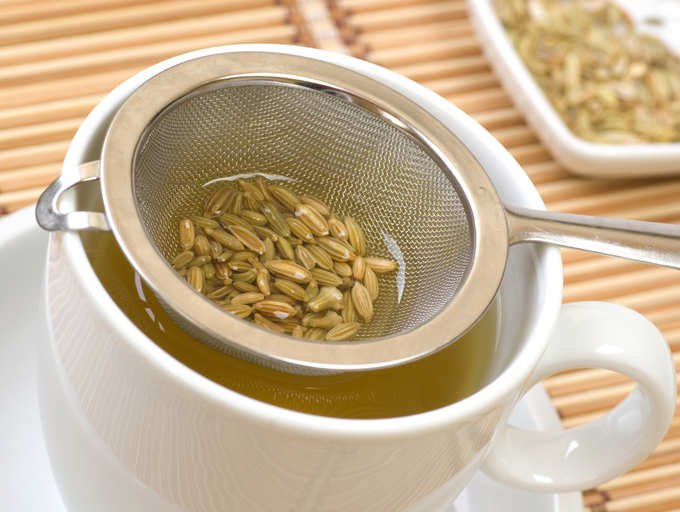
The aromatic fennel seeds contain trans-anethole, a compound that can neutralise several kinds of virus. Drinking fennel seeds water can help to boost immunity and decrease inflammation in the body. It can also decrease the risk of infection and clear the respiratory passage. Fennel seeds are rich in vitamin A, vitamin C and Beta Carotene, these components are known for their immunity-boosting properties.

Khus

Having the refreshing and tasty khus drink in summer is the best option to keep yourself hydrated and boost your immune health. Prepared from khus or vetiver grass, khus roots are a rich source of antioxidants that can boost immunity by fighting free radicals in the body. It is also loaded with zinc that can support our natural defence system and heal your wounds quickly.


Labels: , , , , , , , , , , , , ,

Saturday, January 25, 2020

Snore rrelieving Gel in a jar

The great thing is that this isn’t JUST helpful for snorers (and their spouses!)…it can also help clear stuffy, irritated nasal passages of any kind! So if your family tends to get colds frequently or has allergy issues, you’ll definitely want to whip up a couple of these jars.
Here’s how to make them…

Snore Relieving Gel in a Jar

Ingredients
  • 2 packets unflavoured gelatin
  • 1 Tbsp salt
  • 1 cup water, divided
  • 2 4 oz mason jars
  • Marjoram, peppermint, eucalyptus and lavender essential oils
  • Food coloring (optional)
Directions:
Heat 3/4 cup of water in a small pot or pan over medium-high heat. Add 1 Tbsp of salt, and stir until the salt dissolves completely.
Slowly add the contents of the 2 packets of gelatin to the water, and stir until dissolved.


Remove the mixture from heat and add the remaining 1/4 cup of water.
How To Make Snore Relieving Gel In A Jar
Pour the liquid carefully into your two 4oz mason jars, then add the essential oils. Add 5 drops each of marjoram, peppermint, eucalyptus and lavender essential oils, for a total of 20 drops in each jar. Add a drop or two of food coloring too, if you’d like (just to make it a bit more visually interesting.)
Place the jars into your fridge to cool and solidify, then cover with a lid.
To Use:
At bedtime, open the jar and hold it near your nose. Take a few deep breaths through your nose, then leave the jar open on your nightstand while you sleep.
Marjoram essential oil relieves tension and relaxes muscles, promoting restful sleep. Peppermint and eucalyptus essential oils are excellent at reducing inflammation in the nasal passages, which helps clear the airways and eliminate snoring. And finally, lavender essential oil is very relaxing, helping to carry you off to a restful, snore-less sleep. :-)
(As with all gelatin products, higher temperatures can cause this gel to liquify. If this happens, no worries! Just stick the jar back in the fridge until it has solidified again.)

This is only for your information, kindly take the advice of your doctor for medicines, exercises and so on.     
https://gscrochetdesigns.blogspot.com. one can see my crochet creations  
https://gseasyrecipes.blogspot.com. feel free to view for easy, simple and healthy recipes    
https://kneereplacement-stickclub.blogspot.com. for info on knee replacement
 

 source-onegoodthing.

Labels: , , , , , , , , , , , ,

Sunday, December 29, 2019

Proven Health Benefits of Horseradish

Horseradish is a potent root plant that gives a spicy kick to food and is packed with many health benefits. Horseradish has been used for centuries for its medicinal properties, and scientific research backs up many of these therapeutic uses. Horseradish root is good to help cure sinus infections, alleviate congestion, and prevent urinary tract infections.

Most of the goodness in horseradish is in the root which looks like a white carrot. You can grate some horseradish root to spice up salads, make your own horseradish sauce by mixing grated horseradish with some vinegar and add it to your roasted vegetables or meat.


There are also many health benefits to eating horseradish leaves: putting horseradish leaves in a salad or eating them can boost your health because they contain a lot of vitamins and minerals.

In this article, I will look at what science says about the benefits to your health of consuming horseradish. At the end of the article you can find recipes containing horseradish.


What is Horseradish?

Horseradish (Cochlearia Armoracia or Armoracia Rusticana) is a root vegetable that tastes very pungent and spicy.

Horseradish consists of the root part and green leaves that have white flowers. The most popular way of consuming horseradish is prepared horseradish that is preserved in vinegar.

Horseradish is so hot and spicy because enzymes combine together when the root is chopped or grated. Enzymes such as myrosinase, sinigrin, and gluconasturtiin combine to create a type of hot mustard oil that has a pungent aroma and taste. 


The journal Biofactors reports that horseradish belongs to the same family as wasabi (Wasabi japonica). Scientists have found that these are functional foods which are full of antioxidants that promote good human health.


Freshly grated or chopped horseradish doesn’t last a long time. If you want to use fresh horseradish for its health benefits, you should consume it immediately. You can also mix horseradish with some apple cider vinegar, water and some salt to taste and store in the fridge. This helps to make horseradish last longer.

Nutritional Value of Horseradish

Horseradish is an extremely nutritious root vegetable with spicy overtones. Adding freshly grated horseradish to your food will not only spice it up but also improve its nutritional content.
Research into the nutritional benefits of horseradish root has found that it is rich in vitamins, minerals, antioxidants, and isothiocyanates. These are enzymes that make horseradish root so hot and pungent. 


Horseradish contains minerals such as potassium, calcium, magnesium, sulfur, and copper.
There are also many vitamins in horseradish. One of the biggest benefits of eating fresh or prepared horseradish is that it contains high levels of vitamin C. The vitamin C content of horseradish can be up to 350 mg per 100 g of fresh horseradish root. 


However, horseradish leaves contain even higher levels of vitamin C. Scientists have found that the horseradish plant leaf contains a 4-fold higher content of vitamin C than the root.

According to the United States Department of Agriculture, one tablespoon of prepared horseradish contains 7 calories and 1.7 g of carbs. 


The root and leaves of horseradish contain a powerful antioxidant called ally isothiocyanate which is the hot component that develops when you grate horseradish. 


Can you use horseradish to help lose weight faster? Horseradish is naturally low in calories, and contains high amount of fiber. For example, a tablespoon (15 g) of horseradish contains 0.5 g of fiber which is 2% of your recommended daily fiber intake. 


Horseradish is good for killing off microbes and germs and relieving muscle spasms. 
Why Is Horseradish So Good for You? Proven Benefits of Horseradish
What are the many reasons why it’s good to consume more horseradish in your diet? Let’s look in more detail at the benefits of horseradish root.


Horseradish Helps to Treat Sinus Infections
Horseradish contains antibacterial compounds that can help treat the symptoms of sinusitis.

Sinus infections cause inflammation and swelling in your forehead, under your eyes, and in your nasal passage. Sinusitis can be the result of the cold, flu, or allergic reactions. 


In one cohort study involving over 850 children, a natural remedy containing horseradish root helped to get rid of sinusitis quicker. The herbal horseradish remedy prevented the use of antibiotics to clear up the sinus infection. The researchers found that treating sinus infections with horseradish had fewer symptoms than with antibiotics. 


Another great reason to use horseradish for a sinus infection is that it contains vitamin C and phenolic compounds. Many studies point to the fact that these antioxidants are necessary to strengthen your immune system to fight infections better. 

Because horseradish is so good for loosening mucus blocking your sinuses, you can also use horseradish for treating colds and flu.

Horseradish Extracts Can Help Cure Bronchitis

One of the horseradish root benefits is to get rid of congestion and clear respiratory infections.

Scientific research into the medicinal properties of horseradish has found that it has anti-inflammatory and antibacterial properties. Researchers have found that the horseradish enzyme sinigrin creates the compound ally isothiocyanate. This compound is anti-inflammatory and the reason why horseradish is so spicy hot. 


Researchers say that the health-boosting effect of horseradish means that it is good for treating bronchial infections.

For example, scientific research has found that horseradish root extract blocks COX enzymes. COX-2 enzymes are often the cause of inflammatory responses in the body like bronchitis. Horseradish extracts act like non-steroidal anti-inflammatory (NSAID) drugs that can help to treat the symptoms of respiratory infections.

Horseradish Root Has Antibacterial Properties and May Clear Up Urinary Tract Infections

Horseradish is very good for women and men because it benefits your urinary system.

Urinary tract infections occur when bacteria enter your urinary tract and cause symptoms like burning when you pee, smelly urine, and lower abdominal pain.

Scientists report that treating some urinary tract infections (UTIs) is becoming more challenging due to multidrug-resistant bacteria.

Research has shown that horseradish is good for treating UTIs. Lab trials have shown that horseradish extracts can help to destroy E. coli strains of bacteria and could be an alternative treatment for urinary tract infections. 


Other studies have confirmed that a combination of the herb nasturtium and horseradish help to treat recurring UTIs in humans.

Natural remedies containing horseradish powder may also help to prevent recurrent urinary tract infections in children. 


Horseradish Can Reduce Joint Inflammation and Treat Muscle Pain

The medicinal and anti-inflammatory properties of horseradish mean that horseradish extracts are good for getting rid of pain.

Research published in 2015 found that compounds and enzymes in horseradish extracts help to block reactive oxygen species. These are enzymes connected to inflammation in the body. At the same time horseradish also stimulated certain compounds that help to reduce inflammation. 


Other studies have pointed to the fact that horseradish extracts act in a similar way to pain relievers like ibuprofen or aspirin. 


Find out how you can use horseradish as a spicy accompaniment to other foods that help to reduce inflammation.


Horseradish Can Help with Treating Water Retention

Compounds in horseradish root can help to reduce the buildup of excess fluid or edema in your body.

The reason that horseradish is good for treating water retention issues is due to the compound sinigrin. Researchers say that sinigrin is a sulfur-containing species that is abundant in horseradish and wasabi. 


Studies into sulfur-containing glucosinolates such as sinigrin have found that they can alleviate water retention (edema) due to consuming too much salt. 


Horseradish Acts as a Diuretic
Horseradish could be good to take if a buildup of fluid in your body leads to high blood pressure.

Diuretics help to pass more salt and urine from your body to help reduce edema. According to research, horseradish acts as a natural diuretic. Therefore, consuming more horseradish may help to prevent water retention and lower blood pressure.


Horseradish Has Anticancer Properties

Many functional foods such as horseradish that contain sulfur compounds and antioxidants have therapeutic properties that are useful in treating cancer.

The Journal of Agricultural and Food Chemistry reported that horseradish root extracts are COX inhibitors that inhibit the spread of tumor cells. Researchers have found that compounds in horseradish help to protect against colon cancer, lung cancer, and stomach cancer. 


Other studies have found that allyl isothiocyanate in horseradish has antioxidant and anticancer activity. These chemo-preventative compound can help to inhibit bladder cancer cell growth. 


Of course, more research needs to be carried out to see how functional foods such as horseradish can help to prevent, treat, and cure cancer.

Benefits of Horseradish Leaves

Many people overlook the health benefits of consuming horseradish leaves. However, adding horseradish leaves to your meals can help to boost your immune system.

Horseradish leaf has a strong, peppery taste that can really add some spice to a delicious fresh vegetable salad if used in small amounts.

One of the reasons to consume horseradish leaves is that there is also a lot of vitamin C in the leaf.

Research has shown that young horseradish leaves have the highest vitamin C content. The vitamin C content of horseradish leaf is around 350 mg for every 100 g of fresh leaf. Leaves from the horseradish plant have 4 times the amount of vitamin C than the root. 


Side Effects of Horseradish

Most people can safely consume horseradish as an accompaniment to their meal.

Doctors say that taking larger doses of horseradish is usually tolerable by most people. However, the spicy mustard oil in horseradish can cause digestive upset and irritation in the mouth and throat. 


If you have underlying digestive problems like inflammatory bowel disease or peptic ulcers, you should avoid horseradish as it may irritate your gastrointestinal tract.

Also, pregnant women or people with kidney problems should stay away from horseradish, horseradish extracts, or horseradish oil. This is because large doses of horseradish can cause miscarriage and make kidney problems worse.


Recommended Daily Intake of Horseradish

The German Commission E monograph (Therapeutic Guide to Herbal Medicines) suggests an average daily intake of 1/2–1 teaspoon (3–5 grams) of the freshly grated horseradish three times per day. If used in amounts higher than recommended, horseradish can cause stomach upset, vomiting, or excessive sweating. 

Horseradish Recipes to clear your nose and chest

There are several ways to use horseradish, but my preference is to eat it raw and fresh: grate it and mix it with other healing ingredients, such as apple cider vinegar or honey.

It is important to consume horseradish fresh or it will lose its potency. Also, it’s best to use it raw, as cooking destroys some of its beneficial substances and takes away its signature refreshingly spicy taste.

To get a better idea about how to use horseradish, have a look at the recipes below. Also, we might sometimes be eating horseradish without even being aware. Did you know that ‘wasabi’ served in many sushi restaurants is in fact dyed horseradish? They taste similar and they both give you that famous kick, but horseradish is much easier to find compared to the scarce wasabi, so it’s often served to the unaware costumers.


Horseradish sinus plumber

    8 – 12 inch long piece of horseradish root
    2  Tbsp water
    1 Tbsp Apple Cider Vinegar (ACV has many health benefits)
    Pinch salt

Use a vegetable peeler to peel the surface skin off of the tuber and chop into small pieces.
Put into the food processor, add the water, the vinegar and the salt.
Process until well ground.

At the point you have to be extremely careful as the ground up fresh horseradish is many times as potent as chopped onions and it can seriously hurt your eyes if you get too close. Always keep an arm length away and work in a well ventilated area.

Store in a glass jar and eat 1/2–1 teaspoon (3–5 grams) three times per day. This is a seriously strong concoction which I’ve used myself and found it extremely effective. If you haven’t eaten horseradish before start with very small amounts as this is extremely strong and potent concoction.

It will keep 4-5 weeks in the refrigerator.


Horseradish guacamole
Ingredients:

    2 medium avocados
    4 tablespoons fresh grated horseradish
    1 medium lime
    Salt and pepper to taste

Mash the avocado. Add grated horseradish (peel before grating), lime juice and salt and pepper. Mash-up well, chill and serve as a dip. You can also add Greek yogurt to make it richer.


Horseradish tea

Ingredients (for 3 servings):

    10 grams fresh horseradish
    5 grams fresh ginger
    200 ml boiling water

Use horseradish and ginger to prepare this simple tea. Put them in a tea sieve or in a cup and pour the boiling water over. Let it sit for at least 20 minutes. Drink it three times a day, heated to a temperature of about 40 degrees Celsius.


Horseradish super concoction

Ingredients:

    1 large horseradish root (6 inches)
    1 lemon
    1 tablespoon honey (preferably raw, organic).

Grate fresh horseradish. Mix with lemon juice and honey and put into a jar. Seal the jar with an airtight lid and leave for 24 hours. Take 1 tablespoon of this powerful mixture 3 to 4 times per day. Don’t dilute with water. If it burns your throat and sinuses, this is a good indication that it’s working.


this is only for your information, kindly take the advice of your doctor for medicines, exercises and so on.     
https://gscrochetdesigns.blogspot.com. one can see my crochet creations  
https://gseasyrecipes.blogspot.com. feel free to view for easy, simple and healthy recipes    
https://kneereplacement-stickclub.blogspot.com. for info on knee replacement


Labels: , , , , , , , , , , , , ,

Saturday, August 17, 2019

Genes linked to Alzheimer's risk, resilience identified

An international team of researchers has identified a pair of genes that influence risk for both late-onset and early-onset Alzheimer's disease.

In the study, the researchers measured soluble TREM2 levels in the cerebrospinal fluid of 813 older adults, most of whom were aged 55 to 90. Of those subjects, 172 had Alzheimer's disease, 169 were cognitively normal, and another 183 had early mild cognitive impairment.

TREM2 is a protein that is believed to help microglia cells clear excessive amounts of the Alzheimer's proteins amyloid and tau from the brain.

The researchers also analyzed the participants' DNA, conducting genomewide association studies to look for regions of the genome that may influence TREM2 levels in the cerebrospinal fluid.

Common variants in the MS4A4A gene had been associated with risk for Alzheimer's, and the study also connects those genes.

"We observed TREM2 risk variants more often in people who had Alzheimer's or were mildly cognitively impaired, compared with those who were cognitively normal," said co-senior investigator. "It turns out that about 30 percent of the population in the study had variations in the MS4A4A gene that appear to affect their risk for developing Alzheimer's disease. Some variants protected people from Alzheimer's or made them more resilient while others increased their risk."

Digging further, the researchers found that variants in the MS4A4A gene cluster linked to an increase in risk for developing Alzheimer's disease are associated with lower levels of soluble TREM2 protein. The other variant, associated with higher levels of TREM2 in the cerebrospinal fluid, seemed to protect against Alzheimer's.

They validated the results in DNA from another 580 older adults. Once again, they found that higher soluble TREM2 levels in the cerebrospinal fluid seemed protective, while lower levels increased risk. And those protein levels, whether high or low, were linked to variants in the MS4A4A gene.

"For the past several years, we've been looking at TREM2 and increasing our focus on the involvement of the brain's immune cells in Alzheimer's disease," said  an assistant professor of psychiatry. "These findings give us a new therapeutic strategy to pursue, one focusing not only on neurons but on how the microglia may be involved in helping to clear damaging proteins, such as beta amyloid and tau, that are linked to Alzheimer's disease."

Those gene variants also may play a role in other diseases of the central nervous system, according to Laura Piccio, an associate professor of neurology and another co-senior author.

"By combining large genetic and spinal fluid analyses with laboratory work, we have provided strong evidence of a biological link between TREM2 and proteins in the MS4A gene cluster, both of which previously had been associated with Alzheimer's disease," the Prof. said. "We are beginning to elucidate a molecular pathway in microglia that could be critical not only in Alzheimer's disease but also in other neurodegenerative and inflammatory diseases in the central nervous system."

The results could provide researchers with new targets and a strategy for delaying the onset of Alzheimer's symptoms.

THIS IS ONLY FOR INFORMATION, ALWAYS CONSULT YOU PHYSICIAN BEFORE HAVING ANY PARTICULAR FOOD/ MEDICATION/EXERCISE/OTHER REMEDIES.                                    PS- THOSE INTERESTED IN RECIPES ARE FREE TO  VIEW MY BLOG-                                                                                           https://gseasyrecipes.blogspot.com/                                                                                                                                                FOR INFO ABOUT KNEE REPLACEMENT, YOU CAN VIEW MY BLOG-                                                                       https:// kneereplacement-stickclub.blogspot.com/                                                                                                                     FOR CROCHET DESIGNS                                                                                                   
                                https://gscrochetdesigns.blogspot.com

Labels: , , , , , , , , , , , , ,