Wednesday, February 17, 2021

5 Science-Backed 'Excuses' to Cuddle Your Kids and Grandkids More

Have you ever noticed how a hug from a loved one can melt away the troubles of a hard day? If so, we’re here to tell you that this healing power of hugs isn’t just in your imagination. A loving embrace from a close friend or family member has the potential to relieve stress and it comes with a range of real health benefits.
 
And while we can all experience these benefits, research also shows that there’s one group of people that require cuddles even more than the rest of us - the little ones. All kids - be it the sweet infants, the adorable toddlers, the busy school kids, or the feisty teenagers - need daily hugs and cuddles from their parents, grandparents, and close family members. And when we write “need”, we’re hardly exaggerating: scientists found that hugging plays an important role in a child’s brain development, offers stress relief, and may even change a baby’s genes. 
 
Read on to learn more about these science-backed benefits of giving the little ones a big bear hug. 
 
1. The importance of hugs for a baby’s brain development
A simple hug can play a huge role in a baby’s future. Researchers have known this for a while, and this is precisely why so many hospitals encourage mothers to hug and have skin-to-skin contact with their kids as soon as they are born. This practice is known under the term ‘kangaroo care’, and it’s usually said to promote bonding and early breastfeeding in infants. 
 
But this practice is actually even more important than that, as it seems that skin-to-skin contact can directly influence a baby’s brain. One neurological study found, for example, that gentle touch stimulated the brain activity of preterm babies and predicted their receptiveness to affection in the future. 
 
As Emily Mudd, a researcher at Cleveland Clinic, pointed out, “We know that even from the moment we’re born, that touch, physical touch, attention, and hugs, are so very important for both nervous system regulation, and brain development.” As the baby develops, the need for hugs and touch doesn’t go away, and research shows that kids that grew up with affection and hugs are usually more resilient to stress and even get better grades as students. 
 
2. Hugs and affection help the little ones cope with their fears
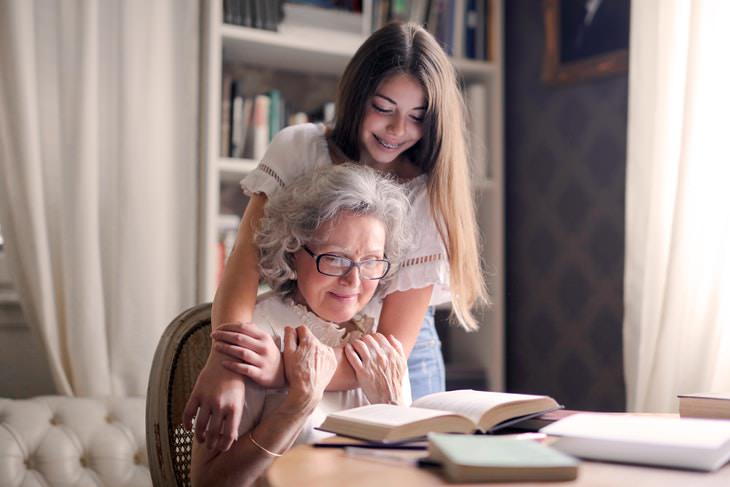
Why Kids Need Hugs grandma and granddaughter hugging
In every child’s life, there comes a time when they start talking about monsters hiding under the bed or some other imaginary creature that keeps them awake at night. Usually, this is a child’s way to conceptualize existential angst, which are the fears that stem from thinking about human existence. We all have these fears, but how much we give in to them often determines how confident or resilient to stress we grow up to be. 
 
Studies point out that physical touch helps us forget about these existential fears, which is probably why kids that get plenty of affection tend to be more resistant to stress. With all that said, we’d like to add that you shouldn’t force a child into a hug. Some kids are simply drawn to hugs and physical connection more than others, and that’s okay. 
 
If your kiddo doesn’t like to be hugged and cuddled, psychologists recommend verbal reinforcement. As cheesy as it may sound, the occasional “I love you” goes a long way.

3. Hugs are super calming (even for infants)
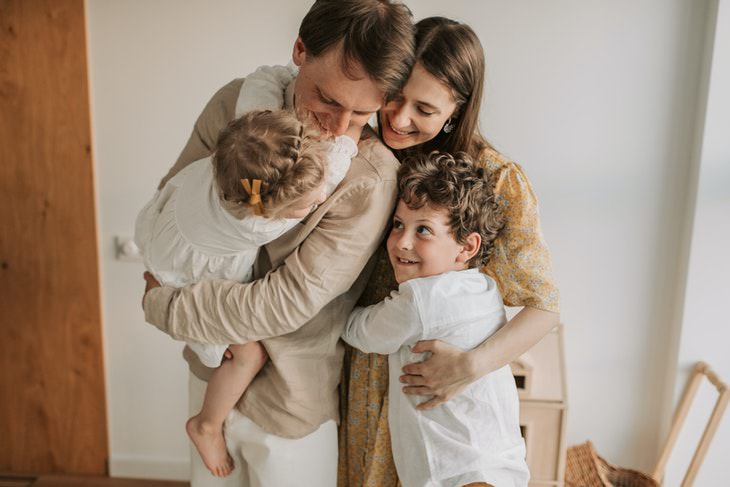
Why Kids Need Hugs family hugOne could argue that hugs only have a psychological effect. After all, a child usually knows that their parent or grandparent loves them, and a hug serves as a reminder of that affection and support. However, exciting research in infants from 2020 suggests that a hug goes much deeper and actually has a physical calming effect. 
 
The Japanese study measured small kids' heart rates when they were held or hugged by their parents and by strangers. As young as four months, infants exhibited immediate physiological changes: their heart rate slowed down slightly when they were held by strangers and then even more when their parents held them. 
 
This suggests an immediate calming effect of cuddles even in tiny infants. So, the next time you see that the kiddo is upset or stressed, give them a big hug; chances are that it’s exactly what they need. Related Article: The Science Behind Hugging's Health Benefits 
 
4. Hugs boost oxytocin levels in the body
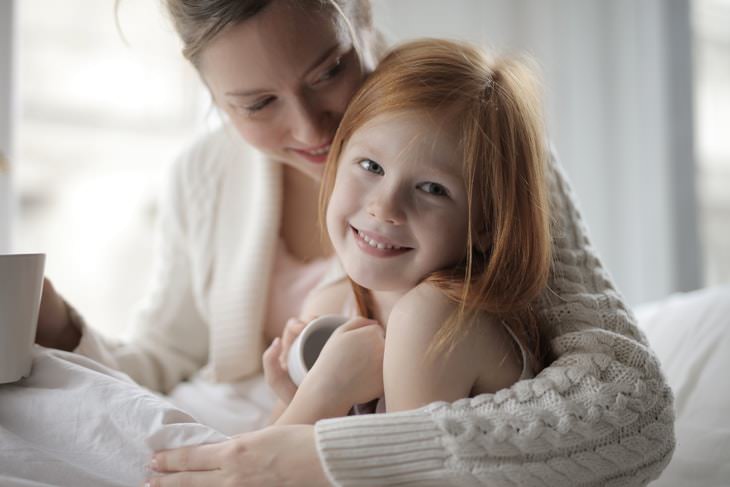
Why Kids Need Hugs mom and daughter hugging
You’ve likely heard about the hormone oxytocin. It’s also known as the love hormone because it makes us feel calm and loved. Apart from that, this hormone lowers blood pressure, reduces anxiety, promotes better sleep, and may even improve memory. 
 
Contrary to popular belief, though, oxytocin isn’t just linked to romantic love. Oxytocin is also tightly connected with parenthood. Researchers know, for example, that mothers have especially high levels of oxytocin during childbirth and breastfeeding. They also established that physical contact, including hugs, kisses, and cuddles, triggers a rush of oxytocin. Best of all, these benefits go both ways - both you and the little ones will feel calmer and better! 
 
5. Cuddles may be able to influence one’s genes
Scientists have known for a while now that our genes are not entirely set in stone. The environment can make our body turn on and off some genes, especially during the first months and years of our lives. These changes are governed by our epigenome, which can tweak our DNA to varying degrees. Although this is a pretty new field of research, there’s one intriguing study suggesting that cuddling infants can change their epigenome. 
 
The researchers selected 100 babies who got different degrees of hugs and cuddles after birth and established that those who received more snuggles exhibited detectable changes in their DNA more than 4 years later. The researchers also detected that the kids who were hugged and cuddled less had a shorter estimated “epigenetic age”, which can sometimes predict that one will have poorer health. 
 
The takeaway message is - don’t hesitate to hug and cuddle up with your kids and grandkids as much as you can, as it turns out that it’s especially good for them.

This is only for your information, kindly take the advice of your doctor for medicines, exercises and so on.     

https://gscrochetdesigns.blogspot.com. one can see my crochet creations  
https://gseasyrecipes.blogspot.com. feel free to view for easy, simple and healthy recipes    
https://kneereplacement-stickclub.blogspot.com. for info on knee replacement

Labels: , , , , , , , , , ,

Saturday, August 17, 2019

Genes linked to Alzheimer's risk, resilience identified

An international team of researchers has identified a pair of genes that influence risk for both late-onset and early-onset Alzheimer's disease.

In the study, the researchers measured soluble TREM2 levels in the cerebrospinal fluid of 813 older adults, most of whom were aged 55 to 90. Of those subjects, 172 had Alzheimer's disease, 169 were cognitively normal, and another 183 had early mild cognitive impairment.

TREM2 is a protein that is believed to help microglia cells clear excessive amounts of the Alzheimer's proteins amyloid and tau from the brain.

The researchers also analyzed the participants' DNA, conducting genomewide association studies to look for regions of the genome that may influence TREM2 levels in the cerebrospinal fluid.

Common variants in the MS4A4A gene had been associated with risk for Alzheimer's, and the study also connects those genes.

"We observed TREM2 risk variants more often in people who had Alzheimer's or were mildly cognitively impaired, compared with those who were cognitively normal," said co-senior investigator. "It turns out that about 30 percent of the population in the study had variations in the MS4A4A gene that appear to affect their risk for developing Alzheimer's disease. Some variants protected people from Alzheimer's or made them more resilient while others increased their risk."

Digging further, the researchers found that variants in the MS4A4A gene cluster linked to an increase in risk for developing Alzheimer's disease are associated with lower levels of soluble TREM2 protein. The other variant, associated with higher levels of TREM2 in the cerebrospinal fluid, seemed to protect against Alzheimer's.

They validated the results in DNA from another 580 older adults. Once again, they found that higher soluble TREM2 levels in the cerebrospinal fluid seemed protective, while lower levels increased risk. And those protein levels, whether high or low, were linked to variants in the MS4A4A gene.

"For the past several years, we've been looking at TREM2 and increasing our focus on the involvement of the brain's immune cells in Alzheimer's disease," said  an assistant professor of psychiatry. "These findings give us a new therapeutic strategy to pursue, one focusing not only on neurons but on how the microglia may be involved in helping to clear damaging proteins, such as beta amyloid and tau, that are linked to Alzheimer's disease."

Those gene variants also may play a role in other diseases of the central nervous system, according to Laura Piccio, an associate professor of neurology and another co-senior author.

"By combining large genetic and spinal fluid analyses with laboratory work, we have provided strong evidence of a biological link between TREM2 and proteins in the MS4A gene cluster, both of which previously had been associated with Alzheimer's disease," the Prof. said. "We are beginning to elucidate a molecular pathway in microglia that could be critical not only in Alzheimer's disease but also in other neurodegenerative and inflammatory diseases in the central nervous system."

The results could provide researchers with new targets and a strategy for delaying the onset of Alzheimer's symptoms.

THIS IS ONLY FOR INFORMATION, ALWAYS CONSULT YOU PHYSICIAN BEFORE HAVING ANY PARTICULAR FOOD/ MEDICATION/EXERCISE/OTHER REMEDIES.                                    PS- THOSE INTERESTED IN RECIPES ARE FREE TO  VIEW MY BLOG-                                                                                           https://gseasyrecipes.blogspot.com/                                                                                                                                                FOR INFO ABOUT KNEE REPLACEMENT, YOU CAN VIEW MY BLOG-                                                                       https:// kneereplacement-stickclub.blogspot.com/                                                                                                                     FOR CROCHET DESIGNS                                                                                                   
                                https://gscrochetdesigns.blogspot.com

Labels: , , , , , , , , , , , , ,

Saturday, May 25, 2019

Depression may spread through social network


Depression and other mental health problems can spread through social networks, up to "three degrees of separation" —or a friend of a friend of a friend, scientists warn.

In a hyperconnected world, traditional social networks —face-to-face contacts of daily life—are unravelling with the loss of social supports, said researchers.

This is associated with increasing 'deaths of despair' related to alcohol, opiate overdose and suicide becoming more prevalent than ever, according to an article.


"Despair and distress can spread through social networks," said a Prof.

"The major implication is that instead of only resorting to medication, or individual psychological treatment, clinicians should also look to immediate social networks and wider social context including the influences of friends and family and well-being at work," the Prof. said.

The emotional experiences of this clustered social network of up to 150 people—the traditional size of a village in the past—means 'friends of friends of friends' can have a negative or positive effect on us, he said.

Clinicians may need to look beyond an individual's psychology and look at the individual's wider social network and the negative or positive impacts it has, according to researchers.

Doctors should consider 'social prescribing'—where patients who present with depression are helped to engage with positive activities within their networks, they said. 

THIS IS ONLY FOR INFORMATION, ALWAYS CONSULT YOU PHYSICIAN BEFORE HAVING ANY PARTICULAR FOOD/ MEDICATION/EXERCISE/OTHER REMEDIES.                                    PS- THOSE INTERESTED IN RECIPES ARE FREE TO  VIEW MY BLOG-                                                                                           https://gseasyrecipes.blogspot.com/    

                                                                                                                                                     FOR INFO ABOUT KNEE REPLACEMENT, YOU CAN VIEW MY BLOG-                                                  https:// kneereplacement-stickclub.blogspot.com/  

                            FOR CROCHET DESIGNS                                                                                                                                                                                                  https://gscrochetdesigns.blogspot.com

Labels: , , , , , , , ,

Friday, February 22, 2019

Your diabetes could be a reason of backache, neck pain

People with diabetes are more likely to suffer from low backache or neck pain as compared to a healthy person, say researchers. The study showed that diabetes, which affects an estimated 382 million people worldwide, contributes to a 35 per cent higher risk of low back pain and 24 per cent risk of neck pain. However, the reason behind the pain is not fully established, the researchers said. 

"Diabetes and low back pain and neck pain seem to be somehow connected. We can't say how but these findings suggest further research into the link is warranted," said a researcher.

The team conducted a meta-analysis and included eight studies. The study, found that common diabetes medication could also influence pain, possibly via its effect on blood glucose levels. 

It also recommended health care professionals to consider screening for unknown diabetes in patients seeking care for neck pain or low back pain. "Neck and back pain and diabetes are afflicting more and more people," noted co-author of the study.

"It may be that altering treatment interventions for diabetes could reduce the incidence of back pain, and vice versa," he added.

The analysis also showed that Type 2 diabetes and low backache are linked to obesity and lack of physical activity."Our analysis adds to the evidence that weight control and physical activity play fundamental roles in health maintenance," the researchers noted.

THIS IS ONLY FOR INFORMATION, ALWAYS CONSULT YOU PHYSICIAN BEFORE HAVING ANY PARTICULAR FOOD/ MEDICATION/EXERCISE/OTHER REMEDIES.                                    PS- THOSE INTERESTED IN RECIPES ARE FREE TO  VIEW MY BLOG-                                                                                           https://gseasyrecipes.blogspot.com/                                                                                                                                                         FOR INFO ABOUT KNEE REPLACEMENT, YOU CAN VIEW MY BLOG-                                                  https:// kneereplacement-stickclub.blogspot.com/           

                                                                           FOR CROCHET DESIGNS                                                                                                                                                                                                  https://gscrochetdesigns.blogspot.com


Labels: , , , , , , , , , , , ,

Wednesday, January 23, 2019

Body size may influence women's lifespan more than men's

A new study has claimed that body size -- height and weight -- of women influence their lifespan far more that it does that of men.  The findings indicate that while physical activity is linked to longevity in both sexes, the more time men spend being physically active add to their chances of reaching old age, while 60 minutes a day was associated with the best chance for women for longevity.

The study also finds that while average life expectancy has risen over the past few decades, it has recently started to plateau in some developed nations, with increasing levels of obesity and physical inactivity thought to be behind the trend.

While previous research has looked at the associations between weight (BMI), physical activity, and reaching old age, most combined both sexes or focused only on men. However, women and men's lifespan differ, which may be influenced by factors like hormones, genes and or lifestyle. To explore these differences further, the researchers analysed data from the Netherlands Cohort Study (NLCS), which included more than 1,20,000 men and women aged between 55 and 69 when it began in 1986.

The researchers wanted to see if there were any links between height, weight, leisure time physical activity and the likelihood of reaching the age of 90. They also wanted to see if there were any differences between men and women.

The study saw 3,646 men and 4,161 women between the ages of 68 and 70 providing detailed information in 1986 regarding their current weight and height when they were 20, and their leisure time physical activity.

The activities included gardening, dog walking, DIY (home improvements), walking or cycling to work, and recreational sports, which were grouped into categories of daily quotas: less than 30 minutes; 30 to 60 minutes, and 90 minutes or more.

Participants were then monitored until death or the age of 90, whichever came first. Researchers considered potentially influential factors, such as whether the participants were current or former smokers, their drinking capacity, educational qualifications and energy intake.

Some 433 men (16.7 per cent) and 944 women (34.4 per cent) survived to the age of 90. The study found that women who were still alive by the age of 90 were, on average taller, had weighed less at the start of the study, and had put on less weight since the age of 20 than those who were shorter and heavier.

The study also found that women, who were more than 5 feet 9 inches tall, were 31 per cent more likely to reach than women who were less than 5 feet 3 inches in height. However, no such associations were seen among the men.

When it came to physical activity, men who were active for over 90 minutes a day were 39 per cent more likely to reach 90 than those who did less than 30 minutes and every extra 30 minutes of daily physical activity they were involved in was associated with a 5 per cent increase in their chances of turning 90.

However, the study found that this was not the case for women. Those who were active for more than 30-60 minutes a day were 21 per cent more likely to reach 90 than those managing 30 minutes or less.

Notably, there seemed to be an optimal threshold for women, with 60 minutes of activity being associated with the best chance of their celebrating a 90th birthday.

The study researchers, however, said that it is an observational study and therefore can't establish cause. Furthermore, body size and physical activity were volunteered rather than objectively measured, which might have affected the results.

The researchers point out that the findings are based on a large number of people of similar age, which strengthens the results. They add that their study is one of only a few to differentiate lifestyle factors potentially associated with long life between men and women. 

THIS IS ONLY FOR INFORMATION, ALWAYS CONSULT YOU PHYSICIAN BEFORE HAVING ANY PARTICULAR FOOD/ MEDICATION/EXERCISE/OTHER REMEDIES.                                    PS- THOSE INTERESTED IN RECIPES ARE FREE TO  VIEW MY BLOG-                                                                                           https://gseasyrecipes.blogspot.com/       
                                                                                                                                                                      FOR INFO ABOUT KNEE REPLACEMENT, YOU CAN VIEW MY BLOG-                                                  https:// kneereplacement-stickclub.blogspot.com/           
                                                                           FOR CROCHET DESIGNS                                                                                                                                                                                                  https://gscrochetdesigns.blogspot.com     

Labels: , , , , , , ,