Saturday, July 05, 2014

Home Remedies for Treating Varicose Veins

According to a number of studies, about 25 percent of all women and 10 percent of men are affected by varicose veins. Varicose veins are dilated and 'puffed up' veins that are usually in the legs that can be painful and have an unpleasant appearance. But don't stop reading here, because there are a number of at-home remedies for treating varicose veins that could help you or someone you know with the condition avoid expensive and painful surgical procedures.
Varicose veins are usually genetic, so if someone in your family has had them, there is a greater chance that you will too. They are caused when the valves in the veins that push blood throughout your circulatory system weaken and become 'flappy', causing fluid to accumulate in the veins. The common signs for the development of varicose veins are tenderness around the area of an enlarged vein, swelling of the legs, a tightening or itching sensation in the legs and a feeling of heaviness in the legs.
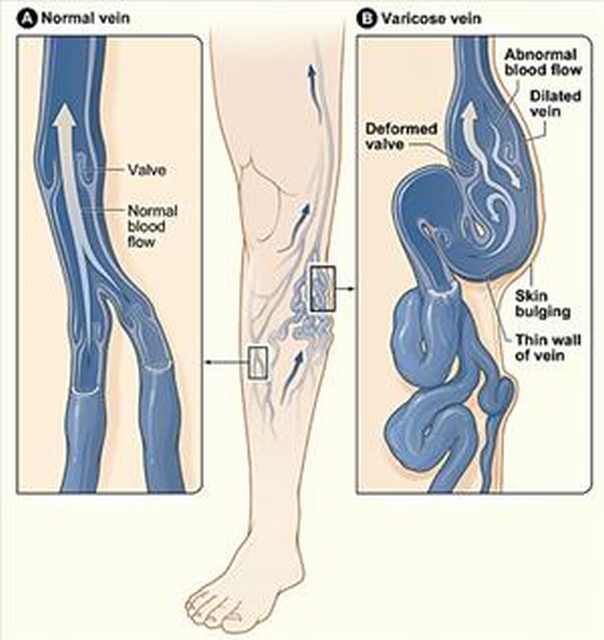
varicose veins
Although varicose veins are usually benign, meaning that they do not put your health at risk, their puffed up appearance is startling or discomforting for some, and therefore many doctors recommend cosmetic surgery to remove them. Yet these surgeries can be expensive and keep you off your feet, so it's best to try out some of these simple and completely natural remedies first.
1. Keep Your Feet Up
Just like on any long flight or an extended period sitting down, the blood rushes to your legs and causes them to feel heavy. The feeling with varicose veins is similar, and those that have the condition may experience swelling if they spend the day seated or on their feet. To remedy this uncomfortable feeling, it is best to recline with your legs elevated for anywhere up to an hour. This allows the blood to flow away from the legs and ankles and back towards the heart to decrease swelling and the feeling of heaviness.
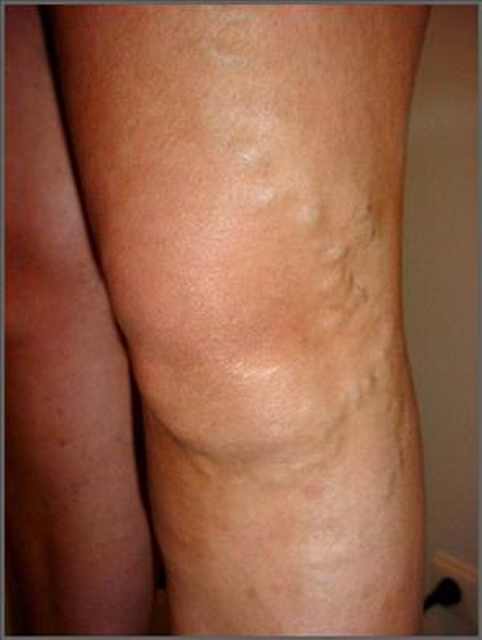
varicose veins
2. Ice Your Veins
Applying ice or a cold pack to your varicose veins can help minimize their appearance and reduce the swelling around the vein. This is because the application of cold restricts the blood-flow to the area of application, making the appearance of the swollen veins less apparent. It is also recommended to take a cold or lukewarm bath every so often to keep your blood-flow healthy and your veins and vessels working hard.
 
3. Exercise
Regularly performing cardiovascular exercise, either running, walking at a fast-pace, biking or swimming, keeps your blood flowing as it should and prevents the pooling of liquids in your veins. It is recommended to perform at least 15 minutes of cardiovascular exercise everyday (with approval from your doctor), and not just to stay fit. It has been shown that regular exercise can reduce the severity and appearance of varicose veins.
4. Flex Your Feet
Even if you aren't able to get in a full cardiovascular workout, doing a few leg raises or ankle circles will help keep your varicose veins in check. When you contract the muscles in your feet, the blood is forced upward out of your legs and towards the heart. By pointing and flexing your feet a few times, circling your ankles, or doing heel slips where you slide your heels back and forth can keep your circulation in check and blood out of your varicose veins.
5. Try A Compression Stockingcompression
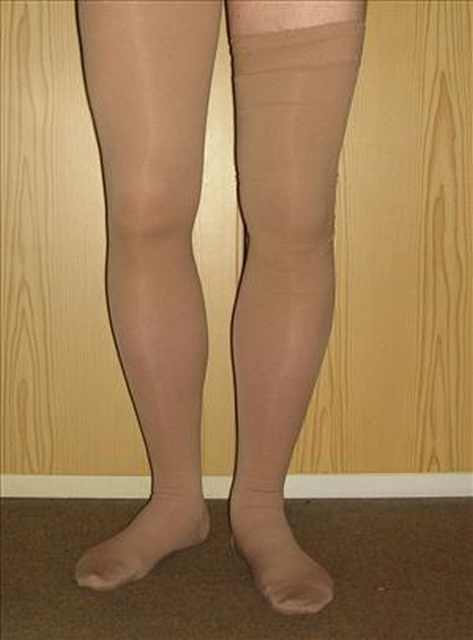
There are special compression socks and stockings that can be purchased at most pharmacies that will help improve circulation in your legs. As explained above, when pressure is applied to the lower legs, the blood is pushed up towards the heart and wont pool in your veins. You can get weaker compression stockings, 20mm Hg, or stronger ones at 60 mm Hg (the stronger versions usually require a prescription from a doctor). They come in a variety of colors and shapes for different parts of the leg and are usually comfortable enough (in the weak and mild versions) for everyday use.
 
If you or someone you know has varicose veins, you should consult your doctor to determine if you have a higher chance to experience clotting. These natural remedies will help mediate many of the effects of varicose veins, but there is no guarantee that they will completely disappear. There is no harm in trying!


Labels: , , , , , , , ,

Friday, July 04, 2014

5 easy tips to cure nasal congestion

Monsoon season is here and it also brings the various allergies with it which may cause nasal congestion or stuffy nose. Also, this season raises the humidity levels which may again aggravate nasal congestion and lead to uneasy blockage of the nasal passage.
 
Here are some easy tips to cure a stuffy nose:

Sipping hot liquids like ginger tea, peppermint tea or soups can help get rid of throat and nose congestion as it loosens mucous membranes, thereby providing relief.

-One can even try for aromatherapy or take a hot steam bath.

-One can also try using a humidifier as it provides a moist atmosphere which can help soothe nasal blockage.

-Saline nasal sprays also helps increase the moisture in your nose thereby thinning the mucus and soothing nasal inflammation.

-While sleeping, try elevating your head by using 2-3 pillows. It will provide some much needed relief.


Labels: , , , , , , , , ,

Sunday, February 23, 2014

Carbohydrates rich diet could up dementia risk

Researchers have linked carbohydrate calorie-rich diets to a greater risk for brain shrinkage, dementia and Alzheimer's disease, impaired cognition, and other disorders.
Dr. David Perlmutter, a board-certified neurologist and fellow of the American College of Nutrition, has just been appointed Editor-in-Chief of a new peer-reviewed journal, Brain and Gut, which will debut in summer 2014. The journal will publish leading-edge research dedicated to exploring a whole systems approach to health and disease from the intimate relationship between the brain and the digestive systems.
Dr. Perlmutter said that they live with this notion that a calorie is a calorie, but at least in terms of brain health, and he believes for the rest of the body as well, there are very big differences between our sources of calories in terms of the impact on their health.
He said that carbohydrate calories, which elevate blood glucose, are dramatically more detrimental to human physiology, and specifically to human health, than are calories derived from healthful sources of fat.

ps- this is only for information, always consult you physician before having any particular food/ medication/exercise/other remedies.
ps- those interested in recipes are free to view my blog-
http://gseasyrecipes.blogspot.com/
for info about knee replacement, you can view my blog-
http://Knee replacement-stick club.blogspot.com/

for crochet designs


http://My Crochet Creations.blogspot.com

Labels: , , , , , , , , , ,

Saturday, January 11, 2014

Risks of suppressed anger

A study revealed that people who repressed their anger had elevated levels of cortisol, the stress hormone. They were 31 % more likely to have a heart attack, cancer or high blood pressure. Holding in anger can have dire long term consequences.

ps- this is only for information, always consult you physician before having any particular food/ medication/exercise/other remedies.
ps- those interested in recipes are free to view my blog-

http://gseasyrecipes.blogspot.com/


for info about knee replacement, you can view my blog-


http://Knee replacement-stick club.blogspot.com/


for crochet designs


http://My Crochet Creations.blogspot.com

Labels: , , , , , , ,

Friday, September 20, 2013

Causes, diagnosis, treatment for Ankle Swelling

Swelling of the lower leg and ankle is a common problem. Determining the cause of ankle swelling is the first step to finding effective treatment. Once the cause of the ankle swelling is determined, effective treatment can be initiated.
Answer: Ankle swelling causes the accumulation of fluid within the ankle joint or in the soft tissues surrounding the ankle.
Common causes of ankle swelling include:
  • Traumatic Injury
    A traumatic injury, such as an ankle sprain or abroken ankle, is the most common cause of ankle swelling. Patients almost always remember the particular injury, but occasionally even subtle injuries can also lead to ankle swelling. Also, stress fracturescan occur around the ankle joint leading to swelling.
  • Gout
    Gout is due to the accumulation of uric acid crystals within the fluid of your ankle. Uric acid is a substance produced as part of digestion. In order to properly digest food and rid our body of waste, our bodies produce substances such as uric acid to transport waste material. People with gout abnormally accumulate uric acid crystals within joints, leading to inflammation and swelling.
  • Ankle Arthritis
    Ankle arthritis is much less common than degenerative changes in other joints. However, ankle arthritis can occur and can be quite painful. Ankle arthritis is most common in patients with rheumatoid arthritis or in patients with a previous injury to the ankle joint.
    Surgical treatments for ankle arthritis depends on the severity of the condition. In mild cases of arthritis, such as anterior impingement, a less-invasive ankle arthroscopy may be helpful in removing bone spurs. As arthritis progresses, the options are usually limited to either ankle fusion or ankle replacement surgery.
  • Infection
    Infection is an unusual cause of ankle swelling. Infections can either occur in the soft tissues around the ankle joint (cellulitis) or in the joint itself (septic joint). Infections can often be treated with medications alone, but may also require surgery.
  • Vascular Obstruction
    Numerous problems with blood flow can impair normal circulation and lead to swelling around the ankles. The most common cause of vascular obstruction is a blood clot, also known as a DVT. This type of vascular problem usually occurs in one leg (not both), and leads to swelling of the soft-tissues throughout the foot and ankle. The swelling can also extend further up the leg.
  • Peripheral Edema
    Peripheral edema is also a circulation problem, but is seen in both legs, not just one. Lower extremity edema can be due to aging of the veins leading to chronic swelling, as well as other conditions that can place pressure on the leg veins. These conditions include pregnancy, obesity, and varicose veins.
Septic Arthritis
Swelling in the soft tissues surrounding the ankle joint or in the septic knee joint itself, could be a sign of an infection. It is caused by a bacterial, viral or fungal infection that spreads through the bloodstream to the joint. Consult a doctor immediately, if you notice any infected blisters and sores on your swollen foot.

Excessive Salt Intake
Unreasonable intake of salt, alcohol, coffee, tea, soda, etc., can result in abnormal buildup of fluid in the ankle joints which causes the ankle to swell. So, lower the intake of salt and other processed or packed foods to bring down the swelling.

Side Effects of Certain Medication
Intake of medication like steroids, antidepressants, oral contraceptives, laxatives used to induce bowel movement could also cause ankles to swell. Consult your doctor if you notice swelling around the ankles or on the feet after taking any medication.

Diagnosis
A doctor will begin by taking a medical history and provide a medical examination, which will help rule out other health conditions. This is essential because it is important to find the underlying cause of ankle swelling to determine what treatment plan is appropriate.

Some medications, such as hormone replacement therapy, birth control pills, blood pressure medication, steroids and antidepressants often have the side effect of swelling. It is important that your physician be made aware of any medications you are currently taking and the amounts to determine if medication is a contributing factor.

X-rays are normally ordered if there was an injury involved and they can also help to rule out other medical conditions. In some cases, more detail is needed, so a CT scan or a DVT ultrasound may be used to examine the veins in the leg to detect clots.

A blood test analysis and urinalysis might be conducted if an infection or gout is suspected. If a blood clot is being considered, an ultrasound might be ordered to determine the size and location of the clot. A physician might also order an ECG to determine if there is a cardiovascular problem.

Treatments

Here are some remedies to reduce swelling and inflammation of the ankles. If the swelling turns very painful and does not subside within the next two or three days, then you must consult a doctor, immediately.

Use leg wedges to elevate your feet while sleeping. This can help lower the pain and swelling, too.
Applying an ice pack on the swollen area for fifteen to twenty minutes could also help reduce the swelling and pain.

To reduce swelling, soak your swollen ankle in 3 litres of warm water mixed with a cup of Epsom salt.
Lower the intake of sodium in your diet.

Avoid wearing tight-fitting clothes as they can restrict blood and fluid circulation in the body leading to swollen ankles.

Wear comfortable shoes and support stockings. Specialized shoes and elastic stockings are available on-line for those with ankle or foot problems.

Walk more frequently, exercise, stretch and rotate your ankles in small circular movements. Avoid standing or sitting in one place for too long.

Even if you suffer from arthritis, exercise is still important for strengthening the joints. Try tai chi or slow yoga, before starting any routine discuss your exercise plan with your doctor.

On long distance travel, make sure you get up at regular intervals and walk around a little.

If there is no underlying medical cause to swelling of the ankles then the above-mentioned remedies will definitely prove helpful. Persistent pain and any unusual accompanying symptoms should be reported to the doctor immediately.

ps- this is only for information, always consult you physician before having any particular food/ medication/exercise/other remedies.

ps- those interested in recipes are free to view my blog-

http://gseasyrecipes.blogspot.com/


for info about knee replacement, you can view my blog-


http://Knee replacement-stick club.blogspot.com/


for crochet designs


http://My Crochet Creations.blogspot.com

Labels: , , , , , , , , , , , , , , , , , ,

Thursday, July 11, 2013

Pain causing protein may hold key to better treatment of arthritis

A new study by researchers  adds to a growing body of evidence that the nervous system and nerve-growth factor (NGF) play a major role in arthritis. The findings also support the idea that reducing elevated levels of NGF - a protein that promotes the growth and survival of nerves, but also causes pain — may be an important strategy for developing treatment of arthritis pain.
Using an approach established by arthritis researchers elsewhere, the  scientists examined inflammatory arthritis in the ankle joint of rats. In particular, they investigated changes in the nerves and tissues around the arthritic joint, by using specific markers to label the different types of nerve fibres and allow them to be visualized with a fluorescence microscope.
Normally, sympathetic nerve fibres regulate blood flow in blood vessels. Following the onset of arthritis in the rats, however, these fibres began to sprout into the inflamed skin over the joint and wrap around the pain-sensing nerve fibres instead. More sympathetic fibres were detected in the arthritic joint tissues, as well.
The results also showed a higher level in the inflamed skin of NGF - mirroring the findings of human studies that have shown considerable increases in NGF levels in arthritis patients.


ps- this is only for information, always consult you physician before having any particular food/ medication/exercise/other remedies.

ps- those interested in recipes are free to view my blog-

http://gseasyrecipes.blogspot.com/

for info about knee replacement, you can view my blog-

http://Knee replacement-stick club.blogspot.com/

for crochet designs

http://My Crochet Creations.blogspot.com/

I've not given details about designs, but those interested are free to mail me for the same.


Labels: , , , , , , , , , ,