Thyroid problems are linked to an increased risk of dementia, according to a new study
Thyroid problems and dementia
Dementia is a syndrome characterised by impairment of brain functions – such as deterioration in cognitive function and loss of memory loss. People with dementia struggle with forgetfulness, are unable to socially interact like before and also have difficulties with day-to-day activities.
According to a new study, older people with an underactive thyroid, which is called hypothyroidism, are at a higher risk of developing dementia. The research was published in the online issue of the journal Neurology.
What is hypothyroidism?
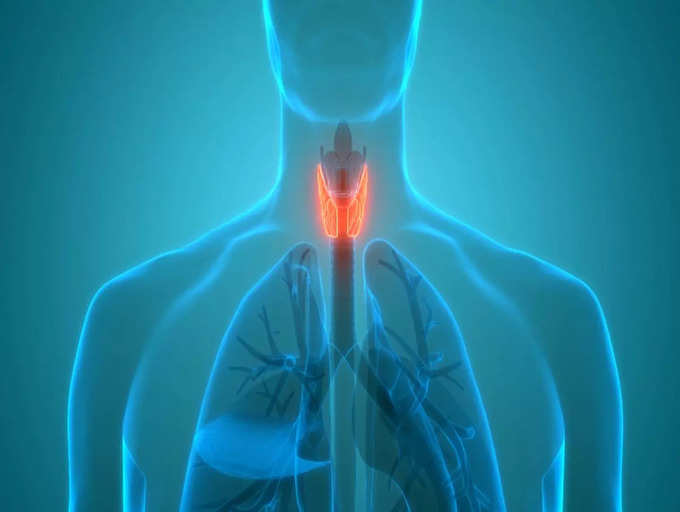
Hypothyroidism is when your thyroid gland is not able to make enough thyroid hormones. This can make you feel tired easily, you may gain weight and also develop sensitivity to cold. Lack of thyroid hormones can also slow your metabolism. While the study found associations between hypothyroidism and dementia, it does not prove that hypothyroidism is a cause of dementia.
About the study
In this study, researchers studied the health records of 7,843 people who were newly diagnosed with dementia in Taiwan, and compared them to the same number of people who did not have dementia. The average age of the people in the study was 75.
Researchers then looked at who had a history of either hypothyroidism or hyperthyroidism. Hyperthyroidism is, in a way, the opposite of hypothyroidism. In hyperthyroidism, you have an overactive thyroid, which means the thyroid is making and releasing high levels of thyroid hormone. A total of 102 people had hypothyroidism and 133 had hyperthyroidism. Here’s how the associations came out in the results.
Findings of the research
The researchers found that there was no link between hyperthyroidism (overactive thyroid) and dementia. However, of the people with dementia, 68 people (0.9%) had hypothyroidism, in comparison to 34 of the people (0.4%) without dementia.
After adjusting other risk factors for dementia such as age, sex blood pressure and diabetes, the researchers found that people over age 65 with hypothyroidism were 80% more likely to develop dementia, compared to people with the same age who did not have any thyroid problems.
It is worth noting that for people younger than 65, having a history of hypothyroidism was not linked to an increased risk of dementia. Even though more studies are needed on this topic, people should be aware that their thyroid problems could become a possible risk factor for dementia.
Type 2 diabetes and dementia
Apart from thyroid problems, diabetes can also be a risk factor for Parkinson's disease, a disorder of the nervous system that affects movement, which can worsen into dementia.
Another 2021 research published in Movement Disorders examined data from nine previous studies that followed people with type 2 diabetes to see if they developed Parkinson’s disease over time. They found type 2 diabetes is associated with a 21 percent increased risk of Parkinson’s.
Commenting on this association, Consultant - Diabetics & Endocrinology says, "Looking at data from epidemiological studies and collective data from insurance companies we do see a higher spike of Parkinson’s in type 2 diabetes. The possible explanation for this is because both diseases have common dysregulated pathways, such as inflammation and oxidative stress which lead to both problems. We still need to study this more in-depth to have better clarity on the link between Parkinson’s and diabetes."
Although there is some evidence that diabetes is a risk factor for developing Parkinson’s disease which can later develop into dementia, there is still no evidence that diabetes control can reduce the risk of Parkinson’s disease.