Thursday, September 12, 2024

9 Defense Mechanisms That Protect Your Body From Harm

There are some fascinating defense mechanisms our bodies activate that may seem a little strange, however they all have important roles in protecting our health 24 hours a day, seven days a week. Take a look: 

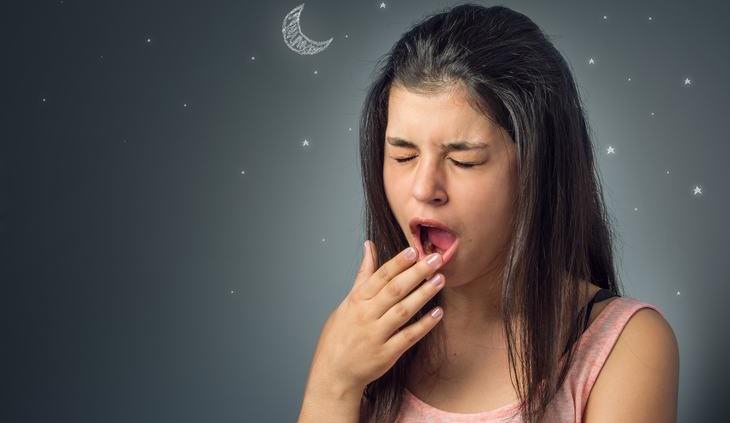
Yawning
defense mechanisms
It's main purpose is to cool the brain down after it's been overheated or overloaded.


Hiccups
Hiccups occur when we tend to eat quickly, swallow large pieces of food or overeat, which may irritate our pneumogastric nerve, resulting in hiccups. 
 
 
Sneezing

defense mechanisms
Sneezing occurs when our nasal passages fill with too many allergens, microbes, dust or other irritants. Sneezing helps us get rid of them. 
 
 
Myoclonic Jerks 
This usually occurs when you drift off to sleep and your body jolts for a second. In this moment your muscles spasm strongly, causing you to awake instantly. When you fall asleep, the frequency of your breathing rapidly falls and your pulse slows down slightly, relaxing your muscles. Your brain may interpret this as a heralding death, thus causing your body to jolt in order to save you. 
 
 
Stretching

defense mechanisms
We instinctively stretch to prepare our bodies for the physical loads we expect to take on during the day. Stretching also works the muscles, restores blood flow and improves our mood. 
 
 
Wrinkling of the skin  
Wrinkles that appear on your skin and hands after a shower play a fundamental role. When your body encounters an increased amount of moisture it understands that the environment around you may be slippery. Your skin therefore begins to form wrinkles in order to have a better grip on smooth surfaces.

This is only for your information, kindly take the advice of your doctor for medicines, exercises and so on.   

https://gscrochetdesigns.blogspot.com. one can see my crochet creations  
https://gseasyrecipes.blogspot.com. feel free to view for easy, simple and healthy recipes    
https://kneereplacement-stickclub.blogspot.com. for info on knee replacement
https://cancersupportindia.blogspot.com  for infor on cancer and health related topics
https://GSiyers home remedies.blogspot.com   is the latest addition to my blogs. I'm going to add posts there, do give me your valuable feed back on my blogs. Thanks a lot, take care, be healthy and be happy.


Goosebumps
defense mechanisms
Goosebumps reduce the amount of heat our bodies lose through the pores of our skin, making it easier to keep ourselves warm.


Loss of memory  
Memory loss tends to occur after the most unpleasant experiences, whereby our brains literally delete terrible moments from our memories. 
 
 
Tears
Tears act as a protection for the mucous membrane of our eye when a foreign object comes into contact with it. Scientists also believe that in stressful situations the body creates a new, powerful source of irritation in order to distract a person from the pain they are currently experiencing.


Labels: , , , , , , , ,

Monday, July 11, 2022

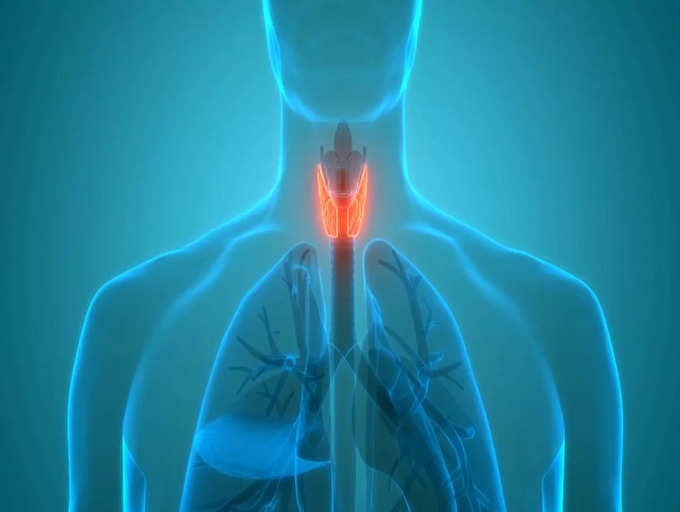
Thyroid problems are linked to an increased risk of dementia, according to a new study

Thyroid problems and dementia

Dementia is a syndrome characterised by impairment of brain functions – such as deterioration in cognitive function and loss of memory loss. People with dementia struggle with forgetfulness, are unable to socially interact like before and also have difficulties with day-to-day activities.

According to a new study, older people with an underactive thyroid, which is called hypothyroidism, are at a higher risk of developing dementia. The research was published in the online issue of the journal Neurology.

​What is hypothyroidism?

Hypothyroidism is when your thyroid gland is not able to make enough thyroid hormones. This can make you feel tired easily, you may gain weight and also develop sensitivity to cold. Lack of thyroid hormones can also slow your metabolism. While the study found associations between hypothyroidism and dementia, it does not prove that hypothyroidism is a cause of dementia.

​About the study

In this study, researchers studied the health records of 7,843 people who were newly diagnosed with dementia in Taiwan, and compared them to the same number of people who did not have dementia. The average age of the people in the study was 75.

Researchers then looked at who had a history of either hypothyroidism or hyperthyroidism. Hyperthyroidism is, in a way, the opposite of hypothyroidism. In hyperthyroidism, you have an overactive thyroid, which means the thyroid is making and releasing high levels of thyroid hormone. A total of 102 people had hypothyroidism and 133 had hyperthyroidism. Here’s how the associations came out in the results.

readmore

Findings of the research

The researchers found that there was no link between hyperthyroidism (overactive thyroid) and dementia. However, of the people with dementia, 68 people (0.9%) had hypothyroidism, in comparison to 34 of the people (0.4%) without dementia.

After adjusting other risk factors for dementia such as age, sex blood pressure and diabetes, the researchers found that people over age 65 with hypothyroidism were 80% more likely to develop dementia, compared to people with the same age who did not have any thyroid problems.

It is worth noting that for people younger than 65, having a history of hypothyroidism was not linked to an increased risk of dementia. Even though more studies are needed on this topic, people should be aware that their thyroid problems could become a possible risk factor for dementia.

Type 2 diabetes and dementia

Apart from thyroid problems, diabetes can also be a risk factor for Parkinson's disease, a disorder of the nervous system that affects movement, which can worsen into dementia.

Another 2021 research published in Movement Disorders examined data from nine previous studies that followed people with type 2 diabetes to see if they developed Parkinson’s disease over time. They found type 2 diabetes is associated with a 21 percent increased risk of Parkinson’s.

Commenting on this association, Consultant - Diabetics & Endocrinology says, "Looking at data from epidemiological studies and collective data from insurance companies we do see a higher spike of Parkinson’s in type 2 diabetes. The possible explanation for this is because both diseases have common dysregulated pathways, such as inflammation and oxidative stress which lead to both problems. We still need to study this more in-depth to have better clarity on the link between Parkinson’s and diabetes."

Although there is some evidence that diabetes is a risk factor for developing Parkinson’s disease which can later develop into dementia, there is still no evidence that diabetes control can reduce the risk of Parkinson’s disease.

readmore

Labels: , , , , , , , , , , ,

Tuesday, March 08, 2022

Covid-19 can cause brain shrinkage, loss of memory

Covid-19 can cause the brain to shrink, reduce grey matter in the regions that control emotion and memory, and damage areas that control the sense of smell, according to an Oxford University study.

"There is strong evidence for brain-related abnormalities in Covid-19," the researchers said in their study, which was released on Monday.

The scientists said that the effects were even seen in people who had not been hospitalised with Covid, and whether the impact could be partially reversed or if they would persist in the long term needed further investigation.

Even in mild cases, participants in the research showed "a worsening of executive function" responsible for focus and organising, and on an average brain sizes shrank between 0.2 and 2 percent.

The peer-reviewed study, published in the Nature journal, investigated brain changes in 785 participants aged 51–81 whose brains were scanned twice, including 401 people who caught Covid between their two scans. 

The second scan was done on average 141 days after the first scan. 

Impairment to attention

The study was conducted when the Alpha variant was dominant in Britain and is unlikely to include anyone infected with the Delta variant.

Studies have found some people who had Covid suffered from "brain fog" or mental cloudiness that included impairment to attention, concentration, speed of information processing and memory.

The researchers did not say if vaccination against Covid had any impact on the condition but the UK Health Security Agency said last month that a review of 15 studies found that vaccinated people were about half as likely to develop symptoms of long Covid compared with the unvaccinated.


This is only for your information, kindly take the advice of your doctor for medicines, exercises and so on.   

https://gscrochetdesigns.blogspot.com. one can see my crochet creations  
https://gseasyrecipes.blogspot.com. feel free to view for easy, simple and healthy recipes    
https://kneereplacement-stickclub.blogspot.com. for info on knee replacement


Labels: , , , , , , ,