Monday, July 11, 2022

Thyroid problems are linked to an increased risk of dementia, according to a new study

Thyroid problems and dementia

Dementia is a syndrome characterised by impairment of brain functions – such as deterioration in cognitive function and loss of memory loss. People with dementia struggle with forgetfulness, are unable to socially interact like before and also have difficulties with day-to-day activities.

According to a new study, older people with an underactive thyroid, which is called hypothyroidism, are at a higher risk of developing dementia. The research was published in the online issue of the journal Neurology.

​What is hypothyroidism?

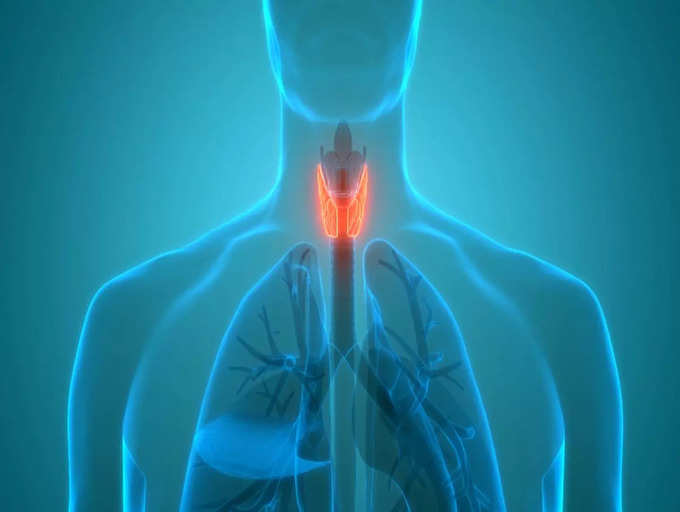
Hypothyroidism is when your thyroid gland is not able to make enough thyroid hormones. This can make you feel tired easily, you may gain weight and also develop sensitivity to cold. Lack of thyroid hormones can also slow your metabolism. While the study found associations between hypothyroidism and dementia, it does not prove that hypothyroidism is a cause of dementia.

​About the study

In this study, researchers studied the health records of 7,843 people who were newly diagnosed with dementia in Taiwan, and compared them to the same number of people who did not have dementia. The average age of the people in the study was 75.

Researchers then looked at who had a history of either hypothyroidism or hyperthyroidism. Hyperthyroidism is, in a way, the opposite of hypothyroidism. In hyperthyroidism, you have an overactive thyroid, which means the thyroid is making and releasing high levels of thyroid hormone. A total of 102 people had hypothyroidism and 133 had hyperthyroidism. Here’s how the associations came out in the results.

readmore

Findings of the research

The researchers found that there was no link between hyperthyroidism (overactive thyroid) and dementia. However, of the people with dementia, 68 people (0.9%) had hypothyroidism, in comparison to 34 of the people (0.4%) without dementia.

After adjusting other risk factors for dementia such as age, sex blood pressure and diabetes, the researchers found that people over age 65 with hypothyroidism were 80% more likely to develop dementia, compared to people with the same age who did not have any thyroid problems.

It is worth noting that for people younger than 65, having a history of hypothyroidism was not linked to an increased risk of dementia. Even though more studies are needed on this topic, people should be aware that their thyroid problems could become a possible risk factor for dementia.

Type 2 diabetes and dementia

Apart from thyroid problems, diabetes can also be a risk factor for Parkinson's disease, a disorder of the nervous system that affects movement, which can worsen into dementia.

Another 2021 research published in Movement Disorders examined data from nine previous studies that followed people with type 2 diabetes to see if they developed Parkinson’s disease over time. They found type 2 diabetes is associated with a 21 percent increased risk of Parkinson’s.

Commenting on this association, Consultant - Diabetics & Endocrinology says, "Looking at data from epidemiological studies and collective data from insurance companies we do see a higher spike of Parkinson’s in type 2 diabetes. The possible explanation for this is because both diseases have common dysregulated pathways, such as inflammation and oxidative stress which lead to both problems. We still need to study this more in-depth to have better clarity on the link between Parkinson’s and diabetes."

Although there is some evidence that diabetes is a risk factor for developing Parkinson’s disease which can later develop into dementia, there is still no evidence that diabetes control can reduce the risk of Parkinson’s disease.

readmore

Labels: , , , , , , , , , , ,

Saturday, January 19, 2019

Extreme distress increases risk for dementia

Men and women who are distressed in midlife could be at higher risk of developing dementia in their old age, suggests a new study. The study showed that vital exhaustion, which can be perceived as an indicator of psychological distress, is a risk factor for future risk of dementia. Psychological distress is potentially linked to the risk of dementia through neurological and cardiovascular mechanisms. 

The findings, revealed that for each additional symptom of vital exhaustion, the risk of dementia rose by two per cent. While participants reporting five to nine symptoms had a 25 per cent higher risk of dementia than those with no symptoms, those reporting 10 to 17 symptoms had a 40 per cent higher risk of dementia compared with not having symptoms.

Importantly, physiological stress response, including cardiovascular changes and excessive production of cortisol over a prolonged period, may also contribute to linking psychological distress with an increased risk of dementia, revealed the study. "Stress can have severe and harmful consequences not just for our brain health, but our health in general.

Cardiovascular risk factors are well-known modifiable risk factors for dementia, and in some countries, stagnation or even a decreasing incidence of dementia has been observed," said a researcher.

For the study, the team included 6,807 Danish participants aged 60 years on average. Psychological distress is an important risk factor that should receive more focus when considering prevention initiatives in relation to later dementia, the team said.

THIS IS ONLY FOR INFORMATION, ALWAYS CONSULT YOU PHYSICIAN BEFORE HAVING ANY PARTICULAR FOOD/ MEDICATION/EXERCISE/OTHER REMEDIES.                                                                                

 PS- THOSE INTERESTED IN RECIPES ARE FREE TO  VIEW MY BLOG-                                                                                           https://gseasyrecipes.blogspot.com/                                                                                                                                                                             FOR INFO ABOUT KNEE REPLACEMENT, YOU CAN VIEW MY BLOG-                                               
     https:// kneereplacement-stickclub.blogspot.com/                                                                                     
  FOR CROCHET DESIGNS                                                                                                                                                                                                  https://gscrochetdesigns.blogspot.com


Labels: , , , , , , ,

Tuesday, May 08, 2018

Bump on head ‘doubles risk of getting dementia’

A bump on the head can double the risk of getting dementia, even if you do not lose consciousness, researchers have warned.

More than two-thirds of traumatic brain injuries in England and Wales are classed as ‘mild’. Often caused by falls or minor car crashes, these cases can go unreported because victims fail to realise they have suffered a significant injury.

But a study of more than 350,000 people has found such blows to the head raise the risk of getting dementia by more than double, and the risk is similar to that of being knocked unconscious.
 
Researchers tracked Army veterans who had suffered blows to the head both in military and civilian life for an average of just over four years. A senior author of the study, said: ‘There are several mechanisms that may explain the association between traumatic brain injury and dementia.

‘There’s something about trauma that may hasten the development of neurodegenerative conditions. One theory is that brain injury induces or accelerates the accumulation of abnormal proteins that lead to neuronal death associated with conditions like Alzheimer’s disease.

‘It’s also possible that trauma leaves the brain more vulnerable to other injuries or ageing processes, but we need more work in this area.’

More than 10,000 people in England and Wales suffered a mild traumatic brain injury between April 2014 and June 2015.

Brain injuries are most common in people aged between 80 and 90, who are vulnerable to falls, and also peak in those aged 20 to 30, who suffer around 15 per cent of these injuries, often from traffic collisions. Traumatic brain injuries do not always cause concussion and a mild brain injury often does not cause loss of consciousness, but can cause temporary amnesia for up to a day.

To look at the effect of the injuries, the US researchers matched 178,779 military veterans who had suffered traumatic brain injuries with an equal number who had not. They found someone’s risk of dementia almost quadrupled if they had suffered a moderate to severe brain injury.

But a brain injury without loss of consciousness raised the risk by 2.36 times, which is similar to the 2.51 times increased risk for people who lost consciousness. The study included veterans whose head injuries could have taken place at home, as well as veterans from Iraq and Afghanistan, who were more likely to have been injured in combat zones, including through shockwaves from explosions.

The study’s lead author said: ‘The findings in both groups were similar, indicating that concussions occurring in combat areas were as likely to be linked to dementia as those concussions affecting the general population.’

THIS IS ONLY FOR INFORMATION, ALWAYS CONSULT YOU PHYSICIAN BEFORE HAVING ANY PARTICULAR FOOD/ MEDICATION/EXERCISE/OTHER REMEDIES.                                                                                                                                                                                                        PS- THOSE INTERESTED IN RECIPES ARE FREE TO  VIEW MY BLOG-                                                                                           https://gseasyrecipes.blogspot.com/  

FOR INFO ABOUT KNEE REPLACEMENT, YOU CAN VIEW MY BLOG-                                                                                        https:// kneereplacement-stickclub.blogspot.com/                              
FOR CROCHET DESIGNS                                                                                                                                                                                                                                 https://my crochet creations.blogspot.com

Labels: , , , , , , , , , ,

Wednesday, January 31, 2018

Traumatic Brain Injury May Still Increase Dementia Risk Years After Accident

Findings of a new study have suggested that a concussion or other forms of  traumatic brain injury (TBI) can up a person's odds of developing dementia, even it the accident happened 30 years ago.

Several blows to the brain have long been linked to risk of dementia but the new study found that the risk still remains many years later.

For the study, researchers looked at the data of thousands of people from databases that cover the years 1964 to 2012. They found that the odds of getting diagnosed with dementia were highest within the first year of the injury. During this time, those with TBI had up to six times the risk of getting dementia as those without TBI.

TBI Patients Still At Greater Risk Of Dementia Years After Injury

The overall risk decreased over time but the researchers found that the individuals who had TBI still had a higher risk of dementia than those without TBI even after 30 years. The researchers, in particular, found that the risk for dementia rose by 80 percent for those with at least one TBI, contrary to those who did not experience any traumatic brain injury.

"The risk of dementia diagnosis decreased over time after TBI, but it was still evident 30 years after the trauma. The association was stronger for more severe TBI and multiple TBIs, and it persisted after adjustment for familial factors," researchers said.

The study is not conclusive that TBI causes dementia but it does show an apparent link between traumatic brain injury and the neurological disorder. Nonetheless, not everyone with TBI develops dementia.

"The preponderance of the literature I would say supports that there appears to be an increased risk of dementia after traumatic brain injury," said a researcher.

Reducing Risk

Although there is no medication that can prevent dementia, a person's lifestyle is believed to influence the risk for the condition. Those who keep a healthy weight and keep their blood pressure low, for instance, could be reducing their risk of dementia.

"I think this study will pinpoint the importance of continuing preventative safety measures in sports (and doing what we already know) to reduce the risk of dementia, such as avoiding excess alcohol intake and high blood pressure," the researcher said.
 
THIS IS ONLY FOR INFORMATION, ALWAYS CONSULT YOU PHYSICIAN BEFORE HAVING ANY PARTICULAR FOOD/ MEDICATION/EXERCISE/OTHER REMEDIES.    
PS- THOSE INTERESTED IN RECIPES ARE FREE TO VIEW MY BLOG-                      
HTTP:GSEASYRECIPES.BLOGSPOT.COM/
FOR INFO ABOUT KNEE REPLACEMENT, YOU CAN VIEW MY BLOG-                                                        
HTTP://KNEE REPLACEMENT-STICK CLUB.BLOGSPOT.COM/
FOR CROCHET DESIGNS

HTTP://MY CROCHET CREATIONS.BLOGSPOT.COM

Labels: , , , , ,