Tuesday, July 29, 2025

7 everyday habits that silently damage your heart: Early symptoms, preventive measures to know

Silent triggers of heart diseases

When we think about heart health, we often imagine dramatic scenarios—like heart attacks or chest pains—but did you know that some of the most common habits we have could be silently sabotaging our hearts? The scariest part is, most of the time, we're not even aware of it! The good news is that these little habits are often easy to change. Let’s take a look at 7 sneaky behaviors that are secretly damaging your heart, along with simple ways to turn them around.

Skipping breakfast


Many people think skipping breakfast is a good way to save time (or calories) in the morning. But here's the thing: it can do a lot more harm than good, especially to your heart. Studies have found that people who skip breakfast tend to have higher cholesterol levels and a higher risk of heart disease. When you don’t eat in the morning, your body goes into "starvation mode," which can throw off your blood sugar levels, cause inflammation, and ultimately contribute to heart problems down the road.


You might not feel it immediately, but skipping breakfast can lead to crazy cravings later on—especially for sugary foods, which can spike your blood sugar and make things worse. Make breakfast a must, even if it’s something quick. Try a smoothie, a handful of nuts, or a bowl of oatmeal. Not only will it help stabilize your blood sugar, but it’ll also help you maintain a healthy weight, which is super important for your heart.

Chronic stress

Stress is like that one annoying friend who just doesn't know when to leave. We all face it—work deadlines, family drama, bills piling up—but did you know that constant stress can literally wear out your heart? When you’re stressed, your body releases cortisol, a hormone that increases blood pressure, raises your heart rate, and causes inflammation. Over time, this constant stress response can harm your arteries and increase the risk of heart disease.


If you’re constantly stressed, you might feel like you’ve got a weight on your chest, suffer from tight muscles, or even have trouble catching your breath. These are all red flags that your heart is dealing with the stress you’re carrying. You don’t need to book a yoga retreat (though that wouldn’t hurt!). Try incorporating simple stress-busting activities into your day. Deep breathing, meditation, or even a brisk walk can help lower cortisol levels and reduce stress. Listening to calming music or journaling your thoughts can also provide emotional relief and mental clarity. Making time for hobbies you enjoy can re-energize your mind and improve your overall well-being.
Trust me, your heart will thank you.


Eating ultra-processed foods
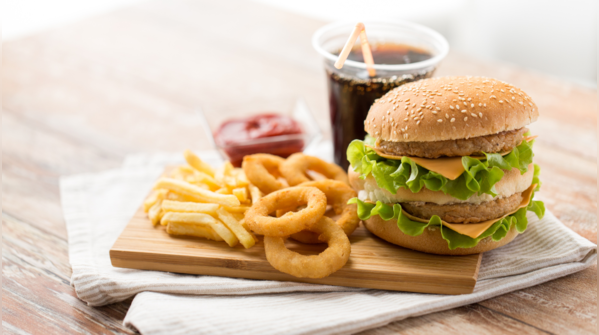
Eating ultra-processed foods 

Ultra-processed foods (UPFs) such as packaged snacks, sugary drinks, processed meats, fast food are loaded with sugars, trans fats, sodium, and refined carbohydrates, and lack fiber, vitamins, and nutrition. Such foods significantly increase the risk of heart disease.


Eating too much salt


We all know that too much salt isn’t great for our health, but you might be surprised just how much of it is lurking in your diet. Processed foods, canned soups, and restaurant meals often have WAY more sodium than you realize. Too much salt can increase blood pressure, which is one of the leading causes of heart disease. It can also damage your blood vessels and make your heart work harder than it needs to.
 

If you’re eating too much salt, you might notice puffiness, swelling, or even dizziness—these are all signs of high blood pressure or fluid retention, which is bad news for your heart. Start checking food labels and cutting back on processed foods. Fresh ingredients are always the way to go. When cooking, experiment with herbs and spices to flavor your meals instead of reaching for the salt shaker. Your heart (and taste buds) will thank you!

Sitting for too long

We’re all guilty of sitting for too long—whether it’s at a desk, on the couch, or in the car during a long commute. But here’s the catch: sitting for long periods isn’t just a pain in the back—it’s also bad for your heart. Prolonged sitting can lower circulation, raise blood pressure, and increase bad cholesterol levels. Over time, this can raise your risk of obesity, diabetes, and heart disease.


If you’re sitting too much, you might feel tired all the time, experience back and neck pain, or notice swelling in your legs and ankles. This is your body’s way of telling you that your circulation is getting sluggish. Start moving every 30 minutes. Whether it’s a quick stretch, a short walk around the office, or standing up while working, making sure you're not staying seated for too long can help keep your heart in better shape. If you sit for work, try investing in a standing desk or set an alarm to remind you to get up and move.


Not sleeping enough


How many times have you stayed up late binge-watching your favorite show or working on a project? We’ve all been there. But not getting enough sleep can have serious consequences for your heart. Studies show that poor sleep can increase blood pressure, raise cholesterol levels, and promote inflammation—all of which can contribute to heart disease. Plus, if you're not catching enough Z’s, your body struggles to regulate blood sugar, which leads to insulin resistance, another red flag for heart health.


If you're not getting enough sleep, you might notice feeling sluggish during the day, more easily irritated, or having trouble focusing. These aren’t just signs of being tired—they’re signs that your heart and body are paying the price. Aim for 7-9 hours of quality sleep each night. Establish a relaxing bedtime routine to help you wind down—maybe a good book, some light stretching, or even a warm bath. Try to stick to a consistent sleep schedule (your body will love the routine), and avoid screens at least 30 minutes before bed to get the best rest.
 

Ignoring mental health

Ignoring mental health

Mental health and heart health are more connected than you might think. Chronic issues like anxiety or depression can have a direct impact on your heart. Stress, poor sleep, and lack of physical activity related to mental health struggles can contribute to high blood pressure and heart disease. It's like your heart's dealing with not only the physical strain but also the emotional burden.
 

If you're not addressing your mental health, you might notice fatigue, irregular heartbeats, or even chest pain when you're stressed or anxious. These aren’t just emotional symptoms—they’re physical signs that your heart is feeling the strain too. Don’t ignore your mental health. Engage in activities that reduce stress, such as practicing mindfulness, journaling, or getting outside for a walk. If you’re dealing with anxiety or depression, seeking help from a professional can make a big difference in both your mental and heart health.

It’s easy to overlook small daily habits, but when it comes to your heart, every little thing counts. 


Alcohol consumption

A glass of wine here and there might not hurt, but drinking too much alcohol can have serious consequences for your heart. Excessive alcohol consumption can raise your blood pressure, cause irregular heartbeats, and lead to heart disease over time. Heavy drinking can even weaken your heart muscle, making it harder for your heart to pump blood effectively.


If you're drinking too much, you might notice heart palpitations, irregular beats, or even fatigue. These are signs that your heart isn’t too happy with the amount of alcohol you're consuming. Moderation is key. For most people, this means no more than one drink per day for women and two drinks per day for men. If you’re finding it hard to cut back, try swapping alcohol for a healthier alternative like sparkling water with lemon or a herbal tea. Your heart will appreciate it!


Foods for good heart

Foods for good heart 

For a healthy heart, load up on foods rich in fiber, antioxidants, and healthy fats. Oats, berries, and leafy greens like spinach help reduce cholesterol. Fatty fish such as salmon and sardines provide omega-3s that lower inflammation and support heart rhythm. Nuts (especially walnuts and almonds), seeds like flax and chia, and avocados are excellent for maintaining good cholesterol levels. Olive oil, garlic, and dark chocolate (in moderation) also support cardiovascular function. Avoid processed foods, excess salt, and sugar. Pairing these heart-friendly foods with an active lifestyle can significantly reduce the risk of heart disease. Eat smart—your heart will thank you.


Exercise

Exercise is one of the most effective ways to support and improve heart health. Aerobic exercises such as brisk walking, jogging, swimming, cycling, dancing, jumping rope help improve circulation and lower blood pressure. Strength training and high-intensity intensity interval training (HIIT) is also great for heart health.

Yoga for heart

Yoga offers a gentle yet powerful way to support heart health. Poses like Setu Bandhasana (Bridge Pose), Bhujangasana (Cobra Pose), and Anulom Vilom (alternate nostril breathing) help lower blood pressure, reduce stress, and improve circulation. Regular yoga practice also enhances heart rate variability, a key indicator of cardiovascular resilience. Deep breathing and meditation calm the nervous system, easing the load on your heart. It's not just about flexibility—yoga helps manage cholesterol, blood sugar, and weight, which are all crucial for heart health. Just 20 minutes a day can make your heart stronger, calmer, and more efficient.

Balance is the key

When it comes to heart health - balance is the key, at the end of the day


This is only for your information, kindly take the advice of your doctor for medicines, exercises and so on.   


Labels: , , , , , , , ,

Thursday, April 17, 2025

When Do Anticoagulants Pose a Health Hazard?

When tissue damage occurs in the body, our blood activates a clotting mechanism that prevents blood loss and aids in recovery. However, some people may develop blood clots in an abnormal way that could endanger their lives, and for them, anticoagulants were invented. Their purpose is to slow the formation of blood clots and prevent them from growing or moving to other parts of the body, which helps prevent strokes, heart attacks, and many other health problems. riskHowever, taking anticoagulants comes with side effects such as increased bleeding and the appearance of bruises on the skin, as well as digestive system issues like nausea and diarrhea. There are several types of anticoagulants, each with different side effects, but no matter which type you take, there are some things you should do and others you should avoid, and that’s exactly what you’ll learn today. 
 
1. Pay attention to new or worsening bleeding
"The main side effect of anticoagulants is bleeding," says Dr. Christopher B. Granger, a cardiologist from Duke University Medical Center in North Carolina. This isn’t surprising, since their purpose is to suppress the blood’s ability to clot—but it makes it harder for wounds to heal. So, if you get cut or scratched, more blood will flow from the wound, and nosebleeds may also worsen.

Dr. Mary Cushman from the University of Vermont Medical Center in Burlington says that even in such cases, you shouldn’t stop taking anticoagulants. What you can do is check with your doctor or pharmacist to see if there are special bandages or products that can help. However, if you notice blood in your urine, cough, vomit, or black stool, it could indicate internal organ bleeding, and you should immediately see a doctor and get checked.

2. Consult your doctor about the frequency of blood tests  
"Drugs like warfarin (Coumadin) require you to frequently do blood tests to ensure you’re taking the right dose for you and that your blood isn’t getting too thin," says Dr. Cushman. "At first, it might be 2-3 times a week, and once things stabilize, it becomes once every 4 weeks." Dr. Granger explains that there are newer drugs that don’t require as many blood tests, such as Xarelto (rivaroxaban) and Eliquis (apixaban), which cause fewer bleeds, especially in the brain—the most dangerous type of bleeding that can result from taking anticoagulants. 
 
3. Tell your doctor about any other medications you’re taking 
If you’re taking other medications or even dietary supplements, Dr. Granger warns that it could be dangerous when combined with anticoagulants. Even over-the-counter drugs like ibuprofen can increase your risk of bleeding, especially if you’re taking older types of anticoagulants. Here’s a full list of medications and supplements that could be dangerous when combined with older anticoagulants (heparin, Clexane, and Coumadin): 
 
Aspirin Pain relievers like paracetamol (Acamol, Dexamol, etc.)
 
Heartburn medications, like Tums 
 
Laxatives, like Laxadin 
 
Medications for treating COVID-19, like Paxlovid 
 
Various types of antibiotics 
 
Antifungal medications (like fluconazole and Diflucan) 
 
Nonsteroidal anti-inflammatory drugs, like ibuprofen (Advil, Ibuprofen, Adex, Nurofen) and naproxen (Naxyn) 
 
Medications for treating heart arrhythmias, like amiodarone (Procor, Amiocor, Amiodacore) 
 
Anti-seizure medications, like phenytoin (Epanutin), phenobarbital (Luminal), and carbamazepine (Tegretol) 
 
Dietary supplements containing dong quai, garlic, ginkgo biloba, ginseng, green tea, St. John’s wort, and vitamin E. 
 
Additionally, even if you’ve told your doctor that you’re taking these medications and supplements and they approved your use of anticoagulants with them, you should consult them before stopping those medications or supplements. Any change is significant.


4. Don’t sit for too long 
Whether at home, in the car, or even on a plane, sitting for long hours can increase your risk of developing blood clots. While anticoagulants help prevent this issue, you should still get up and move your body after every two hours of sitting. What if you can’t get up from your seat? If possible, push your feet up and down in point-and-flex movements with your feet to activate your calves—do anything you can to keep the blood flowing. 
 
5. Be consistent with your vitamin K intake 
Drugs like warfarin reduce the clotting effects of vitamin K, which is found in many green vegetables like kale, broccoli, Brussels sprouts, and more. However, if you eat too much of them and get a lot of vitamin K, it could reduce the drug’s effectiveness. So make sure you eat green vegetables in moderation and in the same amount every day. You don’t need to avoid them, just be consistent with how much you consume.

6. Drink plenty of water and avoid excessive alcohol 
Dehydration causes blood vessels to constrict and blood to thicken, increasing your risk of facing dangers related to blood clots. That’s why it’s important to drink enough water every day, especially in the summer. Plus, a full bladder will make you get up to use the bathroom more often, which will help you avoid prolonged sitting, as we’ve already recommended. At the same time, it’s advised not to overdo it with alcohol, as it can affect how drugs like warfarin are absorbed in the body.

7. Seek immediate medical attention if you fall or get hit in the head 
Even if you don’t see external bleeding, that doesn’t mean there’s no internal bleeding, and in the case of a head injury, it can be very dangerous. This is another reason to avoid excessive alcohol consumption, even if you’re taking newer anticoagulants, as over-drinking increases your risk of falling and getting injured. 
 
8. Don’t double up on a missed dose  
You need to take your anticoagulants every day as per your doctor’s instructions. If you forget one dose, don’t double the next dose to make up for it. 
 
If you’re taking older-generation anticoagulants – you can take the missed dose up to 8 hours from the time you were supposed to take it, but if more than 8 hours have passed, it’s recommended to wait until the next day and the next dose. 
 
If you’re taking newer-generation anticoagulants – as long as less than half the time between when you were supposed to take the dose and the next one has passed, you can take it. If more than half the time has passed, wait for the next dose.


This is only for your information, kindly take the advice of your doctor for medicines, exercises and so on.   

Labels: , , , , , ,

Wednesday, January 29, 2020

The Causes and Treatments of a Dry Mouth

Contrary to popular belief, experiencing a dry mouth at night is more than just a minor annoyance, since it can worsen your dental and oral health, impair your sense of taste, and cause digestive issues in the long term. Apart from that, it can take a toll on your confidence and psychological well being. Clearly, this common health issue shouldn’t be treated lightly, especially since the condition is easy to fix in the vast majority of cases. In this article, we’ll focus on the symptoms, causes, and home treatments of dry mouth to help you understand and deal with the condition more effectively.

What Is Dry Mouth?

Dry mouth, or xerostomia, as it is known in medical literature, is a widespread condition where the salivary glands cannot produce enough saliva to keep the mouth cavity moist enough. The condition results in a variety of uncomfortable symptoms, which include:

    Bad breath
    A sore or hoarse throat ranging from mild to severe
    A dry or sticky feeling in your mouth
    Thick saliva
    Difficulty swallowing or speaking
    Dry or fissured tongue
    Dry or cracked lips
    Problems with wearing dentures.

​​As you know, saliva plays a very important role in preventing dental problems and maintaining oral health, since it has antibacterial properties and neutralizes harmful acids produced by bacteria that live in your mouth, which can cause tooth decay. Apart from that, saliva enhances the taste of food and helps digest food, which makes it crucial for healthy nutrition and digestion. As mentioned previously, a deficiency of saliva can thus produce oral, dental, and digestive issues.

Since the condition also often comes along with bad breath and a sore and uncomfortable throat, it is also known to impair the emotional and psychological well-being of patients and become the source of nervousness and irritability for many. Many conditions, certain medications, and other factors can cause dry mouth, with the following 8 points on the list being the major causes of the condition.


1. Breathing Through the Mouth

Sleeping with your mouth open is one of the major causes of dry mouth. During the night, you don't hydrate your body the way you do throughout the day while breathing more deeply than usual, which is guaranteed to dry out your mouth cavity and throat if you breathe through your mouth.
Certain sleep conditions, such as obstructive sleep apnea and snoring can cause dry mouth, with patients suffering from apnea being 10 times more likely to suffer from dry mouth than those who don't according to one study. Those suffering from congestion and any other condition that makes it more difficult for you to breathe through the nose can likewise cause dry mouth.


2. Aging
LikeWith age, all of our soft tissues tend to become less hydrated as they lose collagen, the lining of your mouth and throat included. At the same time, the salivary glands can start producing less saliva, and all this can make you more likely to experience dry mouth than people younger than you.
Statistical analyses show that around 30% of adults over the age of 65 and 40% of those past the age of 80 suffer from dry mouth. That being said, age is often not the only contributing factor to dry mouth, and other conditions, medications or habits together with a more advanced age usually cause the condition.


3. Sjögren’s syndrome

Sjögren’s syndrome is an autoimmune condition, the primary symptom of which is dry mouth. The immune system of patients suffering from the disorder attacks its tear glands and salivary glands, which, in turn, stop producing enough saliva and tears. As a result, the person will experience a sensation of dryness in their eyes and mouth, which often gets worse at night when the body naturally produces less of these bodily liquids.
Unfortunately, there is no known cure for the condition, and the doctor will typically prescribe medications that urge the glands to produce more saliva, as well as topical treatments to reduce the symptoms of the condition.


4. Diabetes

Patients suffering from diabetes can likewise experience dry mouth as a result of their condition. High sugar levels can make you more likely to experience dehydration, which can cause dry mouth. Apart from that, certain diabetes medications can cause the condition, so it's especially important for diabetic patients to stay hydrated at all costs. 


5. Smoking and Alcohol
Harmful habits, such as smoking and drinking alcohol can be the reason why you're experiencing dry mouth as well. Smoking tobacco is especially dangerous, as it is capable of decreasing salivary flow. In a 2010 study, 39% of smokers were found to experience dry mouth compared to only 12% of nonsmokers.
Dehydrating drinks, such as alcohol, coffee, and even mouthwash that contains alcohol can likewise contribute to dry mouth at night, especially if you use them in the evening.


6. Allergies

Allergies, seasonal or not, can contribute to dry mouth as well because they often cause a blocked nose, which makes you breathe through the nose. Apart from that, inflamed soft tissues in the nasal and oral cavity common in allergy sufferers themselves often feel drier and sore, in which case a dry mouth will be a symptom of the underlying allergy.
Treating the allergy with antihistamines will relieve the symptom in the long term, but keep in mind that certain allergy medications can cause short term dry mouth as well, so combining them with proper hydration is key.


7. Alzheimer's Disease

While Alzheimer's disease itself doesn't directly cause dry mouth, the condition makes it more difficult for patients to maintain proper hydration, as it becomes more difficult to get a drink yourself or communicate to someone that you're thirsty. Dry mouth is by far not the worst symptom associated with dehydration, patients can also feel dizzy or may even require hospitalization if they become severely dehydrated.

8. Certain Medications and Treatments

A number of medications, as well as some cancer treatments, can cause dry mouth as a side effect. Both chemotherapy and treatments of neck and head cancer can contribute to dry mouth, for example. Some of the most common medications associated with dry mouth include:

    blood pressure medication
    antidepressants
    antihistamines
    diuretics
    drugs used to treat sinus issues
    certain medications used to treat Parkinson's disease
    drugs used to help sleeping issues.

​​Most of these medications are life-saving and will have to be continued by the patient even if dry mouth persists, but it's still possible to treat the dry mouth symptomatically, which is exactly what we will discuss in the following section.


Home Treatments of Dry Mouth
Few things are as unpleasant as waking up with a dry mouth in the middle of the night, desperately reaching for a glass of water. To make sure that dry mouth no longer wakes you up in the middle of the night, you can incorporate these tips into your life:


1. Avoid alcohol and coffee at night, and stop smoking if you do.


2. Use an air humidifier in your bedroom throughout the night. If you don't have one, you can simply put a bowl of water or a wet towel near a heat source in your room.


3. Suck on ice cubes, chew sugar-free gum, or eat sugar-free candy or lozenges during the day, as all of these promote the production of saliva.


5. Hydration, hydration, and hydration: incorporate water even with your meals and sip on cool water all day.


6. Maintain good oral hygiene by brushing your teeth twice a day and flossing on a daily basis to prevent dental complications.


7. Use hydrating nasal and oral sprays to prevent dehydration of the soft tissues.
Best of all, you can use these tips irrespective of the cause of dry mouth. Also, you can and should combine any of these tips to make sure your oral cavity is hydrated and supplied with as much saliva as it needs, and thus happy and health.


This is only for your information, kindly take the advice of your doctor for medicines, exercises and so on.     
https://gscrochetdesigns.blogspot.com. one can see my crochet creations  
https://gseasyrecipes.blogspot.com. feel free to view for easy, simple and healthy recipes    
https://kneereplacement-stickclub.blogspot.com. for info on knee replacement
 

Labels: , , , , , , , , , , , , , ,

Tuesday, January 21, 2020

To Protect Against Congenital Heart Defects, Fathers-to-Be Should Avoid Alcohol Six Months Before Conception

Aspiring parents should both avoid drinking alcohol prior to conception to protect against congenital heart defects, according to research published today (October 2, 2019) in the European Journal of Preventive Cardiology, a journal of the European Society of Cardiology (ESC).

Drinking alcohol three months before pregnancy or during the first trimester was associated with a 44% raised risk of congenital heart disease for fathers and 16% for mothers, compared to not drinking. Binge drinking, defined as five or more drinks per sitting, was related to a 52% higher likelihood of these birth defects for men and 16% for women.

‘Binge drinking by would-be parents is a high risk and dangerous behavior that not only may increase the chance of their baby being born with a heart defect, but also greatly damages their own health,’ said study author Dr Jiabi Qin, of Xiangya School of Public Health, Central South University, Changsha, China.

Dr Qin said the results suggest that when couples are trying for a baby, men should not consume alcohol for at least six months before fertilization while women should stop alcohol one year before and avoid it while pregnant.

Congenital heart diseases are the most common birth defects, with approximately 1.35 million babies affected every year. These conditions can increase the likelihood of cardiovascular disease later life, even after surgical treatment, and are the main cause of perinatal death. Alcohol is a known teratogen and has been connected with fetal alcohol spectrum disorder (FASD). Around one in four children with FASD have congenital heart disease, indicating that alcohol might also be implicated in these disorders.

Previous studies investigating the link between alcohol and congenital heart disease have focused on prospective mothers, with inconclusive results. This is the first meta-analysis to examine the role of paternal alcohol drinking.

The researchers compiled the best data published between 1991 and 2019, which amounted to 55 studies including 41,747 babies with congenital heart disease and 297,587 without. The analysis showed a nonlinear dose-response relationship between parental alcohol drinking and congenital heart diseases.

Dr Qin said: ‘We observed a gradually rising risk of congenital heart diseases as parental alcohol consumption increased. The relationship was not statistically significant at the lower quantities.’

Regarding specific defects, the study found that compared to abstinence, maternal drinking was correlated to a 20% greater risk of tetralogy of Fallot, a combination of four abnormalities in the heart’s structure.

The authors noted that this was an observational study and does not prove a causal effect, nor does it prove that paternal drinking is more harmful to the fetal heart than maternal drinking. The data cannot be used to define a cut-off of alcohol consumption that might be considered safe.

Dr Qin said: ‘The underlying mechanisms connecting parental alcohol and congenital heart diseases are uncertain and warrant further research. Although our analysis has limitations — for example the type of alcohol was not recorded — it does indicate that men and women planning a family should give up alcohol.’


This is only for your information, kindly take the advice of your doctor for medicines, exercises and so on.     
https://gscrochetdesigns.blogspot.com. one can see my crochet creations  
https://gseasyrecipes.blogspot.com. feel free to view for easy, simple and healthy recipes    
https://kneereplacement-stickclub.blogspot.com. for info on knee replacement


Labels: , , , , , , ,

Tuesday, August 13, 2019

Side-effects of statin you did not know about

Accumulation of cholesterol is a common problem these days. It is associated with some of the dangerous health conditions like coronary heart disease, stroke, heart attack, diabetes, high blood pressure etc. According to a research, high cholesterol is present in 25 to 30 per cent of urban and 15 to 20 per cent of rural population. The prevalence is higher in developed countries. The international health body, WHO, states that raised cholesterol level is estimated to cause 2.6 million deaths and 29.7 million disability around the globe almost every year.

In order to lower the levels of cholesterol, doctors prescribe a type of drug known as statin. HMG-CoA reductase is an enzyme that helps in the production of cholesterol in the body. And, your liver stimulates this enzyme. The work of statin starts here. It blocks the location where this enzyme is produced. It also blocks the action of other molecules responsible for producing cholesterol. Moreover, this drug absorbs the cholesterol already present in the body. It does so by reducing the amount of lipid. Not only this, statins help in reducing the levels of bad cholesterol and increasing levels of good cholesterol. Notably, when you are taking this medication, you should eat healthy, quit smoking, avoid alcohol consumption and exercise daily. But long-term intake of statins can be hazardous for your health.

STATIN AND DIABETES: THE LINK

According to a recent research, long-term consumption of statin can double your chances of developing type 2 diabetes. This means that a drug that is meant to provide you protection from various heart ailment, can contribute to another medical problem.

For this study, the scientists enrolled 4,683 men and women with an average of 46. They were not suffering from diabetes during the study but were at an increased risk of developing heart diseases. Also, they had not taken statin drug till the start of the research. The doctors prescribed this drug to 16 per cent (in total 755 patients) of the subjects. They took the drug continuously from 2011 to 2014.
Further, the scientists analyzed health records and other data of these patients. They found that the patients who took the cholesterol-lowering drugs for more than two years had more than three times the risk of developing diabetes than those who did not receive the drug. The study team also noticed that statin users were 6.5 per cent more likely to have an increased level of HbA1c (hemoglobin that is bound to glucose). This meant an increased blood sugar level in the blood.

HOW STATIN MAY IMPACT YOUR HEALTH NEGATIVELY

Apart from diabetes, statin is associated with various other health problems. However, the benefits of these drugs outweigh the risks, say experts. While there is no doubt about the efficacy of statins as cholesterol-lowering drugs, one needs to be aware of the side effects too.

Like every other drug, the most common side-effects of statins include headache, nausea and overall weakness. Muscle weakness or tendonitis may also be seen. Gastro-intestinal problems like constipation, diarrhea and vomiting can occur. Rare side-effects like memory loss, difficulty in concentrating, forgetfulness, amnesia and memory impairment have also been reported. For these rare side-effects, the symptoms may start one day to years after starting treatment and may resolve within a median of three weeks after stopping the statin.

Here we take you through some of the major health conditions linked to the use of statins.

Statins may cause muscle pain and damage

This is one of the most common complaints of people who take statins. Regular intake of statins can lead to pain as a soreness, tiredness or weakness in muscles. The pain can be mild or severe. However, discuss with your doctor about the same before popping painkillers. Very rarely, statins can cause life-threatening muscle damage called rhabdomyolysis. The risk of very serious side effects is extremely low and calculated in a few cases per million of patients taking statins.

Can lead to liver damage

Though the rare, regular use of statin could signal liver inflammation by increasing enzyme production. If the increase is only mild, statins could still be a fine choice to lower cholesterol. But if the increase is severe, one might need to try a different statin. Although liver problems are rare, we may order a liver enzyme test before or shortly after you begin to take a statin.

Likely to increase blood sugar levels

There is a possibility that your blood sugar levels increase once you start talking statin, which may lead to developing type 2 diabetes. The risk is very small but important for your knowledge. Statins prevent heart attacks in patients with diabetes, so the relevance of the mild increase in sugar values with statins observed in some patients is unclear. The benefit of taking statins likely outweighs the small risk to have the blood sugar level go up.

Can trigger neurological side effects

Way back in 2012, the FDA brought about a change in the drug labels of statins to include the information that some people taking these drugs had reported memory loss and confusion. However, experts in the field are of the opinion that this was based on insufficient and low-quality evidences. It has been found that many of the people who reported memory loss took the drug only for one day.  There is another school of thought which suggests that most patients on statins are either middle-aged or older adults. So, memory loss could be related to their age as well. Conclusive proof against statin as a trigger behind dementia or memory loss is yet to be found. Cardiologists also say that the complaints of statin patients about confusion and fuzziness are temporary, which can be tackled by changing the dosage or medicine. In fact, some recent studies have shown that statins boost your cerebral health by protecting your brain arteries. In fact, a research presented at the European Society of Cardiology found that high potency statins can protect you against dementia. The study involved 58,000 patients.

THIS IS ONLY FOR INFORMATION, ALWAYS CONSULT YOU PHYSICIAN BEFORE HAVING ANY PARTICULAR FOOD/ MEDICATION/EXERCISE/OTHER REMEDIES.                                    PS- THOSE INTERESTED IN RECIPES ARE FREE TO  VIEW MY BLOG-                                                                                           https://gseasyrecipes.blogspot.com/                                                                                                                                                FOR INFO ABOUT KNEE REPLACEMENT, YOU CAN VIEW MY BLOG-                                                  https:// kneereplacement-stickclub.blogspot.com/                                                                      FOR CROCHET DESIGNS                                                                                                    
                                https://gscrochetdesigns.blogspot.com

Labels: , , , , , , , , , , , , , , ,