Sunday, October 19, 2025

10 Ways to Get the Metabolism of a 20-Year-Old

Instead of being jealous of people in their twenties who seem to have a superhuman ability to keep their weight low with very little effort, why not try altering your habits and lifestyle instead? Below, we've listed 10 excellent tips that'll boost your metabolism, helping you shed plenty of pounds, and keep them off for good! 
 
1. Eat More Protein
Eating sufficient amounts of protein is practically unanimously agreed upon as being essential to maintaining a rapid metabolism. Conforming to a high protein diet will make you feel fuller after eating, and will even help you maintain more lean muscle mass. However, you can only absorb around 30 grams of protein in one sitting, so we'd recommend spreading your protein intake over multiple meals throughout the day.

2. Drink more water
 Drinking enough water is not only essential for feeling fuller throughout the day, but it can also lead to weight loss due to its beneficial effect on your metabolism. According to nutritionist Lauren Pincus, "it takes calories to process water, because everything we do takes calories,” meaning that "the more water, the more calories you need to expend." She recommends drinking around two liters of water each day, but this amount may vary a little, depending on your age and activity level.

3. Begin strength training

 Metabolism
  
Experts agree that strength training two or three times a week can help build lean muscle mass. “A pound of muscle burns up to nine times more calories than a pound of fat,” according to nutritionist Lisa Stollman. “Lifting weights is a great way to build muscle mass.” However, after building muscle you'll also need to maintain it. “As we age, we start to lose muscle,” says Pincus, and “strength training not only builds muscle groups to burn more calories, but also helps preserve them and prevent loss.”

4. Be mindful of what you eat
Make sure that you take the time to actually savor the food that you eat, since research shows that the faster you eat, the more you'll end up eating in the long-run. This is because the hormone that tells your brain that you're full, cholecystokinin (CCK) takes around 20 minutes to begin sending signals. 
 
5. Get Enough Sleep
Getting a good night's sleep is an extremely important part of maintaining an efficient metabolism. “Too little sleep appears to wreak havoc with leptin and ghrelin, two hormones that regulate appetite,” according to nutritionist Elisa Zied. “When you don’t sleep well, you feel hungrier and you tend to eat more and choose more nutrient-poor foods.” 
 
6. Drink Tea or Coffee
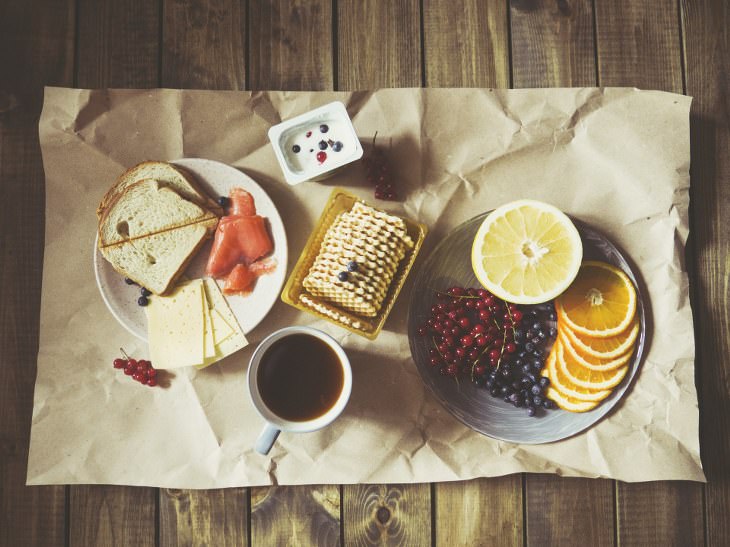
According to Stollman, "caffeine can increase your metabolism up to 8%" and "brewed tea kicks it up another notch by boosting your metabolism by 10%." Green tea is even better, due to the added presence of calorie-burning catechins. It is estimated that drinking between 3 and 4 cups a day can actually burn around 50 to 100 calories due to the kick your metabolism receives.

7. Limit screen time before bed
A recent study from Northwestern University shows that being exposed to blue light from screens at night can impact your metabolism. John La Puma, MD, recommends ceasing exposure to blue light at least 2 hours before going to bed, and says that “it resets melatonin levels so that getting to sleep becomes harder, and too little sleep means weight gain for most people.” 
 
8. Don't Skip Breakfast
 
Metabolism
Dashing out of the door instead of eating a healthy and balanced breakfast could end up slowing down your metabolism throughout the rest of your day. “If you skip protein at breakfast, you lose the opportunity in your day to feed your muscles,” says Pincus. “You can’t double up at dinner since your body can’t utilize more than four ounces at a time.” 
 
9. Use More Spices

Metabolism
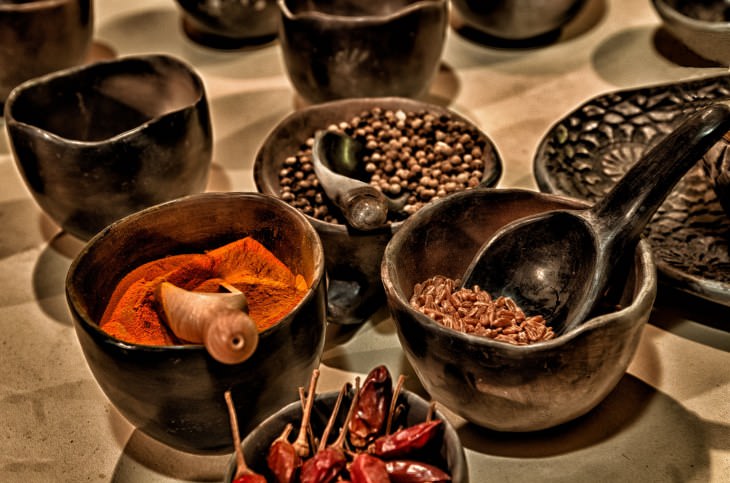
Capsaicin, which is found in many spicy foods, such as red peppers and chili flakes, can boost your metabolic rate by up to 8%. Nutritionist, Keri Gans suggests that you “sprinkle on red pepper flakes on eggs in the morning,” She also says that “you could even make fish, chicken, or lean beef a little spicier for dinner.” Just be careful not to use this as an excuse to start eating creamy curries and spicy fried chicken pieces on a regular basis. 
 
10. Keep Moving, Even When You're Sitting
A study in the American Journal of Clinical Nutrition found that non-exercise related activity, such as fidgeting at your desk or tapping your feet while sitting down, can help prevent you from putting on weight. In order to easily integrate more movement into your regular routine, Pincus recommends to use a transitional or standing desk when working, or to simply get up and walk about for a few moments every half hour or so.


This is only for your information, kindly take the advice of your doctor for medicines, exercises and so on.   


Labels: , , , , , , , , ,

Saturday, August 09, 2025

5 Surprising Signs That Show You Need to Cut Back on Salt

If you've just been diagnosed with high blood pressure, this is one clear sign that you may be overdoing it on the salt. Yet, while salt may be the culprit of such a disease, it turns out that having too much salt in your meal may leave you feeling uncomfortable. Here are five, surprising, short-term symptoms that may occur within your body if you consume too much salt. 
 
1. Your ring finger feels too tight
 
salt
If the ring on your finger suddenly feels two sizes too small, it could very well be caused by water retention, which can happen when you load up on salt. The body works in a complex way. It must maintain the balance of fluids and electrolytes. Therefore loading up on sodium may trigger your brain to release hormones that tell your body to hold onto as much water as possible. 

2. Your mouth is dry 
 One of the reasons why your mouth may feel dry is because of salt. After loading up on foods that are rich in sodium, your body will start to sense that your salt and water levels are off. Consequently, your brains sends out thirst signals as drinking more water will have things returned back to normal. 
 
3. You have a headache
A study published in the British Medical Journey found that there's a strong link between high blood pressure and headaches. It was found that heavy salt eaters were more likely to get a headache, even if their blood pressure was normal. In the study, adults who ate 3,500mg of sodium per day had nearly a third more headaches in comparison to those who only took in 1,500 mg. So, if you do feel a throbbing headache coming on, try cutting back on the salt. 
 
4. You feel a need to keep going to the bathroom 
Drinking too much water may be the reason you need to urinate so often. Yet it is not the only cause. Eating too much salt can have the same effect. When you include too much salt in your diet, your kidneys have to work overtime in order to clear the extra salt out, which may cause you to pee more than usual. 
 
5. Your brain is in a fog
If you are overdoing it on salt, you may end up dehydrated. As a result, dehydration may affect your ability to think clearly. According to a study published in the Journal of Nutrition, mildly dehydrated women performed worse on cognitive tests measuring concentration, memory, reasoning and reaction time compared to when they were hydrated. The study also found that the dehydration sent their moods plummeting too. 
 
Quick Fix Tip 
 
No matter what symptoms you are dealing with, one of the best ways to slash your sodium is to cut back on processed foods and drink more water. This will allow your body to catch up and get back into balance. Once your sodium is back to normal again, try to keep your salt intake under control. The U.S. dietary guidelines recommend eating less than 2,300mg per day. 


This is only for your information, kindly take the advice of your doctor for medicines, exercises and so on.   

Labels: , , , , , , ,

Thursday, April 17, 2025

When Do Anticoagulants Pose a Health Hazard?

When tissue damage occurs in the body, our blood activates a clotting mechanism that prevents blood loss and aids in recovery. However, some people may develop blood clots in an abnormal way that could endanger their lives, and for them, anticoagulants were invented. Their purpose is to slow the formation of blood clots and prevent them from growing or moving to other parts of the body, which helps prevent strokes, heart attacks, and many other health problems. riskHowever, taking anticoagulants comes with side effects such as increased bleeding and the appearance of bruises on the skin, as well as digestive system issues like nausea and diarrhea. There are several types of anticoagulants, each with different side effects, but no matter which type you take, there are some things you should do and others you should avoid, and that’s exactly what you’ll learn today. 
 
1. Pay attention to new or worsening bleeding
"The main side effect of anticoagulants is bleeding," says Dr. Christopher B. Granger, a cardiologist from Duke University Medical Center in North Carolina. This isn’t surprising, since their purpose is to suppress the blood’s ability to clot—but it makes it harder for wounds to heal. So, if you get cut or scratched, more blood will flow from the wound, and nosebleeds may also worsen.

Dr. Mary Cushman from the University of Vermont Medical Center in Burlington says that even in such cases, you shouldn’t stop taking anticoagulants. What you can do is check with your doctor or pharmacist to see if there are special bandages or products that can help. However, if you notice blood in your urine, cough, vomit, or black stool, it could indicate internal organ bleeding, and you should immediately see a doctor and get checked.

2. Consult your doctor about the frequency of blood tests  
"Drugs like warfarin (Coumadin) require you to frequently do blood tests to ensure you’re taking the right dose for you and that your blood isn’t getting too thin," says Dr. Cushman. "At first, it might be 2-3 times a week, and once things stabilize, it becomes once every 4 weeks." Dr. Granger explains that there are newer drugs that don’t require as many blood tests, such as Xarelto (rivaroxaban) and Eliquis (apixaban), which cause fewer bleeds, especially in the brain—the most dangerous type of bleeding that can result from taking anticoagulants. 
 
3. Tell your doctor about any other medications you’re taking 
If you’re taking other medications or even dietary supplements, Dr. Granger warns that it could be dangerous when combined with anticoagulants. Even over-the-counter drugs like ibuprofen can increase your risk of bleeding, especially if you’re taking older types of anticoagulants. Here’s a full list of medications and supplements that could be dangerous when combined with older anticoagulants (heparin, Clexane, and Coumadin): 
 
Aspirin Pain relievers like paracetamol (Acamol, Dexamol, etc.)
 
Heartburn medications, like Tums 
 
Laxatives, like Laxadin 
 
Medications for treating COVID-19, like Paxlovid 
 
Various types of antibiotics 
 
Antifungal medications (like fluconazole and Diflucan) 
 
Nonsteroidal anti-inflammatory drugs, like ibuprofen (Advil, Ibuprofen, Adex, Nurofen) and naproxen (Naxyn) 
 
Medications for treating heart arrhythmias, like amiodarone (Procor, Amiocor, Amiodacore) 
 
Anti-seizure medications, like phenytoin (Epanutin), phenobarbital (Luminal), and carbamazepine (Tegretol) 
 
Dietary supplements containing dong quai, garlic, ginkgo biloba, ginseng, green tea, St. John’s wort, and vitamin E. 
 
Additionally, even if you’ve told your doctor that you’re taking these medications and supplements and they approved your use of anticoagulants with them, you should consult them before stopping those medications or supplements. Any change is significant.


4. Don’t sit for too long 
Whether at home, in the car, or even on a plane, sitting for long hours can increase your risk of developing blood clots. While anticoagulants help prevent this issue, you should still get up and move your body after every two hours of sitting. What if you can’t get up from your seat? If possible, push your feet up and down in point-and-flex movements with your feet to activate your calves—do anything you can to keep the blood flowing. 
 
5. Be consistent with your vitamin K intake 
Drugs like warfarin reduce the clotting effects of vitamin K, which is found in many green vegetables like kale, broccoli, Brussels sprouts, and more. However, if you eat too much of them and get a lot of vitamin K, it could reduce the drug’s effectiveness. So make sure you eat green vegetables in moderation and in the same amount every day. You don’t need to avoid them, just be consistent with how much you consume.

6. Drink plenty of water and avoid excessive alcohol 
Dehydration causes blood vessels to constrict and blood to thicken, increasing your risk of facing dangers related to blood clots. That’s why it’s important to drink enough water every day, especially in the summer. Plus, a full bladder will make you get up to use the bathroom more often, which will help you avoid prolonged sitting, as we’ve already recommended. At the same time, it’s advised not to overdo it with alcohol, as it can affect how drugs like warfarin are absorbed in the body.

7. Seek immediate medical attention if you fall or get hit in the head 
Even if you don’t see external bleeding, that doesn’t mean there’s no internal bleeding, and in the case of a head injury, it can be very dangerous. This is another reason to avoid excessive alcohol consumption, even if you’re taking newer anticoagulants, as over-drinking increases your risk of falling and getting injured. 
 
8. Don’t double up on a missed dose  
You need to take your anticoagulants every day as per your doctor’s instructions. If you forget one dose, don’t double the next dose to make up for it. 
 
If you’re taking older-generation anticoagulants – you can take the missed dose up to 8 hours from the time you were supposed to take it, but if more than 8 hours have passed, it’s recommended to wait until the next day and the next dose. 
 
If you’re taking newer-generation anticoagulants – as long as less than half the time between when you were supposed to take the dose and the next one has passed, you can take it. If more than half the time has passed, wait for the next dose.


This is only for your information, kindly take the advice of your doctor for medicines, exercises and so on.   

Labels: , , , , , ,

Monday, April 07, 2025

Suffer From Stomach Gas & Bloating? This Guide Will Help

A large percentage of the population suffers from stomach gas from time to time, yet it's rarely discussed, usually because we're too embarrassed to say we're feeling gassy. Nevertheless, stomach gas and bloating is becoming more prevalent due to modern food groups which encourage the build-up of gas in our system, causing a very uncomfortable feeling, and a lot of pain. 
 
Causes of stomach gas build-up 
Gas is mainly formed due to small fragmented stool as a result of eating a refined diet lacking in vegetable fiber. These fragmented stools remain in the colon for too long, allowing colonic bacteria to ferment them. On the other hand, a high fiber diet will produce bulky stool, causing very little gas to be formed.

Symptoms of stomach gas: 
• Frequent passing of gas 
• Feeling bloated 
• Loss of appetite 
• Abdomen feels 'tight' 
• Belching 
• Jabbing chest pain 
• Getting rid of the excess stomach gas

1. Lie down or try a different position
Lie down and keep your head elevated as this position will cause the discomfort to pass in a few minutes. Remain in this position until the discomfort you're feeling is gone. You can lie down on your side, but still keep your head elevated. 
 
If you are in distress, you can try to curl up so your head is touching the floor and your rear is in the air, this will encourage the passing of gas from your system. 
 
Of course, when you are trying to push the gas out of your abdomen, make sure to do so on an empty stomach, or over a toilet. 
 
2. Drink more
Having excess gas in your stomach is usually a sign of poor digestion. Drinking plenty of fluid helps move the undigested remnants of the food from the colon. This is especially true if you've eaten a lot of fiber rich foods, which encourage undigested food particles to accumulate in the colon. So drink up. Hot liquids help the most, try herbal tea, but even coffee will help get that gas moving. 
 
3. Add mustard

Mustard is said to decrease the amount of gas in the body as well as preventing its build-up, so try adding it to one of your daily meals. 
 
4. Baking Soda
bloating
Add a spoonful of baking soda to a cup of hot water and mix well. Drink this every couple of hours for quick relief. 
 
 
5. Add Indian spices
Turmeric, cumin and cardamom are known to aid good digestion.  
 
6. Add ginger
 bloating
Adding ginger to your food or chewing on the root will offer quick relief and aid your digestion. 
 
7. Certain fruit can help
Drink lemon juice or other citrus fruit juices. The papaya is a wonderful fruit to eat when bloated, and is one of the best means for getting rid of gas quickly. 
 
8. Avoid carbonated drinks
bloating
Consuming carbonated drinks is a big no-no if you want to decrease the amount of gas in the body. Drinking these will lead to an increase in gas and may also lead to chest pain.


This is only for your information, kindly take the advice of your doctor for medicines, exercises and so on.   


Labels: , , , , , , , , , ,