10 Ways to Get the Metabolism of a 20-Year-Old
Instead of being jealous of people in their
twenties who seem to have a superhuman ability to keep their weight low
with very little effort, why not try altering your habits and lifestyle
instead? Below, we've listed 10 excellent tips that'll boost your
metabolism, helping you shed plenty of pounds, and keep them off for
good!
1. Eat More Protein
Eating sufficient amounts of protein is
practically unanimously agreed upon as being essential to maintaining a
rapid metabolism. Conforming to a high protein diet will make you feel
fuller after eating, and will even help you maintain more lean muscle
mass. However, you can only absorb around 30 grams of protein in one
sitting, so we'd recommend spreading your protein intake over multiple
meals throughout the day.
2. Drink more water
Drinking enough water is not only essential
for feeling fuller throughout the day, but it can also lead to weight
loss due to its beneficial effect on your metabolism. According to
nutritionist Lauren Pincus, "it takes calories to process water, because
everything we do takes calories,” meaning that "the more water, the
more calories you need to expend." She recommends drinking around two
liters of water each day, but this amount may vary a little, depending
on your age and activity level.
3. Begin strength training 
3. Begin strength training
Experts agree that strength training two or
three times a week can help build lean muscle mass. “A pound of muscle
burns up to nine times more calories than a pound of fat,” according to
nutritionist Lisa Stollman. “Lifting weights is a great way to build
muscle mass.” However, after building muscle you'll also need to
maintain it. “As we age, we start to lose muscle,” says Pincus, and
“strength training not only builds muscle groups to burn more calories,
but also helps preserve them and prevent loss.”
4. Be mindful of what you eat
Make sure that you take the time to
actually savor the food that you eat, since research shows that the
faster you eat, the more you'll end up eating in the long-run. This is
because the hormone that tells your brain that you're full,
cholecystokinin (CCK) takes around 20 minutes to begin sending signals.
5. Get Enough Sleep
Getting a good night's sleep is an
extremely important part of maintaining an efficient metabolism. “Too
little sleep appears to wreak havoc with leptin and ghrelin, two
hormones that regulate appetite,” according to nutritionist Elisa Zied.
“When you don’t sleep well, you feel hungrier and you tend to eat more
and choose more nutrient-poor foods.”
6. Drink Tea or Coffee
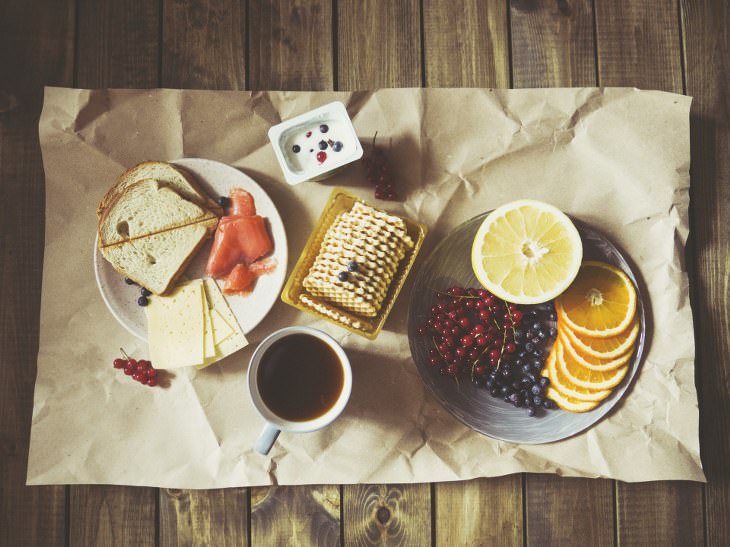

According to Stollman, "caffeine can
increase your metabolism up to 8%" and "brewed tea kicks it up another
notch by boosting your metabolism by 10%." Green tea is even better, due
to the added presence of calorie-burning catechins. It is estimated
that drinking between 3 and 4 cups a day can actually burn around 50 to
100 calories due to the kick your metabolism receives.
7. Limit screen time before bed
A recent study from Northwestern University
shows that being exposed to blue light from screens at night can impact
your metabolism. John La Puma, MD, recommends ceasing exposure to blue
light at least 2 hours before going to bed, and says that “it resets
melatonin levels so that getting to sleep becomes harder, and too little
sleep means weight gain for most people.”
8. Don't Skip Breakfast
Dashing out of the door instead of eating a
healthy and balanced breakfast could end up slowing down your
metabolism throughout the rest of your day. “If you skip protein at
breakfast, you lose the opportunity in your day to feed your muscles,”
says Pincus. “You can’t double up at dinner since your body can’t
utilize more than four ounces at a time.”
9. Use More Spices
Capsaicin, which is found in many spicy
foods, such as red peppers and chili flakes, can boost your metabolic
rate by up to 8%. Nutritionist, Keri Gans suggests that you “sprinkle on
red pepper flakes on eggs in the morning,” She also says that “you
could even make fish, chicken, or lean beef a little spicier for
dinner.” Just be careful not to use this as an excuse to start eating
creamy curries and spicy fried chicken pieces on a regular basis.
10. Keep Moving, Even When You're Sitting
A study in the American Journal of Clinical
Nutrition found that non-exercise related activity, such as fidgeting
at your desk or tapping your feet while sitting down, can help prevent
you from putting on weight. In order to easily integrate more movement
into your regular routine, Pincus recommends to use a transitional or
standing desk when working, or to simply get up and walk about for a few
moments every half hour or so.