Worried About Your Winter Bloat? These Tips May Help
Are you one to put on extra weight during the winter season? Don't worry, you are not alone. Many people tend to put on a bit of weight over winter. “Although seasonal weight gain varies from person to person, there have been surveys that show an average of a five to seven pound gain in weight in winter," says Lawrence J. Cheskin, MD, founder, and director of the Johns Hopkins Weight Management Center.
Research has also shown that the extra
pound or two you gain during winter generally sticks around throughout
the year and can even pile up into a significant mid- or later-life
bulge that can present many health risks.
But exactly why do we put on the pounds during the winter, anyway? A few
factors cause it and they may differ from one person to another. By
being aware of them you can increase your chances of preventing the
extra flab during this season. Here, we will look at some of the common
reasons we accumulate winter weight and then discuss practical ways in
which you can get rid of it.
Here's why you gain weight during winter
1. Less physical activity

The colder the weather outside, the harder
it becomes for us to push ourselves to exercise or indulge in different
physical activities. Even simple activities like a jog in the nearby
park or walking on your terrace seem like a chore. All we want to do is
just curl up comfortably at home and relax. Over time, as our level of
physical activity keeps decreasing throughout the season, we consume
more calories than we burn, which results in putting on weight.
2. Seasonal Affective Disorder (SAD)
The winter season may also affect our mood
negatively. This generally happens due to seasonal affective disorder,
more commonly known as SAD. It’s a form of depression characterized by a
recurring seasonal pattern and happens specifically during a certain
time of year. It is believed that the winter season’s short days and
lack of sunlight are the main triggers for SAD.
SAD makes us feel gloomy and sad, which may lead to overeating, as well
as a more sedentary lifestyle throughout the winter months. Before long,
this becomes a habit and you realize you have added a few extra pounds
by the end of the season.
See Also: Sunbathing in Winter Comes With Many Health Benefits
3. We eat more comfort foods
Winter is the time for gorging on many
delicious holiday foods, isn’t it? While enjoying food is perfectly
fine, many of us can go overboard with it during the winter months. Cold
weather makes us reach out for our favorite comfort foods more often.
The dip in the temperature makes us yearn for heavier and warming foods
like bowls of pasta, roasts, hot puddings, creamy sauces, and red wine.
These comforting warm foods help lift our mood and also raise our body
temperature, however, they are also loaded with carbs and fats, and
indulging in them too much leads to weight gain.
4. We produce more of the 'sleep' hormones
Do you tend to feel extra sleepy or groggy
in the winter months? That might be because of the lack of sunlight in
the winter season. According to health experts, inadequate sunlight can
affect our hormones, particularly those that regulate sleep. Our pineal
glands react to the lack of sunshine by producing melatonin, the hormone
which controls our sleep-wake cycle and which is believed to be
increased during winter.
That feeling of sleepiness, especially when it’s not your actual time to
sleep, can make you feel groggy, lazy, and unmotivated. Moreover, the
higher melatonin levels are known to increase appetite and we may find
ourselves eating more and moving less during the winters. When
controlled poorly, this usually results in an increase in weight.
5. We drink less water
In the summers, we can’t do without
drinking water often. However, our water intake decreases drastically in
the cold months as we don’t feel thirst as easily. That is a problem
because we need sufficient water to combat cold dry air as well.
More importantly, drinking less water in the winter season becomes a
habit and can cause dehydration. Being even just a little dehydrated, in
fact, can take away the thirst signals and send hunger signals instead. In other words, our brain mimics feelings of hunger when we are
dehydrated and makes us reach for foods when our body actually needs
water. Moreover, when the body is dehydrated, it loses energy. To
replenish that energy, we end up eating more and ultimately gain weight.
Tips to avoid winter weight gain
1. Set up an exercise routine
This may sound obvious, but it is the most
essential step you have to take if you wish to get rid of your winter
bloat. Pushing yourself to exercise when the weather is so cold outside
isn’t easy. This is why it's important you set up an exercise routine.
When you know you have a regular fitness schedule you must follow, then
you are less likely to skip it, despite the feeling of laziness.
If you can’t go to the gym right now because of the pandemic, there are
plenty of other options you can choose from. Just adding a 20-minute
walk to your day would be a great kick-start. Even moderate exercises
like biking, jogging, or yoga can prevent you from adding those extra
pounds during the cold months.
Write down your exercise schedule on a note and stick it somewhere where
you can see it every day first thing in the morning. That way, you will
be reminded to follow it even though you might be feeling sleepy.
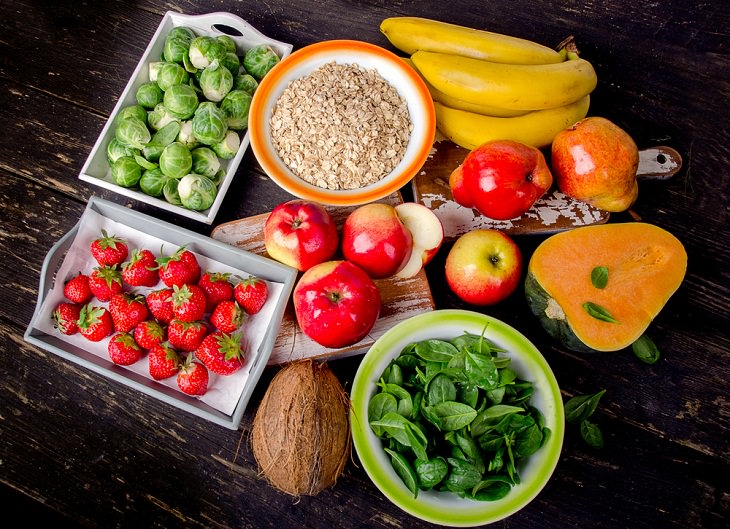
2. Have more high-fiber fruits and vegetables
While it’s okay to enjoy your favorite
comfort foods during the winter season every once in a while, you should
also be mindful of your diet if you don’t want to put on weight in this
season. Dietitians recommend eating high-fiber, low-glycemic vegetables
and fruits with every meal. Options like apples, pears, grapefruit,
peaches, grapes, onions, carrots, cabbage, broccoli, peppers, salad
greens, and cooked greens are all great.
Even a handful of walnuts, which are packed with fiber, would help in
keeping you full. This is essential as it will prevent the temptation of
unnecessary brownies or cookies. If your schedule requires you to
always be on the move, you can keep a bunch of baby carrots, a big
salad, or an apple in a tiffin box and have them in short breaks so that
your desire for going for any unhealthy snacks is curbed.
3. Avoid alcohol. Drink more water instead
Many holiday celebrations involve drinking
and alcohol intake can increase significantly during the winters.
Unfortunately, alcohol is loaded with calories and you might well be
increasing your calories in the cold season without even realizing it.
Thus, try and avoid, or at least limit, alcohol consumption if you are
more prone to weight gain during this season. Simultaneously, increase
your water intake. As we mentioned above, dehydration during the winter
months can be a reason for weight gain. Having plain water before and
during meals should be a must. If you can't cut out alcohol altogether,
then have a glass of water before and after each drink to pace yourself
and to dilute calories.
4. Avoid those “low fat” foods
A lot of us associate the term “low-fat”
with healthy foods. While some nutritious foods such as fruits and
vegetables are naturally low in fat, you should beware of items that
have a fancy label screaming 'low fat' to get your attention. During the
winters, since we exercise less and eat more calorie-laden food, many
of us might get the urge to go for these “low fat” foods to feel that we
are eating something healthy. However, nutritionists warn that many of
these products which claim to be 'low in fat' are low in nutrition and
high in unhealthy ingredients.
Low-Fat Sweetened Breakfast Cereal, Low-Fat Flavored Coffee Drinks,
Low-Fat Salad Dressing, Reduced-Fat Peanut Butter, Low-Fat Muffins, and
Low-Fat Frozen Yogurt are some of the stuff you should certainly avoid
during winters. Instead, maintain a diet that’s rich in whole foods and
low in preservatives.
5. Don’t over-stress
The least productive thing you can do to
beat the winter bulge is stressing about it. So, you put on some extra
weight. But will worrying about it constantly help you shed it? On the
contrary, excessive stress may lead to elevated cortisol levels that
stimulate your appetite and thus cause weight gain. You shouldn't be too
hard on yourself for putting on some extra weight during the winter.
Don’t start panicking and depriving your body in the hope to achieve
quick results. This will only make things difficult for you.
Instead, try to understand what’s suitable for your body and make a
realistic health plan accordingly. Keep in mind that de-stressing should
also be a priority. While exercise and a healthy diet are important, so
is relaxation and mindfulness.