Thursday, May 29, 2025

These 9 Common Medicines Affect Men & Women Differently

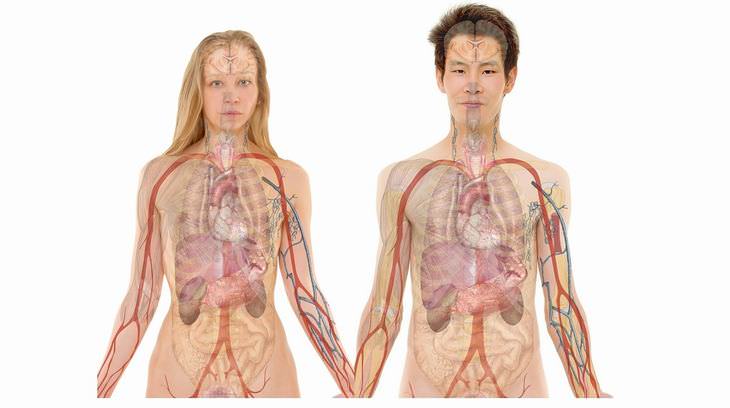
Men and women have several biological differences, and their systems react differently to certain chemicals and stimuli. Therefore, some conditions are more common in women than in men, and vice-versa. But it is only recently that medical science started paying attention to the different reactions men and women have to certain types of medication. Previously, most research was performed on male subjects, leading to a misunderstanding of how women would react to certain types of medication. 
 
 In this article, we discuss the development of gender-based medicine, which works to provide appropriate medication for each gender. We will also list the 9 most common types of medications that have diverse effects on men and women. 
 
The Evolution of Gender-Based Medicine

For decades, medical research was performed almost exclusively on men. In some cases, the reason was to protect women who may be pregnant during the study, and in other cases, it was women’s menstrual cycles that prevented them from participating, because hormonal and chemical changes would prevent the correct assessment of the results. This also led to neglect in studying the effects of medicine on women during their menstrual cycle. Even nowadays, two-thirds of the illnesses that affect both genders are still studied on male subjects, and most experimental drugs are tested on men. 
 
The emergence of gender-based medicine occurred during the 1970s, but only during the 90s were these issues discussed in a wider forum. When it came to conditions that were considered “women only”, such as breast cancer and osteoporosis, men were not included as test subjects. The result was that it became much harder to diagnose these conditions in men, despite the fact that they do appear in them, as well as providing appropriate treatment for each gender.
 
At this time, medical science is finally aware of the different effects medication has on men and women. In a 2001 study, it was found that 11% of cases where women were hospitalized resulted due to incorrect medication, while in another study it was found that women seem to suffer more from side effects compared to men by a ratio of 50-70 percent. 
 
Why Do Medicines Affect Men and Women Differently 
 
There are several reasons why men and women have different reactions to certain types of medications: 
 
1. Physical size and anatomy
 
men women, medicine

Even though women are often physically smaller than men, they receive the same dosage. This means that they have a higher concentration of the medicine in their body, which could explain the differences in how the body reacts to it. At the same time, anatomical differences between genders can lead to increased sensitivity to certain types of medication in women. 
 
2. Differences in how the body processes medication
 men women, medicine
 
Our kidneys play a vital role in clearing toxins and excess medication from the body. In older women, however, there is a decrease in kidney functions, which some studies suggest is considerably higher than in men. This means that some women end up being exposed to higher concentrations of the active ingredients in the medication. Additionally, enzymes in the stomach lining and the liver, which are part of a system called “P450” that also helps remove excess medicine in the body, behave differently in men and women.


3. Stomach acidity levels
 men women, medicine
 
The digestive system in men and women works differently, so medication taken orally can affect each gender differently. In women, stomach acidity is lower than in men, leading to a slower emptying process. This means that the active ingredients in the medicine absorb in the stomach for longer periods, which affects women more than men. 
 
Medication that Reacts Differently in Men and Women 
 
Since the subject of the different effects medication has on different genders is still being studied, the following list cannot be considered as comprehensive or complete since more types of medication are likely to be added to it in the future. If you’re taking medication that appears on this list, are planning on changing your medication, or are experiencing unusual side effects, consult with your physician. 
 
1. Antidepressants
men women, medicine
Serotonin is a known antidepressant, but women naturally produce less of it than men. The result is that serotonin-based antidepressants are far more effective in women than in men. Men, however, seem to react better to imipramine, a tricyclic antidepressant.
 
 2. Valium
men women, medicine

Valium is used to reduce anxiety and is often prescribed in the same dosage for both men and women, despite the fact that women process it faster than men, reducing its efficacy. The reason is that the high level of estrogen in women affects an enzyme called A43, which breaks down the Valium in the body. Since the breakdown is greater, women may require higher doses of Valium than men.


3. Zolpidem-based insomnia drugs

men women, medicine

Many women who were taking zolpidem containing sleeping pills suffered from side effects such as night terrors, difficulty in waking up, headaches, etc. In 2013, following a study into the matter, the U.S. FDA instructed women to reduce their dosage by half. The reason is that women seemed to process the drug at a slower rate, thus increasing its efficacy. The side effects of zolpidem on women also increased the risk of car accidents. 
 
 
4. Statins-based cholesterol-lowering drugs
Statins based cholesterol medication is commonly used as a treatment for high cholesterol and as a preventative measure for coronary diseases, despite the fact that these drugs were only tested on males. More recent studies found that while these drugs lower the risk of heart attacks in men, their effects on women are significantly lower, even compared to men with a history of heart problems. 
 
5. Losartan-based blood pressure medication
While the increased activity of the A43 enzyme lowers the efficacy of certain medications in women, in some cases it can do the opposite and cause an overdose. The effects of losartan in women who take it for high blood pressure may lead to much stronger effects than in men who take the same dosage, thus causing their blood pressure to drop dangerously low.


6. Aspirin
There are women who take this NSAID on a daily basis as a form of prevention for coronary diseases, yet all the studies that recommended this practice were performed on men. In fact, aspirin does not protect women’s cardiovascular system in the same way it does for men, and doctors often recommend a considerably higher dosage to women who have been through a coronary event. However, in recent studies, it was found that aspirin does more to protect women from stroke compared to men. 
 
 
7. Anesthetics
Though there are very few cases of people who have woken up during surgery or that report that they heard what was happening in the operating room, the number of women who reported these experiences is three times higher than men. Researchers have found that each gender reacts differently to the anesthetics because of the distribution of fat, which differs between males and females. For this reason, anesthetics that are fat soluble, such as Propofol, are more effective on men, while water-soluble anesthetics are more effective on women. 
 
 
8. Painkillers
There are known differences in pain sensitivity and threshold between men and women, very few studies have been performed on the efficacy of painkillers for each gender. This is troubling because it is directly related to their efficacy and risk of addiction. In one of the few studies on this topic, it was found that the difference between male and female metabolism, women tend to enjoy a more powerful effect from opioid painkillers. This means that women need a dosage that is 30-40% smaller than men. Men, on the other hand, respond better to Nonsteroidal anti-inflammatory drugs (NSAID). 
 
 
9. Epilepsy medicine
The hormonal changes women experience during their menstrual cycle has a significant effect on the efficacy of many types of medication. For example, progesterone may speed up the system that cleanses drugs from the body. In some women who suffer from epilepsy, this hormone may lead to a multitude of seizures prior to menstruation. Some women don’t make the connection between the increase in the frequency of attacks and their menstrual cycle, and many doctors won’t even ask them about it, despite the fact that this can easily be resolved by changing medication or dosage. 
 
In conclusion, as mentioned at the beginning of this article, the most important thing is to be aware and vigilant of whatever type of medication you take. Avoid taking anything before consulting with a doctor, and don’t be afraid to ask if the dosage is right for your gender, age, weight, and medical history.

This is only for your information, kindly take the advice of your doctor for medicines, exercises and so on.   


Labels: , , , , , , , ,

Monday, March 24, 2025

The truth about cholesterol: 12 things you need to know – from eggs to weight to statins

What is good and bad cholesterol? Should you remove fat from your diet? And what about shellfish? Experts explain it all.

High cholesterol can cause heart problems and strokes – but levels can creep up without showing any symptoms. This is why, if you’re over 40, you should be getting your cholesterol checked every five years. It’s a simple enough concept, but, like alcohol and other things that could be slowly, invisibly damaging our bodies, cholesterol can feel a little abstract, hovering in the background less urgently than everything in the foreground of a busy life.

It doesn’t help when myths are flying about online, such as eggs being unhealthy because they contain cholesterol. Or when some fringe scientists and proponents of low-carb and high-fat diets dramatically downplay cholesterol’s significance in heart disease – arguing that sugar is a bigger risk to our health, despite all the evidence to the contrary. Nor does it help us laypeople that there are so many different ways to present – and therefore interpret – cholesterol levels.

And yet, says Manuel Mayr, a cardiologist and professor at Imperial College London, it’s important to act early to avoid levels creeping up: “Take prevention very seriously, because if your cholesterol is high, if it’s over decades, it builds up in your arteries.”

It might help to think of your circulatory system as a washing machine, he says. “If you have a lot of hard water, there’s a high risk of your washing machine getting a blockage.” When it comes to high levels of bad cholesterol, blockages can cause cardiovascular disease and could result in heart attacks and strokes. “The lifetime exposure is what damages the vessels over time,” Mayr adds.

So what is the truth about cholesterol? And how do you maintain healthy levels?


What is cholesterol?

Cholesterol, says Emily McGrath, a senior cardiac nurse at the British Heart Foundation (BHF), “is a fatty substance that is found naturally as part of your circulation”. We need a certain amount, says Tracy Parker, a senior dietitian at the same organisation, “for making things like hormones – like oestrogen and testosterone. And our cells need cholesterol to make them rigid and firm and solid. But when those levels go high, that’s a problem.” Our bodies make cholesterol, but levels are also affected by lifestyle and genetics.

There are two kinds of cholesterol in the blood. Low-density lipoprotein (LDL) is known as “bad cholesterol” because too much can cause plaque to build up in the arteries, increasing the risk of heart attack or stroke. High-density lipoprotein (HDL) is the good one. “HDL helps your liver to metabolise and reabsorb LDL into the bloodstream,” says McGrath, meaning HDL helps keep LDL levels in balance.

“What has been shown in numerous studies is that if you lower your bad cholesterol,” says Mayr, “you reduce cardiovascular events.”

When should you get your cholesterol checked?

The NHS advises five-yearly checks for those aged 40-74, with annual health checks for people 75 and over, says McGrath. “But if there are concerns over family history of heart disease, or if you’re suffering with angina-type chest pain, anyone is entitled to ask their GP for a check.”

What do the tests show?

Sometimes after an initial cholesterol test, you may be given a single number for the total LDL and HDL cholesterol in your blood. Ideally, the results would show a full lipid profile, says McGrath, “because that gives you the full breakdown of HDL and LDL and triglycerides, which is another type of fat we find in the blood.” All of these details together help paint a clearer picture.

Healthy HDL levels should be above 1mmol/L for men or 1.2mmol/L for women. “I don’t think I’ve ever heard of somebody saying they’ve got too high HDL,” says McGrath. LDL levels are considered healthy if below 3mmol/L. You should also get a cholesterol ratio number, which compares how much good (HDL) cholesterol you have within your total cholesterol levels. It is your total cholesterol divided by your HDL levels, and is considered healthy if below six – the lower the better.

What are triglycerides?

This other type of blood fat is significant because, says McGrath, “some people can have good cholesterol levels but high triglyceride, and it still puts them at risk.” Triglycerides are, essentially, “unused calories, a form of stored energy. Like the LDL, you still need some of it – if you use it for energy it will be taken out of your blood – you just don’t want too much of it.” Just enough is 2.3mmol/L or less, unless you’ve been asked to fast before your blood test, in which case the healthy limit is 1.7mmol/L.

Where do genetics come in?

While a healthy diet and active lifestyle are essential for all-round health, in many of us, says Mayr, “lipid levels are genetic, and if you have very high cholesterol, and you’re unfortunate to have inherited this from your parents, you need medication, because you can’t reach the target level just by making diet changes”.

The most common genetic lipid disorder, says McGrath, is familial hypercholesterolemia, which affects about one in 250 people: “If your father or your brother was under the age of 55 when they had a heart attack, or your mother or your sister were under 65, that’s an indication” that you might have it – and it’s worth getting your cholesterol tested. “Some people, unfortunately, might be the first person,” she adds. “So they don’t have any family history and find out by accident, or if, unfortunately, they have a heart attack.”

What else affects your risk of heart disease?

Cholesterol levels are usually given as part of a “key risk assessment”, which takes a range of factors into account. “Age, weight, family history, smoking status, alcohol intake, whether you have high blood pressure, ethnicity and gender. Men are at slightly increased risk of having high blood pressure, for example,” says McGrath. “If the key risk assessment is above 10%, you will be offered a statin.” Statins inhibit an enzyme the liver needs to make cholesterol, which reduces the amount of LDL cholesterol in the blood. They also reduce the risk of plaques breaking off from artery walls and causing blockages.

If you’re offered statins, can you try lifestyle changes instead?

If your high cholesterol isn’t down to genetics, you are entitled to say that you’d like to trial lifestyle changes before medication, says McGrath. “Most GPs will be willing to let that person have a try at reducing it themselves and then seeing how they get on. It’s a conversation for the doctor and you.” A doctor would consider how much your cholesterol level is above five, and your other risk factors.

Exercise works wonders for that all-important cholesterol ratio by decreasing LDL and increasing HDL. And a healthy diet (more of which below) not only affects how much fat is floating around your blood, but it also helps the liver clear more LDL cholesterol. “On the surface of the liver you have LDL receptors, which are responsible for the metabolism of cholesterol,” says McGrath. “And you want a lot of these, so there are more to receive the bad cholesterol.” This boost in LDL receptors also happens when you take statins.

After making positive lifestyle adjustments, McGrath says you could start seeing results after six to eight weeks. “It can be that quick. And then you’ll probably be set a new target.”

Parker says that generally, “when you’re asking people to make changes to their diet, we get them to come back in three months and see what the effect is on their cholesterol levels. It’s hard for a lot of people, but small, simple changes make a big difference. Those healthy swaps. You may not be changing everything, but changing from a full-fat milk to a low-fat milk, or butter to an unsaturated fat spread, or cutting down on processed meat – those little things make a big difference over time. If you do it right most of the time, five out of seven days, you’re probably doing all right.”

How does body weight affect cholesterol levels?

Not everybody who is overweight or obese will have high cholesterol, but, says McGrath, “it’s a contributing factor. Your risk of heart disease increases when you have high cholesterol, high blood pressure, you’re overweight or obese, you’re inactive or have a poor diet. But if you’ve got high cholesterol and you are overweight or obese, losing weight will bring your cholesterol levels down.”

What are the best foods for good cholesterol?

All dietary fibre helps to lower cholesterol, says Parker, but the soluble fibre you find in oats, beans and lentils has an added effect. “It’s a particular type of fibre called beta-glucans. It forms a gel in the gut that stops cholesterol being absorbed into the body, and then you excrete it. Around 3g a day can help to maintain or lower cholesterol levels.” A bowl of porridge with about 40g of oats will provide about 1.4g of beta-glucans.

Oatcakes, beans and pulses are high in both general fibre and soluble fibre, “and a great low-fat protein source as well”, Parker adds. “So when you’re replacing meat in the diet with beans and lentils, you get this dual action to help lower your cholesterol.” This is part of the reason why a largely plant-based diet is recommended: “more fibre, more vitamins and minerals”. Most of us are still only consuming three of the five recommended portions of fruit and veg a day. “That includes things like unsalted nuts and seeds as well, because they contain healthy unsaturated fats, as well as fibre and other vitamins and minerals. You might have heard all these foods classed as the ‘portfolio diet’, as a group of foods that work together to help lower your cholesterol.”

Unsaturated “good” fats mean, says Parker, “monounsaturated oils that we find in things like olive oil, rapeseed oil, avocados, olives and nuts such as almonds, hazelnuts, pistachios. And not forgetting things like oily fish and linseed oils – they’re all the healthy fats we need to be eating more of. So it’s not really about low fat. It is about eating the right type of fats.”

What are the worst foods for cholesterol levels?

“When we talk about lowering cholesterol, it’s about reducing saturated fat in the diet, as we know that that’s linked to raised LDL cholesterol,” says Parker.

Foods high in saturated fat include processed meats and high-fat dairy such as butter and cream. Parker also mentions “the tropical oils, such as coconut (which has about 85% saturated fat) and palm oil (which has about twice the saturated fat of butter). They’re the foods that tend to hike your cholesterol levels up, and we know that when you replace those with unsaturated fat, there’s a reduction in your cardiovascular disease risk.”

Sugary foods should be kept to a minimum. And opting for low-fat foods that have added sugar to make them more palatable should be avoided. “Back in the day, they were removing fat from products and replacing it with sugar because of palatability, and that wasn’t doing us any good.” Ultra-processed foods, too, are rich in saturated fat and should be minimised in your diet.

What about dietary cholesterol in eggs and other foods?

“You often get myths surrounding things like eggs, shellfish and offal, and dietary cholesterol,” says Parker. These foods contain cholesterol, but this, she says, “really has a small impact on our blood cholesterol levels, and it’s more important to reduce your intake of saturated fat, which we know increases cholesterol”. Most people can enjoy these items as part of a healthy diet. “The exclusion is those who have got familial hypercholesterolemia, where the body is making too much cholesterol, and part of their guidelines are to have lower intake of those sorts of foods.”

When do you need something more than statins?

If you have borderline high cholesterol levels, or moderately high cholesterol levels, says Mayr, “it’s very important to stress that statins are a super-safe drug. They are widely used and effective at reducing cholesterol. However, they typically lower cholesterol by around 50%. So, if you have very high cholesterol and a 50% reduction is not sufficient to achieve target levels, patients can now benefit from newer therapies, such as PCSK9 inhibitors.” These target a different protein in the liver to increase the LDL receptors and could be considered if you’ve already had a heart attack.


This is only for your information, kindly take the advice of your doctor for medicines, exercises and so on.   


Labels: , , , , , , , , ,

Friday, February 03, 2023

What to Know if Your Doctor Put You on Statins to Lower Cholesterol

High cholesterol is a prime example of having too much of a good thing. Our bodies naturally make this substance in the liver and then transport it throughout the body for multiple functions, including hormone regulation, cell tissue regeneration, and vitamin absorption. When the system is working well, cholesterol can boost overall health. But when a certain type called low-density lipoprotein—LDL, sometimes dubbed the “bad” kind—is overproduced, not only does it block the “good” kind called high-density lipoprotein (HDL), but it can also begin to accumulate in the arteries and form thick, hard deposits. This narrows the space for blood flow and raises the risk of blood clots, which can lead to heart attack or stroke. The U.S. Centers for Disease Control and Prevention (CDC) notes that about 93 million American adults have high cholesterol, which represents about 36% of the U.S. adult population.

High cholesterol rarely presents with symptoms in its early stages, which is why knowing your cholesterol levels and reducing LDL if it’s getting too high is crucial for heart health. For many people, a type of medication known as statins may be a recommended step for cardiovascular risk prevention. First approved by the U.S. Food and Drug Administration in 1985, these drugs work by blocking a substance your body uses to make cholesterol, which can reduce the level of LDL cholesterol and also help stabilize the plaques on blood vessels so they don’t break off and become problematic.

According to the CDC, statin use has been growing for the past decade, and nearly 39 million Americans take a statin daily. Usage increases over age 40 since heart risks tend to escalate as we get older. However, a statin prescription isn’t a guarantee for everyone.

Here are answers to five key questions about this common medication, along with advice on when to talk to your doctor.

How do statins work?

Much like lowering production in a factory, statins work by reducing the amount of cholesterol produced by the liver. They also help the liver remove cholesterol already in the blood, which can reduce the chances that you’ll develop deposits in the arteries.

This differs from other types of cholesterol-lowering medications because rather than trying to eliminate excess cholesterol once it’s manufactured, statins target the source of that production.

For example, injectable medicines called PCSK9 inhibitors lower cholesterol by blocking the LDL receptors in the body, resulting in how much cholesterol circulates in the bloodstream. There’s also niacin, sometimes called nicotinic acid, which works by raising HDL cholesterol levels—an action that lowers LDL cholesterol as a result.

Has the thinking on who should get statins changed over the past few years?

As more statins have become available—there are now seven options—and usage of these medications has increased, scientists’ understanding of cholesterol and heart disease has also evolved, says Dr. Adriana Quinones-Camacho, a cardiologist at NYU Langone in New York.

“The more we learn about heart disease and cholesterol, the more nuanced the recommendations have become,” she notes. “In the past, the level of total cholesterol, and especially LDL, may have been the biggest consideration for statin use, but that’s not the case anymore.”

For example, age is an incredibly important variable. Research published in the journal Clinical Epidemiology in 2016 suggests the statin prescription rate has increased the most for people ages 50 to 59, while slowing slightly for those ages 60 to 74.

Research within the past decade has also clarified the strong association between diabetes and heart disease, especially if someone also has high cholesterol. If you have diabetes, you’re already twice as likely to have heart disease or experience a stroke—and at a younger age—than someone without the condition. Additional factors like cholesterol and high blood pressure could make it much more likely that your doctor would suggest a statin, says Quinones-Camacho.

“As we have more data and evidence about cholesterol’s effect on the body, as well as research on these other variables, it gives us more information we can use to tailor our recommendations around statins for each patient,” she adds.

Would someone with high cholesterol automatically be a candidate for statins?

In August 2022, the U.S. Preventive Services Task Force recommended that people aged 40 to 75 who are at high risk of cardiovascular disease should consult with a health care professional about taking a statin to prevent a first heart attack or stroke.

Although high LDL and low HDL numbers are two of the main considerations when it comes to statin recommendations, they’re not the only ones, says Dr. Kevin Ferentz, chair of the department of family medicine and lead physician at GBMC Health Partners Primary Care in Maryland.

“High cholesterol is only one factor in the development of heart disease,” he says. “Others—like smoking, high blood pressure, and diabetes—play a role as well.” A physician will consider your age, general physical condition, family history of heart issues, and presence of other chronic illnesses, adds Dr. Jennifer Wong, a cardiologist and medical director of non-invasive cardiology at MemorialCare Heart and Vascular Institute at Orange Coast Medical Center in California.

Combining all of these factors isn’t done through intuition—there’s a standardized risk calculator used by health professionals that looks at nine different factors and calculates the 10-year probability of heart disease development. In some cases, Wong says, this score can prompt people to make important lifestyle changes that might lower their risk without the use of medication.

Most notably, quitting smoking is a huge benefit to cardiovascular health that may drop LDL cholesterol on its own. When combined with healthy eating and regular exercise, it’s possible a patient may get cholesterol levels into a better range within just a few months, while also improving their blood pressure and diabetes symptoms if either of those are present.

However, the variables that can’t be changed—like genetics and age—may be more prominent and increase risk to the point of making statins advisable, Wong says. And one factor that almost always drives statin recommendations? Having a prior heart event.

“If someone has experienced a heart attack or stroke, they will very likely be a candidate for statins, regardless of their cholesterol level,” she says. “If they also have hypertension or diabetes in addition to a heart event, they will almost certainly be advised to take statins.”


What are the most prevalent side effects?

Considering that statins have been increasingly used for nearly 40 years, there’s ample data on side effects as well as the balance of reward versus risk, Ferentz says. In general, statins tend to be well tolerated, and the majority of people taking them have no side effects, particularly if they’re well monitored.

Some people who start statins experience elevated blood sugar levels. For most people, this isn’t a concern, Wong says, but if you’re prediabetic and that slight elevation increases the risk of developing Type 2 diabetes, that may require a treatment change. However, she adds, the conversation with your health provider will center around whether the benefit of taking a statin may outweigh the risk.

Beyond that, doctors typically check liver function before people start a statin, and again on an annual basis. “Statins occasionally do raise liver function concerns,” Ferentz says. In certain cases, like if a patient is experiencing liver damage, statins might be discontinued completely and replaced with other medications.

 The main side effect associated with statins is myopathy, a neuromuscular disorder that causes muscle pain. Statin-associated muscle symptoms can include mild-to-moderate pain, fatigue, weakness, and night cramps, and can be confirmed via a blood test.

Research suggests that up to 25% of people on statins experience some type of muscle issues. In rare cases, this can progress to more serious conditions such as rhabdomyolysis, in which damaged muscle tissues release compounds like protein and electrolytes into the blood, potentially affecting the kidneys and heart.

However, that occurs only if muscle pain goes untreated, says Wong. Most people who are experiencing higher levels of discomfort and side effects can be switched to a different statin or even a non-statin cholesterol-lowering option that may resolve muscle problems.

“Every medication has side effects, and statins are no exception,” Wong adds. While muscle pain is the most common complaint, she also hears about sleep difficulties, digestive troubles, and dizziness. “In all these instances, we’re fortunate to have several types of statins available,” she says. “So it’s easy to change to one that might work better. Sometimes, just lowering the dosage can have a major effect.”

When should you talk to your doctor?

Even if you’re generally healthy—you don’t have any other chronic conditions, you eat healthy, you don’t smoke, and you exercise regularly—you can still have high cholesterol. Keep in mind that it rarely presents with symptoms. Getting your cholesterol checked after age 40 is crucial, but Quinones-Camacho suggests knowing your numbers decades before that, too.

Most likely, younger people won’t be put on statins, but having a baseline for your cholesterol levels to monitor can help lower heart-health risks overall.

Regardless of your age, talk to your doctor if you have a family history of heart disease. You’ll also want to stay on top of your cholesterol numbers if you smoke now or did in the past, or if you have high blood pressure, diabetes, less-than-ideal nutrition, or sedentary behavior.

“In the end, like everything in medicine, statin use will come down to what’s best for an individual,” Quinones-Camacho says. “Two people of the same age with the exact same cholesterol numbers may be managed very differently in terms of cholesterol-reduction plans.” As with everything else in medicine, prevention is preferable to treatment. “So the earlier you talk to your doctor, the better.”


This is only for your information, kindly take the advice of your doctor for medicines, exercises and so on.   

https://gscrochetdesigns.blogspot.com. one can see my crochet creations  
https://gseasyrecipes.blogspot.com. feel free to view for easy, simple and healthy recipes    
https://kneereplacement-stickclub.blogspot.com. for info on knee replacement

https://GSiyers home remedies.blogspot.com     is my latest addition to my blogs. I'm going to add posts there, do give me your valuable feed back on my blogs. Thanks a lot, take care, be healthy and be happy.


Labels: , , , , , ,