Thursday, September 12, 2024

Understanding and Preventing Deep Vein Thrombosis (DVT)

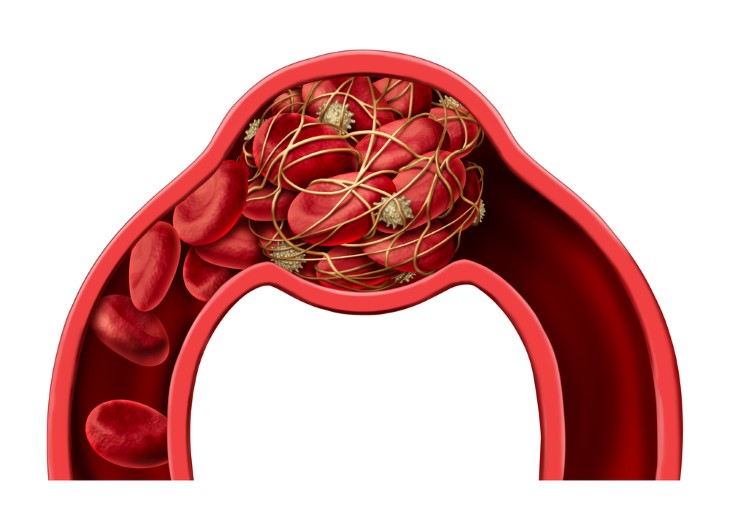
Deep Vein Thrombosis (DVT) is a medical condition where a blood clot forms in a deep vein, typically in the legs. This can lead to pain, swelling, and in severe cases, can cause clots to break free and travel to vital organs, such as the lungs, leading to life-threatening complications. Recognizing the factors that increase the risk of DVT and adopting preventive measures is crucial for maintaining vascular health.

Risk Factors for DVT 
 vein dvt
Here are the factors that can elevate your risk of developing DVT
 
 Previous Blood Clot: 
Individuals who have experienced DVT are at a heightened risk of recurrence.
 
Family History: 
 A genetic predisposition to DVT is significant. The risk is further amplified if both parents have a history of the condition. 
 
Age: 
The likelihood of DVT increases with age, particularly for those over 40. 
 
Prolonged Immobility:  
Extended periods of immobility, such as bed rest due to hospitalization or long-duration flights, can significantly increase the risk of DVT. When muscles are not active, blood flow in the deep veins of the legs slows down, making it easier for clots to form. This is why it's crucial to take breaks, move around, and stretch regularly during prolonged sitting or when confined to a bed or chair for extended periods. 
 
Gender and Age: 
Men aged between 45 and 60 are slightly more susceptible to DVT. However, women's risk may increase during pregnancy due to hormonal changes. 
 
Genetic Factors: 
Genetic predispositions play a significant role in the risk of developing DVT. Conditions such as Factor V Leiden mutation increase the blood's tendency to clot. While a single genetic factor may not cause DVT on its own, in combination with other risks, it can significantly increase the likelihood of clot formation. Knowing family history and discussing genetic testing with a healthcare provider can help assess and manage this risk. 
 
 Pregnancy and Hormone Therapy: 
Elevated estrogen levels during pregnancy or from hormone-based medications can increase clotting risk. Apart from pregnancy, other conditions and medications that alter hormone levels can also elevate DVT risk. This includes hormone replacement therapy and certain types of birth control. The increased estrogen can make the blood more prone to clotting. It's essential for individuals undergoing these treatments to consult with their healthcare providers about their specific risk and possible preventive measures. 
 
 Clotting Disorders: 
Inherent blood clotting disorders can lead to abnormally thick blood.

Obesity: 
Obesity is a significant risk factor for DVT. Excess weight, especially around the abdomen, can exert additional pressure on the veins in the pelvis and legs, impeding blood flow back to the heart. This can lead to blood pooling and clot formation. Furthermore, obesity alters the chemical composition of the blood, increasing its propensity to clot. Managing weight through diet, exercise, and lifestyle changes can help reduce the risk of DVT and improve overall health. 
 
Health Conditions:  
Diseases like heart disease, lung disease, inflammatory bowel disease, and cancer can elevate DVT risk. 
 
Injury or Surgery:  
Physical trauma, such as a bone fracture or muscle injury, can damage blood vessels and lead to clot formation. Similarly, surgeries, particularly those involving the abdomen, pelvis, hip, or legs, can increase the risk of DVT due to immobility during recovery and potential damage to blood vessels. Taking preventive measures, such as using compression stockings or medication for blood thinning as recommended by healthcare providers, can help reduce this risk. 
 
Chronic diseases:  
Certain chronic conditions, such as heart disease, cancer, and inflammatory bowel disease, can increase the risk of DVT. These diseases can alter blood flow, contribute to inflammation, and affect the blood's ability to clot. For instance, cancer and its treatments can increase clotting factors in the blood, while heart disease can lead to reduced mobility and blood flow. Managing these conditions with the guidance of healthcare professionals is crucial for minimizing DVT risk. 
 
Inflammatory Diseases: Conditions like inflammatory bowel disease (IBD) not only disrupt the digestive tract but also contribute to a systemic inflammatory response. This state of heightened inflammation can increase the risk of blood clot formation. Managing inflammation through appropriate treatments and lifestyle changes is crucial.


Strategies to Lower DVT Risk 
While some risk factors for DVT cannot be modified, several strategies can help mitigate the risk: 
 
Avoid Prolonged Immobility: 
Stand, stretch, or walk at least every 2 hours. Perform simple leg exercises even while seated. If you work at a desk or engage in activities that require sitting for extended periods, integrate short breaks into your routine. Use a timer as a reminder to stand up or stretch every hour. Even minimal movements, such as ankle circles or foot pumps, can stimulate blood flow in your legs.

Post-Surgery Mobility: 
After surgery, particularly operations involving the abdomen, pelvis, hip, or legs, it's crucial to start moving as soon as medically advised. Gentle exercises, like ankle pumps, knee bends, and leg lifts, can be performed even in bed. These movements help in maintaining circulation and preventing blood clots. 
 
Medical Consultation:  
Discuss with a healthcare provider about the potential need for blood thinners or compression stockings if at high risk. 
 
Travel Precautions: During long flights or car rides, make it a point to stand or walk around every couple of hours. Choose seats that offer more legroom when possible, and perform seated exercises like foot lifts or knee bends. Wearing loose, comfortable clothing and staying hydrated are essential, while avoiding alcohol and caffeine, which can lead to dehydration. 
 
Stay Active
Regular physical activity is beneficial for overall health and plays a key role in preventing DVT. Activities like walking, swimming, or cycling improve circulation and vein health. Aim for at least 30 minutes of moderate exercise most days of the week. Even those with limited mobility can find suitable exercises to keep blood flowing efficiently. 
 
Health Management:  
Addressing obesity, quitting smoking, and managing chronic diseases are crucial steps in reducing DVT risk. 
 
Lifestyle Adjustments: 
For individuals who are overweight, losing weight can significantly reduce the pressure on veins in the legs and improve blood flow. Quitting smoking is also crucial, as smoking affects blood circulation and increases the risk of clotting. Managing chronic conditions such as diabetes, high blood pressure, and heart disease through medication, diet, and exercise is vital in reducing the risk of DVT. 
 
Proactive Health Checks:  
For those with a high risk of DVT, regular check-ups and screenings can be lifesaving. This includes monitoring for any signs of clotting disorders, reviewing medication impacts, and assessing the need for preventive measures like compression garments or anticoagulants.


This is only for your information, kindly take the advice of your doctor for medicines, exercises and so on.   

https://gscrochetdesigns.blogspot.com. one can see my crochet creations  
https://gseasyrecipes.blogspot.com. feel free to view for easy, simple and healthy recipes    
https://kneereplacement-stickclub.blogspot.com. for info on knee replacement
https://cancersupportindia.blogspot.com  for infor on cancer and health related topics
https://GSiyers home remedies.blogspot.com   is the latest addition to my blogs. I'm going to add posts there, do give me your valuable feed back on my blogs. Thanks a lot, take care, be healthy and be happy.
Labels: , , , , , , , , , ,

Wednesday, March 06, 2024

Understanding and Preventing Deep Vein Thrombosis

Deep Vein Thrombosis (DVT) is a medical condition where a blood clot forms in a deep vein, typically in the legs. This can lead to pain, swelling, and in severe cases, can cause clots to break free and travel to vital organs, such as the lungs, leading to life-threatening complications. Recognizing the factors that increase the risk of DVT and adopting preventive measures is crucial for maintaining vascular health.

Risk Factors for DVT  
Here are the factors that can elevate your risk of developing DVT: 
 
Previous Blood Clot: Individuals who have experienced DVT are at a heightened risk of recurrence. 
 
Family History: A genetic predisposition to DVT is significant. The risk is further amplified if both parents have a history of the condition. 
 
Age: The likelihood of DVT increases with age, particularly for those over 40. 
 
Prolonged Immobility: Extended periods of immobility, such as bed rest due to hospitalization or long-duration flights, can significantly increase the risk of DVT. When muscles are not active, blood flow in the deep veins of the legs slows down, making it easier for clots to form. This is why it's crucial to take breaks, move around, and stretch regularly during prolonged sitting or when confined to a bed or chair for extended periods. 
 
Gender and Age: Men aged between 45 and 60 are slightly more susceptible to DVT. However, women's risk may increase during pregnancy due to hormonal changes. 
 
Genetic Factors: Genetic predispositions play a significant role in the risk of developing DVT. Conditions such as Factor V Leiden mutation increase the blood's tendency to clot. While a single genetic factor may not cause DVT on its own, in combination with other risks, it can significantly increase the likelihood of clot formation. Knowing family history and discussing genetic testing with a healthcare provider can help assess and manage this risk. 
 
Pregnancy and Hormone Therapy: Elevated estrogen levels during pregnancy or from hormone-based medications can increase clotting risk. Apart from pregnancy, other conditions and medications that alter hormone levels can also elevate DVT risk. This includes hormone replacement therapy and certain types of birth control. The increased estrogen can make the blood more prone to clotting. It's essential for individuals undergoing these treatments to consult with their healthcare providers about their specific risk and possible preventive measures. 
 
Clotting Disorders: Inherent blood clotting disorders can lead to abnormally thick blood.

Obesity: Obesity is a significant risk factor for DVT. Excess weight, especially around the abdomen, can exert additional pressure on the veins in the pelvis and legs, impeding blood flow back to the heart. This can lead to blood pooling and clot formation. Furthermore, obesity alters the chemical composition of the blood, increasing its propensity to clot. Managing weight through diet, exercise, and lifestyle changes can help reduce the risk of DVT and improve overall health. 
 
Health Conditions: Diseases like heart disease, lung disease, inflammatory bowel disease, and cancer can elevate DVT risk. 
 
Injury or Surgery: Physical trauma, such as a bone fracture or muscle injury, can damage blood vessels and lead to clot formation. Similarly, surgeries, particularly those involving the abdomen, pelvis, hip, or legs, can increase the risk of DVT due to immobility during recovery and potential damage to blood vessels. Taking preventive measures, such as using compression stockings or medication for blood thinning as recommended by healthcare providers, can help reduce this risk. 
 
Chronic diseases: Certain chronic conditions, such as heart disease, cancer, and inflammatory bowel disease, can increase the risk of DVT. These diseases can alter blood flow, contribute to inflammation, and affect the blood's ability to clot. For instance, cancer and its treatments can increase clotting factors in the blood, while heart disease can lead to reduced mobility and blood flow. Managing these conditions with the guidance of healthcare professionals is crucial for minimizing DVT risk. 
 
Inflammatory Diseases: Conditions like inflammatory bowel disease (IBD) not only disrupt the digestive tract but also contribute to a systemic inflammatory response. This state of heightened inflammation can increase the risk of blood clot formation. Managing inflammation through appropriate treatments and lifestyle changes is crucial.


Strategies to Lower DVT Risk  
While some risk factors for DVT cannot be modified, several strategies can help mitigate the risk:
 
 Avoid Prolonged Immobility: Stand, stretch, or walk at least every 2 hours. Perform simple leg exercises even while seated. If you work at a desk or engage in activities that require sitting for extended periods, integrate short breaks into your routine. Use a timer as a reminder to stand up or stretch every hour. Even minimal movements, such as ankle circles or foot pumps, can stimulate blood flow in your legs.


Post-Surgery Mobility: After surgery, particularly operations involving the abdomen, pelvis, hip, or legs, it's crucial to start moving as soon as medically advised. Gentle exercises, like ankle pumps, knee bends, and leg lifts, can be performed even in bed. These movements help in maintaining circulation and preventing blood clots. 
 
Medical Consultation: Discuss with a healthcare provider about the potential need for blood thinners or compression stockings if at high risk. 
 
Travel Precautions: During long flights or car rides, make it a point to stand or walk around every couple of hours. Choose seats that offer more legroom when possible, and perform seated exercises like foot lifts or knee bends. Wearing loose, comfortable clothing and staying hydrated are essential, while avoiding alcohol and caffeine, which can lead to dehydration. 
 
Stay Active: Regular physical activity is beneficial for overall health and plays a key role in preventing DVT. Activities like walking, swimming, or cycling improve circulation and vein health. Aim for at least 30 minutes of moderate exercise most days of the week. Even those with limited mobility can find suitable exercises to keep blood flowing efficiently. 
 
Health Management: Addressing obesity, quitting smoking, and managing chronic diseases are crucial steps in reducing DVT risk. 
 
Lifestyle Adjustments: For individuals who are overweight, losing weight can significantly reduce the pressure on veins in the legs and improve blood flow. Quitting smoking is also crucial, as smoking affects blood circulation and increases the risk of clotting. Managing chronic conditions such as diabetes, high blood pressure, and heart disease through medication, diet, and exercise is vital in reducing the risk of DVT.
 
Proactive Health Checks: For those with a high risk of DVT, regular check-ups and screenings can be lifesaving. This includes monitoring for any signs of clotting disorders, reviewing medication impacts, and assessing the need for preventive measures like compression garments or anticoagulants.


This is only for your information, kindly take the advice of your doctor for medicines, exercises and so on.   

https://gscrochetdesigns.blogspot.com. one can see my crochet creations  
https://gseasyrecipes.blogspot.com. feel free to view for easy, simple and healthy recipes    
https://kneereplacement-stickclub.blogspot.com. for info on knee replacement
https://cancersupportindia.blogspot.com  for infor on cancer and health related topics
https://GSiyers home remedies.blogspot.com   is the latest addition to my blogs. I'm going to add posts there, do give me your valuable feed back on my blogs. Thanks a lot, take care, be healthy and be happy.


Labels: , , , , , , , , , , , , ,

Monday, July 11, 2022

How to Apply an Improvised Splint to an Injury

From a very early age, we master different life skills that serve us throughout our life. We learn how to sew, change a light bulb, hang shelves, and mend a sock. We also pick up many potentially life-saving skills and information, like not touching electric sockets with wet hands, avoiding the circuit breaker with bare feet, and steering clear of fallen power lines. Knowing how to give basic first aid is also a life-saving skill anyone should have, and so, in this article, we'll learn how to splint an injury at home or outside. 
 
What is a splint?
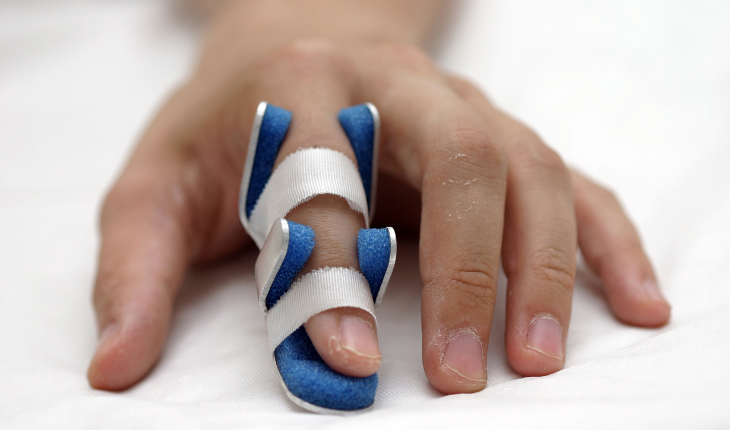
finger splint
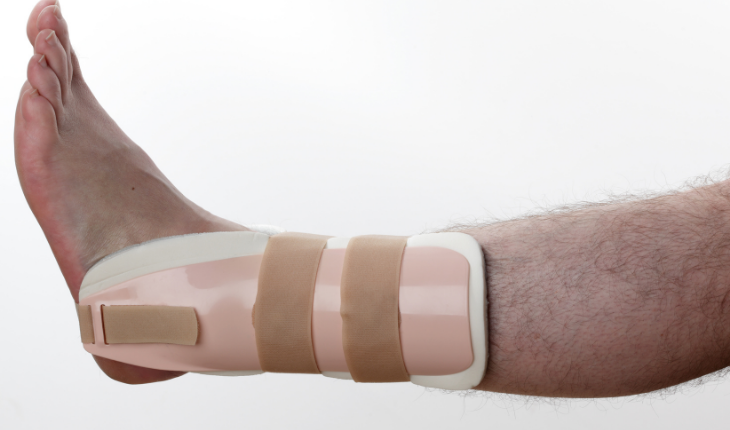
A splint is a medical device meant to immobilize an injured body part to protect it from further damage until the patient can reach a medical care center. It's mainly used for broken bones but also for severe strain or sprains in the limbs. Apart from protection from further damage, the splint will also help ease the pain of the injury. 
 
Outside of the doctor's office, a splint can be made from a stick (such as a walking stick or even a piece of a broomstick), stiff cardboard, or a rolled-up towel or newspaper. It can be tied with medical tape, shoelaces, rope, a necktie, or a belt. If you're out in nature, you can use your clothing, towels, a walking stick, a branch, a rolled-up camping mattress, or some rope to fashion a splint.  
 
How to splint
ankle splint
Keep in mind before you start: 
A splint should be applied to the body part in the position it was injured. Do not move the body part. 
 
If using wood or anything with a rigid surface, wrap it in cloth to avoid scratching and splinters. 
 
The splint shouldn't interfere with blood circulation. 
 
General splinting: 
 
1. If there's bleeding or an open wound, tend to it and stop the bleeding. Apply a bandage, and only then start applying the splint. 
 
2. Place the splint over the injury. It should extend and reach all the way to the joints above and below the injury. So if your calf is injured, the splint would extend to the ankle and the knee. 
 
3. Tie the splint around the body without over-tightening. Allow circulation. 
 
4. Call 911 or head to the ER. Check periodically for signs of poor circulation, as the swelling can cause the ties to be too tight. 
 
5. In case of numbness, tingling, pale limbs, faint pulse, or swelling, loosen the ties.

Palm splinting: 
As this is an anatomically complex area, the splint would look a little different. 
 
1. Place a soft ball (could also be a sock) in the palm of the hand. From this point on, the injured person should not move their fingers anymore. 
 
2. Place padding in-between the fingers. 
 
3. Wrap a cloth or gauze around the whole hand from the fingertips to the wrist, leaving the fingertips exposed to check on the pulse. 
 
4. Secure with tape or ties.  
 
Know how to self-check your splint
How can you tell if you applied the splint effectively? 
A proper splint should: 
- Insulate from the cold
- don't forget padding!
- Be padded all around. 
- Be rigid and supportive on all parts. 
- Be lightweight so that it doesn't apply more strain.
- Allow access to fingers, feet, or hands to allow frequent pulse checking.


This is only for your information, kindly take the advice of your doctor for medicines, exercises and so on.   

https://gscrochetdesigns.blogspot.com. one can see my crochet creations  
https://gseasyrecipes.blogspot.com. feel free to view for easy, simple and healthy recipes    
https://kneereplacement-stickclub.blogspot.com. for info on knee replacement


Labels: , , , , , , , ,