Tuesday, October 29, 2019

Respiratory distress management in paediatric care

Respiratory system in the human body starts from the nose, pharynx [throat], windpipe opening [glottis], wind pipe [trachea, bronchus] and its branches [bronchioles] to the lungs full of alveoli, which are grape-shaped. A disease of any part of the respiratory system due to swelling, or obstruction or compression or aspiration; this is going to give you respiratory distress.

Few other medical problems of the heart, brain or even fever can also trigger respiratory distress. A Senior Consultant, Paediatricians and Neonatal Intensivists, shares some signs and symptoms of respiratory distress in children.

How will you come to know?
When you see a child or a person breathing faster, if breathing is deeper with or without retractions in the chest, in rib cage or upper abdomen or neck; with or without different kind of audible breath sounds associated with fatigue and sweating, should be considered as alarming sign to approach closest casualty and find immediate treatment.

Why does this happen?

The human body is made up of cells. Our cells need oxygen to stay alive and to remove carbon dioxide from the blood by breathing. This normally happens with the use of diaphragm unconsciously throughout the day in a normal healthy child or person. But due to any medical diseases, if enough oxygen does not reach to the cells, due to increased utilisation or decreased supply; or if lungs are not able to remove carbon dioxide, it leads to change in blood pH level.

Thereby, using all backup accessory muscles as auto compensatory mechanisms; our body tries to meet increased demand or decreased supply to prevent tissue death. This reflects through rapid breathing, deep rasping, with retractions, nasal flaring and audible noisy breath sounds sometimes. Untreated severe respiratory distress can lead to cardiac arrest if not treated in time.

What are the common medical problems leading to respiratory distress?
Respiratory Distress can happen due to various medical conditions like pneumonia, pleural effusion, lung malignancies, acute exacerbation of asthma, bronchitis and lung abscess, presence of foreign bodies in the respiratory system, severe laryngitis, peritonsillar abscess and others.

What can be done?
An obvious next step upon experiencing or witnessing respiratory distress is rushing the child to the nearest emergency room. Treatment is to supplement oxygen, to reduce work of breathing; followed by investigations to find the cause of respiratory distress by X-ray, blood tests and USG. Treatment depends on the cause. Many patients with respiratory distress not only require hospitalisation, but also monitoring in pediatric or adult ICU, and sometimes even ventilator care, if the disease evolves rapidly and severely.

Which age groups are more susceptible?
Respiratory distress can happen due to infections as well as be a part of a generalised illness, due to non-infectious diseases. Susceptibility for respiratory tract infection depends on the type or nature of infection and host response. Children can be protected against vaccine-preventable diseases if vaccinated in time adequately. But younger children have a low threshold to deteriorate, compared to older children or adults.

Most respiratory diseases are acute, screening is not required. But when you see your child breathing at a faster rate, deep rapid or laboured breathing, you should seek consultation by a doctor. Don’t delay, if the child’s distress progresses faster and further, reversibility will be slow and difficult. Here is how you can take care of respiratory distress.

this is only for your information, kindly take the advice of your doctor for medicines, exercises and so on.     
https://gscrochetdesigns.blogspot.com. one can see my crochet creations  
https://gseasyrecipes.blogspot.com. feel free to view for easy, simple and healthy recipes    
https://kneereplacement-stickclub.blogspot.com. for info on knee replacement


Labels: , , , , , , , , ,

Tuesday, April 16, 2019

Gastric Obstruction – Causes, Symptoms & Treatments

Your bowels are tasked with removing waste and toxins from your body, as well as absorbing salts, liquids, nutrients, indigestible vitamins. They do it to extract all possible nutrients that weren’t digested in the stomach and maintain the balance of electrolytes in your system.
When your bowels are not functioning well, they collect the waste and toxins they’re supposed to get rid of, resulting in various diseases and health issues. If left undiagnosed and untreated, obstructed bowels lead to kidney and liver-related health problems. In this article, you’ll learn all you need to know about bowel obstruction, symptoms that should serve as warning signals, and the natural home remedies needed to fix and prevent it.

What causes gastric obstructions?
The reasons for obstructed bowels are plentiful, such as hernias, cysts, tumors, etc. Another reason is overeating foods that are harmful to our bodies, such as food rich in preservatives and other chemicals. These chemicals lead to a buildup of mucus in the guts, which releases toxins that can damage the body. Another cause is a buildup of fecal matter or foreign bodies in the lower intestine.
Bezoars can also cause gastric obstructions. Bezoars are a fibrous lump that forms in the stomach, and the most common type is formed of undigested pieces of food. They are mainly composed out of plant cellulose, most common in unripe fruit and persimmons.
Men are in a higher risk group for contracting phytobezoars in their stomachs, with symptoms that include upper gastric pains, feeling full soon after beginning to eat, nausea, vomiting, lack of appetite and loss of weight. Symptoms only appear in 10-25% of the cases, making phytobezoars hard to diagnose, and can lead to gastric obstructions.
What happens when your gastrointestinal system is obstructed?
When the small intestine is blocked, it will begin contracting in order to move its content beyond the obstruction, which can lead to frequent diarrhea. In later stages, it will become less effective, causing a buildup of water and electrolytes that can lead to dehydration.
The obstruction will also create pressure on the intestinal walls, and if left untreated – will only get worse. This can lead to venous drainage obstruction, a rising of the diaphragm, and a suppression of the lungs’ function. The obstruction itself will aid in the bacterial buildup, in particular, E-Coli, Klebsiella, and Enterococcus Faecalis. The bacteria colonies will grow very quickly, increasing the chances of gangrene and intestinal punctures.

Patients lose their ability to pass feces and gasses along the intestine, causing swelling and increasing stomach pains. The large intestine will expand due to the buildup of bacterium, liquids, feces and gasses.


Which symptoms can indicate an obstruction?
Symptoms can be evidence of obstruction caused be stomach cramping or phytobezoars. Once you notice these symptoms, it is recommended that you pay a visit to your family doctor, to evaluate the nature of the obstruction. Not all symptoms may appear, but they will appear in these general groups:
  • Constipation, diarrhea, flatulence, lethargy and swelling.
  • Headaches, memory loss, blurred vision.
  • Burning sensation in the upper digestive system.
  • Weight gain, lack of energy and indigestion.
  • Ulcers in the stomach and Duodenum, ulcerative colitis and stomach inflammation.
  • Urinary tract infections and inflammation of the kidneys.
  • Constant colds, allergies, joint pains and chronic diseases                                       Treatments:
    The most basic treatment is hooking the patient up to an IV, which can only be performed by a doctor. In some cases, the obstructions can be relieved by using a nasogastric tube, and in severe cases, an operation will be required. An enema may help in some cases, but if performed incorrectly – can lead to internal bleeding.
    The simplest, natural treatment for intestinal obstruction is eating 1-3 tablespoons of flax seeds, combined with 100-15ml of Kefir (a type of fermented milk drink) for three days. Flax seeds help the body dispose of fecal matter, mucus and parasites. Additionally, flax seeds can help prevent several forms of cancer, heart diseases, diabetes, and even help lower cholesterol levels. Kefir contains many probiotic bacteria, enzymes, vitamin B12 and proteins, all of which are good for your body. Kefir also helps in restoring the gastric biome and is lactose-free.
    To clear your intestines from obstructions, add kefir and flax seeds to your breakfast in this manner:
    • 1st week: 100ml of kefir and one tablespoon of flax seeds
    • 2nd week: 100ml of kefir and two tablespoons of flax seeds
    • 3rd week: 150ml of kefir and three tablespoons of flax seeds
    Additionally, drink at least two liters of water every day.

    Prevention:
    The best way to unblock a phytobezoar obstruction is by eating food that is high in protein and low in fiber. Once the blockage is gone, follow these dietary tips to heal and prevent reoccurrences.
  • Beverages: It is advised that you keep your body well hydrated. Drink fruit-shakes, water, and sports drinks that are rich in electrolytes. Avoid high-fat dairy.
  • Dairy: Stick to low-fat or fat-free products.
  • Grains and bread: Fiber from whole grain tends to slow down the digestive process. Focus on plain white bread, pasta, and regular grain.
  • Fruits and vegetables: Boiled or canned fruits and vegetables are the way to go. Avoid eating the skin. Watermelon, melons, and bananas can be consumed fresh. Avoid high-fiber fruits and vegetables.
  • Meat and meat substitutes: Protein is essential to the healing process. Stick to skinless chicken or turkey meat. Other kinds of lean meat, such as fish, eggs and tofu are also good.
  • Other: Avoid fried foods and use as little butter as possible. Boiled or steamed foods are the most recommended. Minimize the use of seasoning and fatty sauces and dressings.
     
    THIS IS ONLY FOR INFORMATION, ALWAYS CONSULT YOU PHYSICIAN BEFORE HAVING ANY PARTICULAR FOOD/ MEDICATION/EXERCISE/OTHER REMEDIES.                                    PS- THOSE INTERESTED IN RECIPES ARE FREE TO  VIEW MY BLOG-                                                                                           https://gseasyrecipes.blogspot.com/    
                                                                                                                                                         FOR INFO ABOUT KNEE REPLACEMENT, YOU CAN VIEW MY BLOG-                                                  https:// kneereplacement-stickclub.blogspot.com/  
             
                       FOR CROCHET DESIGNS                                                                                                                                                                                                  https://gscrochetdesigns.blogspot.com 

Labels: , , , , , , , , , , , , ,

Thursday, February 28, 2019

7 Reasons Why You Might Be Having Frequent Sinus Problems

10-30% of people worldwide suffer from sinus infections each year, and for many people, sinus problems tend to recur every year or even every season. This alarming tendency of frequent painful and debilitating sinus infections is not a simple task to wrap your head around.
Is there a reason why you or your loved ones suffer from recurrent sinusitis? It turns out there is a whole host of causes of chronic sinus infections, and in this article, we review the 7 most common ones.
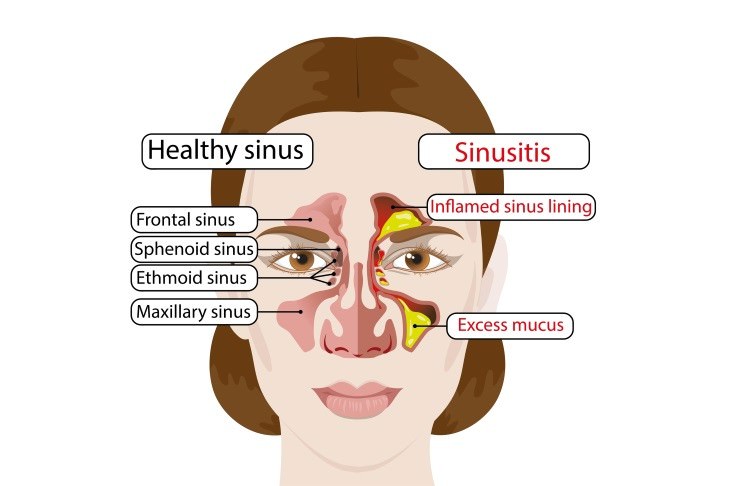
Sinusitis is an inflammatory condition that affects the mucous membrane of the sinuses. An illustration of the area affected by the infection can be seen below.
Chronic Sinusitis Causes

A person suffering from sinusitis may exhibit the following symptoms:
  • thick nasal mucus
  • a plugged nose
  • facial pain
  • fever
  • headaches
  • a poor sense of smell
  • a sore throat
  • a cough
Now let's finally discuss the 7 most common causes of chronic sinus infections.

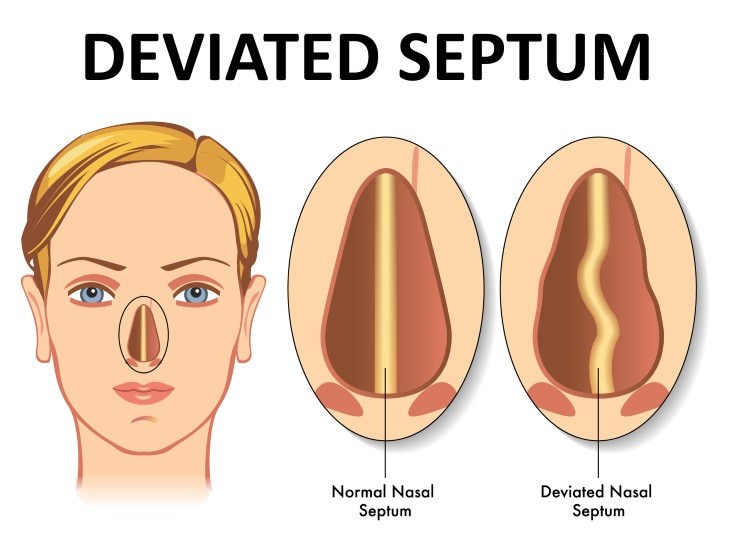
1. A Deviated Septum

A nasal septum deviation is a disorder, which involves the displacement of the arch of the nose called septum. When you have a deviated septum, you are at a higher risk of developing a sinus infection because there is an obstruction blocking your nose.
Keep in mind that some people have a naturally bent nose, or simply a narrow nasal passage, so not only trauma can cause a deviated septum. In fact, about 80% of the population have a deviated septum without ever suspecting this.
Chronic Sinusitis Causes deviated septum

2. Allergies

An allergic reaction commonly manifests itself in the form of a blocked or runny nose and watery eyes, because the allergen irritates your nose, causing the mucous membrane in your nose to swell up.
This swelling and discharge from your eyes and nose can spread to your sinuses as well, and this can lead to the inflammation of the area. If you know that you’re at risk of developing sinusitis, avoid the allergen at all costs and take your allergy medications to reduce the swelling.

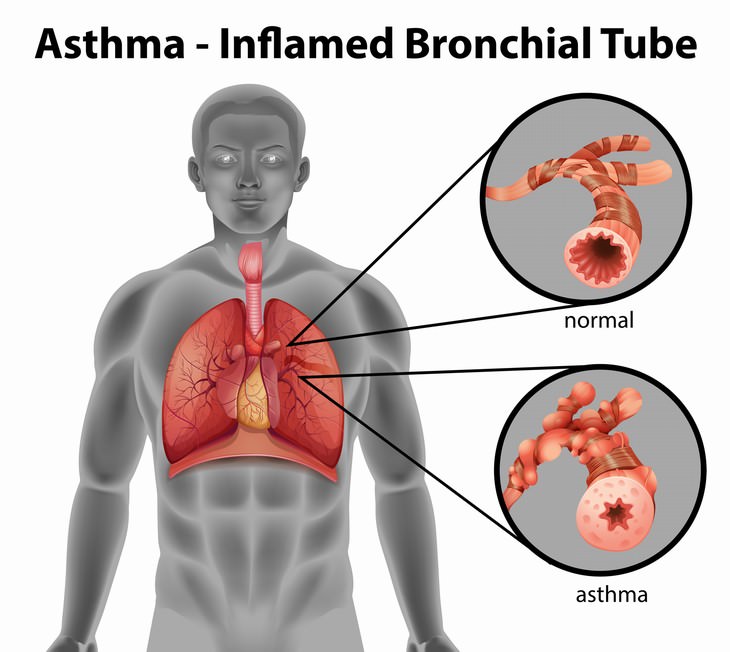
3. Asthma

According to some estimates, 3 out of 4 asthma sufferers have chronic sinus infections.
Luckily, if you have asthma, you are most likely already taking antihistamines and steroids that can help prevent a sinus infection. If not, it is a necessary measure to prevent respiratory infections. In fact, you have to be especially careful at preventing inflammation in your sinuses, as sinusitis can worsen your asthma symptoms.
Chronic Sinusitis Causes

4. Pollution

For those of you who are urban dwellers, it may be interesting to know that there is a strong correlation between air pollution and sinusitis.
A 2017 animal study even managed to mimic chronic sinusitis symptoms in mice by exposing them to pollutants. So make sure to wear a mask if you know that the air is polluted in your area and you’re prone to sinus problems.

5. A Weakened or Compromised Immune System

Individuals who have a weakened immune system have a greater likelihood of developing all kinds of chronic respiratory infections, including, but not limited to bronchitis, pneumonia, and sinusitis.
This category includes infants, children, pregnant women, the elderly, people with other chronic conditions, patients with transplants, and many others. Make sure to prevent any colds or other infections, as your immune system will likely not be able to resist the germs.

6. Frequent Colds

The common cold is the leading cause of an acute sinus infection, as a stuffy nose or an infection in your nose can quickly and easily spread to your sinuses.
So, if you sneeze and blow your nose all winter, you’re at a higher risk of developing a sinus infection. If you have a cold that persists for longer than 10 days, it's best to talk to your doctor, as you may have a sinus infection.

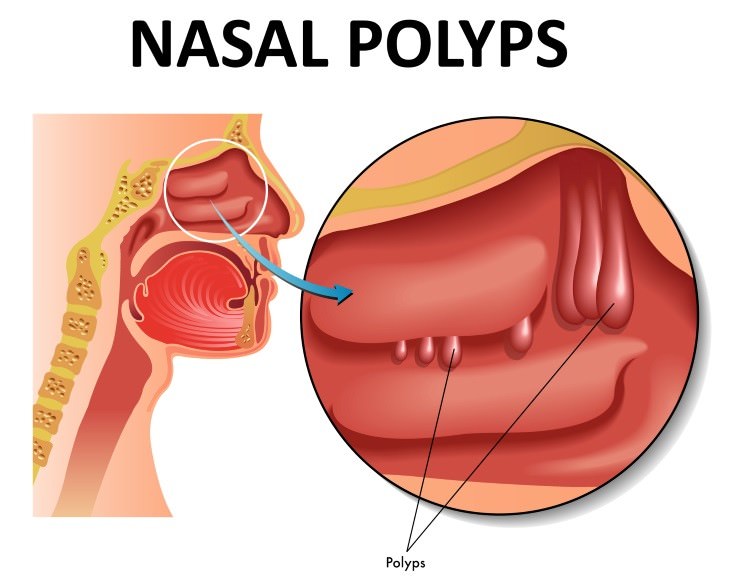
7. Nasal Polyps

Nasal polyps are growths in your nasal cavity that can obstruct the air passageway and cause inflammation in the nose and sinuses.
What’s worse, nasal polyps themselves can mimic sinusitis and nasal congestion symptoms, such as a stuffy nose and a decreased sense of smell. The polyps have to be treated or removed surgically, otherwise, they can develop and obstruct the nasal cavity almost completely.
Chronic Sinusitis Causes nasal polyps

A friendly reminder that we urge you to talk about all of your health concerns with a doctor. The information is provided in this article for information purposes only and is not intended to diagnose an illness.
 
THIS IS ONLY FOR INFORMATION, ALWAYS CONSULT YOU PHYSICIAN BEFORE HAVING ANY PARTICULAR FOOD/ MEDICATION/EXERCISE/OTHER REMEDIES.                                    PS- THOSE INTERESTED IN RECIPES ARE FREE TO  VIEW MY BLOG-                                                                                           https://gseasyrecipes.blogspot.com/                                                                                                                                                         FOR INFO ABOUT KNEE REPLACEMENT, YOU CAN VIEW MY BLOG-                                                  https:// kneereplacement-stickclub.blogspot.com/           

                                                                           FOR CROCHET DESIGNS                                                                                                                                                                                                  https://gscrochetdesigns.blogspot.com


Labels: , , , , , , , , , , , , ,

Sunday, February 03, 2019

Trick to Save Yourself If You are Choking And Alone

Imagine the agonizing pain your body must feel when it’s being deprived of oxygen. It’s no joking matter. The obstruction of the airway passage, even partial, can result in asphyxia and death, which is why choking is the fourth most common cause of unintentional injury-related death.

Children and the elderly are often prone to choking. In 2015, a total of 5,051 people died from choking, of which 2,848 were people more than 74 years old.

So what should you do if you’re choking? If one is lucky, there is someone nearby who can perform the Heimlich maneuver. This first-aid procedure requires the rescuer to stand behind the patient and use their hands to thrust pressure on the diaphragm to dislodge the object and expel it.

What if you’re alone? Well, then you need to watch the video below to learn a life-saving technique to rescue yourself.

The first thing one needs to do is get down on the knees, then place your hands down as if you’re about to do a push-up.

Next, one needs to prepare to extend both arms forward at the same time. The point is to lift both arms upward, somewhat above the head, such that you’ll land on the chest and belly.

When the paramedic demonstrates it, one can hear him lose breath for a couple of seconds. The impact onto the floor acts similar to the thrust to diaphragm for the Heimlich maneuver.

This technique is for everyone—children, adults, and the elderly. So if you ever find yourself choking, don’t forget to do this life-saving move.

THIS IS ONLY FOR INFORMATION, ALWAYS CONSULT YOU PHYSICIAN BEFORE HAVING ANY PARTICULAR FOOD/ MEDICATION/EXERCISE/OTHER REMEDIES.                                    PS- THOSE INTERESTED IN RECIPES ARE FREE TO  VIEW MY BLOG-                                                                                           https://gseasyrecipes.blogspot.com/       
                                                                                                                                                                      FOR INFO ABOUT KNEE REPLACEMENT, YOU CAN VIEW MY BLOG-                                                  https:// kneereplacement-stickclub.blogspot.com/           
                                                                         
  FOR CROCHET DESIGNS                                                                                                                                                                                                  https://gscrochetdesigns.blogspot.com
 

Labels: , , , , , , , ,

Friday, December 07, 2018

Vitamin C may offset effects of maternal smoking on baby

Although smoking during pregnancy is reported to have an adverse effect on fetus health, a new study shows that regular intake of Vitamin C by smoker mom-to-be may help reduce harm done to infant’s lungs after birth.

The study showed that at three months of age, infants whose mothers took 500 mg of Vitamin C per day in addition to their prenatal vitamin had significantly better forced expiratory flows (FEFs) that measure how fast air can be exhaled from the lung and can detect airway obstruction.

In addition, the researchers also found an association between the infant FEFs and a genetic variant some of the mothers possessed that increased the negative impact of nicotine on the babies before they were born.

“Smoking during pregnancy reflects the highly addictive nature of nicotine that disproportionately affects the most vulnerable populations,” said the lead author.

“Finding a way to help infants exposed to smoking and nicotine in uterus recognises the unique dangers posed by a highly advertised, addictive product and the lifetime effects on offspring who did not choose to be exposed,” he added. 

For the study, the team randomly assigned 251 pregnant women who smoked, to either receive vitamin C (125 women) or a placebo (126 women).

The study also demonstrated that all participants received counseling sessions of discontinuing tobacco smoking throughout the study, and about 10 per cent of the women quit smoking during the study.

The researchers mentioned that helping mothers quit smoking should remain the primary goal for health professionals and public health officials.

“Although vitamin C supplementation may protect to some extent the lungs of babies born to mothers who smoke during pregnancy, those children will still be at greater risk for obesity, behavioural disorders and other serious health issues,” the team noted.

Labels: , , , , , , , , , , , ,

Thursday, December 17, 2015

'Hunger Hormone' May Treat Artery Disease

THIS IS ONLY FOR INFORMATION, ALWAYS CONSULT YOU PHYSICIAN BEFORE HAVING ANY PARTICULAR FOOD/ MEDICATION/EXERCISE/OTHER REMEDIES.

FOR INFO ABOUT KNEE REPLACEMENT, YOU CAN VIEW MY BLOG
HTTP://KNEE REPLACEMENT-STICK CLUB.BLOGSPOT.COM/

FOR CROCHET DESIGNS- http://My Crochet Creations.blogspot.com/


 The appetite-regulating hormone ghrelin could be used to treat an advanced form of peripheral artery disease characterised by pain at rest, non-healing ulcers, and gangrene, say researchers, including one of Indian-origin.

The researchers focused on treatment of critical limb ischemia (CLI), a severe obstruction of blood flow to the extremities that often requires major amputations and in half of all cases leads to death within five years. Its leading risk factors are diabetes, obesity and age.

"Our results provide a platform for future studies to look at the long-term potential of ghrelin to see if it could indeed become a standard treatment for CLI," said one of the researchers Rajesh Katare from University of Otago in New Zealand.

Using a mouse model of CLI, the researchers showed that administering ghrelin daily over two weeks markedly improved blood flow in affected limbs.

They found that ghrelin promoted growth of new structurally and functionally normal blood vessels, improved cell survival, and decreased tissue fibrosis.

The findings are exciting as currently there are no drugs treatments for CLI and other techniques are effective in only half of the cases, Mr Katare pointed out.

The researchers also studied ghrelin's action at the molecular level in tissue with restricted blood supply and identified that the hormone modulated downstream signalling cascades involved in new blood vessel growth and cell survival.

The findings appeared in the journal Endocrinology.

Labels: , , , , , , , , ,