Friday, May 05, 2023

Recurrent Sinusitis Is Too Common. This Might Be the Cause

10-30% of people worldwide suffer from sinus infections each year, and for many people, sinus problems tend to recur every year or even every season. This alarming tendency of frequent painful and debilitating sinus infections is not a simple task to wrap your head around. 
 
Is there a reason why you or your loved ones suffer from recurrent sinusitis? It turns out there is a whole host of causes of chronic sinus infections, and in this article, we review the 7 most common ones. 
 
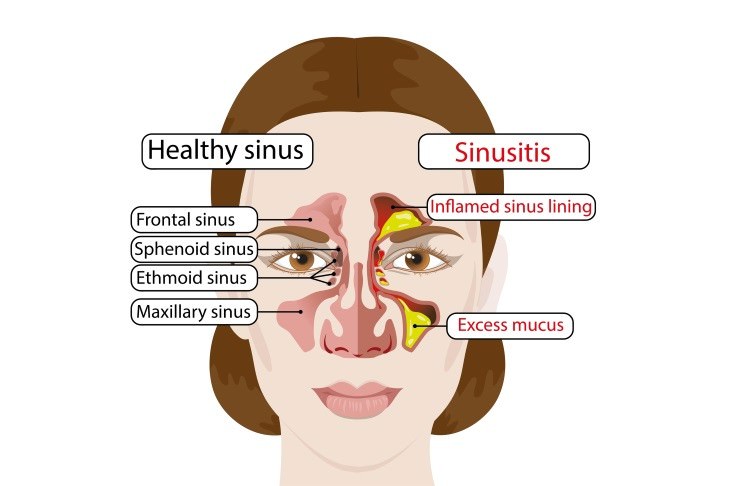
Sinusitis is an inflammatory condition that affects the mucous membrane of the sinuses. An illustration of the area affected by the infection can be seen below.
Chronic Sinusitis Causes


A person suffering from sinusitis may exhibit the following symptoms:

thick nasal mucus

a plugged nose

facial pain

fever

headache

a poor sense of smell

a sore throat

cough

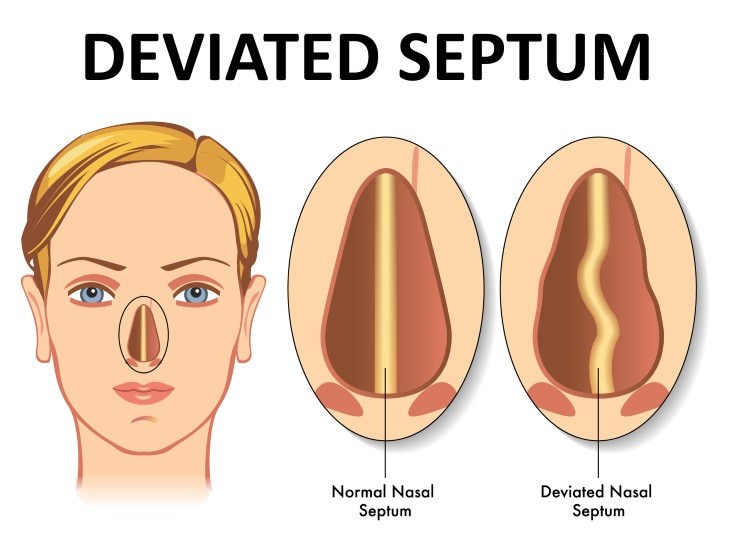
1. A Deviated Septum  
Chronic Sinusitis Causes deviated septum
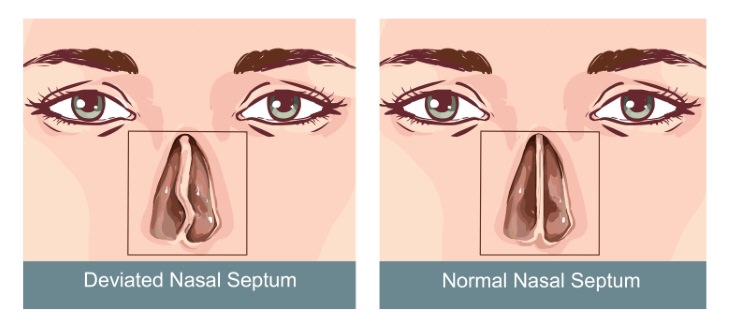
A nasal septum deviation is a disorder, which involves the displacement of the arch of the nose called septum. When you have a deviated septum, you are at a higher risk of developing a sinus infection because there is an obstruction blocking your nose. 
 
Keep in mind that some people have a naturally bent nose, or simply a narrow nasal passage, so not only trauma can cause a deviated septum. In fact, about 80% of the population have a deviated septum without ever suspecting this.

2. Allergies 
An allergic reaction commonly manifests itself in the form of a blocked or runny nose and watery eyes, because the allergen irritates your nose, causing the mucous membrane in your nose to swell up.

This swelling and discharge from your eyes and nose can spread to your sinuses as well, and this can lead to the inflammation of the area. If you know that you’re at risk of developing sinusitis, avoid the allergen at all costs and take your allergy medications to reduce the swelling. Chronic Sinusitis Causes allergies


3. Asthma 
 Chronic Sinusitis Causes
 
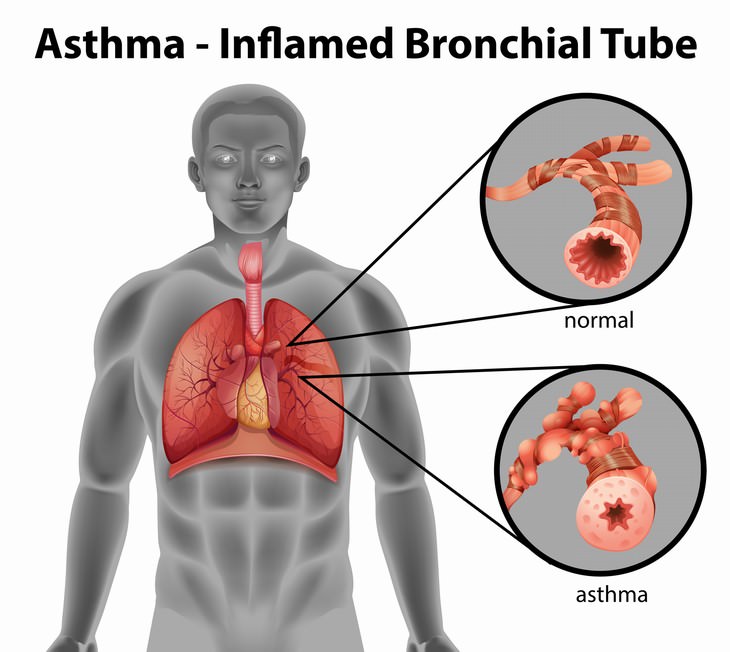
According to some estimates, 3 out of 4 asthma sufferers have chronic sinus infections. 
 
Luckily, if you have asthma, you are most likely already taking antihistamines and steroids that can help prevent a sinus infection. If not, it is a necessary measure to prevent respiratory infections. In fact, you have to be especially careful at preventing inflammation in your sinuses, as sinusitis can worsen your asthma symptoms.


4. Pollution 
 For those of you who are urban dwellers, it may be interesting to know that there is a strong correlation between air pollution and sinusitis. 
 
A 2017 animal study even managed to mimic chronic sinusitis symptoms in mice by exposing them to pollutants. So make sure to wear a mask if you know that the air is polluted in your area and you’re prone to sinus problems.


5. A Weakened or Compromised Immune System 
 Chronic Sinusitis Causes weak immune system
 
 Individuals who have a weakened immune system have a greater likelihood of developing all kinds of chronic respiratory infections, including, but not limited to bronchitis, pneumonia, and sinusitis. 
 
This category includes infants, children, pregnant women, the elderly, people with other chronic conditions, patients with transplants, and many others. Make sure to prevent any colds or other infections, as your immune system will likely not be able to resist the germs.


6. Frequent Colds 
The common cold is the leading cause of an acute sinus infection, as a stuffy nose or an infection in your nose can quickly and easily spread to your sinuses. 
 
So, if you sneeze and blow your nose all winter, you’re at a higher risk of developing a sinus infection. If you have a cold that persists for longer than 10 days, it's best to talk to your doctor, as you may have a sinus infection


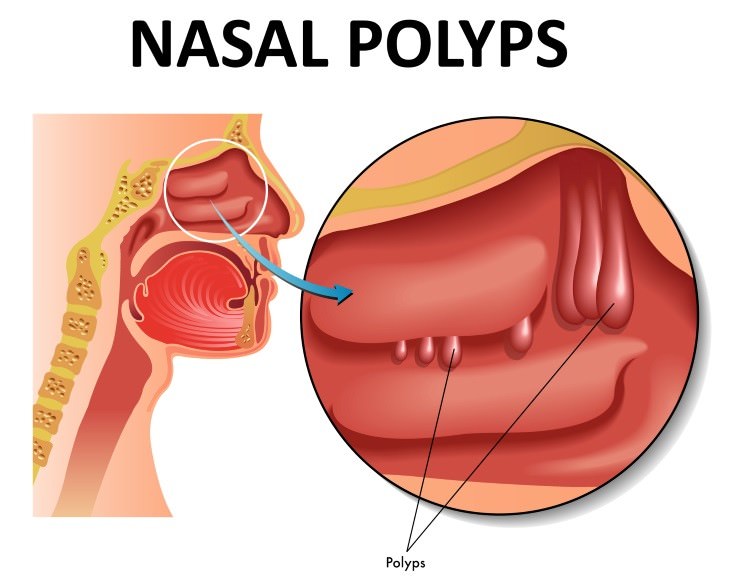
7. Nasal Polyps  
Chronic Sinusitis Causes nasal polyps
 Nasal polyps are growths in your nasal cavity that can obstruct the air passageway and cause inflammation in the nose and sinuses. 
 
What’s worse, nasal polyps themselves can mimic sinusitis and nasal congestion symptoms, such as a stuffy nose and a decreased sense of smell. The polyps have to be treated or removed surgically, otherwise, they can develop and obstruct the nasal cavity almost completely.
A friendly reminder that we urge you to talk about all of your health concerns with a doctor. The information is provided in this article for information purposes only and is not intended to diagnose an illness.


This is only for your information, kindly take the advice of your doctor for medicines, exercises and so on.   

https://gscrochetdesigns.blogspot.com. one can see my crochet creations  
https://gseasyrecipes.blogspot.com. feel free to view for easy, simple and healthy recipes    
https://kneereplacement-stickclub.blogspot.com. for info on knee replacement
https://cancersupportindia.blogspot.com  for infor on cancer and health related topics
https://GSiyers home remedies.blogspot.com   is the latest addition to my blogs. I'm going to add posts there, do give me your valuable feed back on my blogs. Thanks a lot, take care, be healthy and be happy. 

Labels: , , , , , , ,

Sunday, June 16, 2019

Deviated Septum- Causes And Treatment

A deviated septum is a very common condition, with over 80% of the population having a somewhat deviated nasal septum, and many people don’t even realize they have this condition. However, a deviated septum can undermine your health, wellness and even sleep, and so it’s essential for everyone to watch out for the symptoms and beware of the complications of this condition. We discuss this condition, its symptoms, causes and treatments in depth below.

Definition and Causes

deviated septum guide what it looks like
The nasal septum is cartilage that divides your nasal cavity into two equal partitions and supports the structure of the nose, making sure air passes through the nose freely. Sometimes, the nasal septum isn’t completely straight and, in this case, it divides the space within the nasal cavity unevenly, and this is called a deviated septum.
Over 80% of the people worldwide have a deviated septum. In some cases, the deviation is hardly visible and is asymptomatic, but in others, it may cause a variety of uncomfortable symptoms and lead to many complications.
But how does a deviated septum occur, in the first place?
Since the nasal septum is not made of bone, but rather of more pliable cartilage tissue, it is more prone to displacement. In many cases, it’s enough for someone to be whacked with a ball to displace their nasal septum. In fact, trauma is the most common cause of this condition, as illustrated by the fact that people who engage in contact sports and ball games are significantly more likely to have a deviated septum.
deviated septum guide symptoms and complications
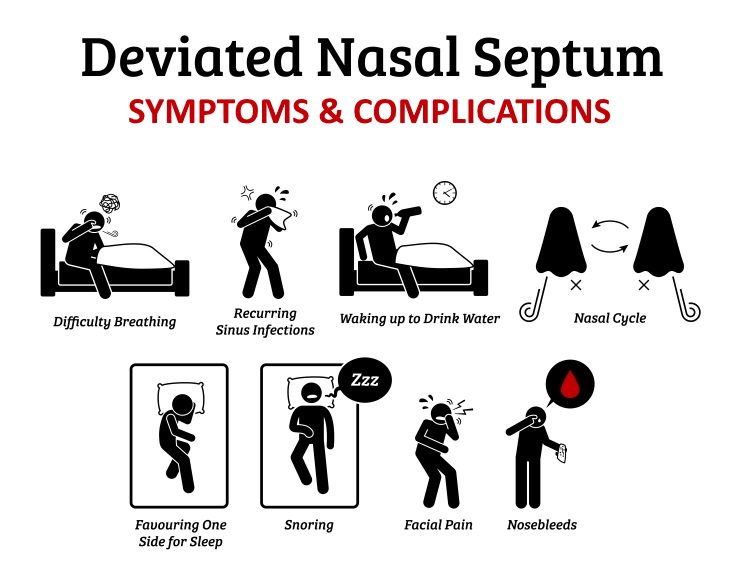
  • Snoring and noisy breathing in your sleep. A narrow passage in one of the nostrils can make your breathing sound louder and make you snore.
  • Yours prefer to sleep on one side. When you find it difficult to breathe through one of your nostrils, it may urge you, even without noticing, to sleep on the opposite side so that it’s easier for you to breathe.
  • Facial pain. An extreme deviation in the nasal septum may produce one-sided facial pain.
​If left untreated, patients may experience several complications that interfere with your daily life and increases your risk of developing other respiratory conditions. Here are the most common complications of a deviated septum:
1. Recurrent sinus problems and chronic nasal congestion that doesn’t respond to treatment.
2. Pressure in the sinuses that worsens when you tilt your head forward.
3. A feeling of dryness in the mouth.
4. Poor sleep as a result of difficulty breathing while sleeping.

Treatment

If you’re experiencing frequent nasal congestion that doesn’t respond to treatment, recurrent nosebleeds, and chronic sinus infections, you should seek out treatment for your deviated septum. Your doctor will usually start the treatment by prescribing drugs that eliminate the swelling and inflammation, which can make it easier for you to breathe through both of your nostrils.
Depending on what is causing the inflammation and swelling of the soft tissues, your doctor can prescribe either nasal steroid sprays, allergy medications, or decongestant sprays. If you have trouble sleeping, the doctor may also suggest using nasal strips, which are plastic adhesive bandages you stick on your nose at night that can temporarily aid air passage through the nose.
deviated septum guide septoplasty

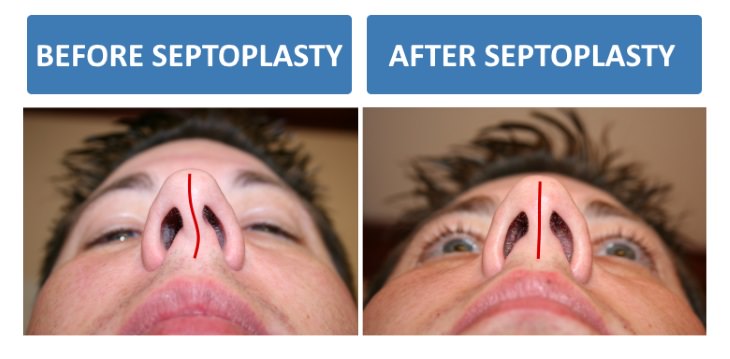
Still, none of these conservative treatments are capable of straightening the nasal septum itself permanently, and if the adverse symptoms you’re experiencing persist, it may be necessary to correct the nasal septum through a type of reconstructive surgery called a septoplasty.
During this surgery, the nasal septum is straightened and re-centered in your nasal cavity. This may require some parts of the septum reshaped or supported by silicone splints. After recovering from the surgery, the air will pass normally through your nose and patients usually find that their symptoms are completely cleared.
Summing up. A deviated septum is a widespread condition that develops when your nasal septum diverges off center. It is manifested through a variety of symptoms and can cause complications. The condition should be addressed and treated either with medication or through surgery if it exhibits adverse and persistent symptoms and interferes with your life.
THIS IS ONLY FOR INFORMATION, ALWAYS CONSULT YOU PHYSICIAN BEFORE HAVING ANY PARTICULAR FOOD/ MEDICATION/EXERCISE/OTHER REMEDIES.                                    PS- THOSE INTERESTED IN RECIPES ARE FREE TO  VIEW MY BLOG-                                                                                           https://gseasyrecipes.blogspot.com/                                                                                                                                                FOR INFO ABOUT KNEE REPLACEMENT, YOU CAN VIEW MY BLOG-                                                  https:// kneereplacement-stickclub.blogspot.com/                                                                      FOR CROCHET DESIGNS                                                                                                                                                                                     https://gscrochetdesigns.blogspot.com
Labels: , , , , , , , , , , , , , ,

Thursday, February 28, 2019

7 Reasons Why You Might Be Having Frequent Sinus Problems

10-30% of people worldwide suffer from sinus infections each year, and for many people, sinus problems tend to recur every year or even every season. This alarming tendency of frequent painful and debilitating sinus infections is not a simple task to wrap your head around.
Is there a reason why you or your loved ones suffer from recurrent sinusitis? It turns out there is a whole host of causes of chronic sinus infections, and in this article, we review the 7 most common ones.
Sinusitis is an inflammatory condition that affects the mucous membrane of the sinuses. An illustration of the area affected by the infection can be seen below.
Chronic Sinusitis Causes

A person suffering from sinusitis may exhibit the following symptoms:
  • thick nasal mucus
  • a plugged nose
  • facial pain
  • fever
  • headaches
  • a poor sense of smell
  • a sore throat
  • a cough
Now let's finally discuss the 7 most common causes of chronic sinus infections.

1. A Deviated Septum

A nasal septum deviation is a disorder, which involves the displacement of the arch of the nose called septum. When you have a deviated septum, you are at a higher risk of developing a sinus infection because there is an obstruction blocking your nose.
Keep in mind that some people have a naturally bent nose, or simply a narrow nasal passage, so not only trauma can cause a deviated septum. In fact, about 80% of the population have a deviated septum without ever suspecting this.
Chronic Sinusitis Causes deviated septum

2. Allergies

An allergic reaction commonly manifests itself in the form of a blocked or runny nose and watery eyes, because the allergen irritates your nose, causing the mucous membrane in your nose to swell up.
This swelling and discharge from your eyes and nose can spread to your sinuses as well, and this can lead to the inflammation of the area. If you know that you’re at risk of developing sinusitis, avoid the allergen at all costs and take your allergy medications to reduce the swelling.

3. Asthma

According to some estimates, 3 out of 4 asthma sufferers have chronic sinus infections.
Luckily, if you have asthma, you are most likely already taking antihistamines and steroids that can help prevent a sinus infection. If not, it is a necessary measure to prevent respiratory infections. In fact, you have to be especially careful at preventing inflammation in your sinuses, as sinusitis can worsen your asthma symptoms.
Chronic Sinusitis Causes

4. Pollution

For those of you who are urban dwellers, it may be interesting to know that there is a strong correlation between air pollution and sinusitis.
A 2017 animal study even managed to mimic chronic sinusitis symptoms in mice by exposing them to pollutants. So make sure to wear a mask if you know that the air is polluted in your area and you’re prone to sinus problems.

5. A Weakened or Compromised Immune System

Individuals who have a weakened immune system have a greater likelihood of developing all kinds of chronic respiratory infections, including, but not limited to bronchitis, pneumonia, and sinusitis.
This category includes infants, children, pregnant women, the elderly, people with other chronic conditions, patients with transplants, and many others. Make sure to prevent any colds or other infections, as your immune system will likely not be able to resist the germs.

6. Frequent Colds

The common cold is the leading cause of an acute sinus infection, as a stuffy nose or an infection in your nose can quickly and easily spread to your sinuses.
So, if you sneeze and blow your nose all winter, you’re at a higher risk of developing a sinus infection. If you have a cold that persists for longer than 10 days, it's best to talk to your doctor, as you may have a sinus infection.

7. Nasal Polyps

Nasal polyps are growths in your nasal cavity that can obstruct the air passageway and cause inflammation in the nose and sinuses.
What’s worse, nasal polyps themselves can mimic sinusitis and nasal congestion symptoms, such as a stuffy nose and a decreased sense of smell. The polyps have to be treated or removed surgically, otherwise, they can develop and obstruct the nasal cavity almost completely.
Chronic Sinusitis Causes nasal polyps

A friendly reminder that we urge you to talk about all of your health concerns with a doctor. The information is provided in this article for information purposes only and is not intended to diagnose an illness.
 
THIS IS ONLY FOR INFORMATION, ALWAYS CONSULT YOU PHYSICIAN BEFORE HAVING ANY PARTICULAR FOOD/ MEDICATION/EXERCISE/OTHER REMEDIES.                                    PS- THOSE INTERESTED IN RECIPES ARE FREE TO  VIEW MY BLOG-                                                                                           https://gseasyrecipes.blogspot.com/                                                                                                                                                         FOR INFO ABOUT KNEE REPLACEMENT, YOU CAN VIEW MY BLOG-                                                  https:// kneereplacement-stickclub.blogspot.com/           

                                                                           FOR CROCHET DESIGNS                                                                                                                                                                                                  https://gscrochetdesigns.blogspot.com
 

Labels: , , , , , , , , , , , , ,